

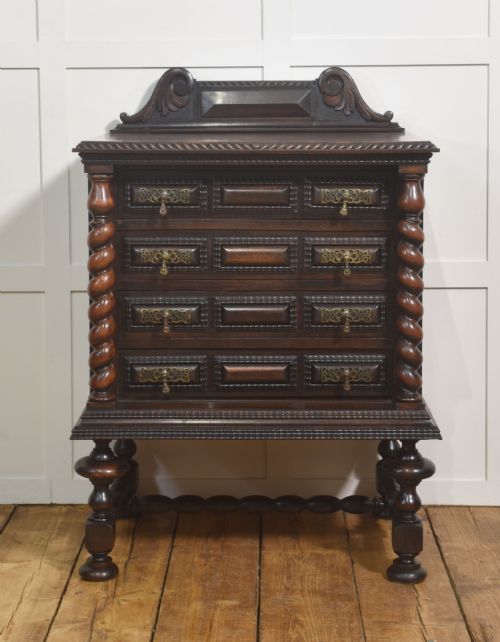
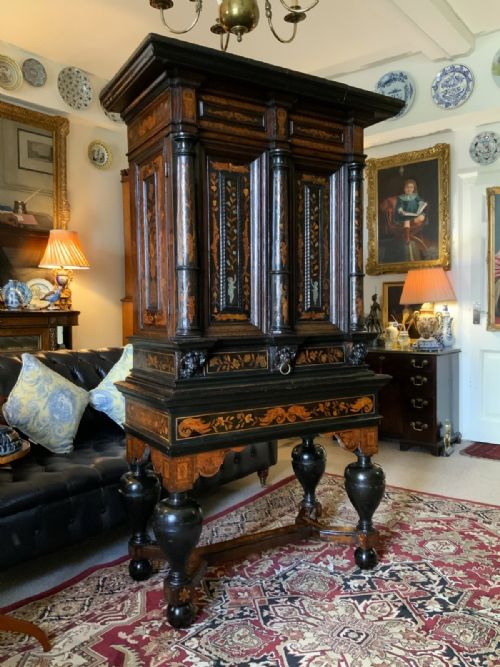
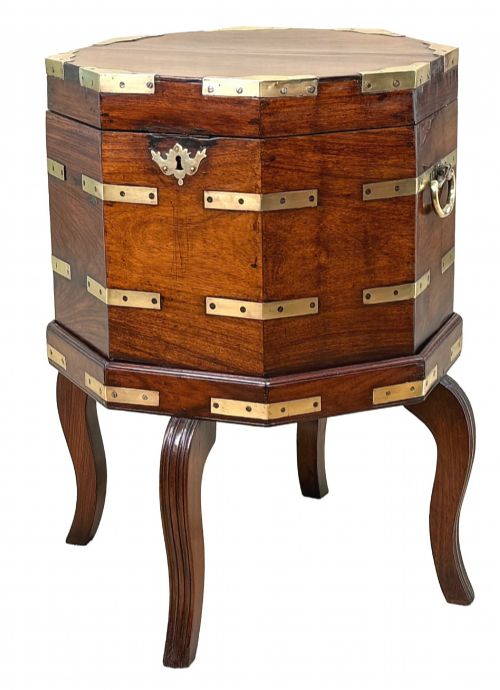
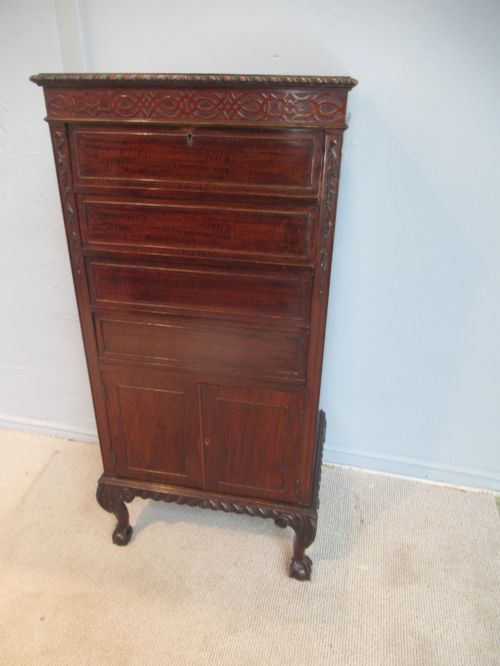


Dark Wood Chest Stand
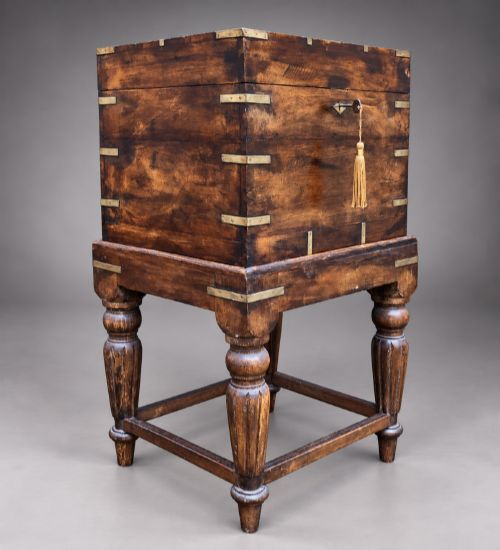
A dark wood chest stand brings elevated storage to a room, combining a sturdy base with a timber box designed for precious items.
Dark Wood Chest Stand
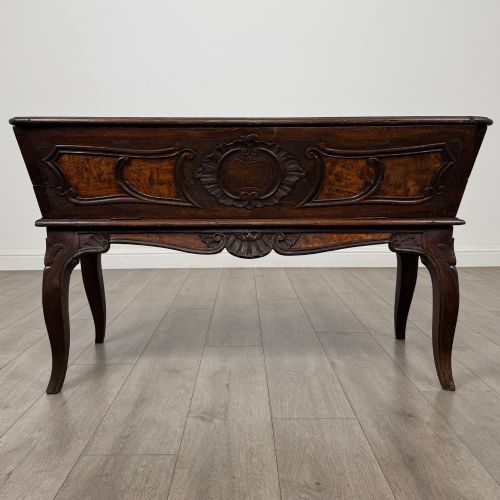
When you search for a dark wood chest stand, you encounter a variety of elevated storage forms designed to keep valuables, documents, and domestic items off the ground. These pieces combine a raised wooden framework or legs with a lidded box, cabinet, or coffer.
The selection on this page draws from several centuries of cabinetmaking, spanning the seventeenth, eighteenth, and nineteenth centuries. You will find forms ranging from early oak coffers on stands to Georgian mahogany examples, Regency rosewood pieces, and Anglo-Indian variants.
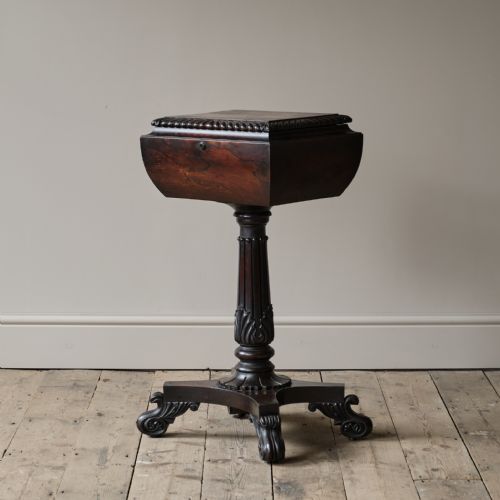
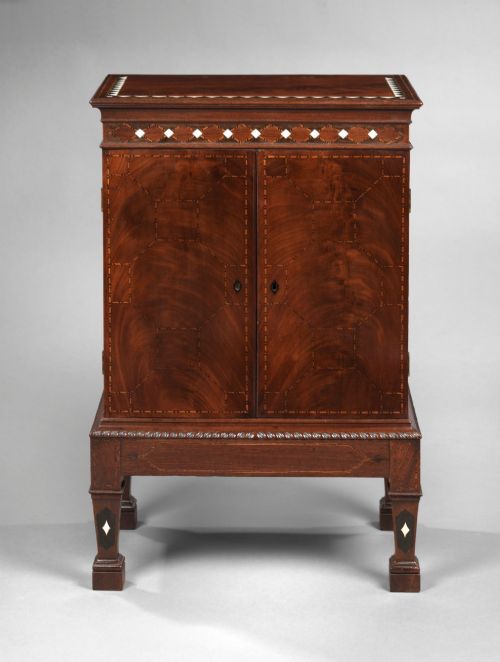
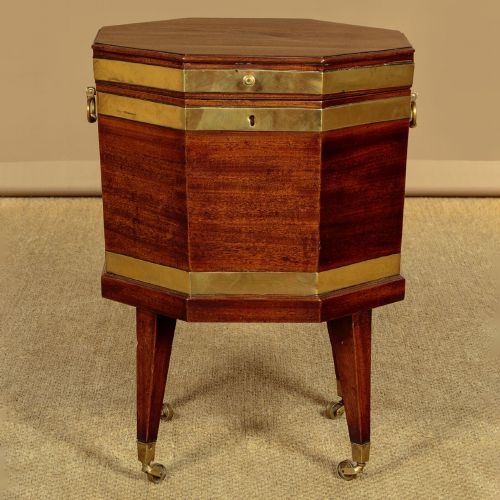
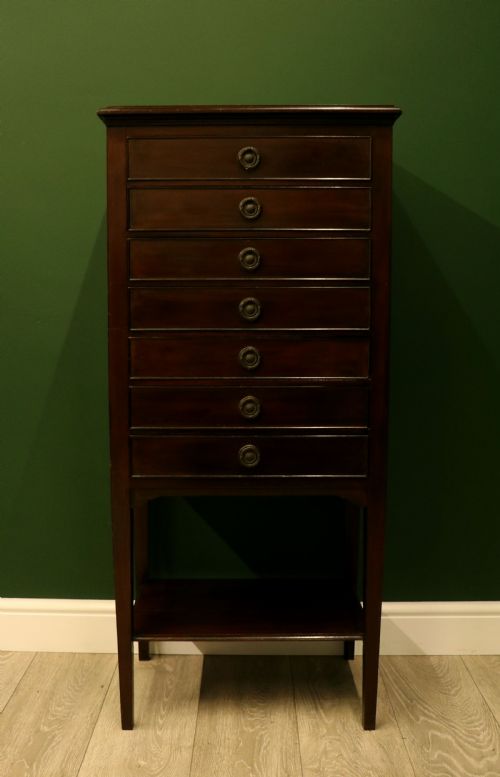
Beyond traditional chests, the category encompasses related elevated forms such as cellarettes, teapoys, and collectors' cabinets. Each type serves a distinct organizational purpose while sharing the fundamental architecture of an enclosed timber vessel raised upon a support.
How they were made
Cabinetmakers constructed these pieces using dense hardwoods, predominantly mahogany, oak, and rosewood, often enhanced by secondary timbers and elaborate veneers like kingwood or walnut. Joinery relied on traditional methods such as dovetailing for box construction and mortise and tenon frames for the stands.
Surface ornamentation involved intricate techniques including marquetry, parquetry, bone inlay, and pewter inlay. Metal fittings like brass handles, mounts, and corner brackets provided structural reinforcement and decorative contrast against the dark timber.
Finishing processes utilised natural oils, polishes, and waxes to seal the wood and accentuate the grain patterns. Carved details on the legs and aprons, ranging from neoclassical motifs to geometric patterns, completed the construction.
The inventory includes specialised functional forms including cellarettes, teapoys, music cabinets, and washstands.
What varies in quality
The integrity of the timber selection and the precision of the joinery dictate the distinction between standard utilitarian items and masterworks. Superior examples display carefully chosen grain alignment across the panels and tightly fitted joints that withstand structural stress over centuries.
The refinement of decorative elements, such as hand-carved mahogany details, precise marquetry inlay, and original brass hardware, elevates the standing of an object. Patina built up through generations of polishing indicates age and careful preservation.
Proportion and balance between the chest and its supporting stand dictate aesthetic success. Pieces where the base complements the upper storage container without appearing disjointed represent superior design execution.
Gillows·Walker and Hall·Muirhead Moffat and Co
The Dark Wood Chest Stand Glossary
- Cellarette
- A dedicated storage chest for wine bottles, frequently lined and fitted with internal partitions. These containers were often kept in dining rooms during the Georgian and Regency periods.
- Teapoy
- A small box on a stand originally used to store valuable loose tea leaves. They often feature internal caddies and mixing bowls.
- Coffer on stand
- A heavy storage chest elevated on a frame or low table. This form predates many later cabinet designs and typically utilises solid oak.
- Marquetry
- The art of applying pieces of veneer to a structure to form decorative patterns and pictures. Craftsmen used various contrasting woods and materials for this technique.
- Padouk
- A heavy tropical hardwood with a reddish-brown hue utilised in cabinetmaking. It appears frequently in Anglo-Indian pieces.
Dark Wood Chest Stand: Frequently Asked Questions
What is a dark wood chest stand used for?
These pieces function primarily as statement storage furniture for living spaces, bedrooms, or hallways. Their elevated design allows them to hold linens, documents, or collections while occupying minimal floor space.
Historically, specific variants served specialised domestic roles, such as storing tea, holding wine bottles, or keeping valuables secure. Today, they integrate easily into modern interiors as decorative accents with practical utility.
How do I date a chest on stand?
Dating relies on examining construction techniques, hardware, and timber types characteristic of different eras. Seventeenth-century examples often feature heavy oak frames and joined panels, while Georgian and Regency pieces showcase refined mahogany or rosewood veneers.
Secondary woods inside drawers, the style of dovetail joints, and any maker stamps or labels provide further chronological clues. Comparing the decorative motifs against known historical periods confirms the age.
Are teapoys and cellarettes the same as a chest stand?
Teapoys and cellarettes share the core format of a lidded container on a stand, but they served specific culinary functions. A teapoy held tea leaves and brewing equipment, whereas a cellarette stored wine.
While they fall under the broader category of chest stands due to their construction, their internal fittings distinguish them from general blanket or document chests.
How should I care for antique dark wood furniture?
Maintain these pieces by keeping them away from direct sunlight and sudden temperature shifts that can dry out the timber. Regular dusting with a soft cloth preserves the surface.
Apply a quality beeswax polish occasionally to nourish the wood and maintain the historic patina. Avoid liquid cleaners or silicone-based sprays that damage antique finishes.