




Dark Wood Base Dining Table
A dark wood base dining table anchors a room with rich timber tones and solid structural support.
Dark Wood Base Dining Table
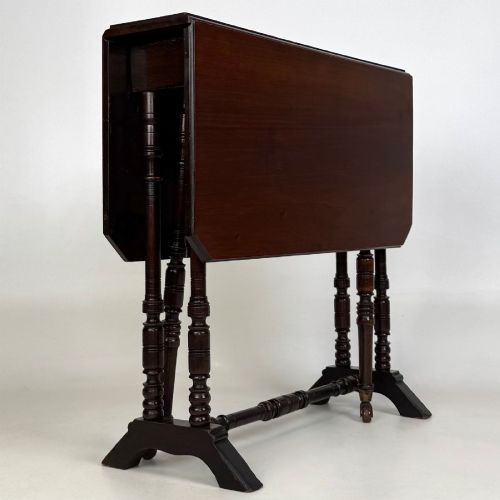
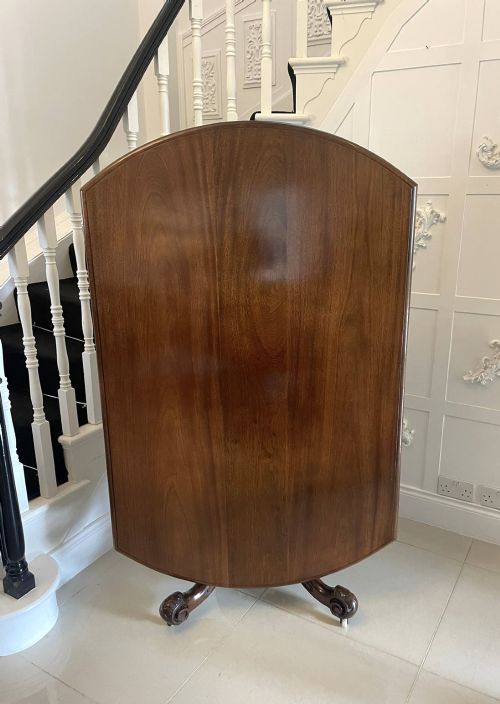
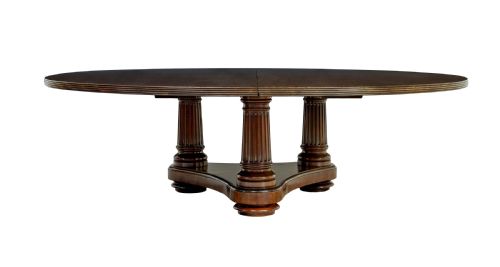
A dark wood base dining table brings together substantial timber supports and dining surfaces that span several centuries of design. You will frequently encounter examples from the Victorian and William IV periods, alongside earlier Georgian pieces.
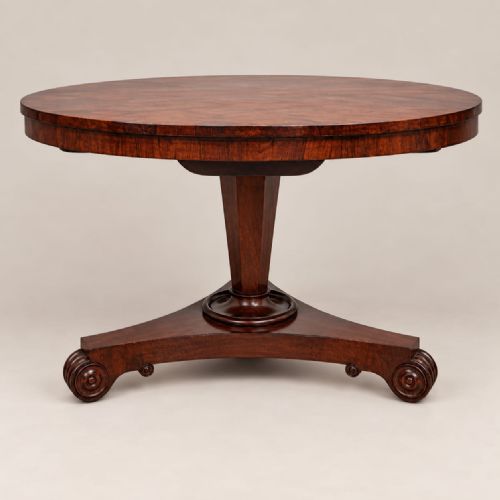
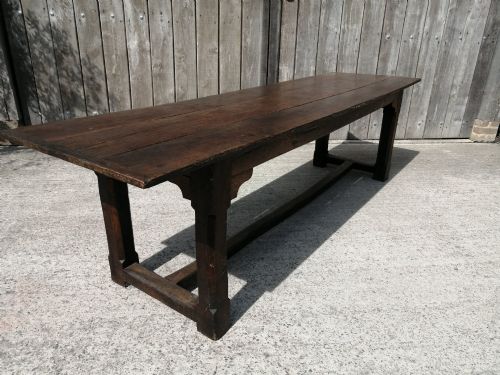
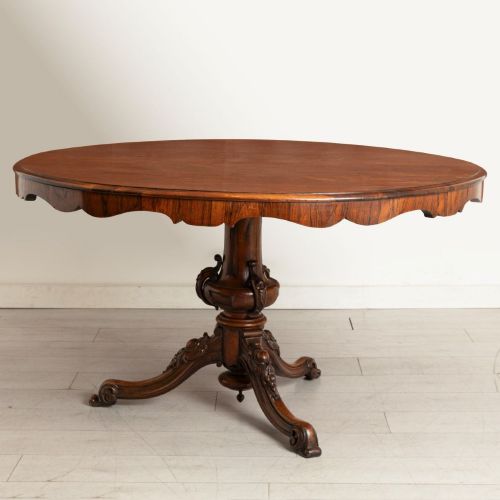
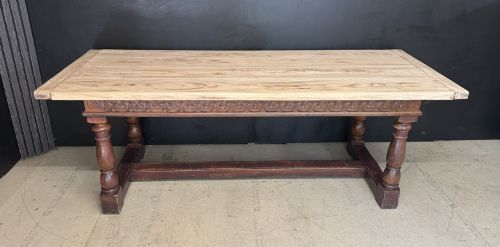
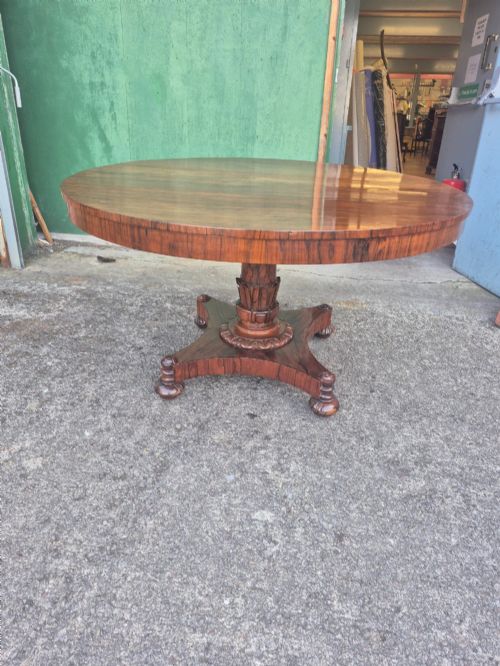
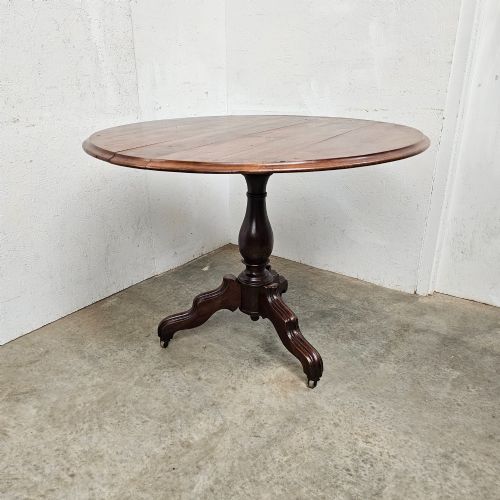
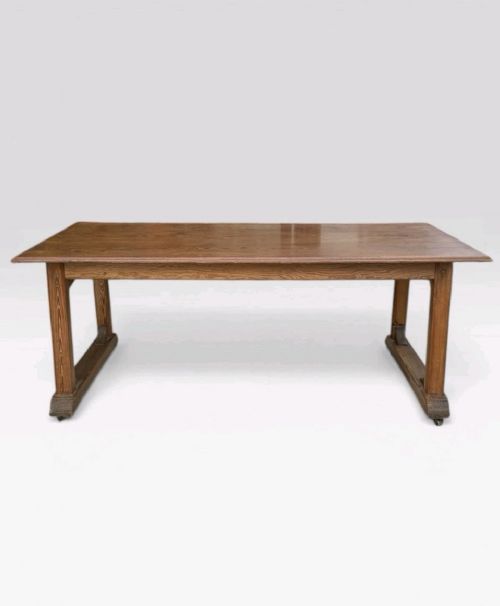
The selection ranges from circular breakfast tables with triform and pedestal bases to extended refectory and dining formats. Woods such as mahogany, rosewood and oak predominate on the structural supports.
Makers utilised various timber combinations, pairing oak with elm or utilising rich rosewood veneers over solid cores. These tables serve both formal dining rooms and rustic farmhouse settings depending on their stylistic lineage.
Materials and construction methods
Cabinetmakers constructed these tables using dense hardwoods like mahogany, rosewood, oak and walnut for the primary bases and table tops. Brass fittings, bronze feet and castors often reinforced the legs and pedestal terminals.
Joinery techniques relied on solid timber framing, crossbanding and turned pedestals supported by triform or tripod structures. Tilt-top mechanisms and split bases allowed larger tables to function with flexibility.
Some dining tables carry royal stamps from the Crown Estate, proving that even government furniture occasionally needed a hearty meal.
Distinctions in craftsmanship
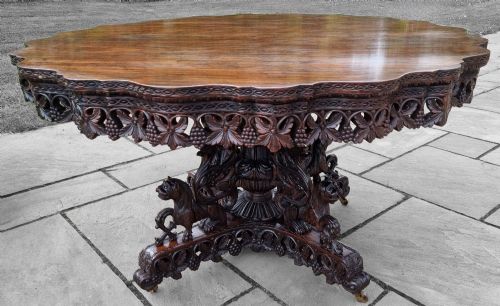
The distinction between standard examples and the finest pieces rests upon the selection of timber veneers, the crispness of carved details on the central pedestal, and the integrity of the original joints. Superior tables exhibit harmonious grain patterns across the top and substantial weight in the structural base.
Finer items demonstrate meticulous attention to secondary elements such as brass inlay, cast bronze feet and stable tilt-top mechanisms that operate without play. The depth of the polish and the retention of original structural components dictate the standing of each piece.
James Winter of Wardour Street
The Dark Wood Base Dining Table Glossary
- Triform base
- A three-sided pedestal support commonly found on 19th-century breakfast and centre tables. This configuration provides sturdy weight distribution.
- Tilt-top
- A hinged table top that pivots to a vertical position for storage or room clearance. It is frequently mounted on a central pillar.
- Refectory table
- A long dining table traditionally used in communal dining halls. Early versions feature heavy oak construction with stretcher rails.
- Crossbanding
- A strip of veneer applied to the border of a table top with the grain running perpendicular to the central panel. This technique frames the primary timber.
- Padauk
- A dense tropical hardwood displaying rich reddish-brown colouration. It appears on mid-19th-century pieces originating from diverse global regions.
Dark Wood Base Dining Table: Frequently Asked Questions
How do I identify a William IV table?
William IV tables usually feature heavy rosewood construction with bold pedestal bases, often incorporating carved scrollwork or triform platforms.
They date from the 1830s and combine massive proportions with refined classical detailing.
What is a breakfast table used for?
Breakfast tables were originally designed for informal morning meals or light dining in private chambers. Their tilt-top mechanism allowed them to stand against a wall when not in use.
Today they function effectively as centre tables or small dining surfaces in compact spaces.
How do I care for a rosewood top?
Rosewood surfaces require minimal moisture and protection from direct sunlight to prevent fading and veneer cracking. Regular dusting with a soft cloth maintains the natural lustre of the timber.
Avoid placing hot items directly on the polish to preserve the original finish.
Are pedestal tables stable?
Pedestal tables rely on heavy triform or tripod bases to counterbalance the expanse of the top. Solid construction and weighted feet ensure stability during daily use.
Checking the central fixing block beneath the top confirms whether the base remains secure.