

Dark Wood Architectural Salvage
Dark wood architectural salvage comprises historic panels, carvings, and structural fragments sourced from older buildings, offering buyers authentic period character and hand-carved detail.
Dark Wood Architectural Salvage
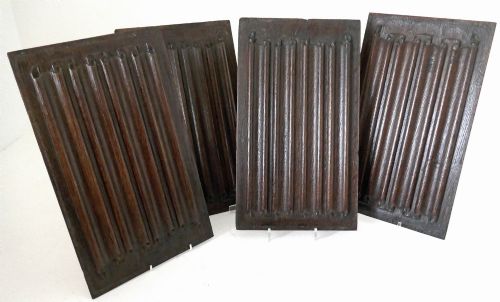
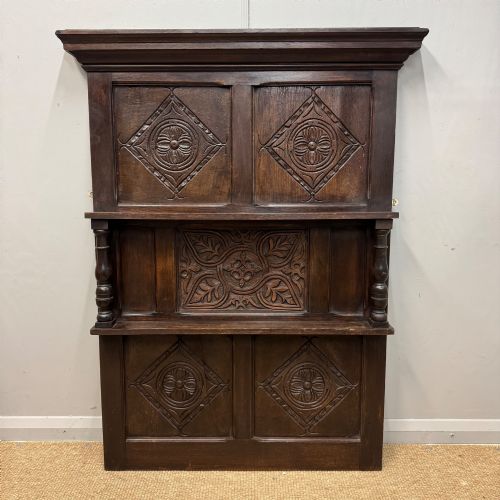
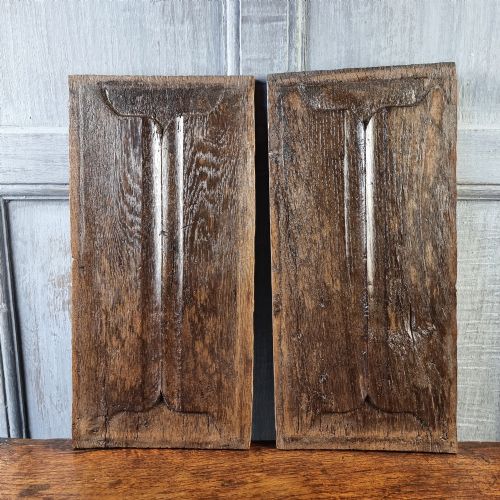
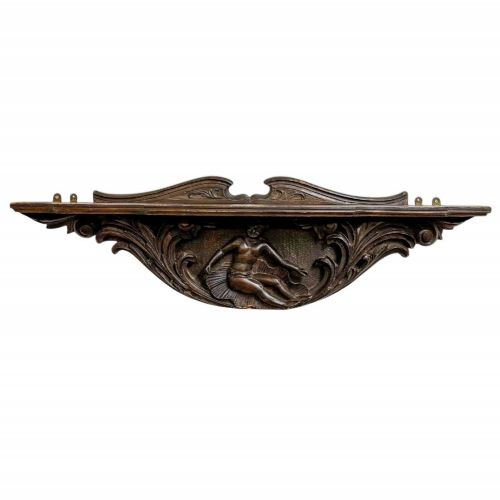
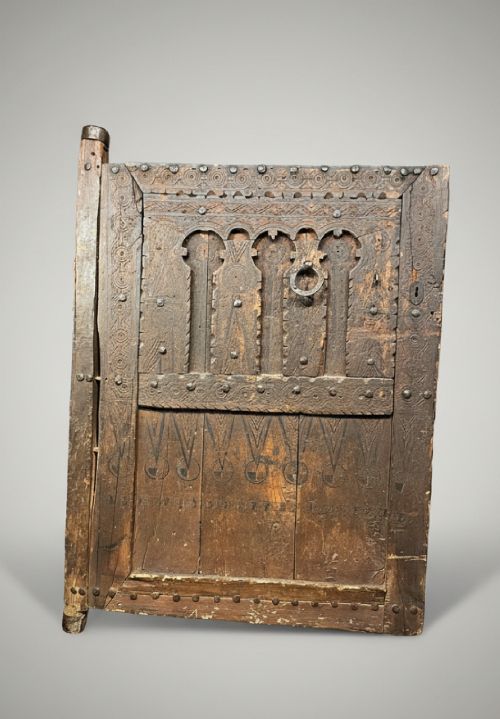
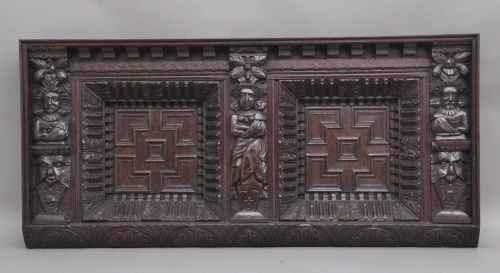
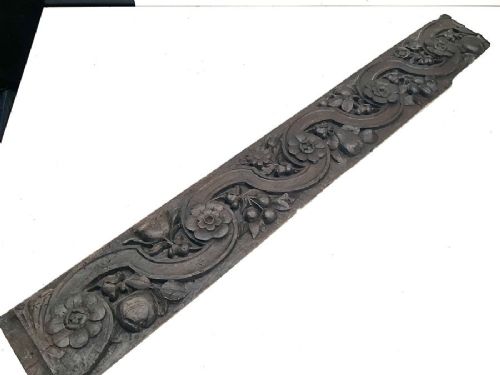
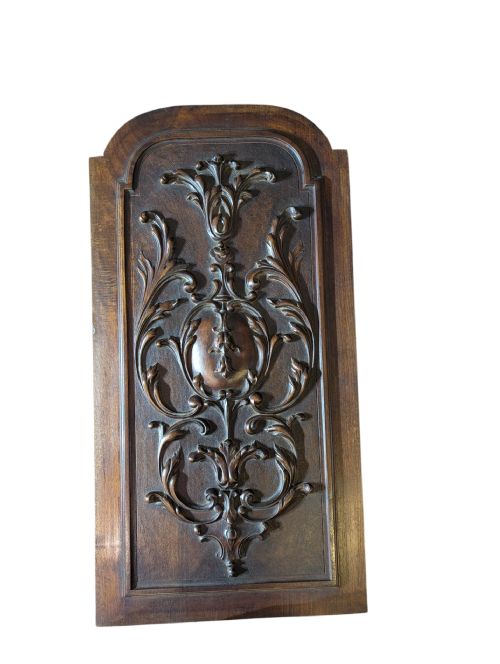
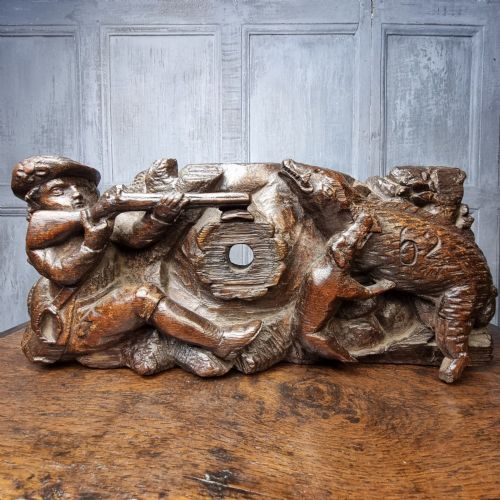
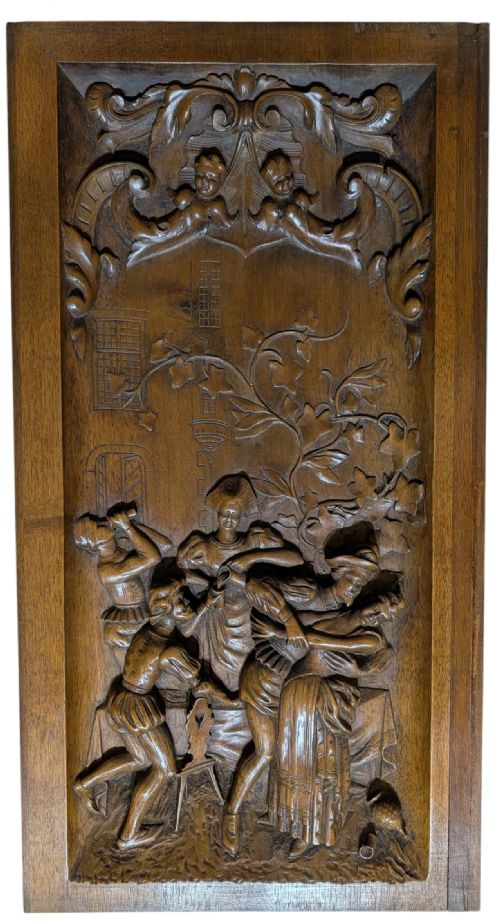
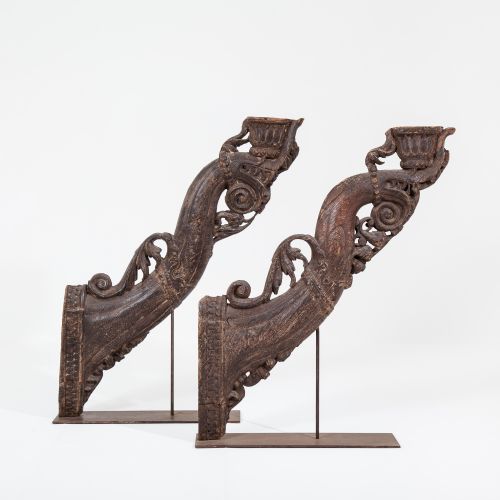
Dark wood architectural salvage encompasses items like linenfold panels, overmantels, brackets, and doors rescued from period buildings. These pieces originate from diverse stylistic traditions including Gothic Revival, Jacobean, Tudor, and Baroque.
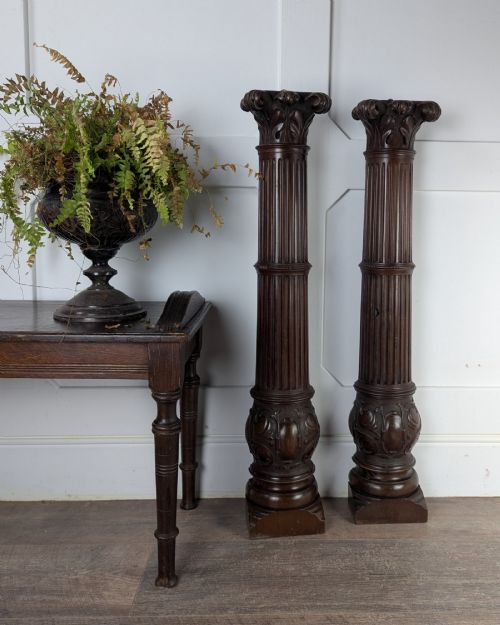
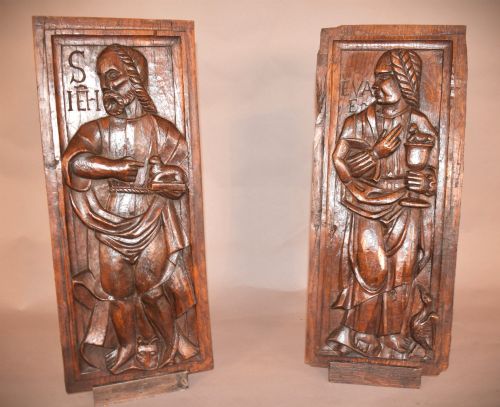
Buyers seeking dark wood architectural salvage most frequently encounter oak panels and carvings dating from the 17th and 19th centuries. Forms range from friezes and ceiling bosses to entire entrance screens and structural fragments.
What varies in quality
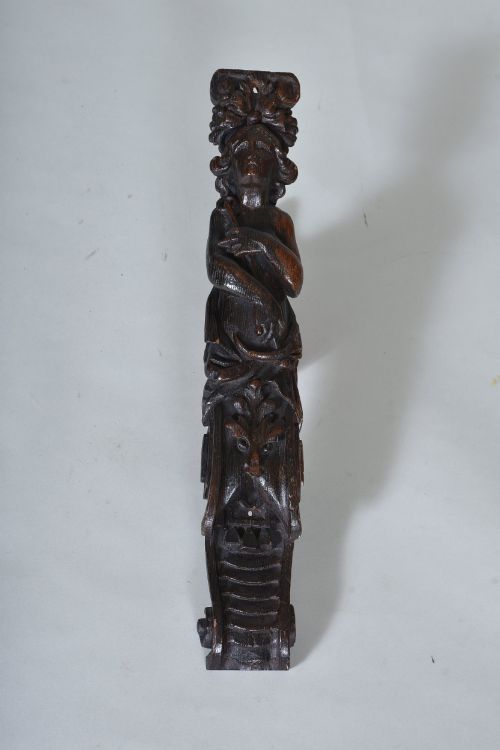
Depth and crispness of the hand carving distinguish finer examples from simpler vernacular work. The precision in anatomical proportions on figures like angels or lion heads marks the hand of a more accomplished carver.
Integrity of the original timber and the extent of later alterations affect the standing of a piece. Retaining original surfaces without excessive modern restoration preserves the historical weight of the artefact.
Edward Pearce
The Dark Wood Architectural Salvage Glossary
- Linenfold
- A style of wood panel carving resembling folded parchment or linen, common in Tudor and Elizabethan joinery.
- Overmantel
- A decorative panel, carving, or architectural framing placed directly above a fireplace opening or mantelpiece.
- Newel Post Finial
- An ornamental crowning detail fitted to the top vertical post of a staircase balustrade.
- Ceiling Boss
- A projecting block of carved wood placed at the intersection of ribbed vaulting or ceiling beams.
- Tracery
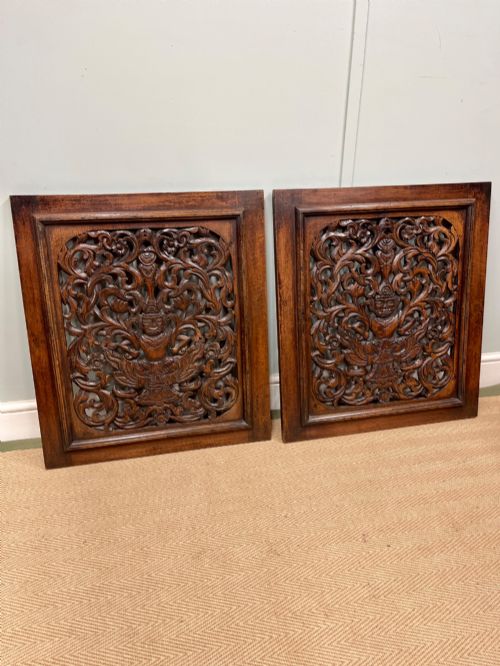
- Openwork pattern stonework or woodwork design, frequently seen in Gothic ecclesiastical architecture and furnishings.
Dark Wood Architectural Salvage: Frequently Asked Questions
How were salvage panels used originally?
Historic panels functioned as interior wall lining, screen partitions, or decorative overdoors within grand domestic and ecclesiastical buildings. They provided both insulation and visual display of status.
Over time, many of these elements were removed during architectural alterations and preserved as standalone decorative artworks or incorporated into later interiors.
Can these fragments be hung on walls?
Most solid wood panels, brackets, and carvings arrive ready for wall mounting using appropriate heavy-duty fixings suited to the weight of the timber. Professional assessment of the hanging surface ensures safe support.
Heavier architectural elements like entrance screens or large overmantels require structural backing and careful placement to bear their substantial mass.
How do I identify a 17th-century piece?
Seventeenth-century woodwork typically displays the darker patination of aged oak, hand- cut joinery marks, and characteristic motifs such as strapwork, geometric moulding, or deep relief carving. Tool marks left by primitive adzes and chisels provide key clues.
Comparing construction methods with dated examples helps confirm the period, though many items include later modifications from subsequent centuries.
How should I care for antique timber?
Maintain stable indoor humidity and temperature to prevent the historic hardwood from drying out, splitting, or warping over seasons. Direct sunlight should be avoided to protect the aged surface tone.
Apply a light application of traditional beeswax occasionally to nourish the grain, avoiding modern silicone-based polishes that damage antique finishes.