





Antique Maritime Sign
An antique maritime sign brings the rugged coast and historical shipping lanes directly into a room with weathered character.
Antique Maritime Sign
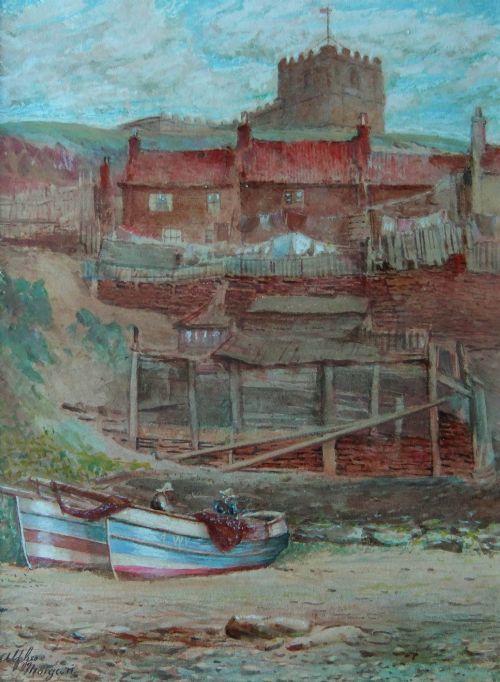
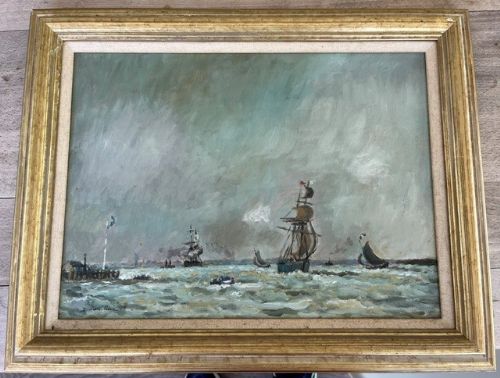
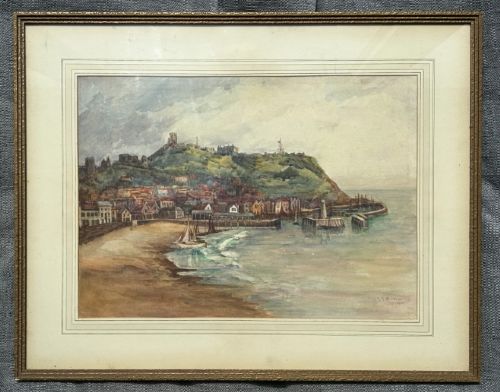
When searching for an antique maritime sign, a buyer encounters a distinct selection of coastal and nautical artefacts that span the nineteenth and twentieth centuries. These objects capture the visual heritage of harbours, trading vessels, and coastal life through painted works and functional pieces.
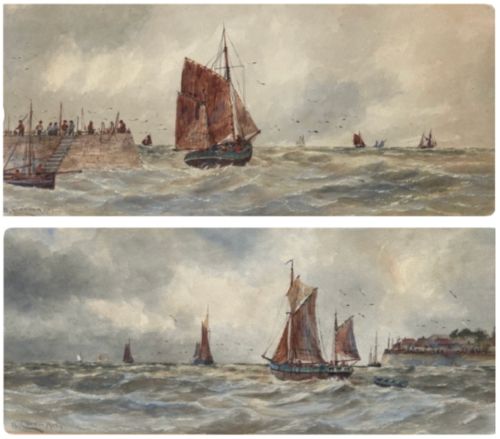
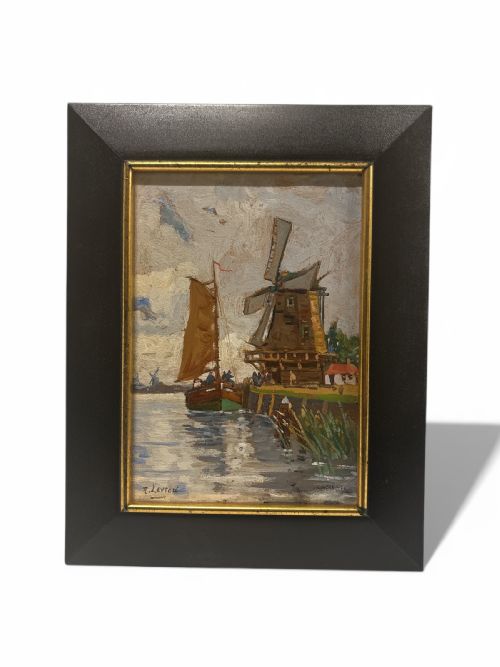
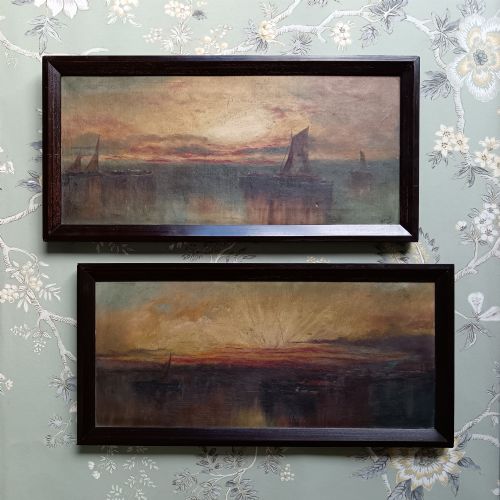
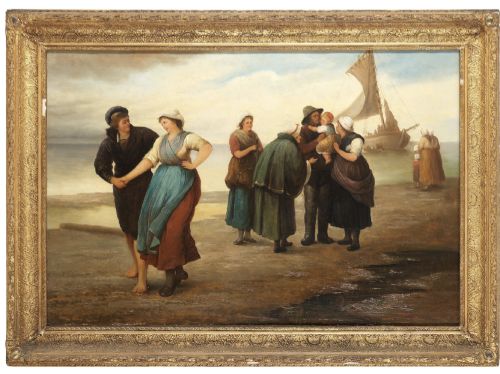
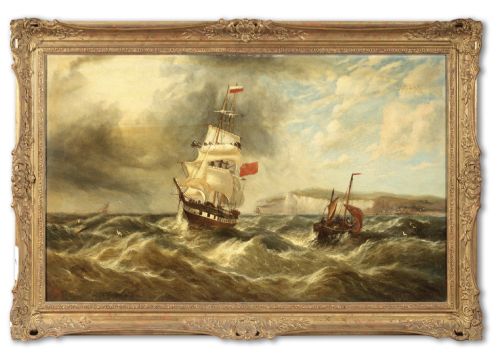
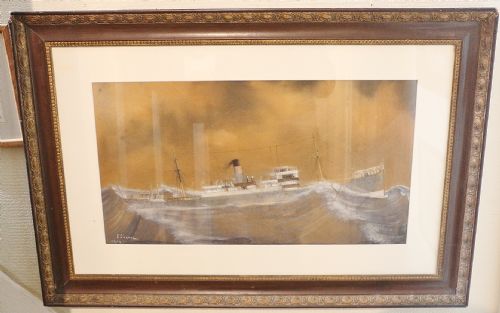
The items most frequently met on this page include framed watercolours, oil paintings on canvas and wood panel, alongside trade signs and specific nautical ephemera from periods such as the Edwardian era and the mid twentieth century.
Originating predominantly from British, French, and Dutch coastal traditions, these works document historical harbours, fishing boats, and sailing ships in varied maritime settings.
Materials and Technique
Makers utilised traditional supports such as canvas, wood panels, paper, and glass to capture coastal scenes and lettering. Pigments applied through watercolour, oil paint, ink, and impasto techniques define the surface texture of these works.
Gilt framing frequently houses these paintings and paper items, protecting the delicate mediums while complementing the nautical subject matter.
A humble fish auction bidders number sits shoulder to shoulder with grand Venetian canals and stormy seas.
Quality and Execution
The distinction between average pieces and superior examples rests in the handling of light, atmospheric movement, and the precision of the brushwork. Works by recognised marine artists demonstrate a deeper understanding of coastal topography and vessel construction.
Condition of the materials, stability of the pigments, and the integrity of the original framing significantly influence the overall standard of the survival.
James Orrock·William Cannon·R Leyton·B. Nash·William Banks Fortescue·John Rose Miles·William Lionel Wyllie·Bernard Benedict Hemy·F Corpuz·Alfred G. Morgan·F A Roylance·Thomas Bush Hardy·Tom Clough·William Tuck·T.S. Wallis·Pauwels·John Bell·Kate E Booth·Sam Bough·Frank Wood·Frank Wasley·William Knox·William Langley·S. J. Lamorna Birch
The Antique Maritime Sign Glossary
- Seascape
- A work of art depicting the sea, ships, or coastal views. This genre forms the core of nautical and maritime collections.
- Impasto
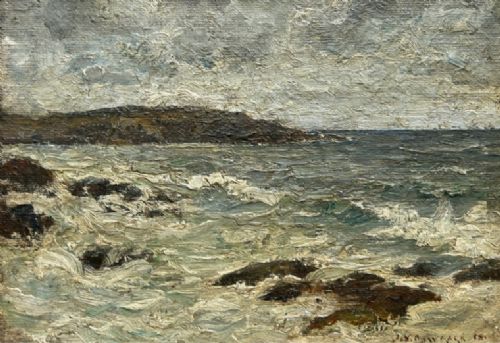
- Paint applied in thick layers that stand out from the surface. This technique adds tactile depth to crashing waves and stormy skies.
- Watercolour
- A painting method where paint is made of pigments suspended in a water-based solution. Paper serves as the primary support for these translucent maritime sketches.
- Etching
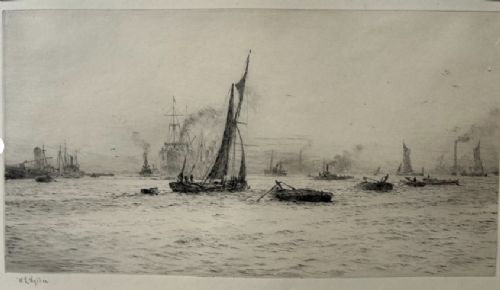
- A printmaking process where lines are incised into a metal plate with acid. Artists pull ink impressions from these plates to produce detailed maritime prints.
- Provenance
- The documented history of ownership of an object. Clear origin records add historical context to maritime paintings and signs.
Antique Maritime Sign: Frequently Asked Questions
What defines a maritime painting?
These works focus primarily on ships, harbours, coastal views, and the open sea. Artists from the nineteenth and twentieth centuries recorded the working life of the water through detailed observation.
Subjects range from calm Venetian canals and fishing docks to merchant ships navigating rough coastal waters.
How do I date these pieces?
Stylistic clues, artist signatures, and framing materials help establish the period of creation. Nineteenth-century works often favour traditional realism, while Edwardian and later pieces introduce broader impressionistic brushwork.
Inscribed dates on the reverse or front of the canvas provide the most direct evidence of age.
Where were these pieces made?
The inventory reflects strong maritime traditions across Britain, France, the Netherlands, and Australia. Coastal hubs such as Whitby, Scarborough, and St Ives served as primary subjects for local artists.
Foreign scenes from Venice and Dutch waterways also appear frequently within the available selection.
How should I display maritime art?
Protect these paper and canvas works from direct sunlight to prevent fading of watercolours and oil pigments. Original gilt frames require stable humidity levels to maintain their structural integrity.
Allow adequate wall space to let larger oil paintings and detailed etchings command the room.