





Dutch Baroque Wood Carving
Dutch baroque wood carving brings robust presence and intricate depth into a room, offering rich textures shaped by centuries of European craftsmanship.
Dutch Baroque Wood Carving
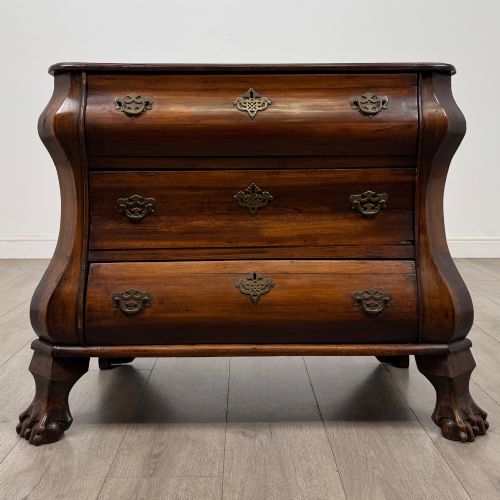
Dutch baroque wood carving encompasses substantial furniture and decorative objects originating across several centuries, with the seventeenth and eighteenth centuries forming the core of the aesthetic. Buyers searching for dutch baroque wood carving encounter items such as bombe chests of drawers, sculptural armchairs, side chairs, and carved side tables.
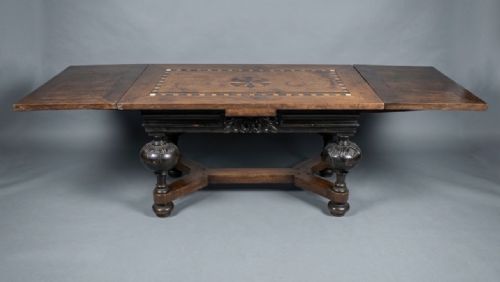
The pieces on this page also include bureau desks, wall mirrors, cabinets, draw leaf tables, and figural sculpture, spanning periods from the seventeenth century through to later revival movements in the nineteenth and twentieth centuries. These works reflect the stylistic developments of the Low Countries, incorporating related influences like Dutch Renaissance and Dutch Rococo alongside formal baroque mass.
Materials and Techniques
The makers of these items worked with dense timbers including oak, mahogany, Cuban mahogany, walnut, burr walnut, and rosewood, often combining structural elements with detailed surface ornamentation. Master carpenters employed techniques such as floral marquetry inlay, detailed sculptural carving, and brass hardware integration to construct robust chests, tables, and seating.
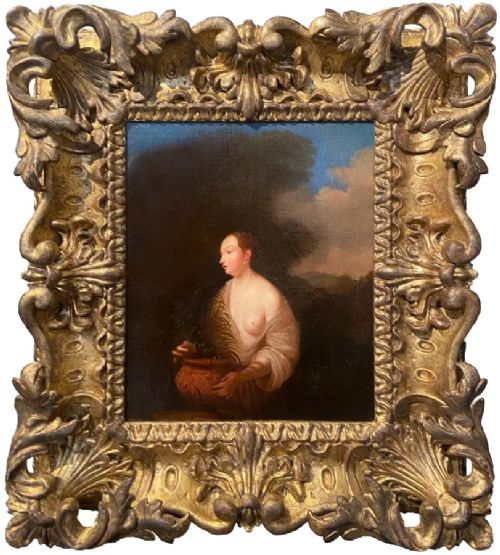
Surfaces were frequently polished to highlight the natural grain of the timber, while certain pieces incorporate applied paint finishes or oil on canvas elements as part of wider decorative schemes. The joinery relies on traditional methods appropriate for heavy hardwoods, ensuring structural stability alongside elaborate sculptural depth.
Dutch Baroque Wood Carving Retail Price Guide 2026
Typical asking prices for dutch baroque wood carving among the pieces listed under this phrase on Sellingantiques today, from the lower quarter to the upper quarter. They describe what is for sale here now, not the wider market.
One seventeenth-century creator carved a Corpus Christi so detailed you can almost hear the sawdust settle on the workshop floor.
Factors That Separate the Finest Pieces
The distinction between standard examples and the finest works rests upon the crispness of the chisel work and the depth of the relief carving. Superior pieces demonstrate confident handling of botanical and figural motifs, where every contour maintains deliberate proportion and clarity.
Material selection further defines quality, seen in the choice of figured veneers, richly grained solid timbers, and the integrity of the original construction. Balance between structural form and decorative embellishment marks the most successful items across both period originals and later revivals.
Toussaint Gelton·Sir Anthony Van Dyck
The Dutch Baroque Wood Carving Glossary
- Bombe
- A swelling, convex furniture profile that curves outward toward the base, commonly seen on chests of drawers and bureaux from this tradition. This bulbous form requires advanced woodworking skill to execute cleanly in solid timber and veneer.
- Marquetry
- The art of applying decorative pieces of veneer to a structure to form intricate patterns, such as floral arrangements. Craftsmen meticulously cut different woods to create contrasting pictorial surfaces.
- Draw Leaf Table
- A dining table equipped with pull-out extension leaves stored beneath the main top surface. This functional design allows the table length to adjust efficiently.
- Corpus Christi
- A representation of Jesus Christ specifically on the cross, often executed in carved wood during the seventeenth century. These devotional sculptures display anatomical detail and drapery studies.
Dutch Baroque Wood Carving: Frequently Asked Questions
How do I identify a true period piece?
Examine the timber selection, construction joints, and tool marks visible on the reverse or interior surfaces.
Period items display wear patterns and joinery methods consistent with historical workshop practices rather than modern replication.
Where should I place a bombe chest?
These sculptural chests suit principal reception rooms, hallways, or spacious bedrooms where their curved profiles can be appreciated from multiple angles.
Ensure adequate floor clearance so the swelling drawer fronts open without obstruction.
How do I care for carved wooden furniture?
Maintain stable indoor humidity levels and keep pieces away from direct heat sources to prevent the timber from splitting.
Dust regularly with a soft, dry cloth and apply appropriate natural waxes sparingly to nourish the wood surface.
What is the difference between baroque and revival pieces?
Seventeenth and eighteenth-century originals carry the direct stylistic idioms and structural ageing of their period of origin.
Revival items, produced during the nineteenth and twentieth centuries, reinterpret those earlier baroque forms using contemporary workshop standards.