




Folk Art Carved Panel
A folk art carved panel brings centuries of rustic hands and regional imagination straight onto your wall.
Folk Art Carved Panel
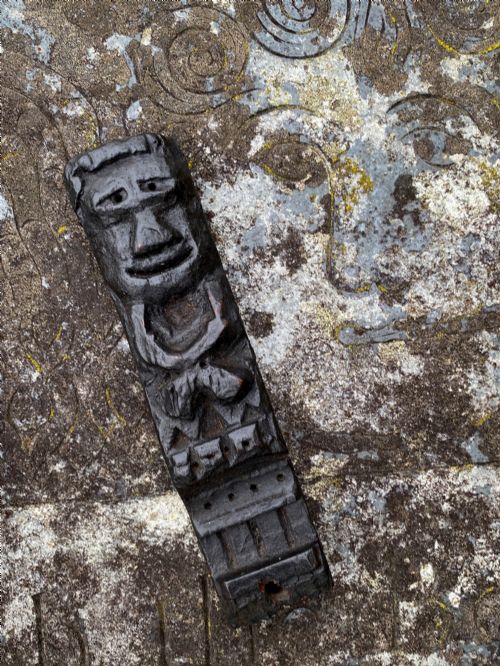
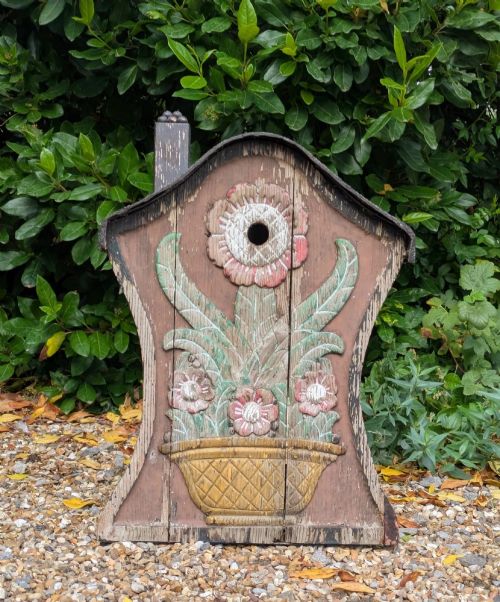
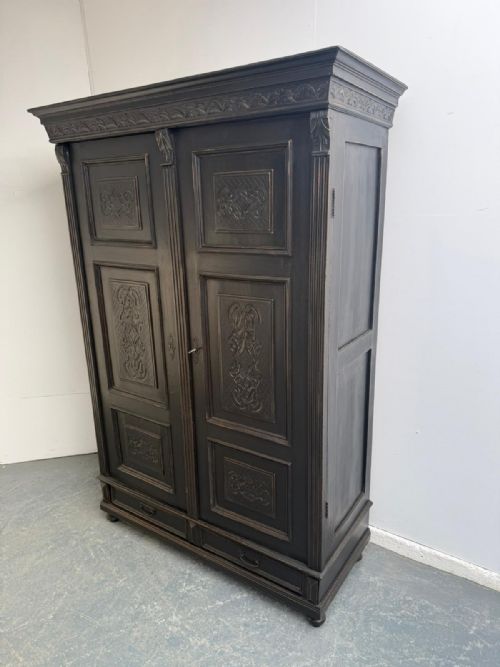
A folk art carved panel encompasses everything from architectural salvage and wall decor to whimsical bird boxes and fairground boards. You are most likely to meet 19th century and earlier pieces fashioned from sturdy oak, pine, and painted timber.
The range stretches across European traditions, including Scandinavian country, German, Italian, and Dutch Baroque styles alongside English fairground pieces. Subjects span religious figures, hunting scenes, animals, and spirited cart fragments.
These items function primarily as wall art and decorative wall panels, carrying the distinct cultural imprint of their makers into domestic spaces. Each piece balances utilitarian origins with expressive, untutored carving.
Materials and construction methods
Makers relied heavily on native hardwoods and softwoods like oak and pine, shaping panels with hand chisels and gouges. Chip carving and relief techniques allowed artisans to build texture and depth into flat wooden surfaces.
Many surviving examples retain original pigment and paint, adding vibrant colour to the underlying timber. Iron fixings and hardware frequently appear as functional elements or structural reinforcements.
Folk Art Carved Panel Retail Price Guide 2026
Typical asking prices for folk art carved panel among the pieces listed under this phrase on Sellingantiques today, from the lower quarter to the upper quarter. They describe what is for sale here now, not the wider market.
A crocodile shares a panel with a squirrel in the older oak archive.
Judging quality and character
Quality rests in the vigour and confidence of the chisel work, where spirited execution outweighs academic precision. Untutored does not mean unskilled, and the best carving possesses an immediate, striking presence.
The preservation of original surface finishes, such as historic pigment or patinated timber, elevates a piece significantly. Retaining early fixings and context enhances the authenticity of architectural fragments and fairground boards.
The Folk Art Carved Panel Glossary
- Chip carving
- A style of carving where small chips are removed from a flat wooden surface in geometric patterns. It appears frequently on early domestic boards and utensils.
- Relief painting
- A technique combining carved wooden dimension with applied pigment or paint. This approach brings narrative scenes and figures into vivid colour.
- Fairground folk art
- Decorative boards and ride panels produced for entertainment venues during the nineteenth and twentieth centuries. These pieces often feature bold lettering, targets, or animal motifs.
- Architectural salvage
- Elements rescued from older buildings, including doors, panels, and fragments. These items find new life as interior wall art.
- Primitive carving
- Work executed outside formal academic traditions, prioritising expressive forms over proportion. It forms the core of vernacular collecting.
Folk Art Carved Panel: Frequently Asked Questions
Where should I hang a carved panel?
These pieces suit living rooms, hallways, or studies where their texture can be appreciated at close range. Plain walls provide the best backdrop for their strong visual character.
Ensure fixings match the weight of dense timbers like oak. Hanging them away from direct heat sources protects the old wood and historic paint.
How do I care for painted wood?
Dust gently with a soft, dry brush to preserve fragile historic pigments. Avoid modern cleaning products and moisture.
Stable indoor humidity prevents the timber from warping or cracking. Treat the surface with respect for its age.
Are these panels all British?
The selection includes strong regional traditions from across Europe, including Dutch, German, Scandinavian, and Italian workshops. Each origin brings distinct stylistic motifs.
English fairground pieces sit alongside continental religious carvings and domestic oak panels. This variety reflects the broad definition of vernacular art.
How do I date a wooden panel?
Tool marks, wood species, and style offer strong clues to a piece's age. Chip carved oak often points towards the seventeenth century, while brighter pigments suggest later periods.
Wear patterns and structural construction help confirm authenticity. Comparing pieces to dated examples remains the most reliable guide.