
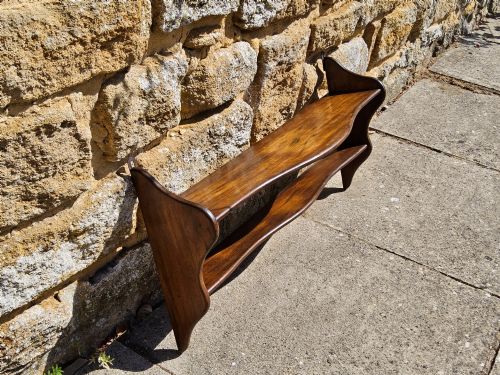
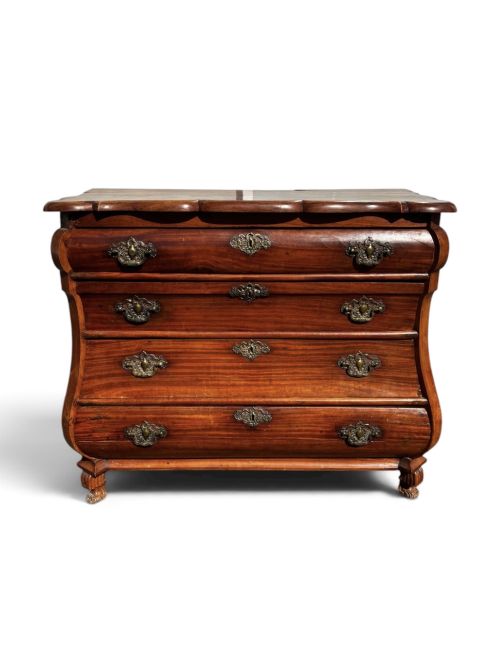
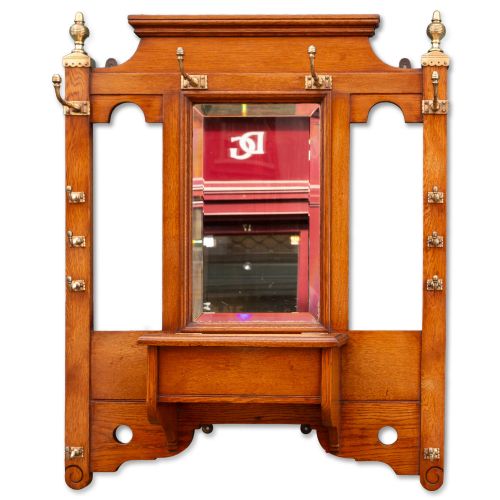
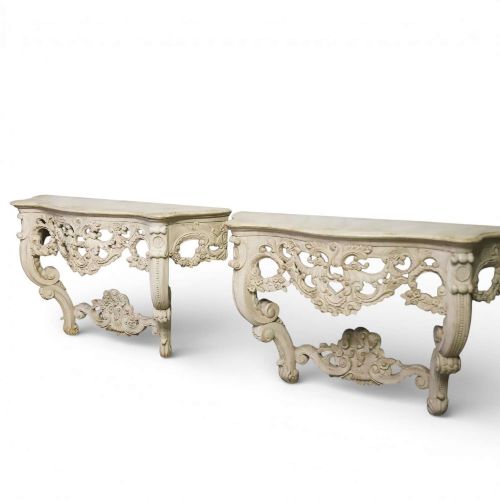
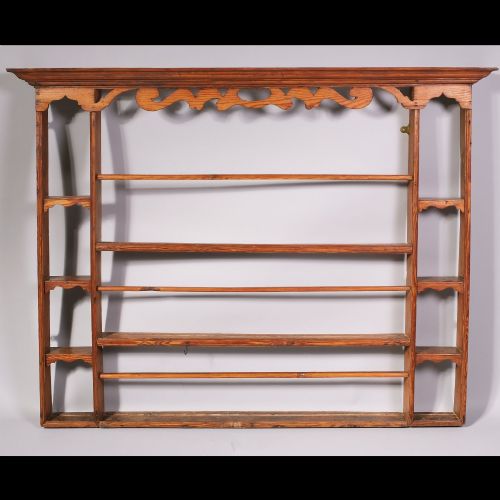
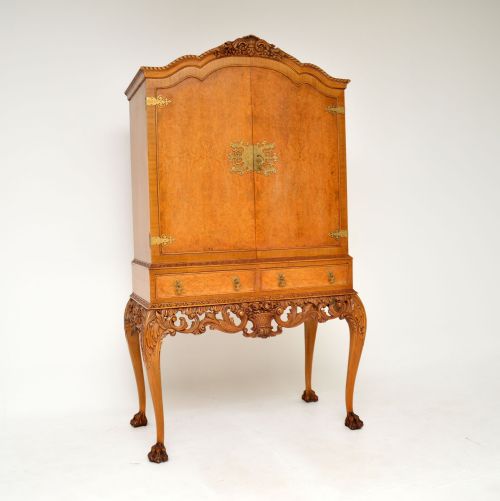
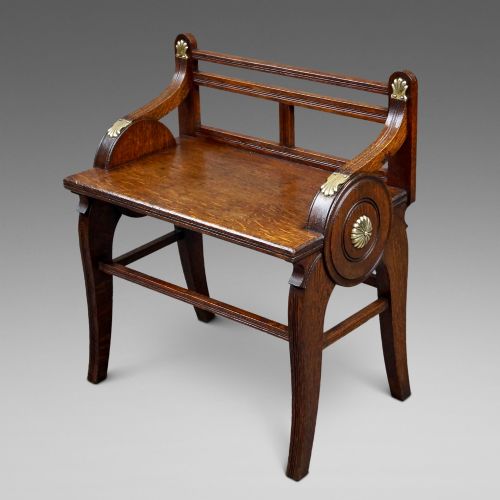
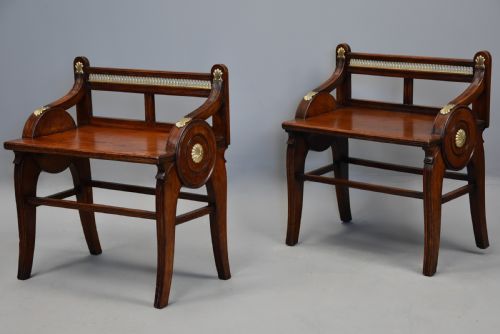


Carved Wooden Furniture Mount
These carved wooden furniture mount pieces are ornamental architectural elements that add immediate depth and historical character to a room.
Carved Wooden Furniture Mount
A carved wooden furniture mount functions as an architectural or decorative accent applied to larger wooden pieces, ranging from cabinets to beds. Buyers seeking a carved wooden furniture mount find items originating across several centuries, with nineteenth and eighteenth century examples appearing frequently alongside later twentieth century iterations.
The selections span distinct stylistic influences including Georgian, Victorian, and Jacobean traditions. These ornaments often manifest as terminals, caryatids, or terms salvaged from larger schemes or created specifically to enhance timber surfaces.
The inventory demonstrates variety in underlying forms, pairing carved elements with robust timbers like oak, walnut, and mahogany. Identifying the correct period involves examining the crispness of the carving and the alignment of the grain with historical joinery techniques.
Materials and Methods
Artisans typically carved these mounts from dense hardwoods such as oak, walnut, and mahogany, utilising hand chisels and gouges to achieve high relief and intricate detail. These timbers offered the structural stability required for intricate undercutting without splintering.
Finishing methods involved hand waxing, polishing, or occasionally applying painted surfaces to complement the primary furniture piece. Brass and ormolu mounts were sometimes integrated alongside the timber elements to provide contrasting metallic highlights.
Current listings feature oak, walnut, and mahogany alongside brass mounts from the seventeenth century to the nineteen thirties.
Assessing Quality and Execution
The distinction between standard production and superior craftsmanship lies in the depth of the carving and the fluidity of the form. Finer examples display undercut elements and naturalistic asymmetry where appropriate, whereas lesser pieces rely on shallow surface incisions.
The integrity of the timber also dictates value, with well-seasoned hardwoods showing minimal splitting despite age and environmental shifts. Original surfaces and patination that tell a clear age story separate untouched antique examples from later reproductions.
James Shoolbred and Co·Gabriel Viardot
The Carved Wooden Furniture Mount Glossary
- Caryatid
- A sculpted female figure serving as an architectural support taking the place of a column or pilaster. These figures often appear as structural or decorative terminals on antique cabinetry.
- Term
- A pedestal or support that tapers toward the base, frequently surmounted by a carved human bust or head. They provide classical architectural framing on case pieces and larger furniture.
- Ormolu
- Gilded bronze applied to furniture and decorative objects for ornate enrichment. This technique creates a rich metallic contrast against dark hardwoods like mahogany and kingwood.
- Patina
- The surface sheen and coloration developed through age, handling, and waxing over many decades. It serves as a primary indicator of genuine antique status.
Carved Wooden Furniture Mount: Frequently Asked Questions
How do I mount these safely?
Secure the piece using discreet brass brackets or direct rear screw fixings suited to your wall type. Ensure the weight distributes evenly across structural studs rather than relying solely on plasterboard.
Consult a professional restorer if the piece retains delicate original carving or brittle historical fixings. Proper anchoring protects both the antique timber and your interior wall space.
What periods do these come from?
The available pieces span from the seventeenth century through to the early twentieth century. Key eras represented include the Georgian, Victorian, and Edwardian periods.
Earlier examples display hand-cut tool marks and heavier oak construction. Later pieces often incorporate lighter hardwoods and machine-assisted finishing techniques.
How should I clean antique wood?
Dust the surface regularly with a soft, dry lint-free cloth to prevent particulate buildup in carved crevices. Avoid modern silicone-based sprays that can penetrate and soften historical beeswax finishes.
Apply a microcrystalline wax sparingly once or twice a year to nourish the timber. Buff gently with a clean brush to maintain the natural lustre without removing the patina.
Can these be used outdoors?
These items are strictly intended for interior display and domestic environments. Variations in temperature and moisture will warp historical timber and degrade carved details.
Keep them away from direct sunlight and strong heat sources like radiators to prevent splitting. Stable indoor humidity preserves the structural integrity of the wood.