
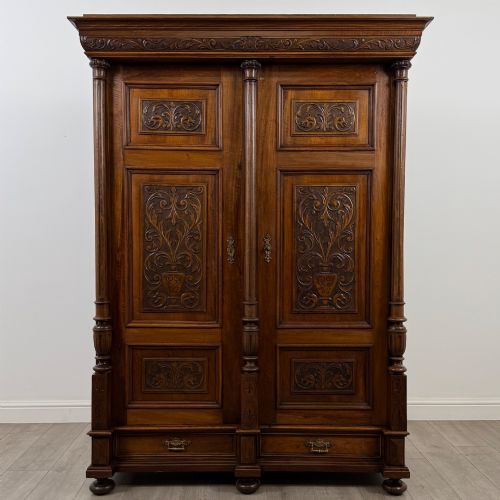
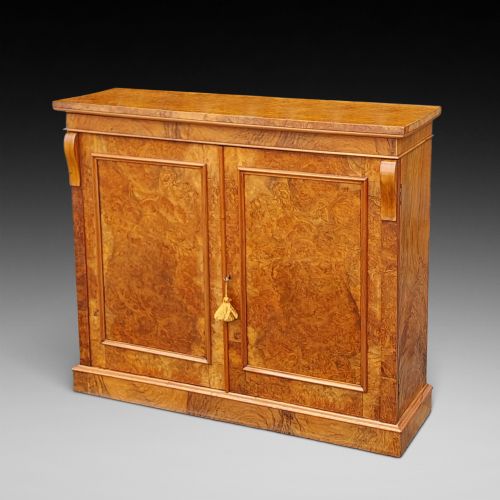
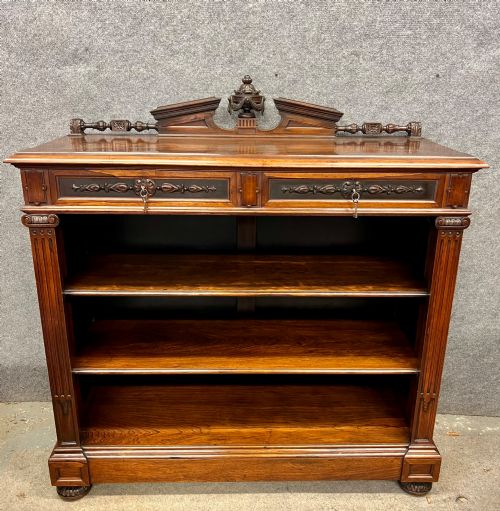
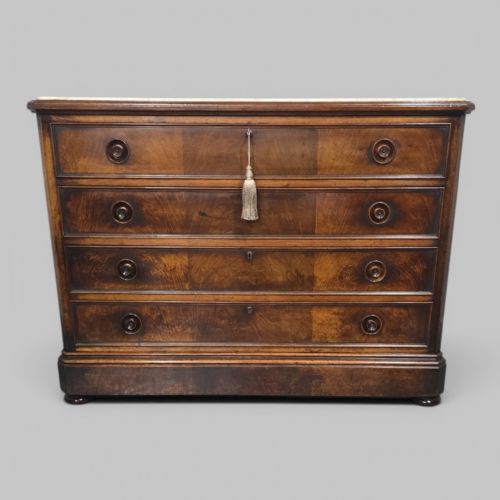
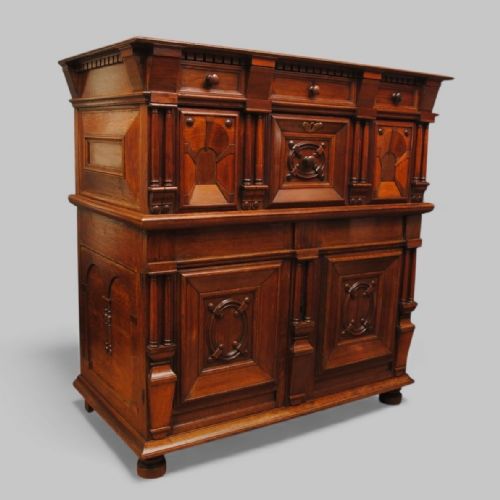


Dark Walnut Storage Cabinet
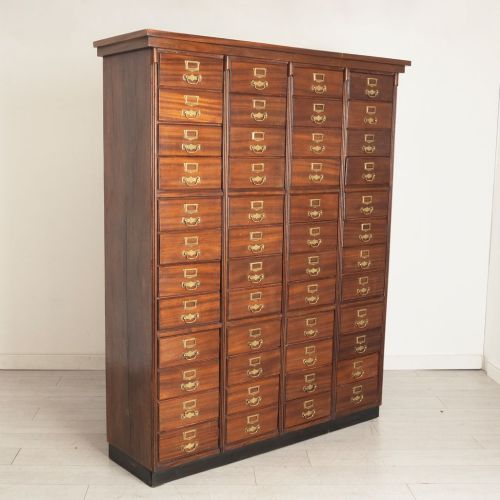
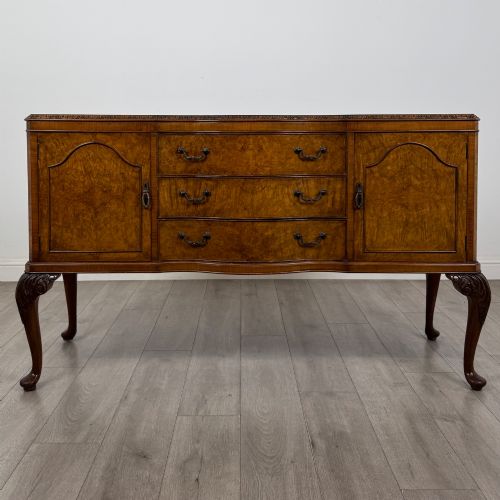
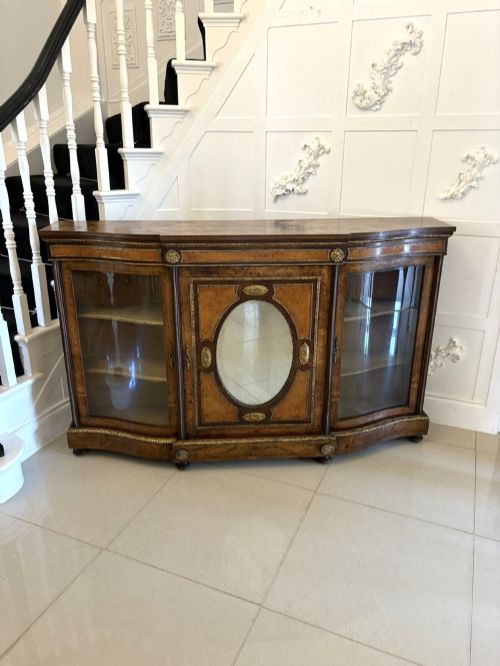
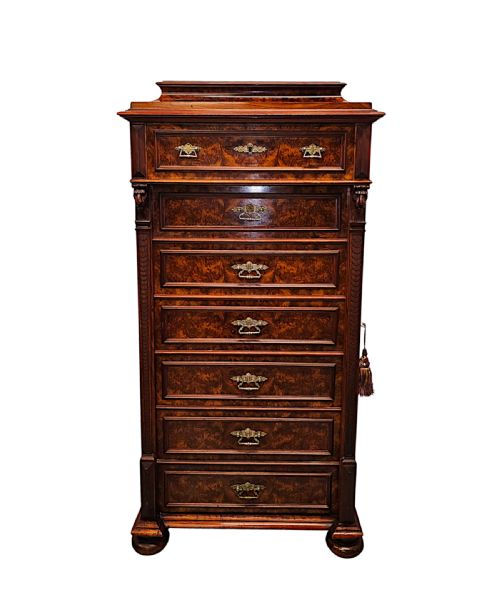
A dark walnut storage cabinet brings rich timber grain and historic utility into a room.
Dark Walnut Storage Cabinet
When searching for a dark walnut storage cabinet, buyers encounter a diverse selection of antique furniture spanning several centuries. The pieces range from substantial 17th century Italian cupboards and 18th century French commodes to Victorian credenzas, sideboards, and bedside cabinets.
Most examples found on this page date from the 18th and 19th centuries, reflecting durable craftsmanship in various regional styles. Forms vary widely from tall chests of drawers and bookcases to compact bedside tables and armoires.
Makers utilised dark walnut and burr walnut timber to construct functional storage units for domestic interiors. These cabinets frequently feature brass hardware, marble tops, or contrasting ebonised wood details.
Distinctions in Quality and Craftsmanship
Quality in these storage pieces depends heavily upon the selection of timber veneers and the precision of the cabinetmaker's joinery. Finely figured burr walnut and intricate parquetry distinguish superior examples from simpler, plain timber constructions.
The sophistication of carved ornamentation and the integration of secondary materials like brass mounts, marble tops, or ebonised details elevate a piece's execution. Original hardware and sound structural integrity further separate the finest regional cabinets from standard domestic furniture.
Dark Walnut Storage Cabinet Retail Price Guide 2026
Typical asking prices for dark walnut storage cabinet among the pieces listed under this phrase on Sellingantiques today, from the lower quarter to the upper quarter. They describe what is for sale here now, not the wider market.
Listings feature walnut, burr walnut, oak, and fruitwood alongside decorative additions of marble, brass, glass, and iron.
Gordovil Spain
The Dark Walnut Storage Cabinet Glossary
- Burr walnut
- A highly figured timber veneer derived from the abnormal growth knots of a walnut tree. It produces swirling, decorative grain patterns prized by cabinetmakers.
- Credenza
- A sideboard or display cabinet originating in Italy, commonly standing low to the ground with doors and drawers. Victorian examples often incorporate elaborate brass or ormolu mounts.
- Commode
- A low chest of drawers or cabinet originating in France, frequently fitted with a marble top during the 18th and 19th centuries.
- Parquetry
- A geometric mosaic of wood veneers arranged in decorative patterns on furniture surfaces. It appears on tabletops and cabinet doors from the Edwardian era onwards.
- Tambour
- A flexible sliding shutter formed from narrow strips of wood glued to canvas, allowing access to small compartments in nightstands and desks.
Dark Walnut Storage Cabinet: Frequently Asked Questions
What periods do these cabinets represent?
The selection spans pieces originating from the 17th, 18th, 19th, and early 20th centuries. Examples include 17th century Italian Baroque cupboards and 18th century French commodes alongside Victorian and Edwardian iterations.
Buyers will find that construction dates and regional styles dictate the overall aesthetic, ranging from Gothic Revival sideboards to Art Deco wall cabinets.
How do I identify burr walnut timber?
Burr walnut displays distinctive, swirling grain patterns caused by knot formations in the tree. Furniture makers sliced this wood into thin veneers to cover larger surfaces on cabinets and chests.
This decorative veneer creates a mottled appearance that contrasts sharply with straight-grained plain walnut.
Where were these cabinets used historically?
These storage pieces served various domestic functions across European households. Smaller bedside cabinets and nightstands sat within sleeping quarters, whilst large commodes, sideboards, and credenzas furnished dining rooms and formal salons.
Tallboys and armoires provided essential clothing storage in bedchambers before fitted wardrobes became standard.
How should I care for antique walnut?
Maintain walnut furniture by keeping it away from direct heat sources and strong sunlight, which can dry out the timber and fade the finish. Dust surfaces regularly with a soft, dry cloth.
Avoid silicone-based polishes and apply traditional beeswax sparingly to preserve the historic lustre of the wood.