
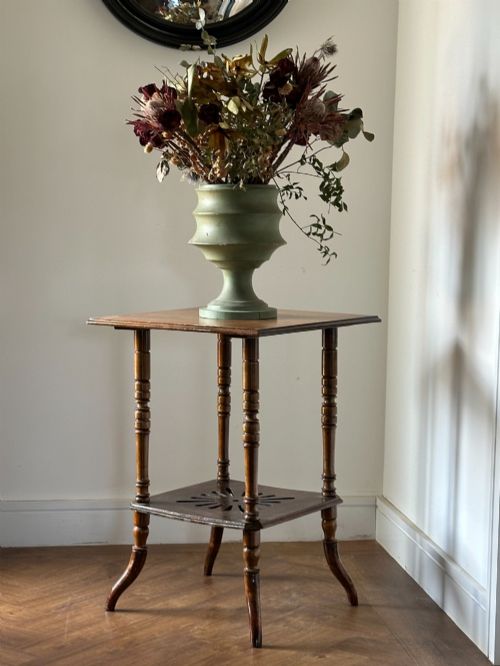

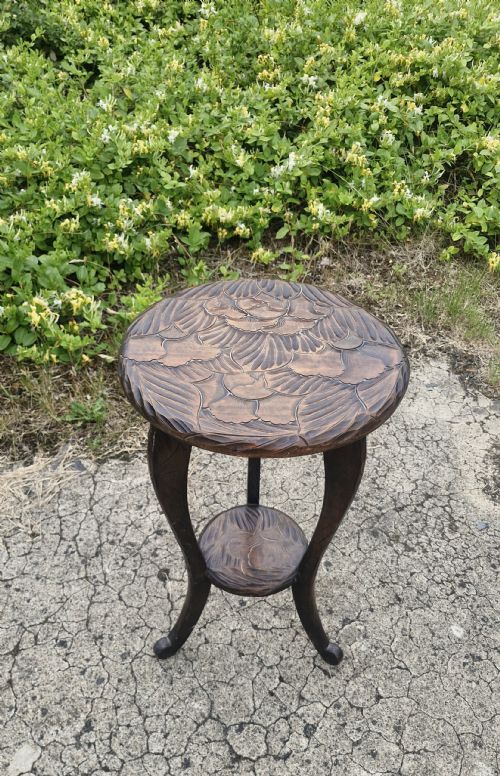
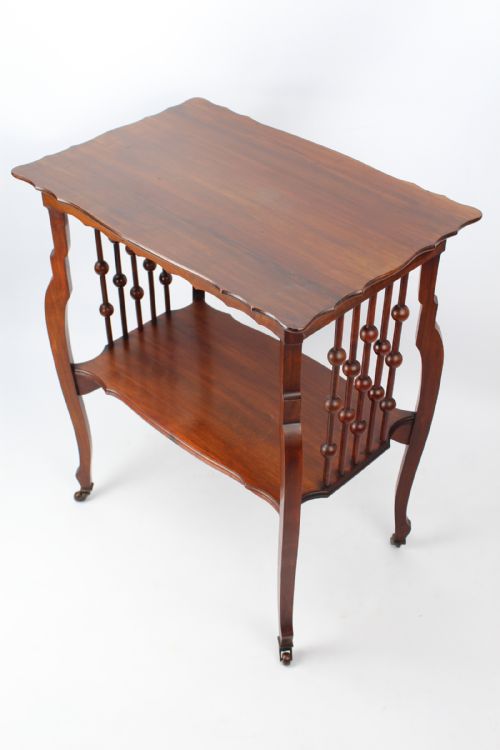





Dark Walnut End Table
A dark walnut end table brings rich timber grain and compact utility to a room, offering surface space beside a chair or bed.
Dark Walnut End Table
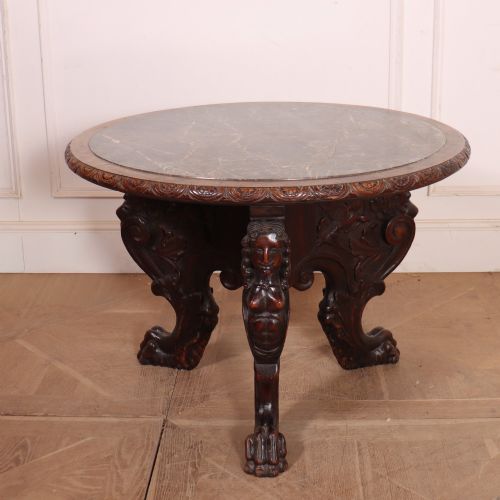
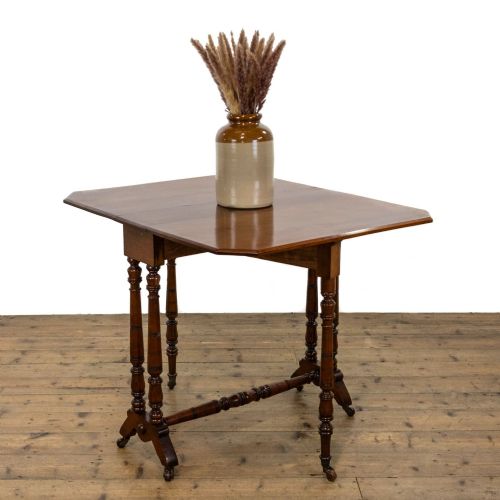
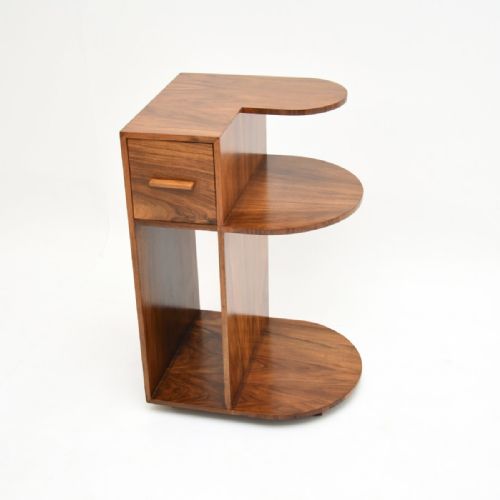
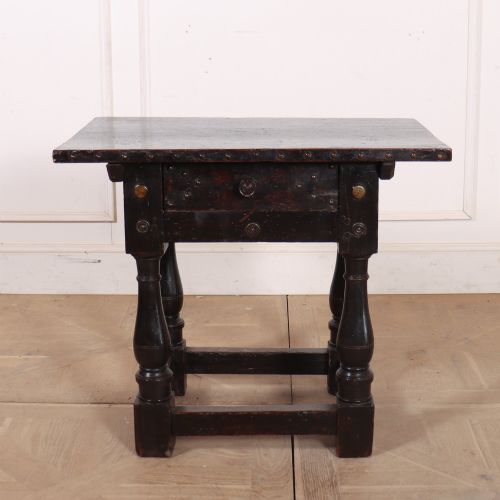
When you search for a dark walnut end table, you encounter a variety of compact surfaces built from walnut, walnut veneer, and carved wood, ranging from side tables to occasional and bedside pieces. These items span periods from the eighteenth century through the Victorian era and into the Art Deco years of nineteen thirty.
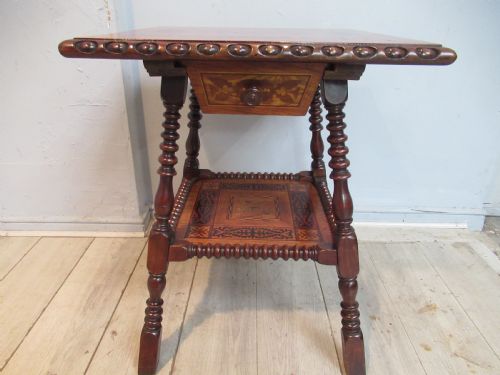
The pieces on this page emerge from diverse origins and styles, including Italian Baroque, French Revival, Aesthetic Movement, Syrian and Moorish Revival, and Arts and Crafts. You are most likely to meet nineteenth-century side tables and occasional tables, often featuring two tiers or carved details alongside simpler rustic formats.
How they were made
Makers shaped these items primarily from solid walnut and walnut veneer, applying carving techniques to timber surfaces. Workshops occasionally incorporated brass, marble, ceramic, iron, and metal fittings to support structural elements and ornamentation.
Construction methods varied from rustic eighteenth-century joinery to refined nineteenth-century turning and twentieth-century figured veneer application. Craftsmen built multi-tiered occasional tables and drawer-fitted formats using traditional cabinetry joints suited to the dense timber.
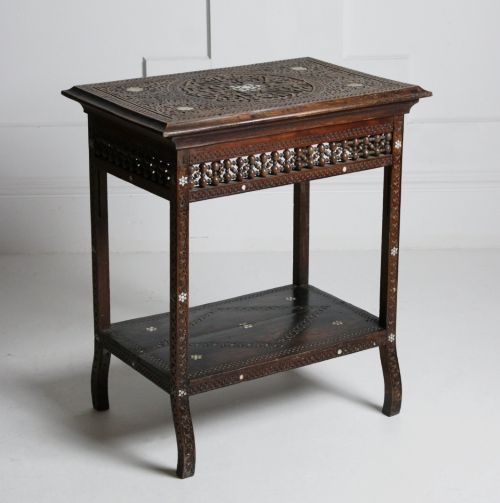
One nimble occasional table arrives ready to hold your evening tea after surviving travels from nineteenth-century Syria.
What varies in quality
Quality rests in the selection of the timber, particularly the use of figured walnut veneer and the crispness of carved wood details. Tables displaying deliberate stylistic commitments, such as specific regional revivals or disciplined Arts and Crafts execution, separate themselves from basic utilitarian forms.
The integrity of secondary materials, including brass fittings, marble inserts, and tiered supporting structures, dictates the refinement of the piece. Superior examples maintain balanced proportions across smaller bedside formats and two-tier occasional tables.
Liberty's·E.W Godwin
The Dark Walnut End Table Glossary
- Walnut
- A dense, dark hardwood prized for rich grain patterns and durability in antique furniture. It serves as the primary material across eighteenth-century and Victorian examples.
- Walnut Veneer
- A thin layer of figured walnut applied over a secondary wood core to display decorative grain patterns. This technique appears frequently in Art Deco pieces.
- Occasional Table
- A light, movable small table designed for flexible placement in a room. These formats often feature two tiers.
- Sutherland Table
- A narrow drop-leaf table with hinged flaps that fold down vertically. The Victorian walnut version listed here utilises this space-saving mechanism.
- Two Tier
- A furniture format incorporating a main tabletop and a lower shelf for storage or display. This configuration is common among nineteenth-century occasional tables.
Dark Walnut End Table: Frequently Asked Questions
What is a dark walnut end table used for?
These pieces function as bedside tables, lamp stands, or side surfaces for holding small objects next to seating.
Their compact footprints allow them to fit into tight spaces while providing a functional timber surface.
How do I identify an eighteenth-century table?
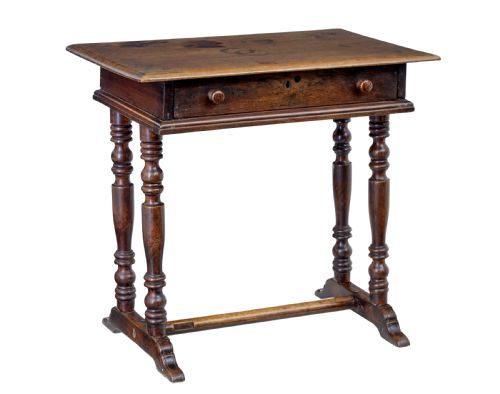
Eighteenth-century examples often display rustic construction methods, simpler joinery, and heavy solid walnut timber.
They lack the machine-cut precision of later periods and frequently feature straightforward drawer designs.
What distinguishes Art Deco tables?
Art Deco pieces from nineteen thirty rely heavily on figured walnut veneer to create striking geometric grain patterns.
They generally present smoother, more streamlined silhouettes compared to ornate Victorian or revival styles.
How do I care for walnut furniture?
Maintain walnut surfaces by keeping them away from direct sunlight and extreme humidity fluctuations to protect the timber and veneer.
Dust regularly with a dry cloth and avoid harsh chemical polishes that can degrade the antique finish.