




Dark Walnut Desk Cabinet
A dark walnut desk cabinet combines a writing surface with secure storage, offering a traditional workspace built in rich timber.
Dark Walnut Desk Cabinet
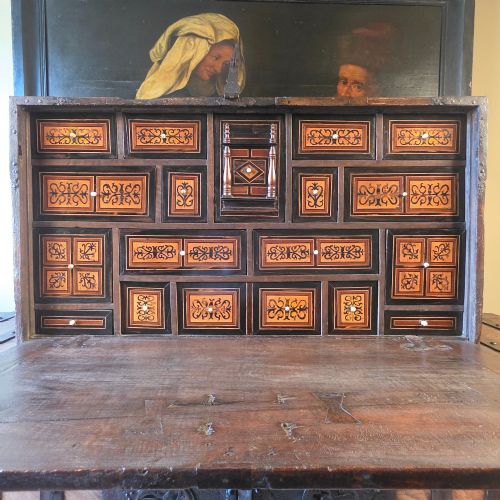
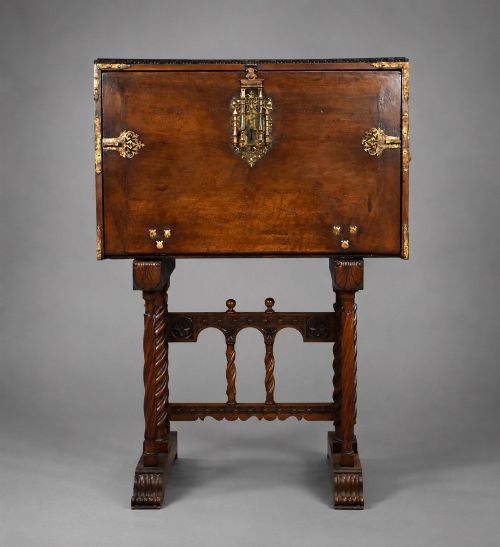
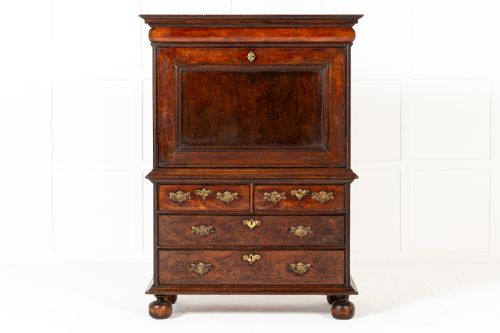
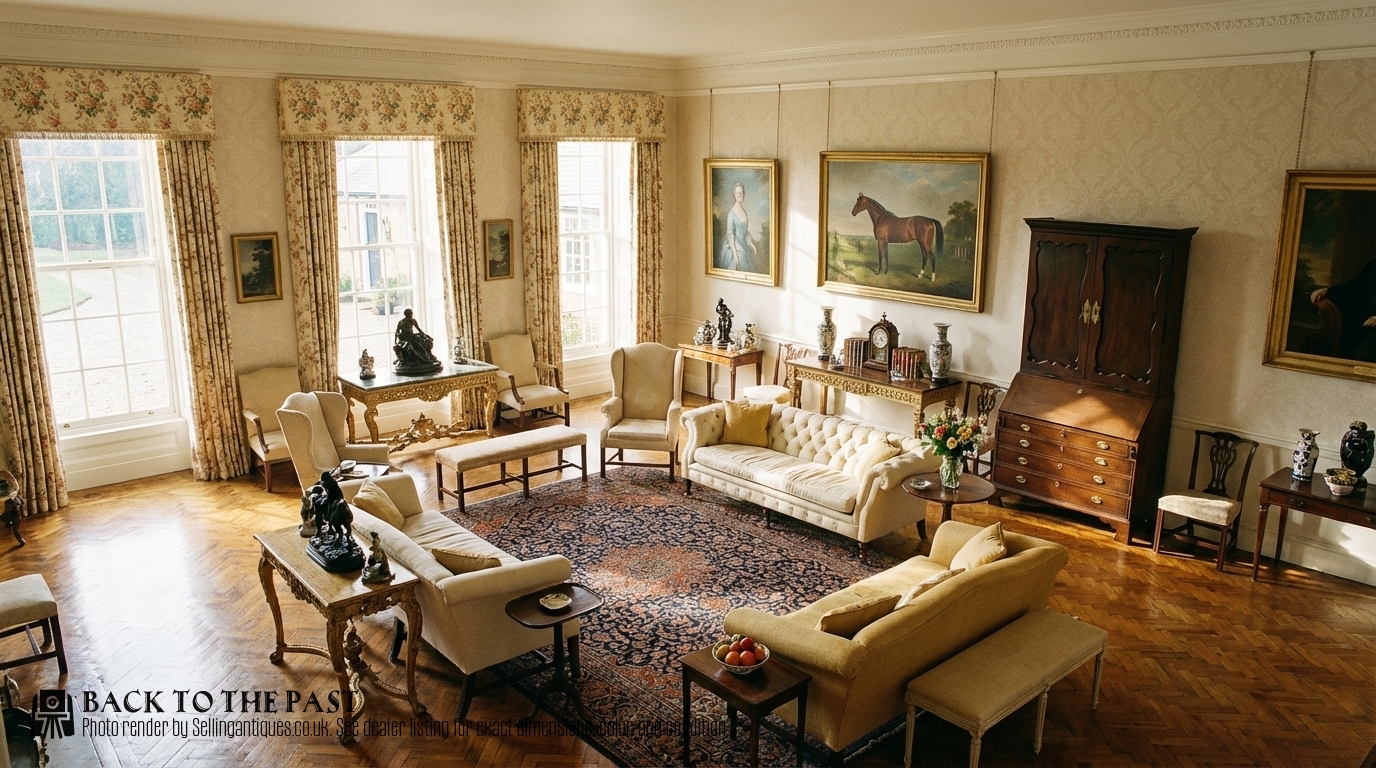
A dark walnut desk cabinet brings together centuries of form, ranging from seventeenth-century Spanish and English vargueno pieces to eighteenth-century bureau bookcases and Victorian secretaire designs. You will encounter works spanning seventeenth-century, eighteenth-century, and Victorian periods, alongside later twentieth-century interpretations.
The objects take many forms, including bureau bookcases, writing cabinets, secretaire bookcases, and compact tabletop bargueno chests on stands. These pieces function as writing desks, storage chests, and display cabinets all in one frame.
Materials and construction
Walnut, burr walnut, and fruitwood form the primary carcass structures, often enhanced with marquetry, inlay, and brass hardware. Secondary timbers such as oak support internal drawers and backboards.
Joinery methods reflect the period of manufacture, utilising traditional dovetailing for drawers and mortise and tenon joints for frames. Surface finishes rely on historic polishing techniques that highlight the grain and deep tone of the wood.
The listings span seventeenth-century, eighteenth-century, Victorian, and mid-twentieth-century periods, constructed primarily in walnut, burr walnut, and oak.
Assessing quality and construction
The calibre of a piece rests on the selection of timber veneers, where highly figured burr walnut or intricate marquetry elevates the visual impact. Crisp carving on stands and mouldings distinguishes finer examples from simpler workshops.
Originality of internal fittings, such as small drawers, pigeonholes, and locking mechanisms, dictates the integrity of the object. The survival of period brass handles and escutcheons adds significantly to the character of the piece.
The Dark Walnut Desk Cabinet Glossary
- Vargueno
- A traditional Spanish cabinet with a drop-front writing flap enclosing numerous small drawers. It typically sits upon a dedicated wooden stand.
- Secretaire
- A piece of furniture containing a built-in writing drawer or drop-front flap that conceals a desk interior. It combines storage with a pull-out writing surface.
- Bureau bookcase
- A tall cabinet comprising a slant-front desk lower section beneath an upper shelved bookcase. This form provides dual storage and workspace.
- Marquetry
- Decorative veneer patterns formed by fitting together small pieces of wood, bone, or ivory into wood panels. It creates pictorial or geometric surface designs.
Dark Walnut Desk Cabinet: Frequently Asked Questions
What is a dark walnut desk cabinet?
A dark walnut desk cabinet is an enclosed writing piece made from walnut timber, designed to conceal a workspace behind doors or a drop-front flap.
These items range from seventeenth-century Spanish and English cabinets on stands to eighteenth-century bureau bookcases and Victorian secretaire models.
How were these cabinets used originally?
Owners utilised them for correspondence, storing private documents, and keeping account books under lock and key.
The fitted interior compartments held inkwells, quills, and stationery, while the drop-front provided a stable writing surface.
How do I care for walnut furniture?
Keep the wood away from direct sunlight and steady heat sources to prevent the walnut veneer from drying and splitting.
Apply traditional beeswax polish sparingly and buff with a soft cloth to maintain the natural sheen of the surface.
How can I tell the period of a cabinet?
Examine the construction of the internal drawers, secondary woods, and the style of the hardware or stands.
Seventeenth-century examples often feature elaborate stands and heavy iron mounts, whereas eighteenth-century versions rely on fitted bureau interiors and fine veneers.