


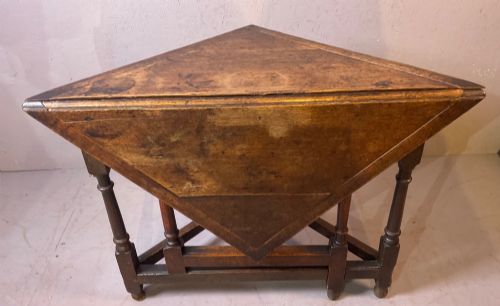
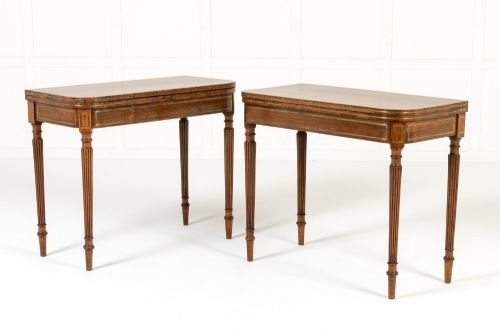
Dark Top Console Table
A dark top console table brings architectural weight and a reliable surface to a hallway or drawing room.
Dark Top Console Table
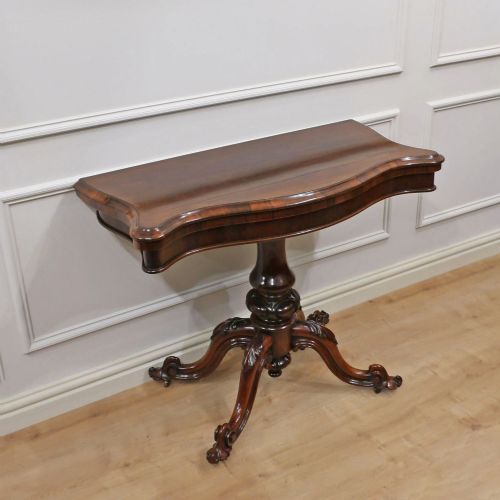
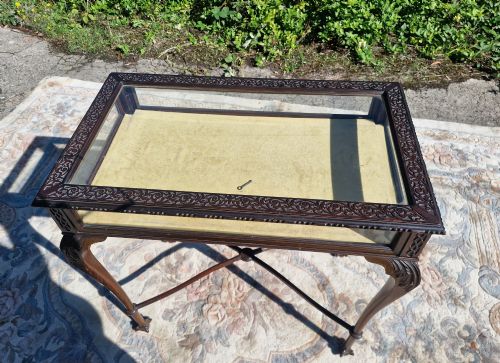
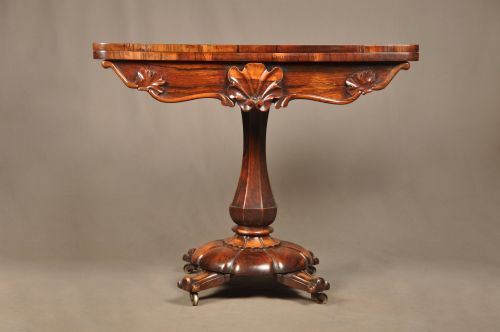
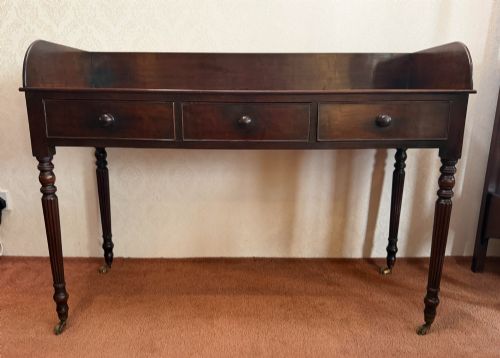
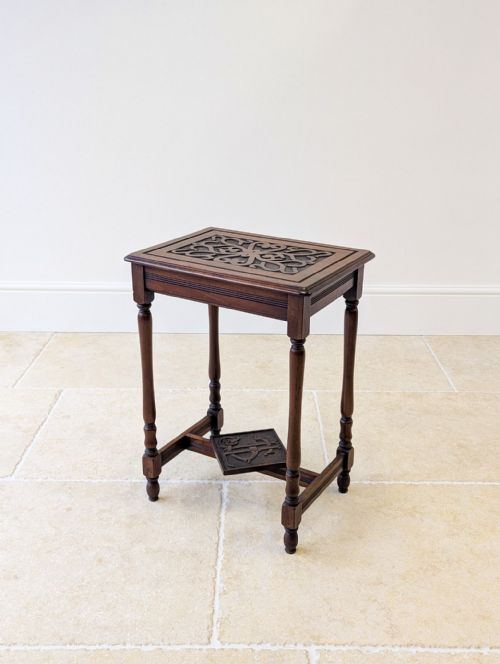
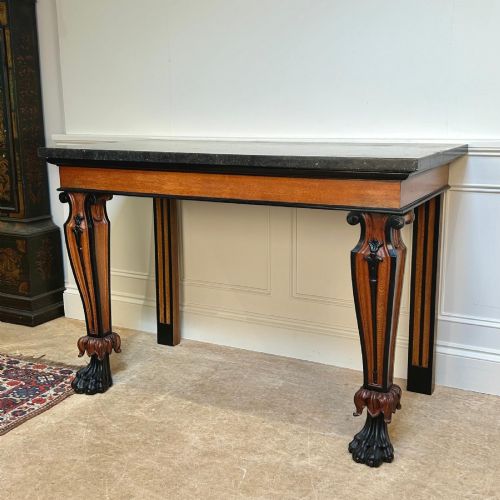
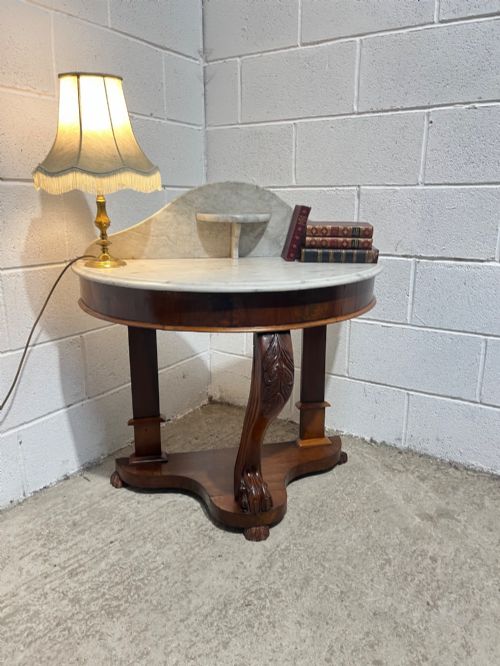
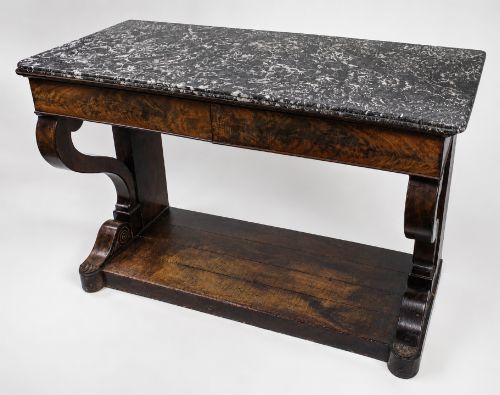
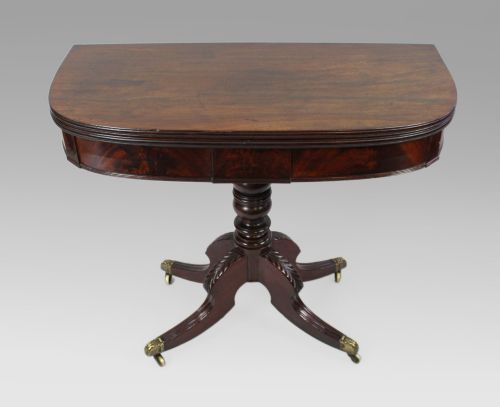
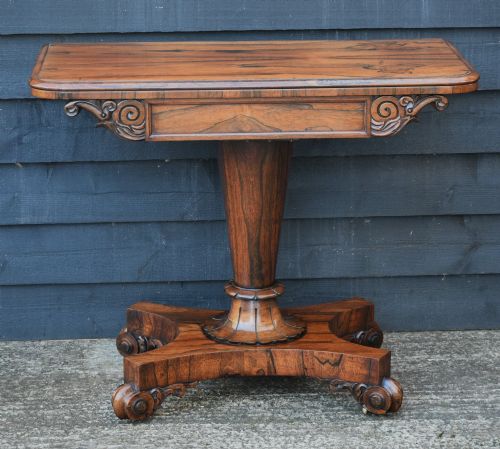
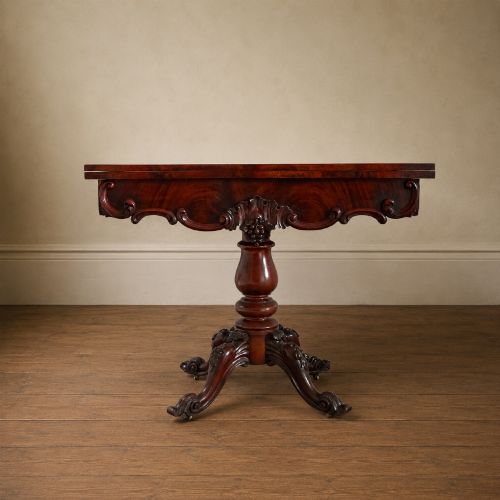
A dark top console table provides a solid timber or stone surface supported against a wall, drawing the eye with rich contrast. When searching for a dark top console table, you encounter diverse forms ranging from Georgian mahogany side pieces to nineteenth century rosewood card tables and marble topped French servers.
The materials span dense timbers like mahogany, rosewood, walnut and oak alongside contrasting marble and iron. Pieces found here emerge from Georgian, Regency, Victorian, William IV and Edwardian periods, frequently functioning as card, tea or writing tables with fold over or fixed tops.
How they were made
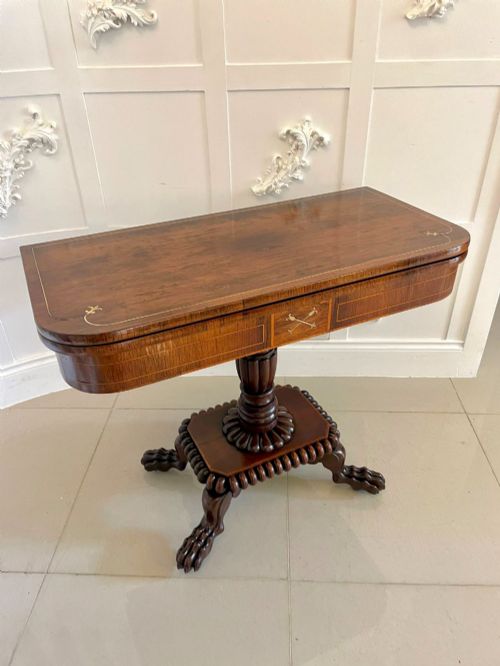
Cabinetmakers constructed these tables using dense tropical and native hardwoods such as Cuban mahogany, rosewood and walnut, often laid over sturdy oak or deal carcases. Surfaces frequently feature figured veneers chosen for their swirling grain patterns, sometimes enhanced by brass inlay or delicate carved details.
Marble slabs served as heavy, cool tops on French and English console tables, resting directly on timber frames or stone bases. Iron supports appeared on specialised utility and display pieces, while traditional joinery methods secured the legs to the apron without modern adhesives.
Listings feature mahogany, rosewood and walnut timbers from Georgian, Regency and Victorian periods.
What varies in quality
The depth of figure in the mahogany or rosewood veneer dictates much of the visual merit, with highly figured timber commanding attention. Finer examples display meticulous brass inlay and crisp carving that remains sharp across edges and corners.
Structural integrity depends on the original joinery and the stability of the timber over centuries of use. Superior pieces retain matching grain across fold over leaves and incorporate heavy, genuine marble slabs free from crude repairs.
Gillows
The Dark Top Console Table Glossary
- Console table
- A table designed to stand against a wall, often secured to it for stability. These pieces anchor hallway spaces and display decorative objects.
- Card table
- A folding table with a hinged top that opens to reveal a baize lined playing surface. They double as side tables when closed.
- Figured mahogany
- Timber cut from specific parts of the tree to expose distinctive grain patterns like flame or fiddleback. It creates rich visual movement on table tops.
- Marble top
- A polished stone slab fitted to the upper frame of a table. It provides a durable, heat resistant surface found frequently on continental consoles.
- Turnover top
- A hinged table top that rotates and unfolds to double its surface area. This mechanism allows a compact side table to convert into a larger gaming or dining surface.
Dark Top Console Table: Frequently Asked Questions
Where should I place a console table?
These tables suit hallways, entryways and drawing rooms where surface space is needed without blocking circulation. Placing one against a wall provides a designated spot for lamps or decorative objects.
Fold over versions work well in smaller rooms because they sit flat against the wall until needed for cards or tea. Ensure the clearance matches the depth of the piece so walkways remain unobstructed.
How do I identify a Regency console?
Regency pieces often feature dark rosewood or mahogany timbers accompanied by classical motifs such as brass inlay, lyre shaped supports or carved scrollwork. The lines tend to draw inspiration from ancient Greek and Roman furniture.
Look for architectural proportions and restrained ornamentation that typify early nineteenth century design. Many tables from this era also incorporate folding mechanisms for dual use as card or tea tables.
Can I use a antique card table every day?
Historic card tables function reliably for daily use provided the hinges and folding mechanisms receive gentle handling. The interior surfaces often retain original baize or leather which benefits from careful treatment.
Avoid placing excessively heavy items on fold over leaves unsupported by the swinging back leg. Regular waxing helps protect the timber top from moisture and minor scratches.
What is the difference between a console and a side table?
Console tables traditionally anchor against a wall and occasionally required physical wall fastening for complete stability. Side tables stand independently on four or more legs anywhere in a room.
Over time these definitions overlap, particularly with antique pieces that share similar heights and rectangular proportions. Both types serve surface utility functions in period interiors.