




Country Farmhouse Dresser Base
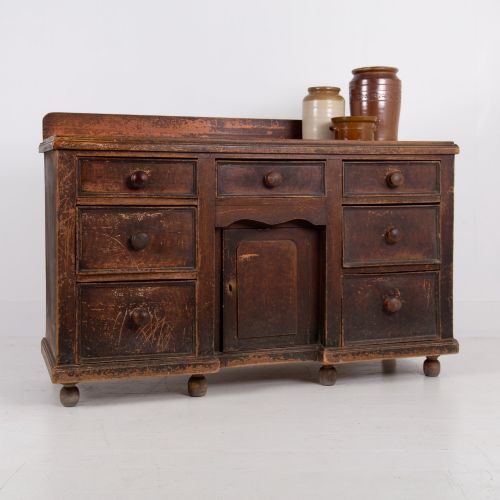
A country farmhouse dresser base anchors a kitchen with honest utility, offering sturdy storage and a wide surface shaped by generations of domestic work.
Country Farmhouse Dresser Base
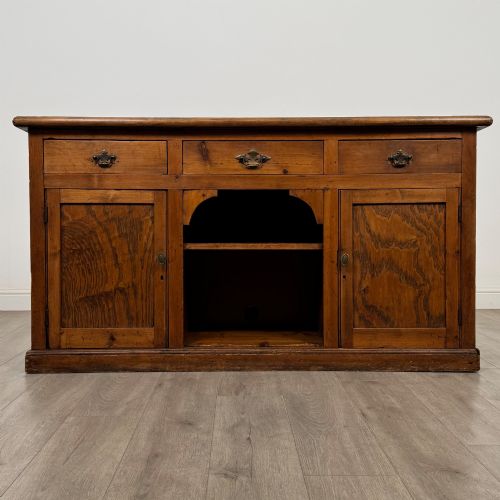
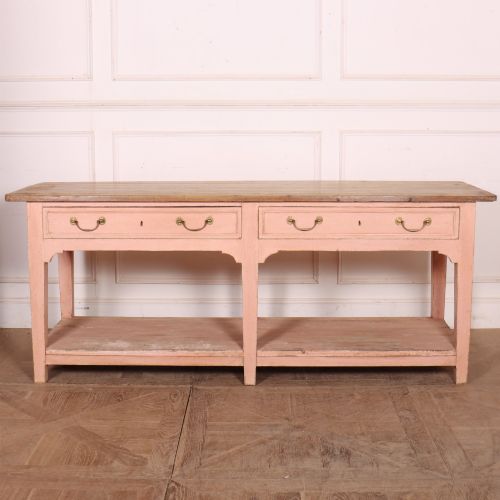
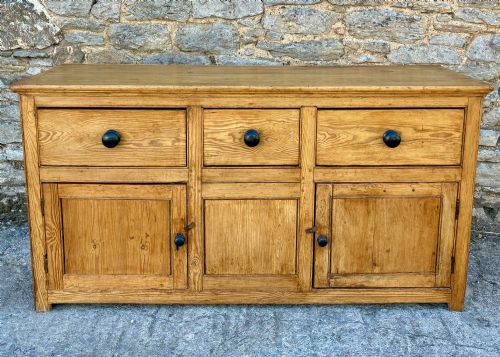
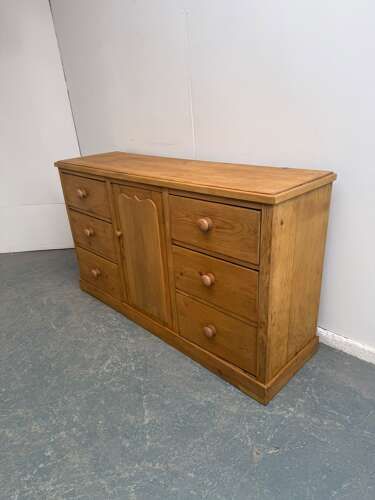
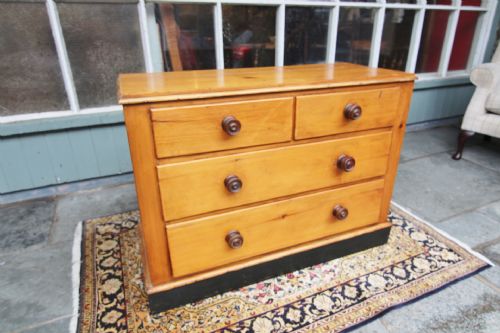
A country farmhouse dresser base provides practical surface space and storage below, taking the form of low sideboards, serving tables, and potboard units rather than tall shelved hutches. These pieces emerge primarily from 18th century, 19th century, and Victorian periods, reflecting the functional needs of rural kitchens and large country houses.
Buyers will most frequently encounter pine and solid pine constructions, often found with waxed finishes or traces of original paint. Regional variations appear across Scotland and England, encompassing Scottish vernacular designs alongside English country house and Victorian styles.
The objects serve multiple domestic roles, functioning as serving tables, low sideboards, and chests of drawers depending on the configuration of cupboards and open lower potboards. Their robust proportions suit daily utility, carrying the marks of hard wear and honest domestic service.
How they were made
Makers relied heavily on pine, solid pine, and occasional oak, assembling heavy timbers to withstand daily kitchen labour. Surfaces received simple wax treatments or coats of paint, while metal and brass hardware provided functional pulls and hinges for doors and drawers.
Construction techniques prioritized strength and utility, utilising thick boards for tabletops and sturdy legs for potboards and serving tables. Original paint layers survive on several examples, showing the historical application of protective and decorative colour by earlier hands.
Some Scottish dairy dressers still carry the faint, sweet scent of centuries-old butter churns embedded in their pine boards.
What varies in quality
Quality rests in the integrity of the original timber and the presence of untouched surfaces, such as early or original paint layers and honest patina from centuries of use. Proportion and scale also dictate distinction, separating simple utilitarian chests from monumental country house serving tables.
The structural honesty of the joints and the retention of original brass or metal fittings distinguish superior examples. Pieces that maintain their uncompromised regional character, whether Scottish vernacular or English country house, hold greater presence.
The Country Farmhouse Dresser Base Glossary
- Potboard
- An open lower shelf beneath a dresser base traditionally used for storing pots, pans, and heavy kitchen utensils. This timber platform sits just above the floor, supported by sturdy legs.
- Dresser base
- The lower section of a kitchen dresser, functioning as a sideboard or serving table with drawers and cupboards. It provides a flat work surface without the superstructure of upper plate racks.
- Vernacular
- Architecture or furniture built by local craftsmen using regional materials and traditional methods to suit local needs. These pieces reflect specific geographic origins rather than academic design trends.
- Patina
- The surface sheen and coloration developed over decades or centuries through handling, waxing, and wear. It serves as a visual record of an object's age and history.
- Sideboard
- A long low piece of furniture used for serving food and storing tableware. In country houses, these tables stood against dining room walls for practical preparation.
Country Farmhouse Dresser Base: Frequently Asked Questions
How were these dresser bases used?
These pieces functioned as the main workspace and storage hub in busy rural kitchens, holding heavy pots, dry goods, and serving dishes. The wide top boards supported food preparation, serving, and daily domestic chores.
In larger country houses, grander versions acted as serving tables during meals, while smaller regional variations accommodated the specific needs of dairy and farmhouse work.
Are these pieces made of solid wood?
Yes, listings for these items consist of solid timbers such as pine, solid pine, and oak. These heavy woods provided the structural strength necessary to endure decades of demanding kitchen use.
Surfaces were typically left unveneered, finished simply with protective wax or historical layers of paint that highlighted the natural grain and construction.
How do I distinguish regional styles?
Regional styles appear through distinct construction proportions, timber choices, and local vernacular traditions. Scottish pieces often display unique structural characteristics compared to English country house or Victorian country examples.
Examining the specific arrangement of potboards, drawers, and turned legs helps identify the geographic origin and period of the furniture.
How do I care for an antique pine dresser base?
Care for these pieces by maintaining a stable indoor environment away from direct heat sources and excessive moisture. Regular applications of traditional beeswax help nourish the historic timber and preserve its surface sheen.
Avoid harsh chemical cleaners that might strip original wax or historical layers of paint, ensuring the honest patina remains intact.