

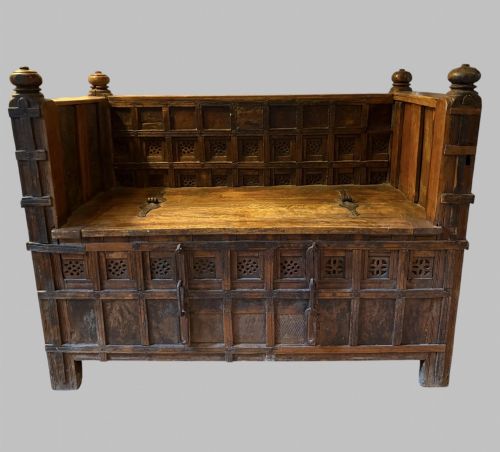
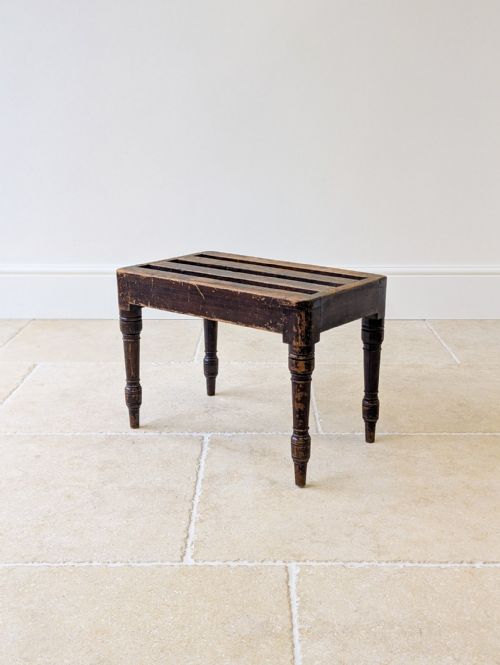
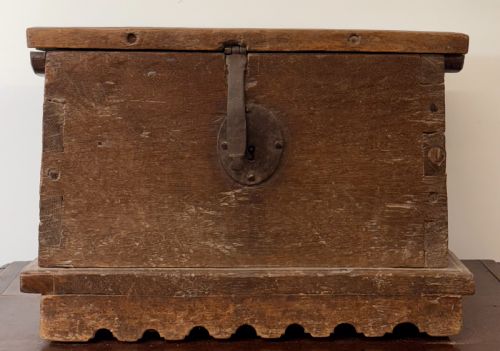
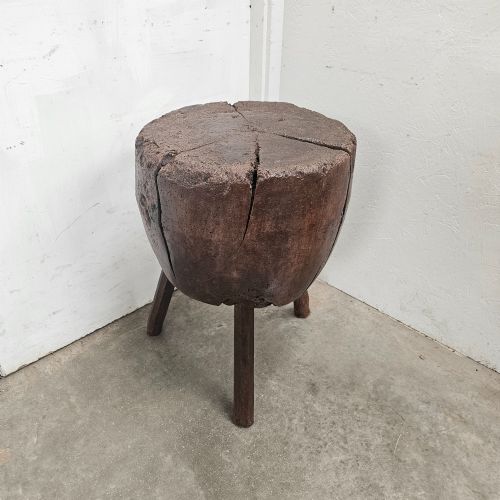


Dark Timber Trunk
These dark timber trunks are substantial storage pieces offering centuries of utility and character.
Dark Timber Trunk
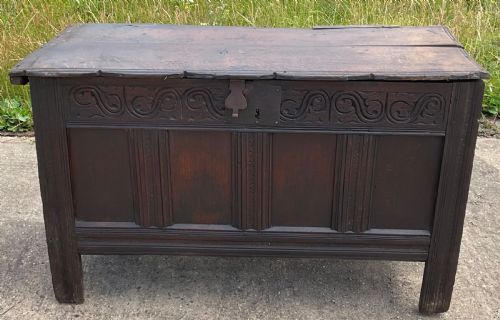
A dark timber trunk serves as a robust container, encompassing various regional forms including coffers, blanket chests, and dowry boxes. When searching this phrase, a buyer encounters utilitarian storage pieces designed to withstand heavy domestic use over generations.
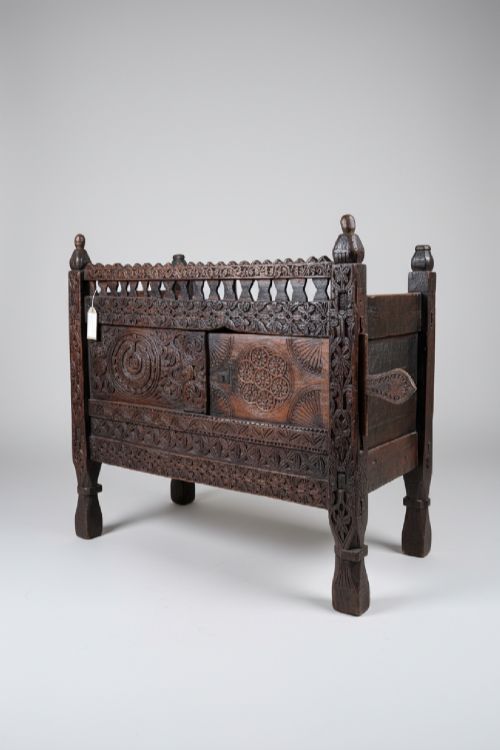
The selections span from sixteenth-century European coffers to nineteenth-century global examples, reflecting diverse domestic and travel traditions. Oak, elm, and walnut predominate, often displaying the deep patination accumulated through centuries of handling.
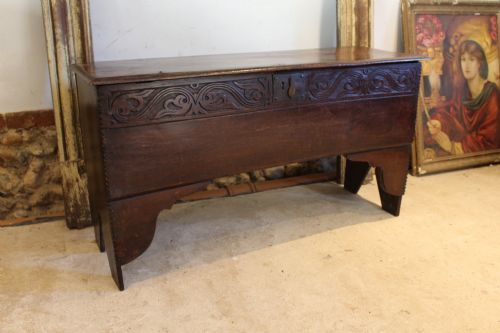
Simpler six-plank constructions sit alongside sophisticated joined oak Lancashire coffers and carved continental cassones. This variety ensures buyers find pieces suited to rural vernacular interiors as well as formal rooms.
How they were made
Joinery methods define these pieces, utilising robust techniques such as six-plank construction, mortise and tenon joints, and pegged frames. Craftsmen selected dense native timbers including oak, elm, and beech to ensure structural integrity without relying on complex metal fasteners.
Surface preparation involved hand-planing and occasionally intricate carving, geometric moulding, or applied ironwork for reinforcement. Natural oils, waxes, and patination developed over time, accentuating the deep grain of the hardwood.
Dark Timber Trunk Retail Price Guide 2026
Typical asking prices for dark timber trunk among the pieces listed under this phrase on Sellingantiques today, from the lower quarter to the upper quarter. They describe what is for sale here now, not the wider market.
Engine factory tool boxes sit alongside sixteenth-century continental coffers, proving that heavy timber storage followed the industrial revolution.
What varies in quality
Quality rests in the integrity of the original construction and the survival of untouched surfaces. Pieces retaining their original hinges, locks, and boards command greater appreciation among collectors than those with extensive later replacements.
The crispness of hand-carved detail and the selection of well-figured timber distinguish ordinary utility boxes from master-joiner commissions. Structural proportion and balanced regional characteristics further separate exceptional specimens from standard domestic chests.
The Dark Timber Trunk Glossary
- Coffer
- A heavy wooden chest traditionally used for storing valuables, documents, or textiles. These sturdy receptacles often feature flat lids suitable for seating.
- Six-plank
- A primitive method of chest construction utilising six individual boards joined directly at the edges. This technique represents some of the earliest surviving domestic furniture.
- Cassone
- An ornate rich-wood chest characteristic of Renaissance Italy, frequently commissioned for marriage ceremonies. They typically display elaborate carvings, panels, or painted finishes.
- Mule chest
- A traditional storage chest featuring one or more drawers beneath the main compartment. This form bridges the evolution between the simple coffer and the modern chest of drawers.
- Patination
- The glossy, deep surface sheen developed on timber through decades of oxidation, human touch, and waxing. It serves as a visual indicator of age and continuous use.
Dark Timber Trunk: Frequently Asked Questions
What is the difference between a coffer and a trunk?
A coffer generally denotes a heavy, rigid wooden chest constructed with thick planks or joined framing, historically used for church or domestic valuables.
Trunks often imply travel or lighter portability, though historic terminology frequently overlaps between chests, coffers, and boxes.
How do I care for a historic wooden trunk?
Keep the timber away from direct heat sources and radical humidity shifts to prevent the wood from splitting or warping.
Apply a traditional beeswax polish sparingly to nourish the dry grain and maintain the natural surface sheen.
How can I tell the age of an oak coffer?
Examine the construction marks, tool traces, and joint methods visible on the interior boards and base.
Hand-riven timber, early forged iron hinges, and vernacular style indicators help narrow down the period of manufacture.
Were these chests used for travel?
Many sturdy examples, including iron-bound trunks and specialised storage boxes, accompanied owners on maritime or overland journeys.
Heavier joined oak coffers remained stationary inside domestic halls, farmhouses, or institutional buildings for secure storage.