



Rustic Wooden Trinket Box
These rustic wooden trinket box examples are practical containers spanning multiple centuries, offering everyday storage with distinct vernacular character.
Rustic Wooden Trinket Box
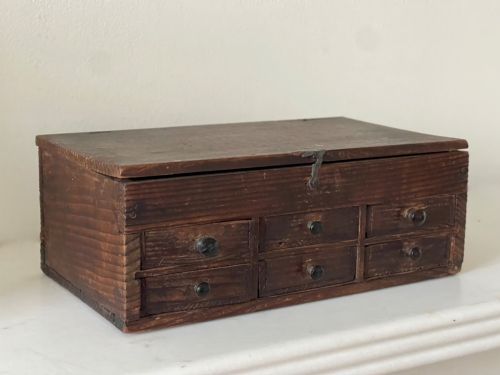
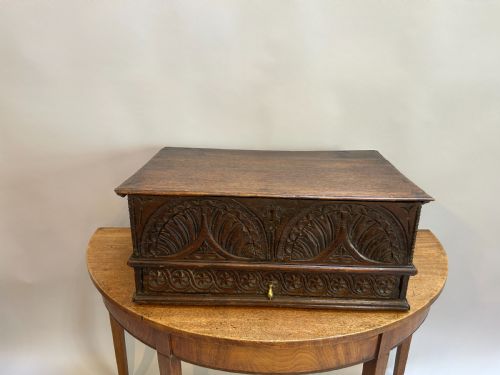
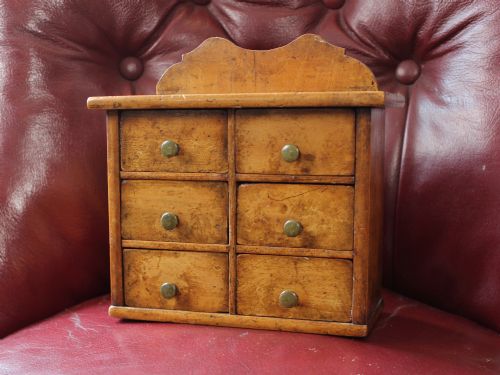
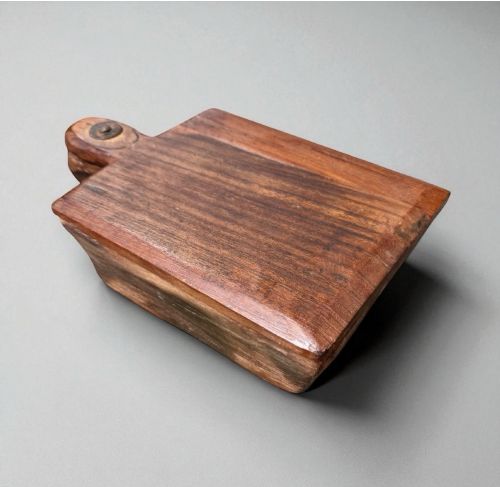
A rustic wooden trinket box encompasses utility vessels created across diverse global traditions, ranging from European folk art to Indian vernacular workshops. When searching for a rustic wooden trinket box, buyers encounter small-scale storage forms such as bible boxes, spice drawers, marriage chests, and lidded containers.
The selections on this page draw from the seventeenth century through the Victorian era, displaying regional utilitarian designs. Pine, oak, fruitwood, and teak form the primary structural timbers of these items.
Scandinavian folk art and Black Forest styles appear frequently among the listings, alongside Indian carved hardwood variants. Each piece reflects the domestic storage needs of its respective period.
How they were made
Construction relies upon traditional timber selection, utilising solid pine, oak, teak, and fruitwood shaped by hand. Makers joined panels using historical methods suited to vernacular furniture production.
Surface treatment defines many examples, featuring hand-applied paint, patinated finishes, and intricate hand-carved detailing. Iron and brass fittings provide structural reinforcement and functional closures.
Rustic Wooden Trinket Box Retail Price Guide 2026
Typical asking prices for rustic wooden trinket box among the pieces listed under this phrase on Sellingantiques today, from the lower quarter to the upper quarter. They describe what is for sale here now, not the wider market.
Materials represented across the inventory include pine, oak, teak, fruitwood, iron, brass, and applied paint.
What varies in quality
Quality differences emerge in the execution of hand-carved details and the integrity of original painted surfaces. Superior examples retain their early patination and structural cohesion without excessive modern intervention.
The sophistication of regional folk art decoration distinguishes standard utility pieces from finer decorative works. Original hardware and authentic period construction methods elevate the standing of individual boxes.
The Rustic Wooden Trinket Box Glossary
- Patinated
- Showing the natural ageing, wear, and surface changes accumulated on timber and paint over centuries of use.
- Vernacular
- Architecture and objects created by local artisans using traditional methods and native materials, rather than high-style academic designs.
- Folk art
- Artistic work produced from an indigenous culture or peasant society, characterised by a naive or utilitarian style.
- Bible box
- A small, sloped-lid desk or storage container originally designed for holding sacred texts in domestic settings.
- Dome topped
- Featuring a rounded or curved upper lid construction, often associated with specific regional trunk designs.
Rustic Wooden Trinket Box: Frequently Asked Questions
What were these boxes used for originally?
These vessels served various domestic and utilitarian storage purposes, holding spices, documents, small valuables, or personal garments.
Different regional forms adapted to specific household tasks, from storing kitchen goods in Indian spice boxes to safekeeping family records in European bible boxes.
How do I date an antique wooden box?
Dating relies on examining the timber species, construction joinery methods, and the nature of any surface paint or iron hardware.
Earlier pieces from the seventeenth and eighteenth centuries display hand-split or sawn timbers and forged iron fastenings distinct from later Victorian manufacturing.
How should I care for painted wooden surfaces?
Preserving historic paint and patinated wood requires stable indoor humidity and protection from direct sunlight.
Gentle dusting with a dry cloth maintains the surface without stripping away the historical finish or accumulated patination.
What is Scandinavian folk art style?
Scandinavian folk art encompasses decorative and utilitarian items created by rural craftsmen utilising traditional carving and painting techniques.
These pieces frequently feature hand-applied pigments and regional motifs distinct from formal court furniture of the same eras.