

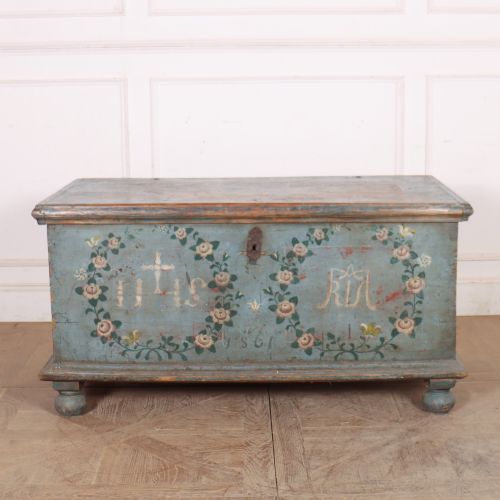


Antique Wooden Marriage Chest
An antique wooden marriage chest is a sturdy historical container commissioned for unions, offering generous storage alongside vibrant regional folk art and craftsmanship.
Antique Wooden Marriage Chest
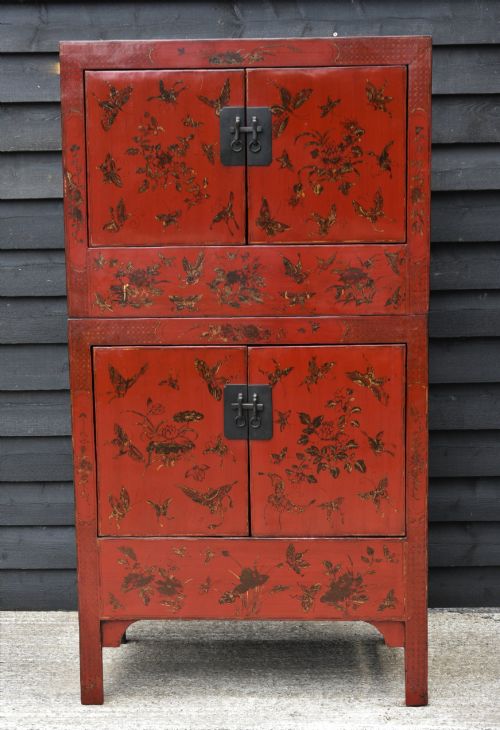
An antique wooden marriage chest serves as a traditional domestic container commissioned to hold household linen and dowry goods for a wedding. The forms include flat lids, dome tops, and mule chests fitted with lower drawers, spanning origins from Sweden, Hungary, Spain, Romania, and England. Buyers frequently encounter nineteenth-century painted pine examples from Scandinavian workshops alongside earlier seventeenth-century carved oak designs.
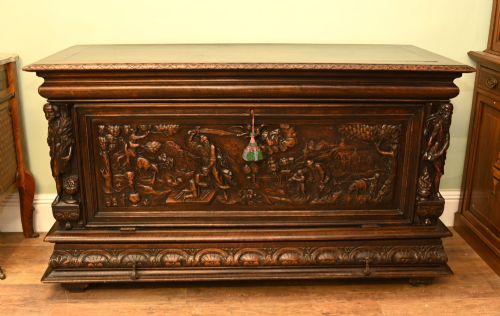
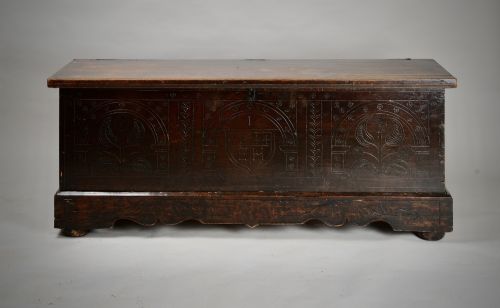
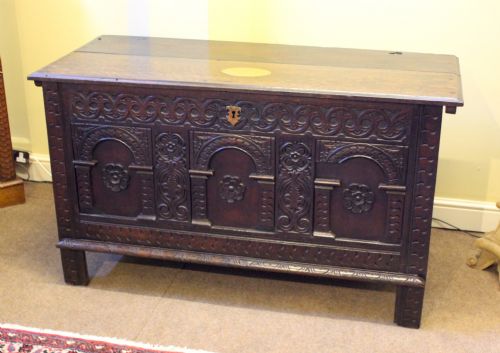
The regional variations reflect distinct local customs, moving from brightly pigmented folk art surfaces to sombre, panelled seventeenth-century oak coffers. Italian cassones introduce walnut and gilt decoration, whereas Hungarian and Swedish pieces lean towards colourful floral motifs applied directly to pine boxes.
Mule chests and blanket boxes perform similar storage functions while incorporating lower drawer space or resting on bracket feet and stands. Each piece reveals the domestic priorities of past households through the scale of the box and the durability of the chosen timber.
Materials and Construction
Carpenters utilised local timbers such as pine, oak, teak, and walnut, joining panels with traditional dovetail or mortise and tenon joints to withstand heavy domestic use. Wrought iron or brass hinges, strapwork, and locks reinforce the lids and corners, providing both structural security and functional decoration.
Surfaces were frequently finished with hand-mixed pigments, oil paints, or gesso to carry intricate floral patterns, folk art scenes, and coats of arms. Alternatively, craftsmen utilised hand-carving and inlay techniques to articulate geometric patterns and relief panels directly into hardwood surfaces.
Antique Wooden Marriage Chest Retail Price Guide 2026
Typical asking prices for wooden marriage chest among the pieces listed under this phrase on Sellingantiques today, from the lower quarter to the upper quarter. They describe what is for sale here now, not the wider market.
Some nineteenth-century Scandinavian marriage chests proudly display the newlyweds' initials and wedding year painted in bright floral flourishes across the lid.
Evaluating Quality and Character
The distinction between ordinary storage boxes and exceptional examples rests upon the integrity of the original painted surface or the depth of the hand-carved relief. Original pigment layers that retain their natural patination outrank heavily restored or later repainted surfaces in collector estimation.
Structural completeness also dictates value, where original wrought iron hardware, working locks, and unaltered bases or stands preserve the historical context of the piece. The finesse of regional joinery and the complexity of vernacular ornamentation distinguish high workshop standards from utilitarian domestic carpentry.
The Antique Wooden Marriage Chest Glossary
- Cassone
- A traditional Italian large chest or coffer, often constructed from walnut and decorated with carving, gilding, or painted panels. These monumental pieces served prominent domestic roles during the Renaissance.
- Mule Chest
- A traditional storage chest featuring one or more drawers built beneath the main internal compartment. This form bridges the utility of the traditional coffer with the accessibility of modern chest of drawers.
- Coffer
- A heavy, robust wooden box used for storing valuables, textiles, or documents, typically secured with an iron lock. Early examples rely on thick oak boards joined at the corners.
- Dowry Chest
- A container commissioned to hold the property, linens, and wealth a bride brought into a marriage. They were often decorated with specific regional folk motifs and family ciphers.
- Dome Top
- A curved lid construction designed to shed water and dust while increasing internal storage capacity. This profile appears frequently on nineteenth-century Scandinavian painted pine trunks.
Antique Wooden Marriage Chest: Frequently Asked Questions
What is an antique wooden marriage chest?
An antique wooden marriage chest is a large storage box commissioned to hold household linens and dowry goods for a wedding. These pieces were built using regional timbers like pine and oak, decorated with hand-painted folk art or deep carvings.
They served as central pieces of domestic furniture across Europe, reflecting the distinct cultural traditions and aesthetic preferences of their makers.
How were marriage chests used historically?
Families used these chests to store valuable textiles, blankets, clothing, and household provisions that formed part of a bride's dowry. Placed within the main living quarters, they doubled as seating benches or tables when closed.
Their robust construction and iron locks also protected valuable possessions from pests, dampness, and theft in historical homes.
How do I identify the period of a chest?
Dating relies on examining the construction joints, timber species, hardware, and surface decoration styles. Seventeenth-century examples typically feature dark oak with hand-carved panels, while nineteenth-century pieces often display painted pine and folk art motifs.
Hardware details like wrought iron hinges and decorative lock plates also provide chronological clues consistent with specific eras.
How do I care for a painted pine chest?
Preserving a painted surface requires keeping the chest away from direct sunlight and fluctuating humidity to prevent pigment flaking and wood movement. Dusting should be done gently with a dry, soft cloth without applying modern liquid polishes or chemical cleaners.
Maintaining stable indoor conditions ensures the historic patination and fragile folk art decorations survive intact for future years.