
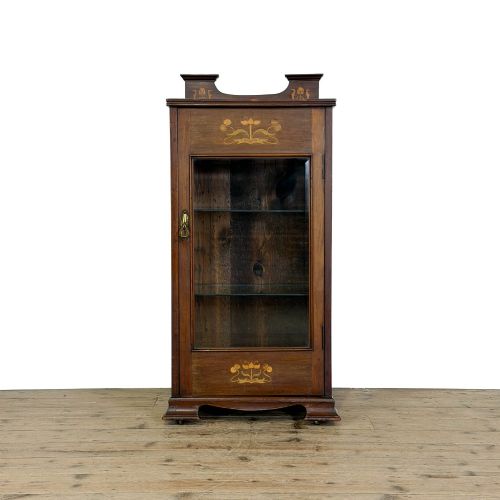
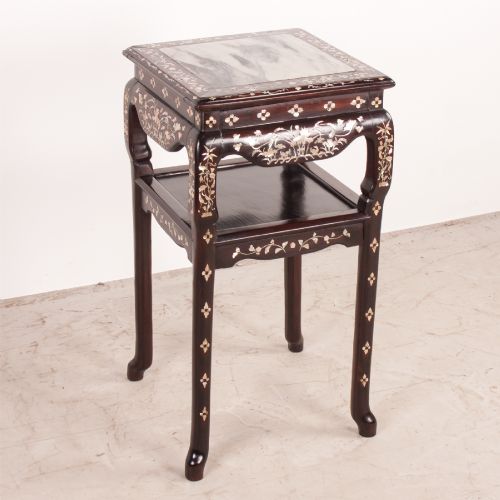

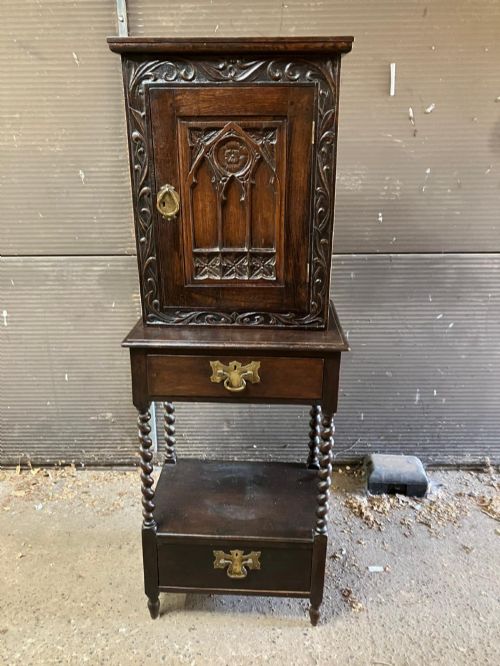


Dark Timber Side Cabinet
These dark timber side cabinet pieces bring rich grain and practical storage to a room, offering both surface space and enclosed shelving.
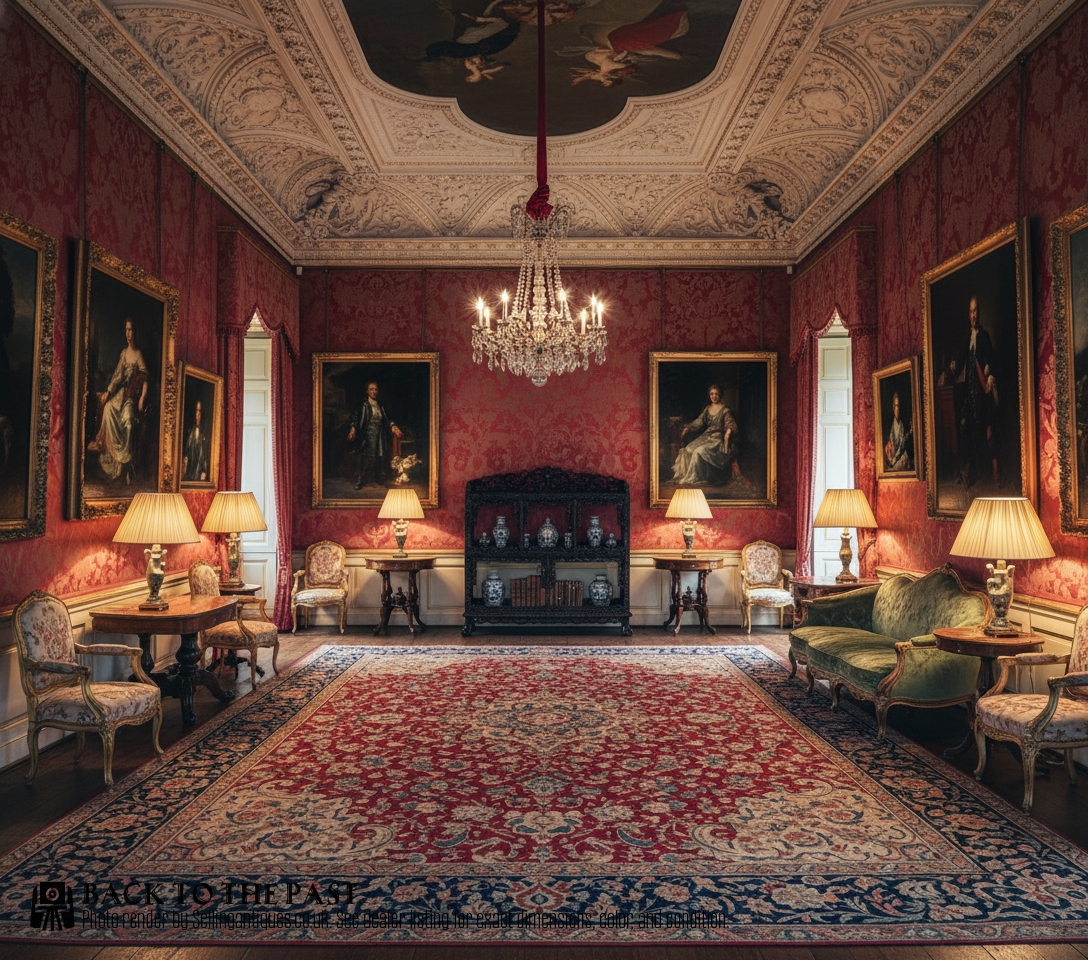
Dark Timber Side Cabinet
When you search for a dark timber side cabinet, you encounter sturdy storage furniture built from rich woods such as mahogany, rosewood, oak, and walnut. These pieces provide enclosed cupboards alongside display surfaces or drawers, serving practical storage needs in dining rooms, hallways, and living spaces.
The selections span multiple eras, including Georgian, Victorian, Edwardian, and the 1930s, reflecting diverse design movements from Gothic Revival and Art Nouveau to Chinese Export and Regency styles. Forms range from compact bedside night tables and occasional tables to large buffet servers and bread safes.
You are most likely to meet 19th-century and early 20th-century examples on this page, often featuring panelled doors, carved details, or wood inlay. Some variants include glass panels for display purposes, while others offer robust timber doors for concealed storage.
How they were made
Cabinet makers utilised dense hardwoods including mahogany, rosewood, oak, and walnut, selecting dark timbers for their durability and deep natural grain. These woods were joined using traditional carpentry methods to ensure the structural integrity of the carcase and doors.
Decoration often involved intricate techniques such as wood inlay, hand-painting, mother-of-pearl embellishment, and profuse carving. Brass fittings such as hinges, handles, and lock escutcheons were integrated to secure doors and drawers while adding metallic contrast to the dark surfaces.
Bread safes included wire mesh panels to deter insects while letting country breezes cool the loaves.
What varies in quality
The standard of a piece depends on the depth and selection of the timber grain, alongside the precision of the joinery and carving. Higher quality work is evident in crisp, hand-carved details and tightly fitted panel work that remains stable over centuries.
Refinement in secondary materials also sets examples apart, such as the quality of brass hardware, the clarity of glass panes, and the intricacy of mother-of-pearl or contrasting wood inlay. The integration of decorative elements like hand-painted surfaces or specialised wood species like Gonçalo-Alvez elevates the craftsmanship.
The Dark Timber Side Cabinet Glossary
- Carcase
- The main structural body or shell of a cabinet before doors, drawers, and feet are attached. This framework bears the weight of the piece.
- Inlay
- A decorative technique where contrasting materials such as lighter wood or mother-of-pearl are inserted into recesses cut into the dark timber surface.
- Buffet Server
- A large sideboard or cabinet used for serving food or storing dining room items. These pieces provide expansive top surfaces and generous internal storage.
Dark Timber Side Cabinet: Frequently Asked Questions
Where should I place a dark timber side cabinet?
These cabinets suit dining rooms, hallways, and living spaces where they provide both surface display and concealed storage.
Ensure the dimensions match your available wall space, keeping heavier pieces away from direct heat sources to protect the dark wood.
How do I clean dark timber furniture?
Dust the surface regularly with a soft, dry cloth to prevent particle build-up on the polished wood.
Avoid harsh chemical cleaners and direct moisture, applying appropriate beeswax or furniture polish occasionally to nourish the grain.
What periods do these cabinets represent?
The listings encompass items from the Georgian and Regency eras through the Victorian period and into the early twentieth century.
Each period brings distinct stylistic influences, ranging from formal classical revival to regional craftsmanship and international export designs.
Are these cabinets purely for display?
While some variants incorporate glass doors for exhibiting objects, many feature solid timber doors designed for practical storage.
Internal shelving allows you to organise books, table linen, or household items while keeping the room orderly.