


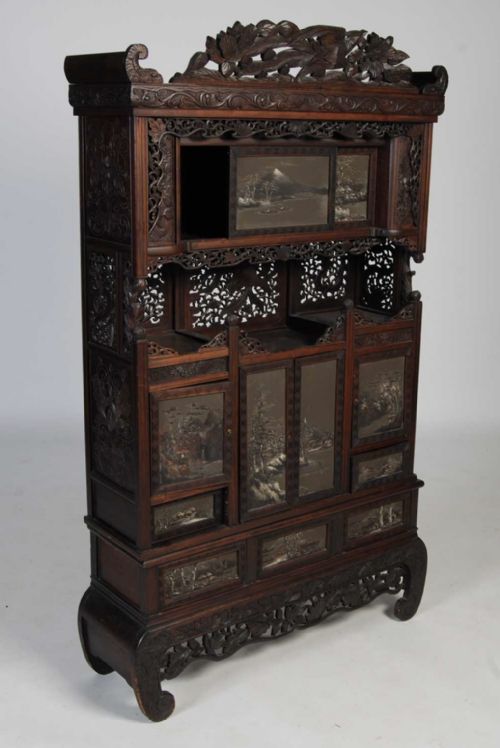


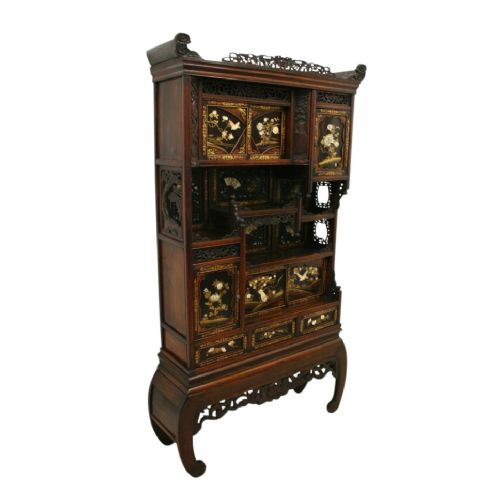
Antique Oriental Shelf Unit
An antique oriental shelf unit brings intricate display space into a room, combining exotic woods and traditional craftsmanship.
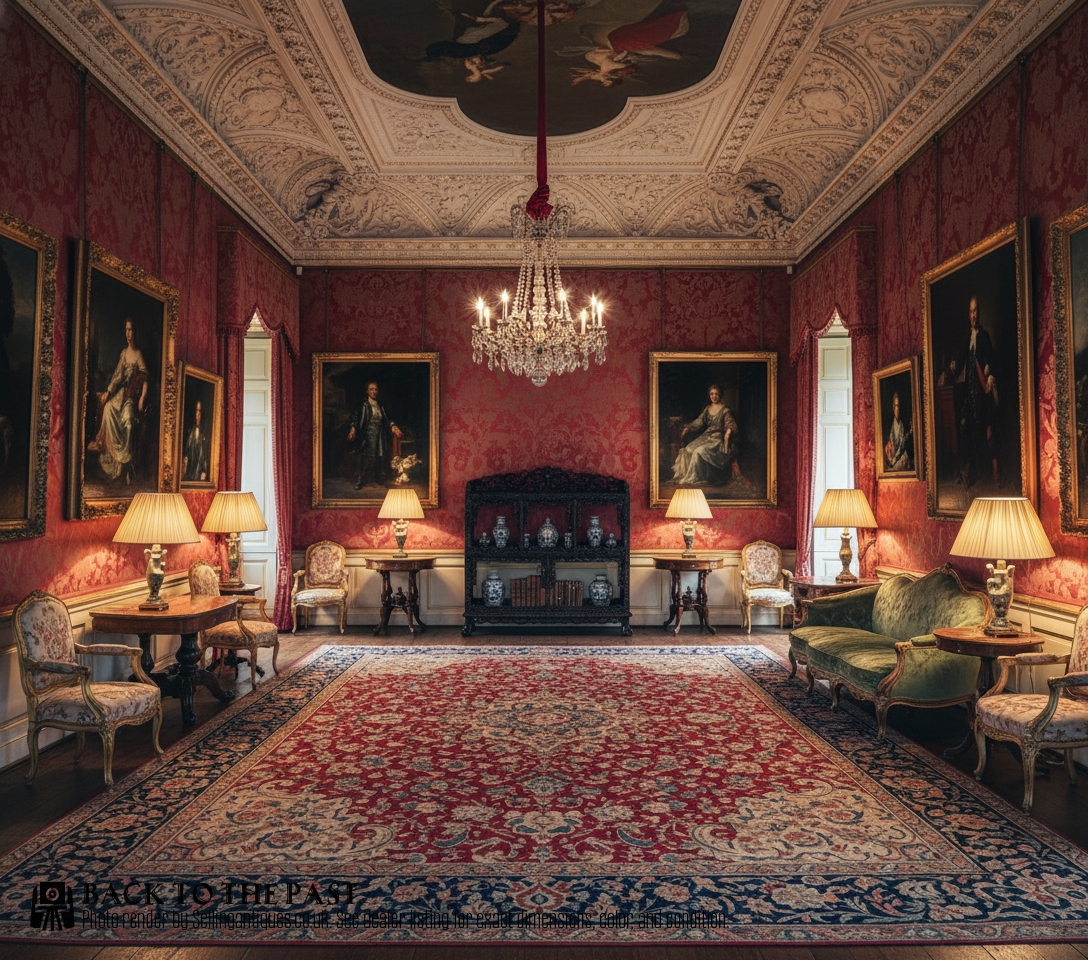
Antique Oriental Shelf Unit
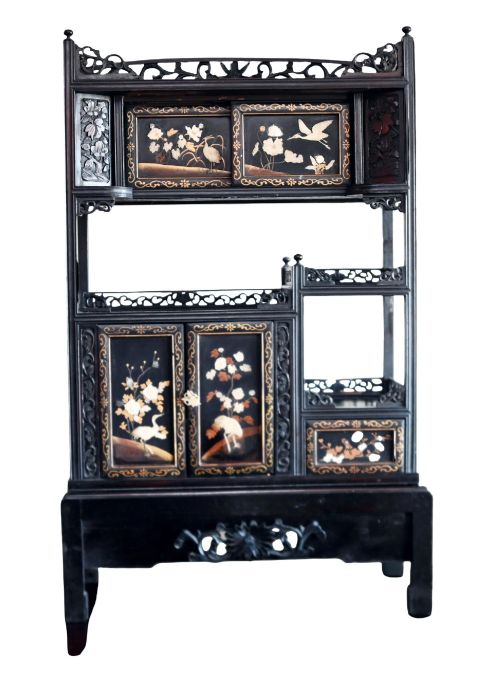
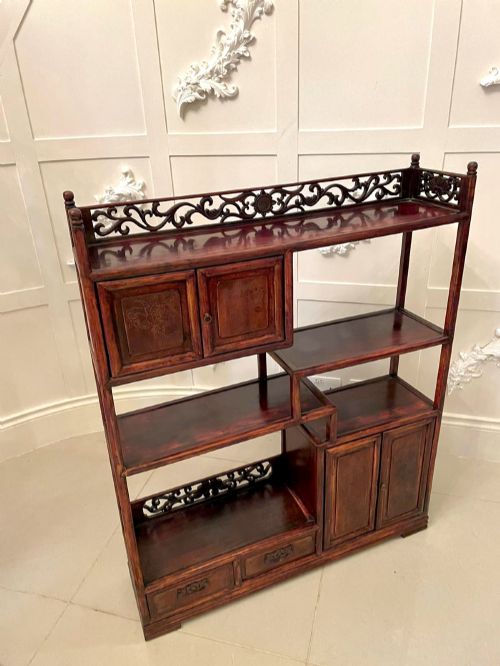
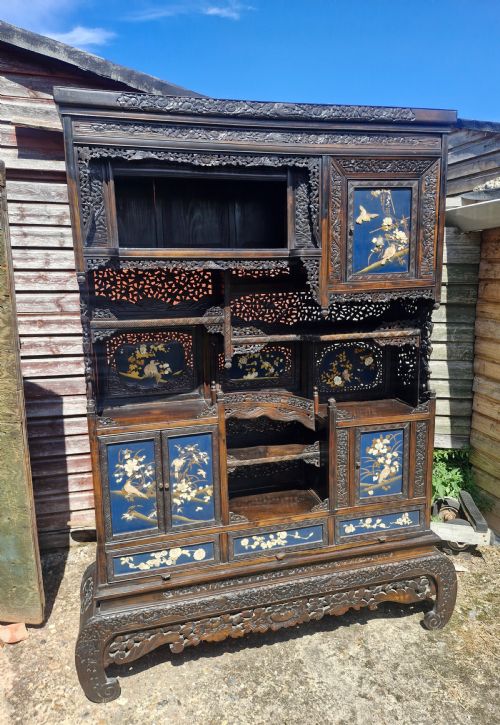
An antique oriental shelf unit encompasses ornate display cabinets, corner cabinets, and multi-tiered shelves originating from Chinese and Japanese traditions. Buyers searching for this phrase encounter pieces dating from the nineteenth and early twentieth centuries, including Chinese Qing Dynasty works and Japanese Meiji period shodana cabinets.
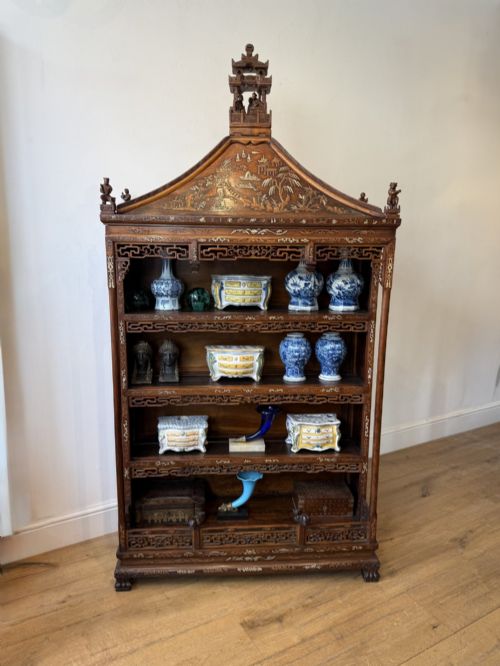
The selection ranges from dwarf side cabinets and carved whatnots to tall pagoda display cabinets and bamboo Aesthetic Period furniture. These structures served to display prized possessions, ceramics, and scholars' objects within traditional interiors.
How they were made
Maker workshops utilised dense hardwoods, elm, and bamboo as the primary structural foundations for these cabinets. Artisans then applied intricate decorative elements including lacquer, brass fittings, bone inlay, and mother of pearl.
Surface ornamentation involved profuse carving, particularly in Chinese Qing style and Japanese Meiji period examples. These techniques combined structural joinery with delicate surface detailing to create complex display surfaces.
Materials recorded across the selection include hardwood, elm, bamboo, brass, lacquer, bone inlay, and mother of pearl.
What varies in quality
The distinction between standard and exceptional pieces rests upon the depth and precision of the carving and the quality of the primary timber. Hardwood and rosewood examples with dense, intricate detailing represent a higher standard than simpler constructions.
The integration of decorative inlays such as bone and mother of pearl, alongside the condition of the lacquer and brass hardware, determines the overall refinement of the cabinet.
The Antique Oriental Shelf Unit Glossary
- Shodana
- A Japanese multi-tiered display cabinet featuring staggered shelves, cupboards, and sliding doors. These pieces were traditionally used for storing and exhibiting art objects.
- Qing Dynasty
- The final imperial dynasty of China, lasting from the seventeenth to the early twentieth century. Furniture from this era often displays profuse carving and dense hardwoods.
- Meiji Period
- An era in Japanese history spanning the late nineteenth and early twentieth centuries. Works from this time frequently demonstrate highly refined craftsmanship in lacquer and carved wood.
- Aesthetic Movement
- A late nineteenth-century design movement that emphasised visual beauty over narrative or moral function. British interpretations often incorporated bamboo and oriental motifs.
- Whatnot
- A piece of furniture consisting of a set of open shelves for displaying small objects or ornaments. These were popular in the nineteenth century across various stylistic traditions.
Antique Oriental Shelf Unit: Frequently Asked Questions
What is an oriental shelf unit used for?
These cabinets were originally designed to house scholarly objects, small ceramics, and decorative treasures in traditional Asian interiors. Today, collectors utilise them to display small collections or as focal points in living spaces.
The varied compartments and staggered shelving provide practical surfaces for showing off curios while adding distinct historical character to a room.
How do I identify a Meiji period cabinet?
Japanese cabinets from the Meiji period often carry the designation of shodana and display characteristic woodwork, intricate carving, and subtle metal fittings. They reflect the high craftsmanship of late nineteenth-century Japanese workshops.
Looking closely at the joinery, drawer construction, and decorative motifs helps confirm the period and regional origin of the piece.
What materials are common in Chinese display cabinets?
Nineteenth-century Chinese display cabinets frequently employ dense hardwoods, elm, and occasionally rosewood. Artisans enhanced these surfaces with brass hardware, mother of pearl, and bone inlay.
These durable materials allowed craftsmen to carve deeply without compromising the structural integrity of the display shelves and compartments.
Are bamboo cabinets antique?
Bamboo furniture from the late nineteenth century often aligns with the Aesthetic Movement or export wares of the period. These lighter pieces combine structural bamboo frames with decorative panels.
Their survival in good condition depends on the stability of the bamboo joints and the preservation of any accompanying lacquer or inlay.