




Dark Red Tribal Mat
A dark red tribal mat is a hand-woven piece carrying centuries of nomadic design, offering deep crimson tones and geometric patterns that anchor a room.
Dark Red Tribal Mat
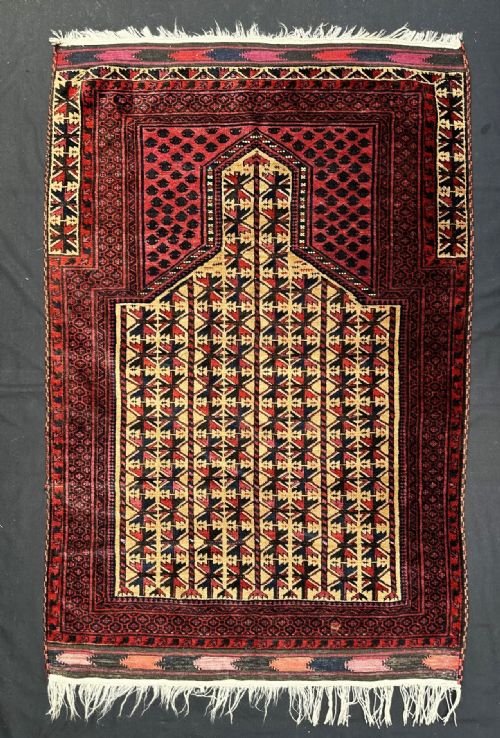
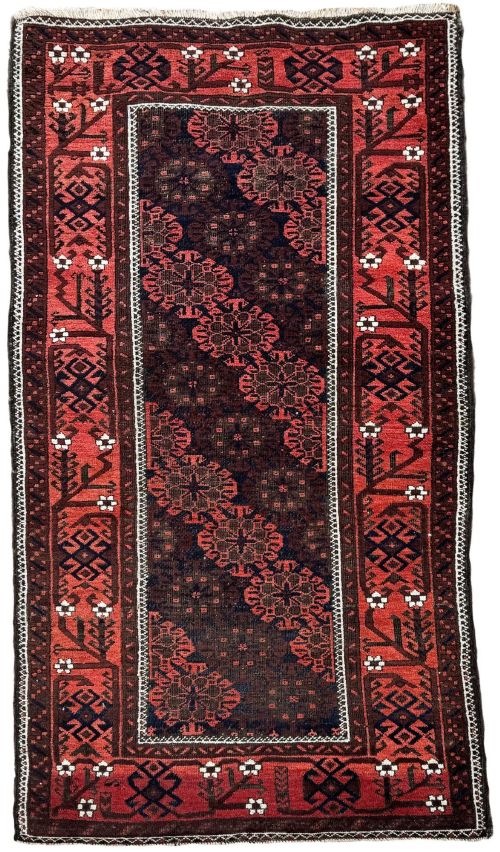
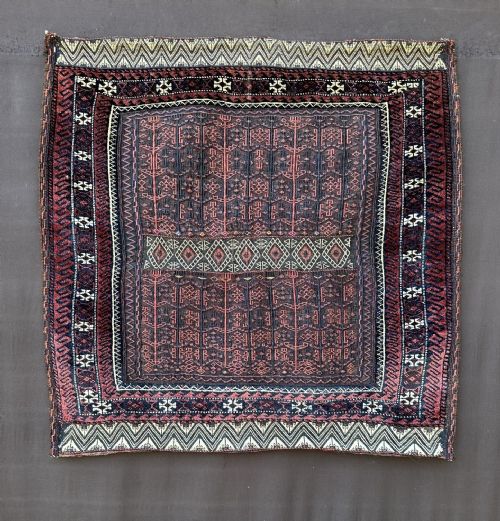
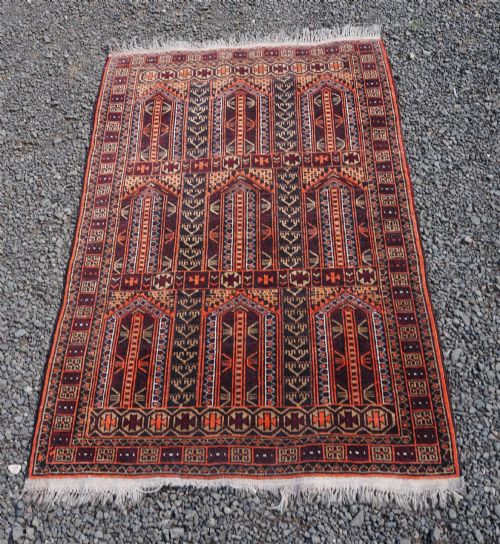
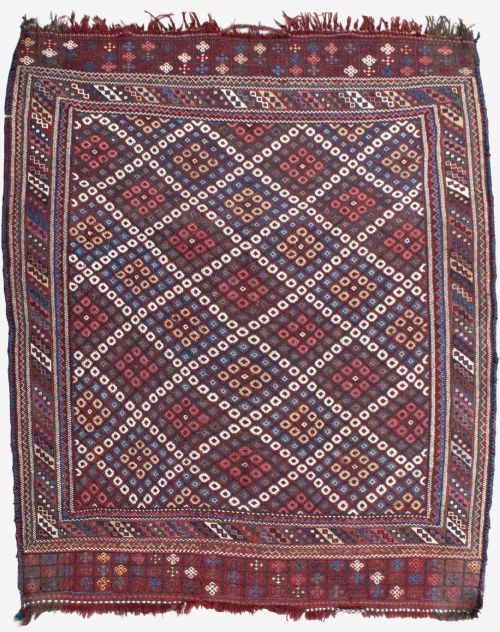
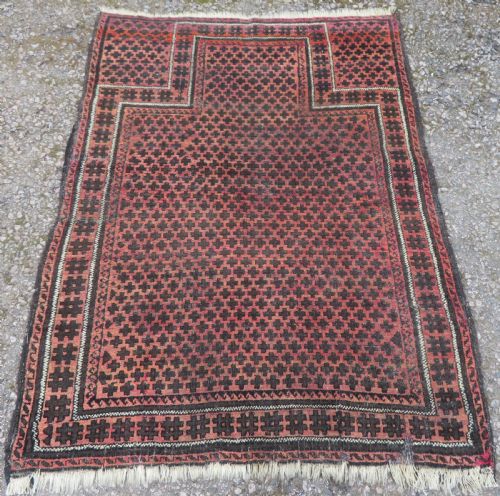
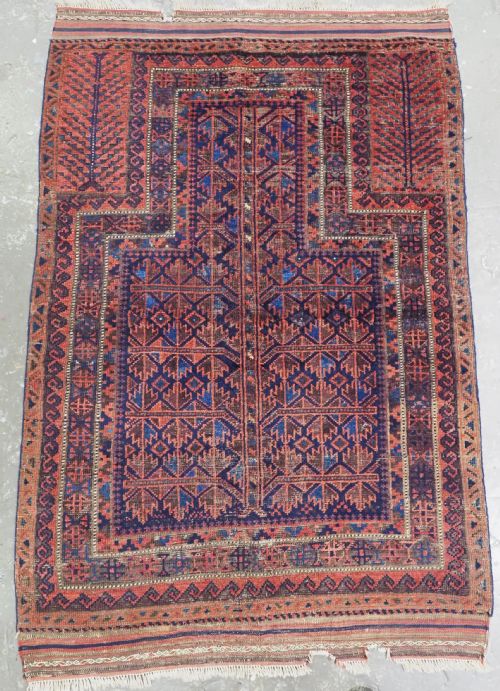
When you search for a dark red tribal mat, you encounter hand-knotted and flat-woven pieces originating from nomadic and village traditions across Central Asia, Persia, and the Caucasus. These textiles encompass various functional forms, including prayer rugs, bread sofreh, saddle bag faces, and torba faces dating from the late nineteenth and early twentieth centuries.
The versions most likely to meet you on this page are antique Afghan Baluch, Timuri, and Turkmen pieces featuring distinctive wool construction and rich madder-dyed palettes. They arrive from specific regional groups such as the Saryk, Yomut, and various tribal confederations along the borderlands of modern Afghanistan and Iran.
Makers utilised traditional formats like the double mihrab, seh mihrab, and repeat lotus leaf designs, creating pieces intended for daily nomadic life or personal prayer. These rugs bridge the gap between utilitarian household items and collectible textile art through their enduring tribal motifs.
What varies in quality
Quality rests upon the fineness of the weave, the precision of the tribal motifs, and the depth and stability of the natural dyes used in the wool. Pieces exhibiting crisp secondary ornamentation, such as stars, rams horn mihrab details, and well-balanced tile designs, stand apart from simpler commercial variations.
The handling of the wool and the integrity of the original selvedges and ends also distinguish superior examples. A piece with saturated madder red tones and intact structural edges demonstrates both skilled craftsmanship and careful historical preservation.
Dark Red Tribal Mat Retail Price Guide 2026
Typical asking prices for dark red tribal mat among the pieces listed under this phrase on Sellingantiques today, from the lower quarter to the upper quarter. They describe what is for sale here now, not the wider market.
Some Baluch weavers occasionally incorporated camel hair into the foundation wool, adding a subtle, natural golden halo to the dark red fields.
The Dark Red Tribal Mat Glossary
- Mihrab
- The arched niche design found on prayer rugs, often indicating the direction of prayer towards Mecca. Tribal examples frequently incorporate multiple arches, such as double or seh mihrab formats.
- Sofreh
- A flat-woven spread or cloth used for kneading bread or serving meals within nomadic households. These textiles often feature minimalist geometric fields without a central medallion.
- Torba
- A small storage bag face traditionally hung inside a yurt or tent, featuring wide horizontal bands of tribal ornament. They display compact, highly concentrated design work.
- Mafrash
- A rectangular storage chest panel or side piece used by nomadic groups for bedding and household goods. These are typically constructed using flat-weave techniques.
- Madder
- A natural plant-derived red dye obtained from the roots of the Rubia tinctorum plant. It produces the characteristic deep, varied red shades seen across nineteenth-century tribal weaving.
Dark Red Tribal Mat: Frequently Asked Questions
How were these mats used?
Nomadic weavers utilised these textiles for daily domestic functions, ranging from floor coverings and bedding storage to dedicated prayer spaces. Items like saddle bags and bread sofreh served practical roles in transit and camp life.
Over time, these utilitarian objects became expressions of tribal identity and heritage, passed down through generations or used within the family tent before entering the collector market.
How do I date an antique rug?
Dating relies on examining the materials, structural characteristics, dye consistency, and design authenticity. Natural wool quality and traditional vegetable dyes typically point towards nineteenth or early twentieth-century production.
Stylistic markers, such as specific tribal attribution and unstandardised village motifs, help narrow the period of origin compared to later commercial reproductions.
Are these rugs suitable for high traffic?
Wool pile construction provides natural resilience, making many antique tribal pieces durable enough for moderate domestic floor use. Their sturdy foundations allow them to withstand regular foot traffic when placed properly.
For fragile flat-weaves or older prayer rugs, placing them in low-traffic areas or mounting them as wall textiles preserves their structural integrity.
What is a Baluch tribal rug?
Baluch rugs are woven by nomadic and semi-nomadic groups inhabiting the border regions of Iran, Afghanistan, and Pakistan. They are traditionally characterised by dark colour palettes dominated by deep reds, browns, and indigo.
These pieces frequently incorporate geometric prayer formats, camel hair details, and distinctive field patterns rooted in regional tribal traditions.
How should I clean my antique rug?
Gentle surface vacuuming without a rotating brush helps remove dust while protecting the delicate wool foundation. Professional textile conservators should handle any wet cleaning to prevent dye migration.
Keeping the textile away from direct, prolonged sunlight prevents the natural madder red dyes from fading over time.