




Afghan Baluch Tribal Rug
An afghan baluch tribal rug brings nomadic character and rich textile tradition directly into your interior spaces.
Afghan Baluch Tribal Rug
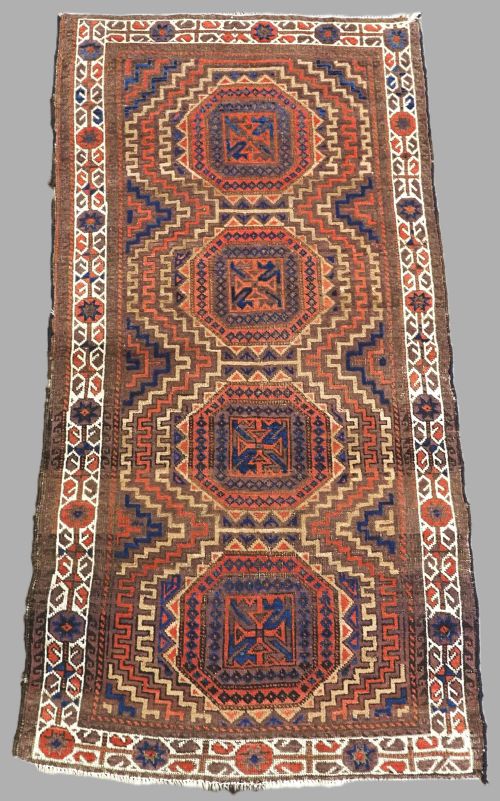
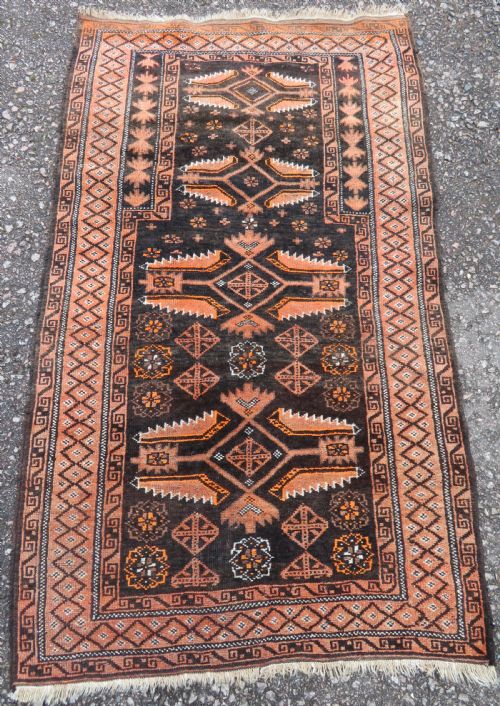
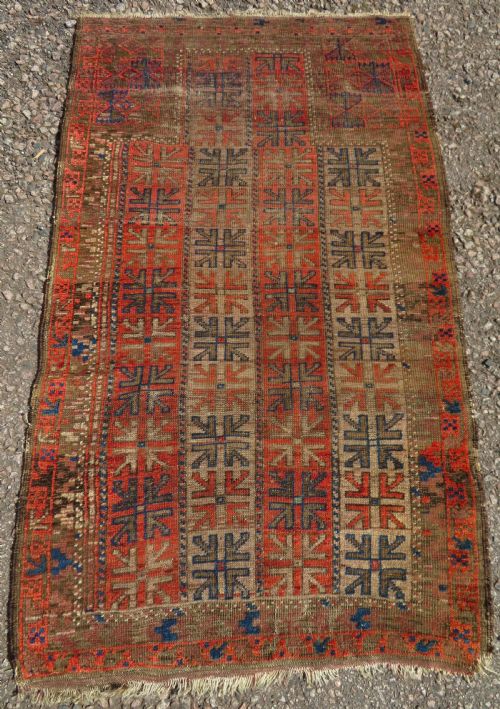
When searching for an afghan baluch tribal rug, buyers encounter handwoven floor coverings and utilitarian textiles originating from nomadic and village groups across the borderlands of western Afghanistan and eastern Persia. The selections span from the late nineteenth century through the early twentieth century, encompassing various formats such as area rugs, prayer rugs, main carpets, and flatweaves.
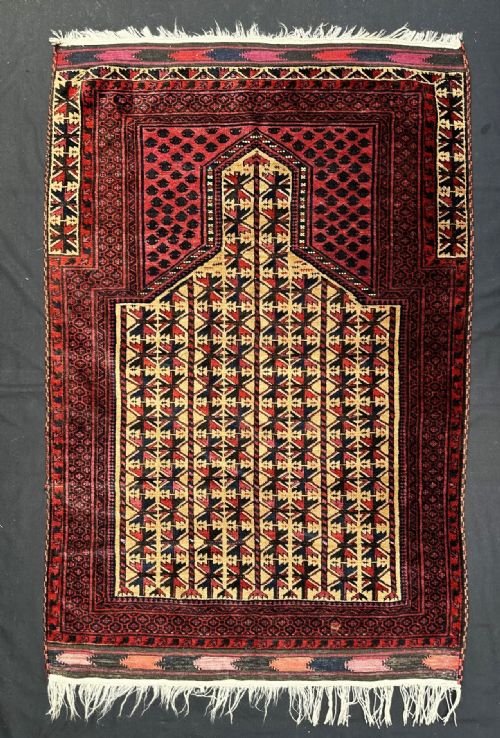
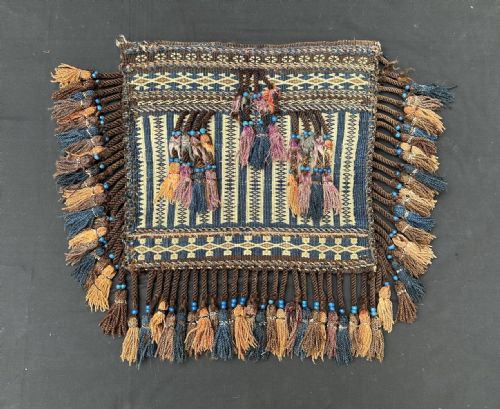
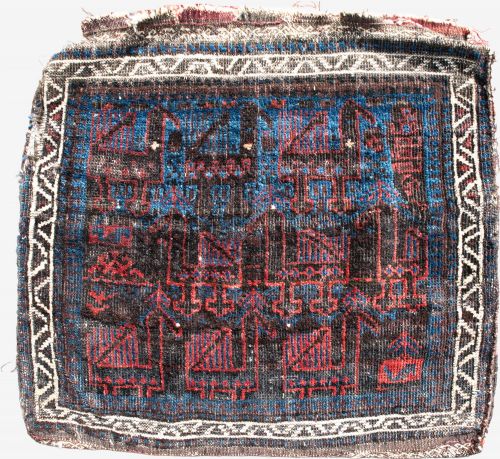
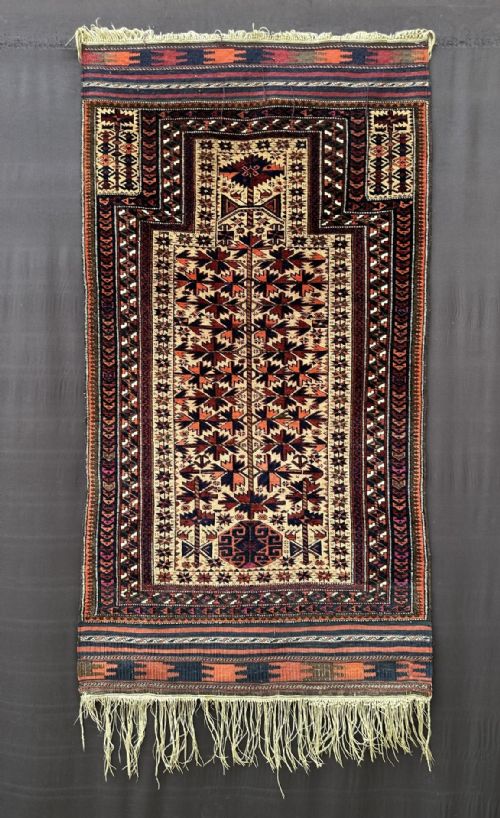
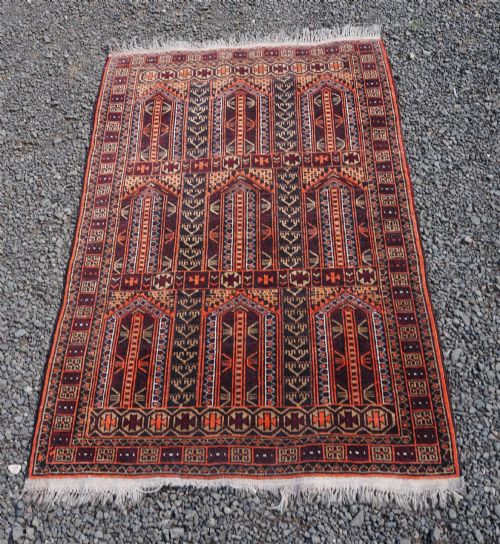
The inventory on this page showcases diverse tribal expressions, including specific prayer formats like double mihrab and seh mihrab designs, alongside storage bags and eating cloths known as sofreh. These textiles reflect the distinct aesthetic heritage of sub-groups such as the Timuri, Taimani, Mushwani, and Dokhtar-e-Qazi.
Most pieces likely date from the period between 1880 and 1930, capturing an era of traditional village production before commercial standardisation altered the craft. Buyers will find both small portable formats and larger carpets suited to anchoring a room.
What varies in quality
Quality in these tribal textiles rests upon the fineness of the weave, the handling of wool materials, and the depth achieved through natural dyeing traditions. Tighter knotting and secure structural foundations separate superior village and nomadic work from coarser utilitarian pieces.
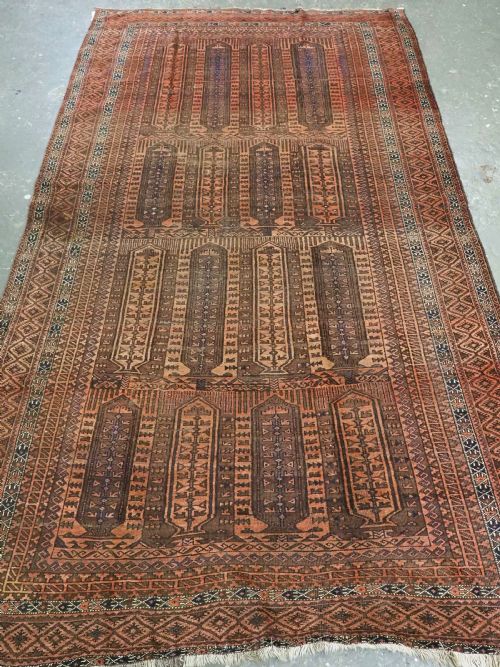
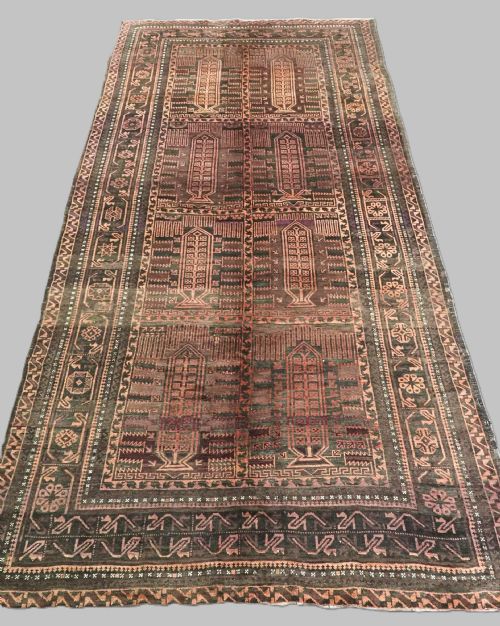
The visual strength of the design, such as the crispness of a pencil box pattern or the symmetry of multiple mihrab arches, dictates the success of the composition. Preservation of the original edges, pile height, and flatweave ends also influences the overall integrity of the textile.
Afghan Baluch Tribal Rug Retail Price Guide 2026
Typical asking prices for afghan baluch tribal rug among the pieces listed under this phrase on Sellingantiques today, from the lower quarter to the upper quarter. They describe what is for sale here now, not the wider market.
Listings feature pieces spanning from the 19th century through the 1930s, utilising wool, natural dyes, cotton, and camel wool.
The Afghan Baluch Tribal Rug Glossary
- Mihrab
- The arched niche found on prayer rugs, which indicates the direction of prayer. Variations in these listings include double and seh mihrab formats.
- Sofreh
- A woven spreading cloth utilised for dining or processing grain and bread dough. These flatwoven or piled textiles served essential domestic functions in nomadic households.
- Kilim
- A tapestry-woven carpet or rug produced without a pile. These pieces rely on interlocking weft techniques to create geometric patterns.
- Gul
- A medallion motif repeated across the field of a carpet. These octagonal or rounded tribal stamps often identify specific weaving groups.
- Kalam Donneh
- A repeating motif resembling a pencil box or stylized leaf. This design frequently appears across main carpets from the region.
Afghan Baluch Tribal Rug: Frequently Asked Questions
What is an afghan baluch tribal rug?
An afghan baluch tribal rug is a handwoven textile created by nomadic and village weavers in the border regions of Afghanistan and Persia. These pieces utilise wool and traditional motifs to serve functional and decorative roles.
They encompass various forms, from small portable prayer mats to larger main carpets and storage bags produced around the late nineteenth and early twentieth centuries.
How were these tribal rugs used?
Nomadic weavers utilised these textiles for daily living, including floor covering, prayer observance, and the transport or storage of goods. Items like sofreh served as eating cloths for communal meals.
Prayer rugs provided clean, portable spaces for daily worship, while larger carpets anchored the living quarters of tribal tents and homes.
How do I live with an antique rug?
Integrating an antique tribal rug into modern interiors requires balancing historic preservation with everyday use. Placing a suitable underlay beneath the textile prevents slipping and reduces wear on the foundation.
Keeping the rug away from direct, prolonged sunlight helps preserve the integrity of the wool and any natural dyes present in the weave.
How do I tell different tribal designs apart?
Distinguishing between regional styles involves examining specific structural elements, formats, and recurring motifs such as mihrab arches or guls. Sub-groups like the Timuri or Taimani often incorporated distinct geometric layouts and border arrangements.
Comparing the handling of materials, such as mixed camel wool or supplementary goat hair edges, provides further clues to the origin of the textile.