

Dark Oak Wall Panel
A dark oak wall panel brings centuries of architectural history and rich timber grain directly into your interior.
What dark oak wall panels are
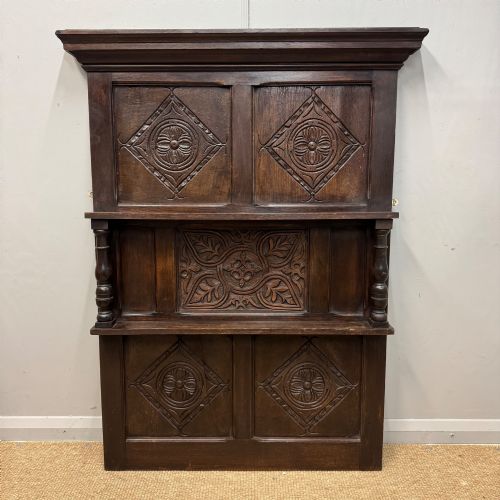
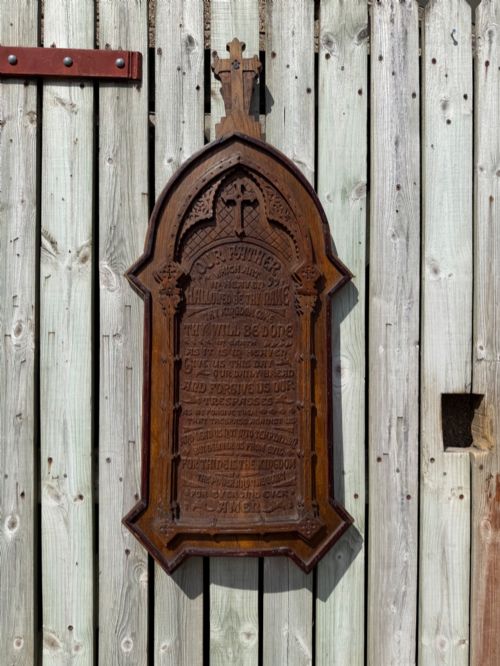
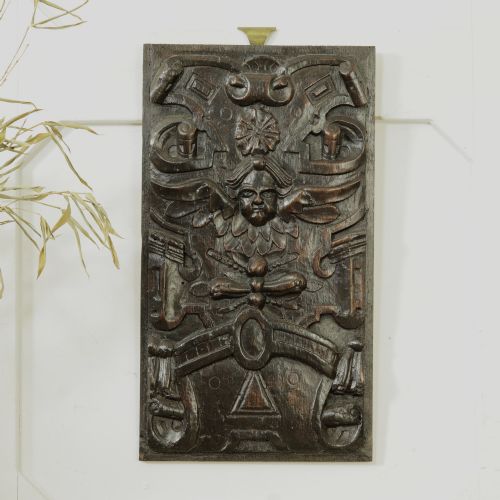
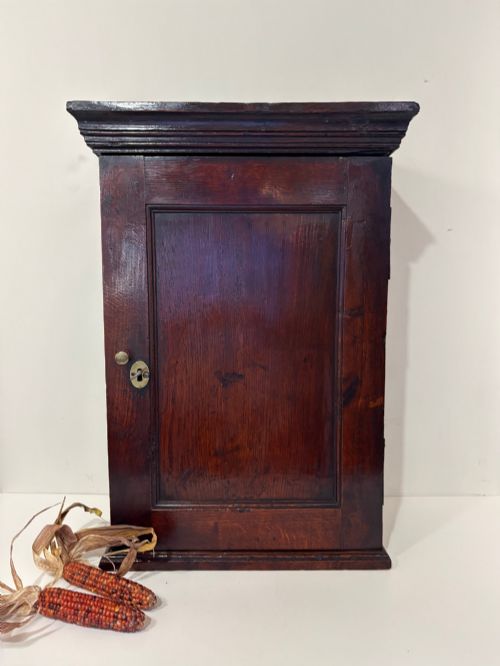
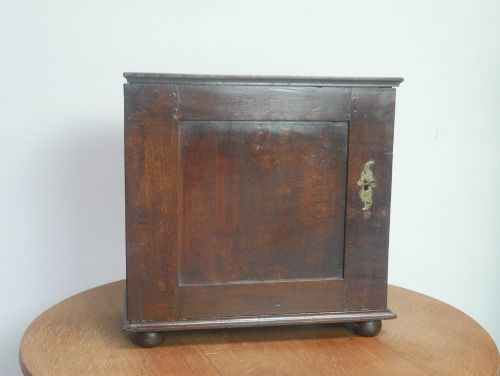
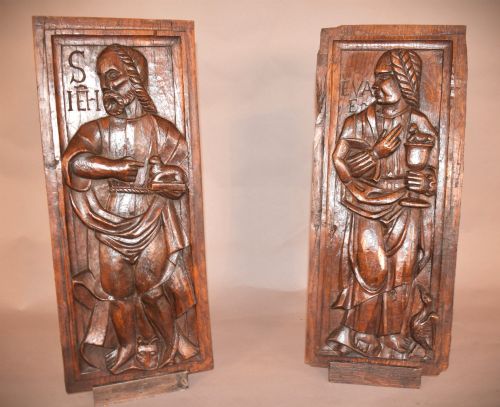
When you search for a dark oak wall panel, you encounter architectural salvage and carved wood elements originating from the sixteenth, seventeenth, and nineteenth centuries. These pieces represent historical interiors, featuring distinct styles such as Gothic, Tudor, Baroque, and Gothic Revival.
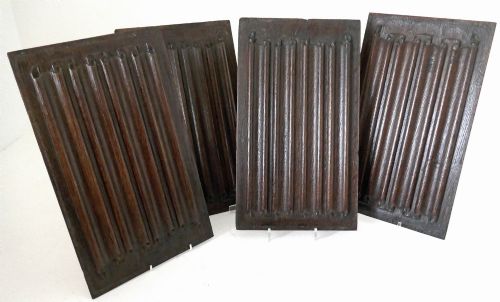
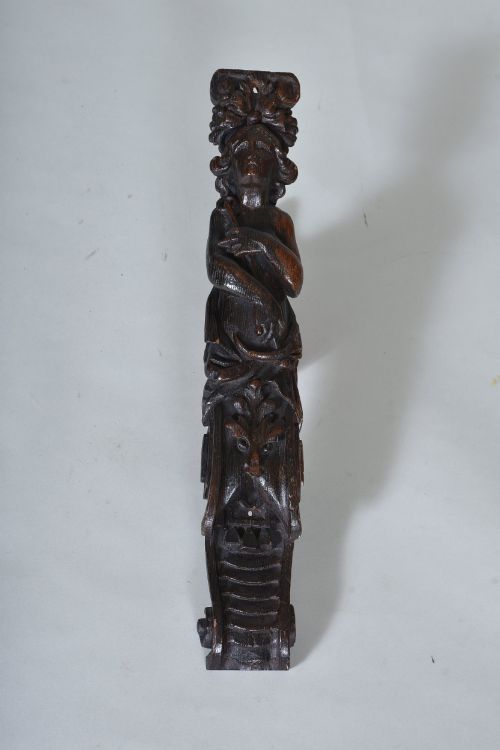
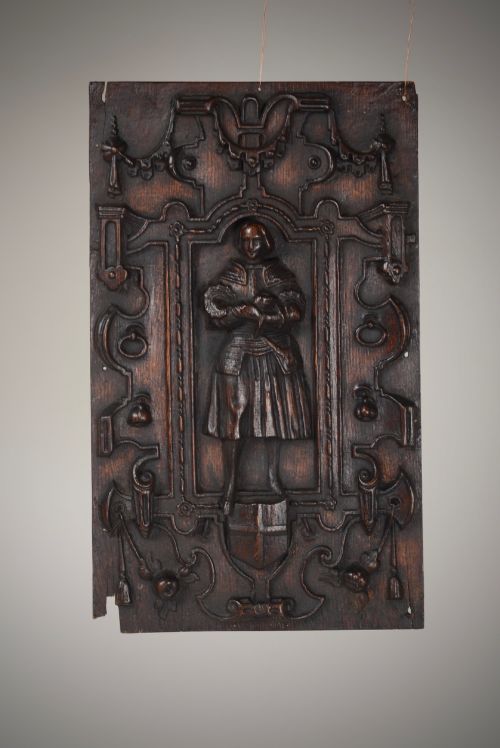
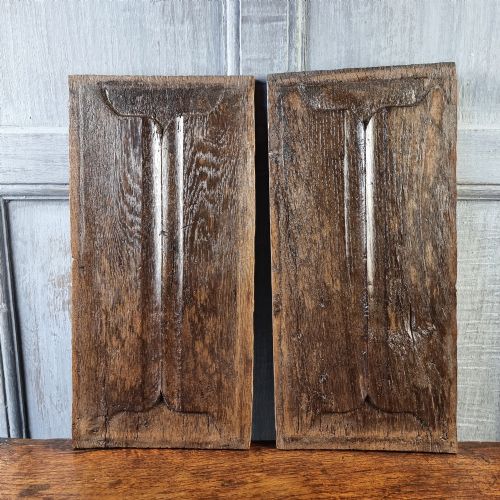
The selections you meet on this page include individual carved panels, architectural fragments, and linenfold designs. Some examples incorporate supplementary materials such as polychrome and gesso alongside the primary timber.
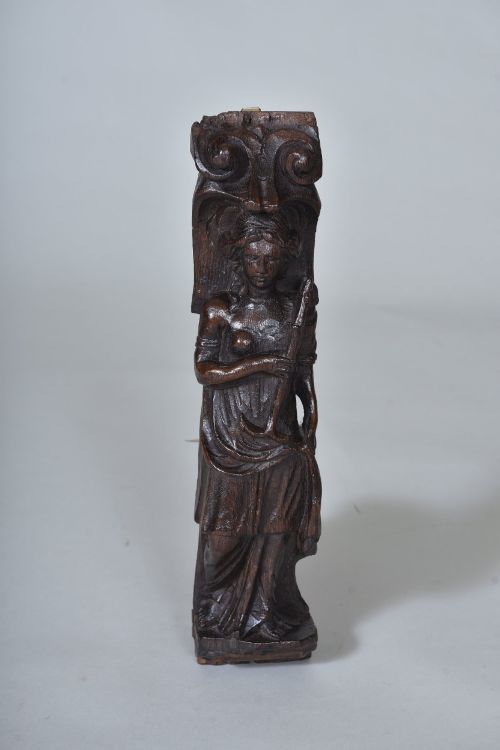
Originating as parts of altarpieces, larger wall schemes, or furniture, these fragments survive as standalone decorative objects. They range from early sixteenth-century figurative sculptures to later revival interpretations.
How they were made
Maker-carvers shaped these objects using solid oak timber, employing hand tools to create deep relief carvings and pierced openwork. Techniques include specialised linenfold planes to replicate folded cloth and intricate chiselling for acanthus leaf motifs.
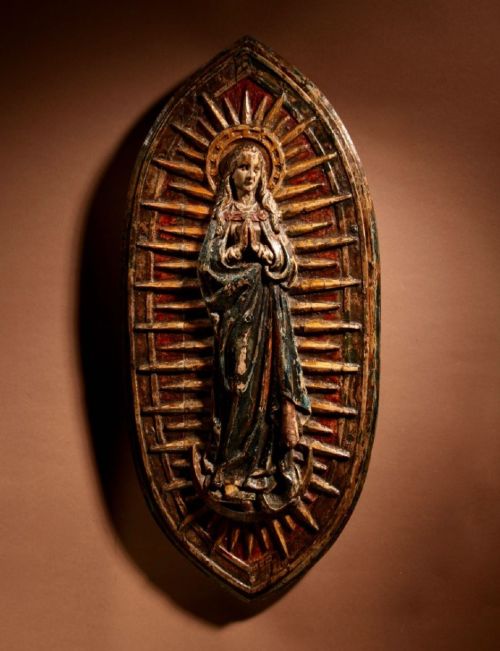
Certain panels integrate gesso and polychrome paint applications over the wood substrate to add colour and raised detail. Construction methods reflect the joinery practices of the period, from sixteenth-century ecclesiastical workshops to nineteenth-century revivalist benches.
Retail Price Guide 2026
Typical UK retail prices for dark oak wall panel, calculated from the Sellingantiques database of over a million retail prices indexed since 2003. This retail price guide relies exclusively on Sellingantiques data; no external sources or auction records are used, so the figures do not describe the wider market.
One surviving medieval oak sculpture depicts the praying Virgin standing upon the half moon alongside a carved snake.
What varies in quality
The standard of a carved wood panel rests upon the depth, sharpness, and confidence of the chisel work. Crisply articulated acanthus leaves and finely folded linen panels demonstrate superior sculptural competence compared to softer, shallower cutting.
Original surface preservation also distinguishes finer examples, particularly where traces of early polychrome or gesso survive intact. The integrity of the timber grain and the complexity of the original architectural context elevate the standing of a piece.
The Dark Oak Wall Panel Glossary
- Linenfold
- A style of wood carving that imitates vertical folds of fabric, commonly used on panels during the Tudor period. This motif gives flat wooden surfaces a textile-like texture.
- Acanthus
- A Mediterranean plant leaf motif frequently carved in relief during the Baroque period. Artisans stylised these organic curves to ornament architectural woodwork and furniture.
- Polychrome
- The practice of decorating architectural elements and sculptures in a variety of colours. This surface treatment often appears on early ecclesiastical woodwork.
- Gesso
- A paint mixture consisting of a neutral binder mixed with chalk, gypsum, or pigment. Craftsmen applied this substance as a base for fine detail work and gilding.
Frequently Asked Questions
How were dark oak wall panels originally used?
These elements typically formed parts of larger architectural schemes, church altarpieces, or domestic wall panelling within wealthy interiors.
Over subsequent centuries, many survived as salvaged fragments removed during building alterations and church restorations.
How do I distinguish sixteenth-century panels from nineteenth-century ones?
Sixteenth-century pieces display the characteristic tool marks, timber density, and wear patterns associated with early joinery and ecclesiastical use.
Nineteenth-century Gothic Revival examples often utilise heavier proportions or cleaner machine-assisted cuts alongside traditional hand-carving techniques.
Can I mount a heavy oak panel directly onto a wall?
Due to the substantial weight of dense historical oak, secure wall mounting requires professional assessment of the supporting wall structure.
Specialist brackets or French cleats are typically employed to distribute the weight evenly without damaging the antique timber.
How should I care for historic oak woodwork?
Maintain a stable indoor environment away from direct heat sources and extreme humidity fluctuations to prevent the oak from splitting.
Occasional dusting with a soft, dry cloth is sufficient, avoiding modern silicon-based polishes that can degrade the historic finish.