



Dark Oak Wake Table
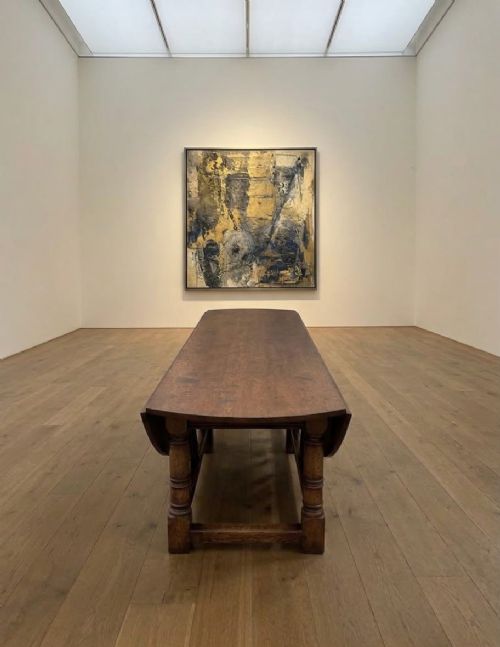
These substantial dark oak wake table examples provide generous dining space, built from heavy timbers to host large gatherings with traditional English character.
Dark Oak Wake Table
A dark oak wake table is a large dining table designed for communal gatherings, featuring a robust wooden top supported by sturdy legs. These pieces originate from various eras, including the seventeenth century and the eighteenth century, alongside later revivals from the nineteen twenties and nineteen thirties.
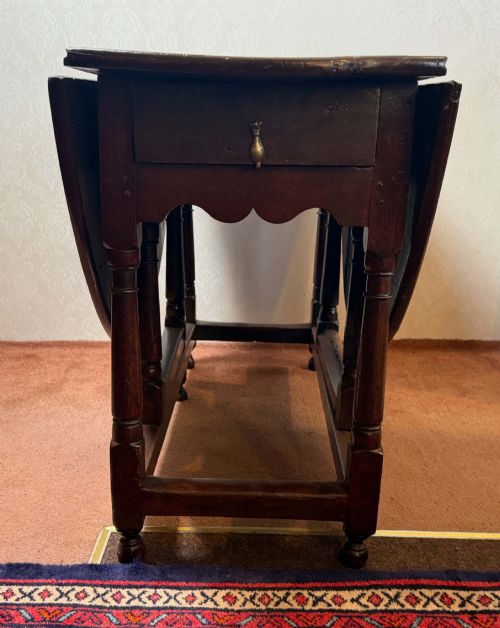
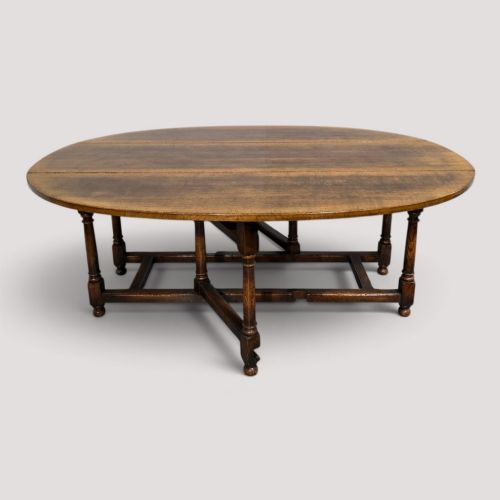
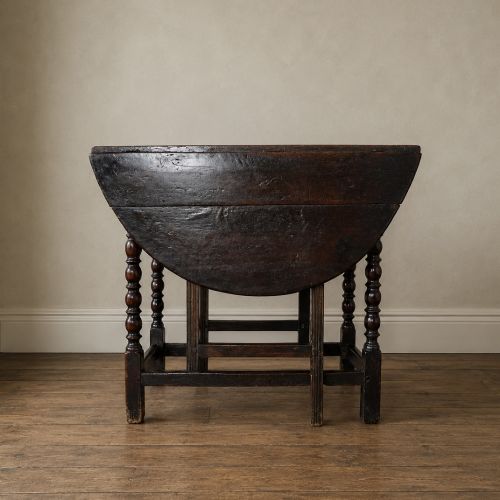
The versions most commonly met here take the form of gateleg tables and drop leaf tables. These practical formats allow the large oval or rectangular surface to fold down when not in use, making them adaptable for different spaces.
Makers utilised solid oak and iron fittings to construct these heavy dining tables. The resulting pieces reflect traditional English country and Jacobean styles, prioritising functional size and durable construction over delicate ornamentation.
How they were made
Carpenters built these tables using solid oak timbers, selected for strength and durability. Iron components often reinforced the folding gateleg mechanisms that supported the large drop leaves.
Joinery techniques relied on heavy framing to bear the weight of the extended leaves. The timber received simple surface finishes that darkened over centuries of use and exposure to light.
Dark Oak Wake Table Retail Price Guide 2026
Typical asking prices for dark oak wake table among the pieces listed under this phrase on Sellingantiques today, from the lower quarter to the upper quarter. They describe what is for sale here now, not the wider market.
Listings feature oak materials paired with iron hardware across periods spanning the seventeenth century through to nineteen thirty.
What varies in quality
The primary distinction lies in the age of the timber and the authenticity of the period construction. Seventeenth century and eighteenth century examples display the natural patination of early surfaces, whereas nineteen thirties revivals utilise older styles with newer methods.
Proportion and scale also define the better pieces, particularly those retaining six or more legs for structural stability. The thickness of the solid oak top and the smoothness of the drop leaf action separate standard examples from superior ones.
The Dark Oak Wake Table Glossary
- Wake table
- A large communal dining table traditionally used for parish wakes and large gatherings. These pieces often feature oval tops supported by multiple folding legs.
- Gateleg table
- A dining table with hinged leaves supported by legs that swing out like a gate. This design provides maximum surface area when open and compact storage when closed.
- Drop leaf table
- A table with a fixed centre section and hinged flaps on either side. These flaps lift up to extend the surface area.
- Jacobean
- A decorative style dating from the early seventeenth century characterised by heavy proportions and dark wood. Pieces from this era display straightforward geometric construction.
- Solid oak
- Timber taken directly from the oak tree rather than veneered onto a secondary wood. This material provides the structural integrity required for large tables.
Dark Oak Wake Table: Frequently Asked Questions
What is a dark oak wake table used for?
These large tables serve as primary dining surfaces designed to seat many people comfortably. Their folding drop leaf design historically allowed rooms to be cleared when the furniture was not needed.
Today, they function well in spacious dining rooms as central gathering points. Their robust construction handles daily family use while retaining historical character.
How do I tell an old table from a revival?
Examining the timber joints and surface wear reveals the age of the piece. Seventeenth century and eighteenth century examples display hand-tooled marks and deep patination accumulated over generations.
Revival pieces from the nineteen twenties or nineteen thirties often feature more uniform surfaces and machine-cut elements. The construction methods beneath the top offer clear clues to the manufacturing date.
How do gateleg mechanisms work?
A gateleg mechanism consists of a hinged leg that swings outward from the central frame to support the drop leaf. When the leaf is lowered, the leg swings back flush against the base.
This pivoting action requires sturdy hinges and precise alignment to bear the weight of heavy oak leaves. Iron hardware often reinforces these moving parts on older examples.
How do I care for solid oak furniture?
Solid oak responds best to consistent indoor humidity and protection from direct heat sources. Regular dusting with a dry cloth keeps the surface clean without stripping the finish.
Applying natural wax periodically helps nourish the dark wood and maintain its historical appearance. Avoiding harsh chemical cleaners preserves the natural patination of the timber.