



Oak Coffin Table
An oak coffin table search brings up sturdy provincial seating and tables built to last centuries.
Oak Coffin Table
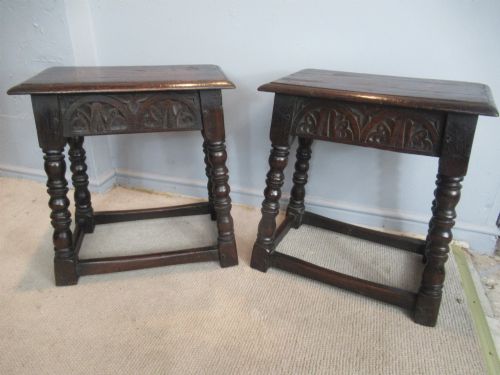
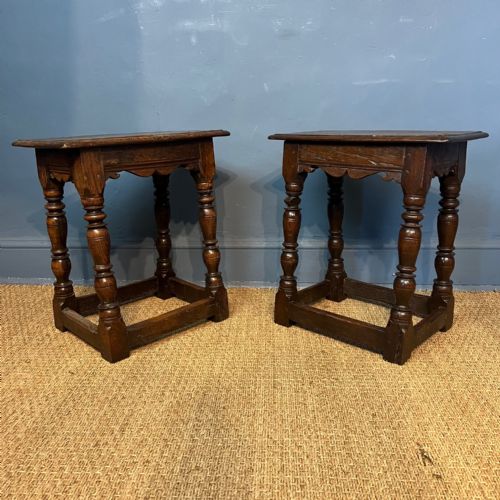
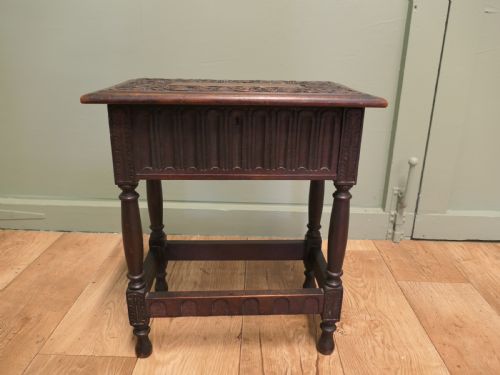
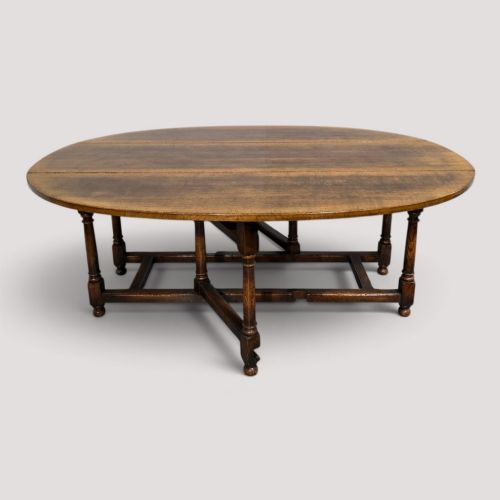
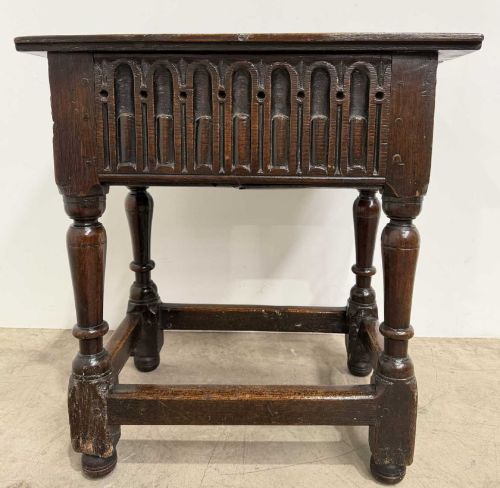
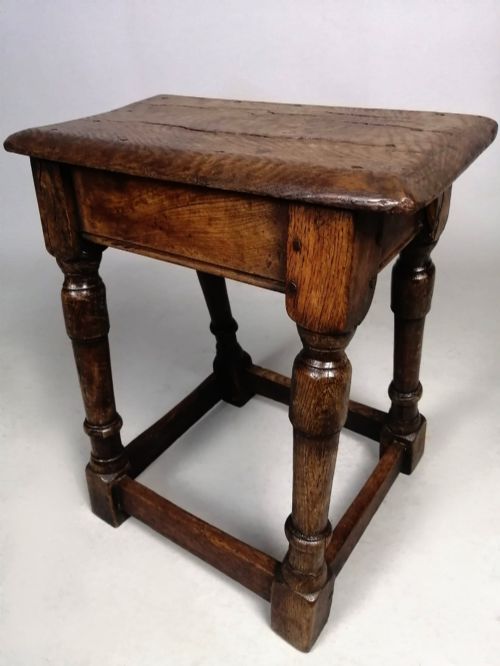
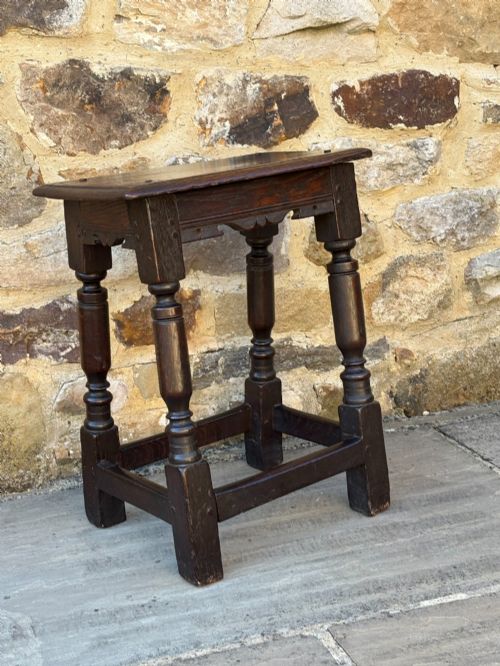
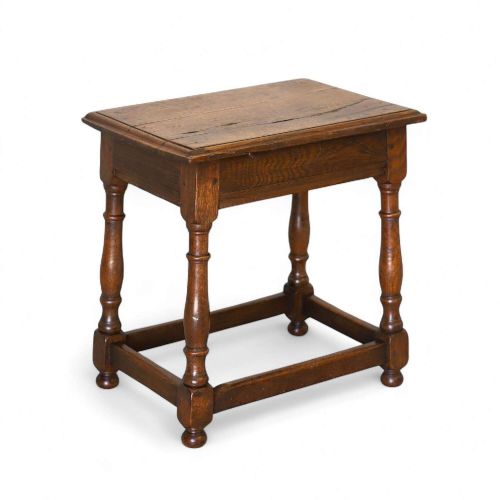
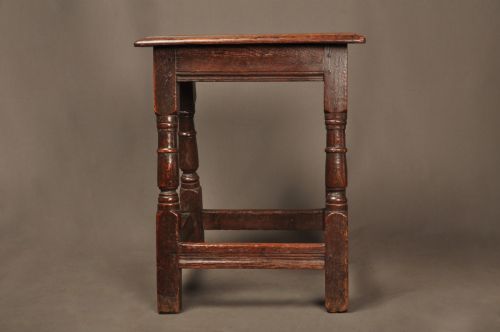
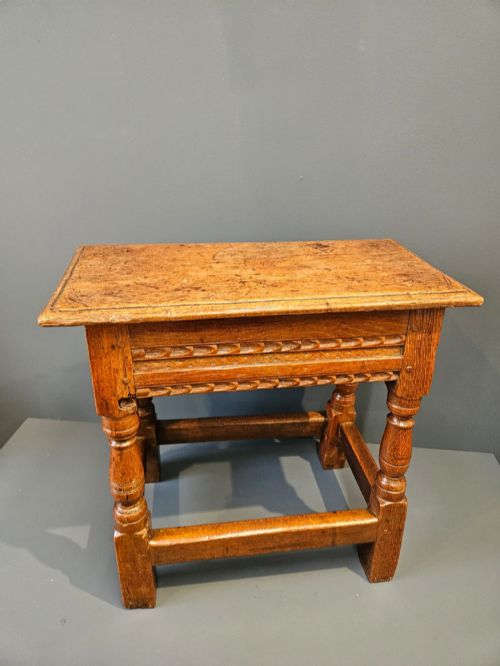
When you search for an oak coffin table, you actually encounter a selection of joint stools, occasional tables, and benches dating from the seventeenth century onwards. These robust items served multiple household purposes in English provincial life.
The most common forms on this page are joint stools and occasional tables made from solid oak, sometimes functioning as small tables or seating.
Pieces span periods from the sixteenth century through the Georgian era and later revivals, reflecting traditional English woodworking methods.
How they were made
Carpenters constructed these items using solid oak, elm, and yew wood, joined securely with wooden pegs rather than metal nails. This traditional pegged frame construction ensured maximum rigidity for daily domestic use.
Surfaces often show hand-carved details or plain boarded tops, shaped by provincial makers using simple hand tools.
Oak Coffin Table Retail Price Guide 2026
Typical asking prices for oak coffin table among the pieces listed under this phrase on Sellingantiques today, from the lower quarter to the upper quarter. They describe what is for sale here now, not the wider market.
Sturdy enough to stand on while hanging wallpaper, these little stools quietly outlived the houses they were built in.
What varies in quality
Quality depends upon the depth of the timber's natural colour, the crispness of any hand-carving, and the integrity of the original joints. Earlier seventeenth-century examples typically display denser grain and heavier timber scantlings.
Later revival pieces from the nineteenth and twentieth centuries vary according to how closely makers adhered to traditional joinery methods.
The Oak Coffin Table Glossary
- Joint stool
- A sturdy wooden stool built with mortise and tenon joints, commonly used for seating or as a small table. They date heavily from the seventeenth century and subsequent revival periods.
- Wooden pegs
- Dowels used by historical carpenters to secure joints without relying on metal fasteners. They are characteristic of traditional oak furniture construction.
- Jacobean
- A seventeenth-century design style associated with the reign of James I, noted for rectilinear forms and geometric carving. Revival versions appeared in later centuries.
- Provincial
- Furniture made in regional workshops rather than metropolitan centres, typically displaying robust construction and straightforward utility.
Oak Coffin Table: Frequently Asked Questions
What is a joint stool?
A joint stool is a solidly built wooden seat constructed with pegged mortise and tenon joints by traditional carpenters.
They were versatile household items used for sitting or as small utility tables.
How old are these tables?
The items listed span from the sixteenth and seventeenth centuries through to later revival periods in the nineteenth and twentieth centuries.
Provincial makers reproduced these traditional forms across multiple eras.
What woods were used?
Constructed primarily from solid oak, these pieces also incorporate elm and yew wood for specific structural or decorative elements.
Traditional makers selected these native hardwoods for their exceptional durability.
How do I spot a revival piece?
Revival items often date from the Victorian, Edwardian, or later periods while imitating sixteenth and seventeenth-century styles.
They utilise period characteristics but show construction traits consistent with later manufacturing dates.