
Dark Oak Column
A dark oak column provides a solid vertical anchor in a room, turning practical supports into sculptural statements.
Dark Oak Column
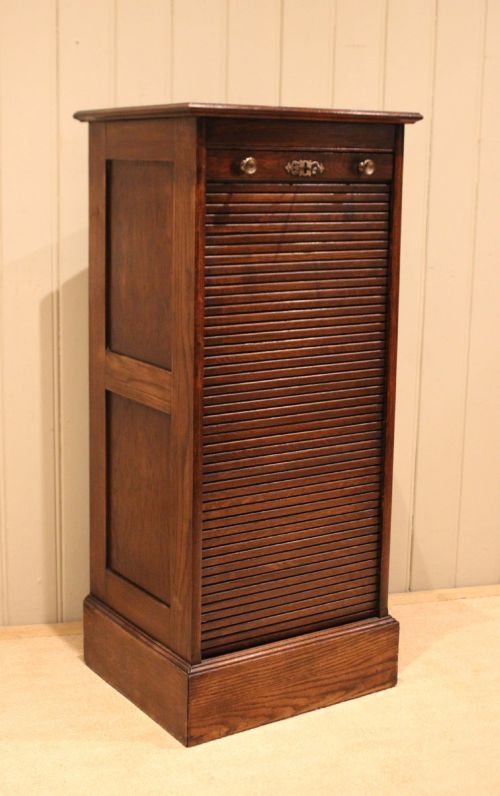
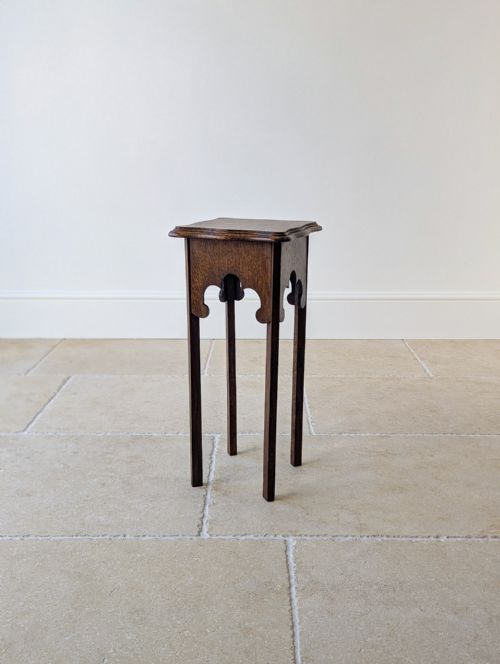
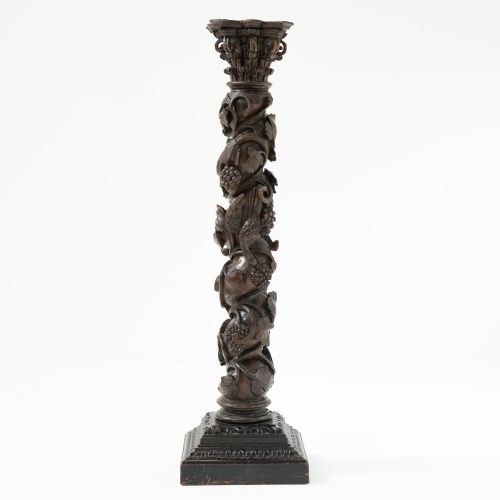
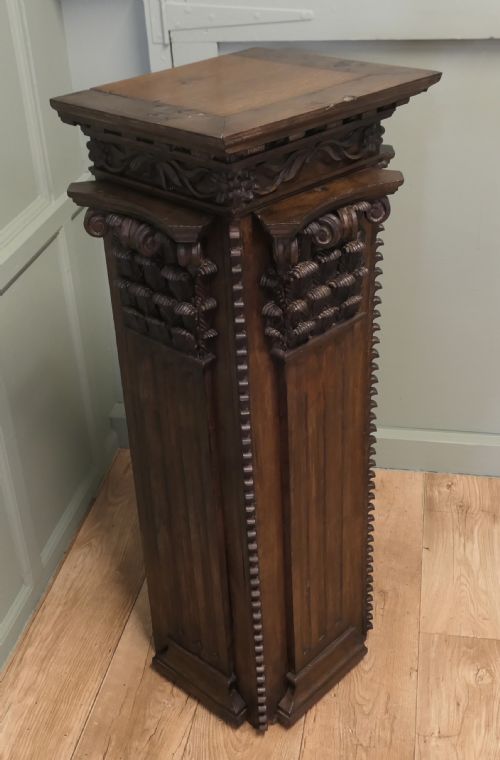
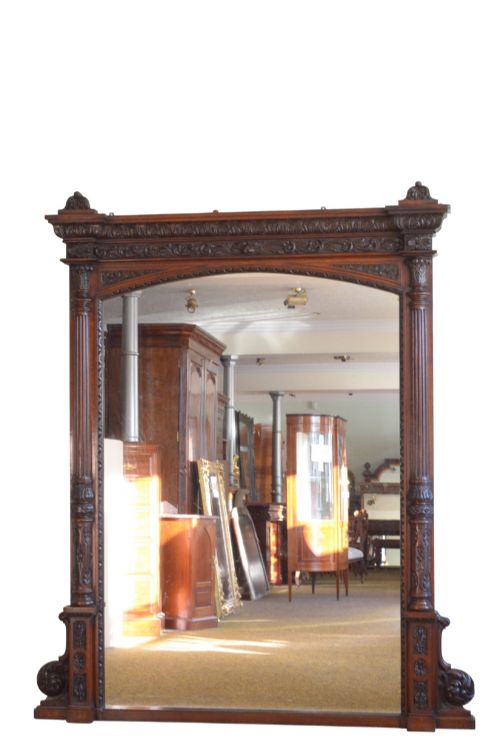
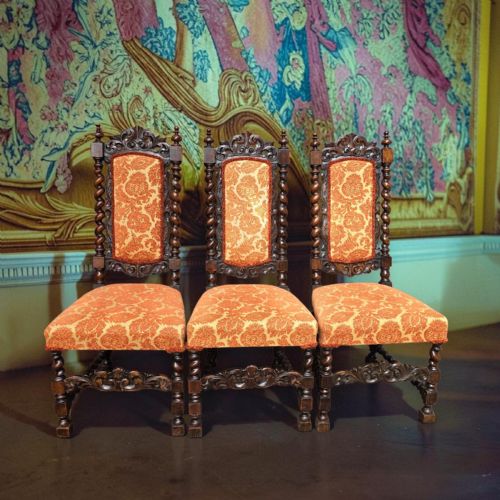
The dark oak column search phrase covers architectural salvage, pedestals, plant stands, table supports, and framing elements on mirrors and cabinets. These items appear across periods spanning the eighteenth and nineteenth centuries into the early twentieth century, alongside revival styles like Jacobean, Gothic, and French Renaissance.
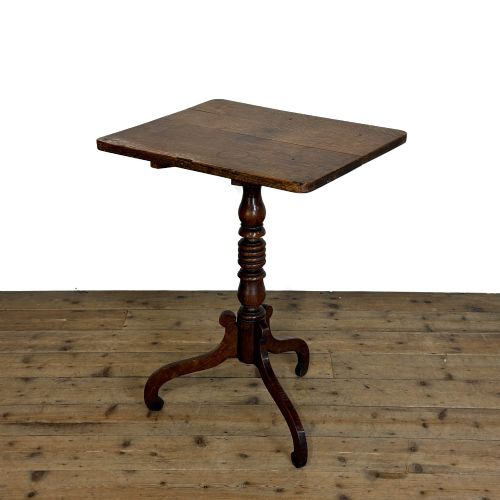
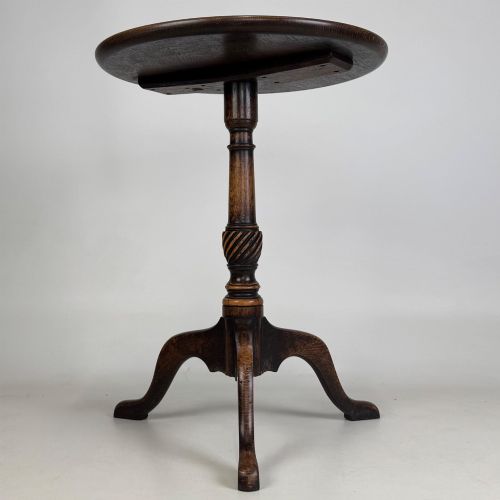
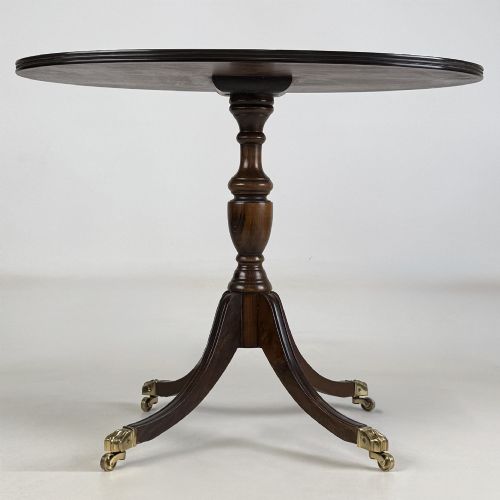
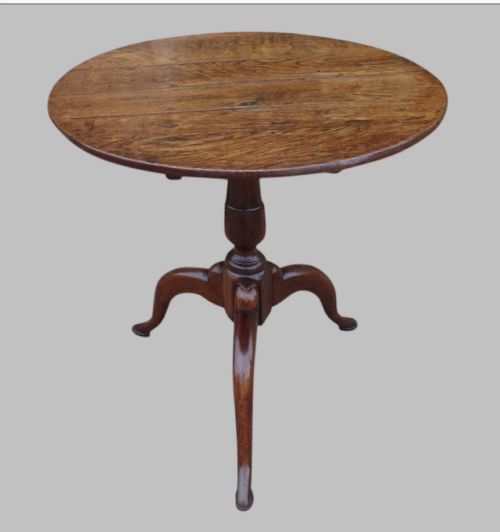
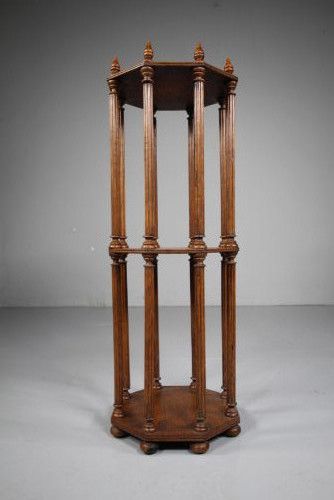
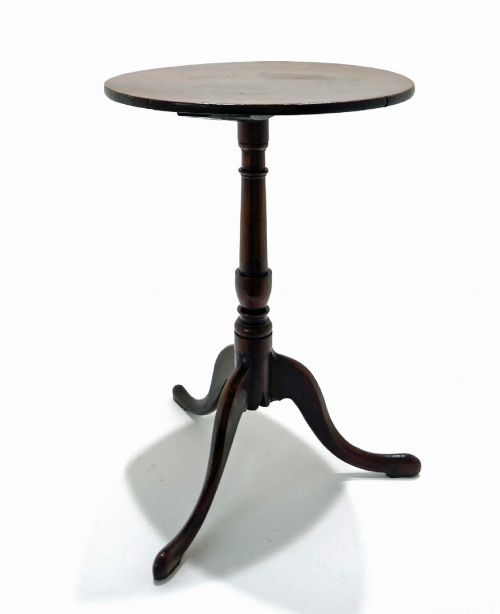
Buyers encounter structural uprights from tables and stands, such as the slender columns on eighteenth-century tripod tables or the barley twist stems on plant stands and candlesticks. Architectural elements like pedestals, torcheres, and caryatid supports also populate this group.
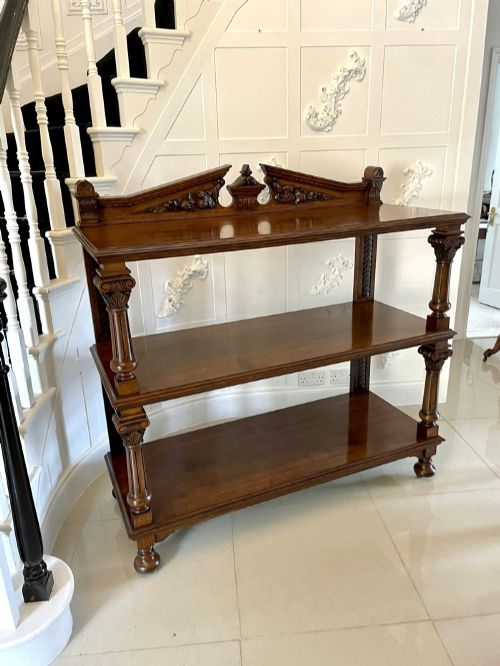
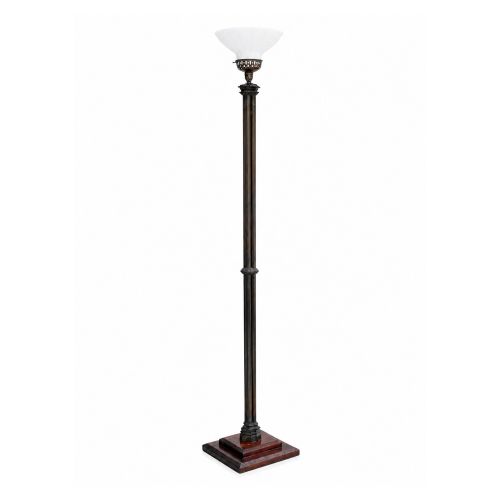
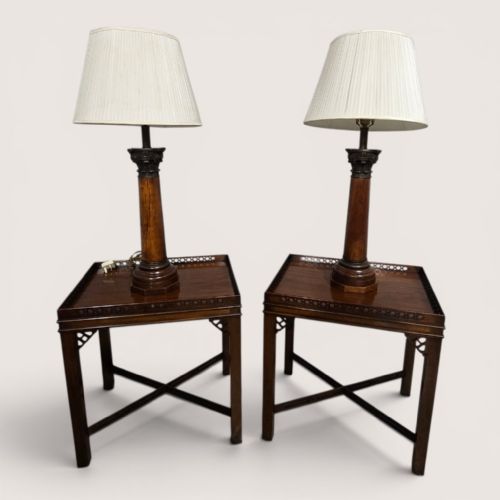
The selection includes specific forms like Solomonic columns, Corinthian column pairs on lamps and delft racks, and structural legs on occasional and side tables. These objects draw attention to vertical timber grain and turned or carved profiles.
How they were made
Items in this category rely primarily on solid oak, carved oak, and burr oak veneer, frequently paired with secondary timbers like pine or yew wood. Metal fixings, brass details, and glass components supplement the timber structures in lamps, mirrors, and cabinets.
Constructors employed turning lathes for barley twist and slender column stems, alongside hand-carving techniques for capitals, caryatids, and surface enrichment. Timber sections underwent jointing using traditional carpentry methods suitable for load-bearing furniture and architectural fragments.
Listings span the eighteenth century, nineteenth century, and early twentieth century, including Georgian, Victorian, Edwardian, and Regency periods.
What varies in quality
The distinction between ordinary and superior pieces rests on the depth and crispness of the hand-carving, the selection of figured timber such as burr oak, and the integrity of the original surface finish. Well-executed turning on columns and candlesticks maintains proportional balance and symmetry down the shaft.
Proportion and architectural correctness differentiate standard utilitarian items from important decorative examples, such as seventeenth-century French Renaissance serving tables or eighteenth-century Solomonic pedestals. Integration of matching pairs, like Corinthian oak lamps, adds consistency to structural details.
The Dark Oak Column Glossary
- Solomonic column
- A twisted, spiral-shafted column resembling a helix. This form appears on eighteenth-century pedestals and tables.
- Barley twist
- A spiral turning resembling a twisted rope, common on plant stands, table legs, and candlesticks from the Victorian and Edwardian periods.
- Torchere
- A tall stand or pedestal designed to support a light or a plant. Examples in this category take the form of carved oak columns.
- Caryatid
- A sculpted female figure serving as an architectural support in place of a column. These appear on nineteenth-century pedestals.
- Delft rack
- A wall-mounted plate shelf, sometimes framed by architectural columns. Eighteenth-century examples combine oak and pine.
Dark Oak Column: Frequently Asked Questions
What is a dark oak column used for?
These items function as structural supports for tables, display pedestals for plants or sculpture, and architectural fragments mounted as decor.
They bring height and vertical emphasis to room layouts while offering sturdy platforms for objects.
How do I date a dark oak column?
Dating relies on the joinery methods, tool marks, timber selection, and stylistic details associated with periods like Georgian, Victorian, or Edwardian.
Revival styles from the nineteenth century often imitate earlier seventeenth and eighteenth-century forms through machine or hand turning.
Are these columns solid oak?
The listings comprise solid oak, carved oak variations, and burr oak veneers over secondary woods depending on the object type.
Architectural salvage and structural table legs typically utilise solid timber for load-bearing strength.