






Baroque Carved Column
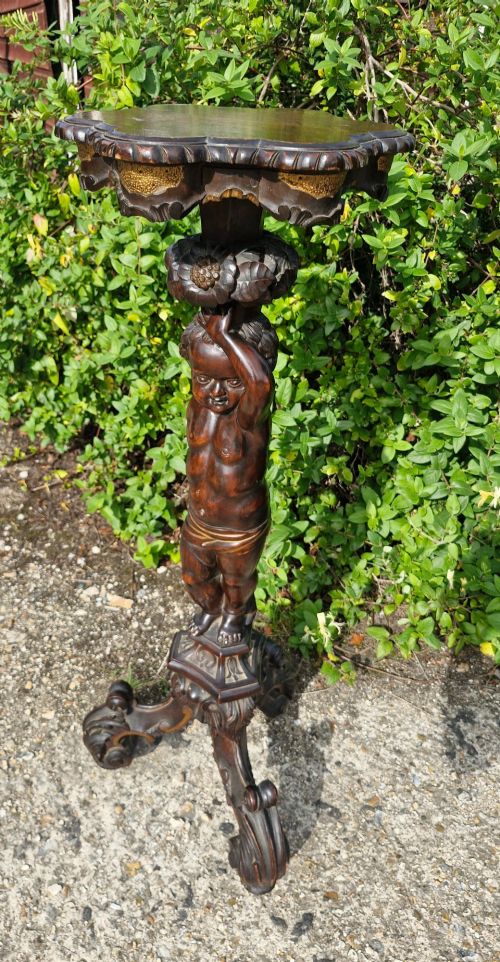
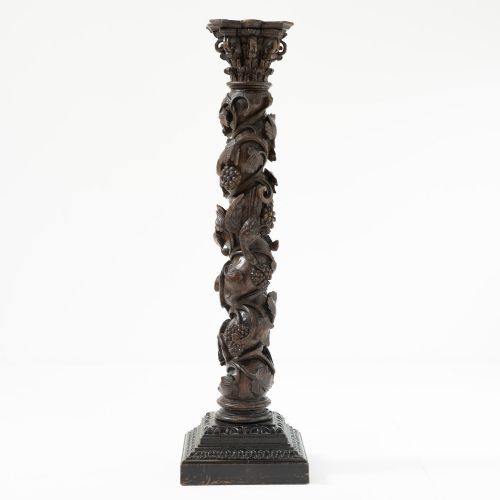
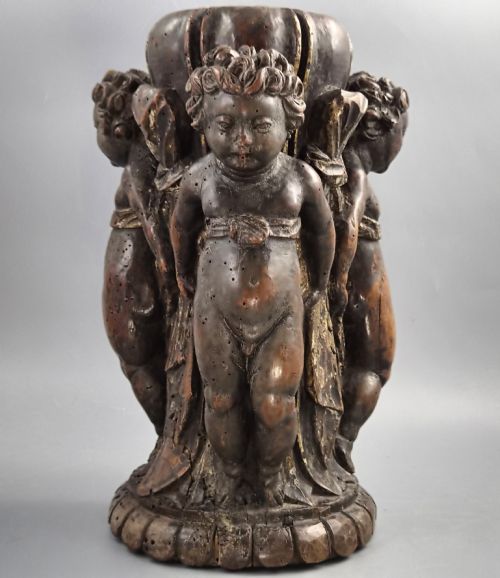
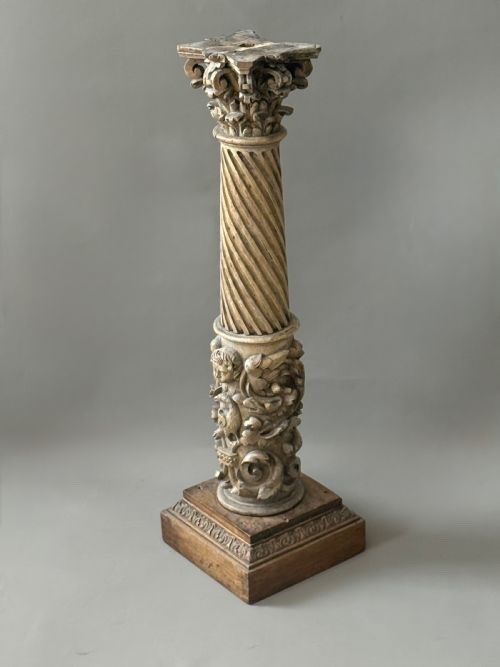
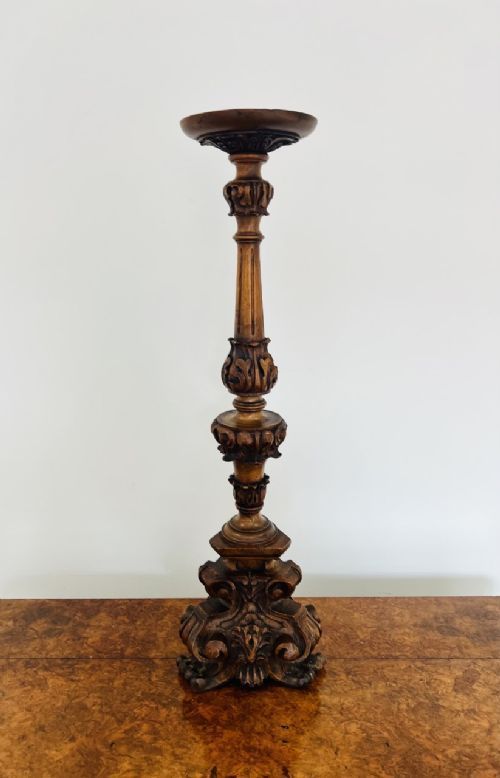
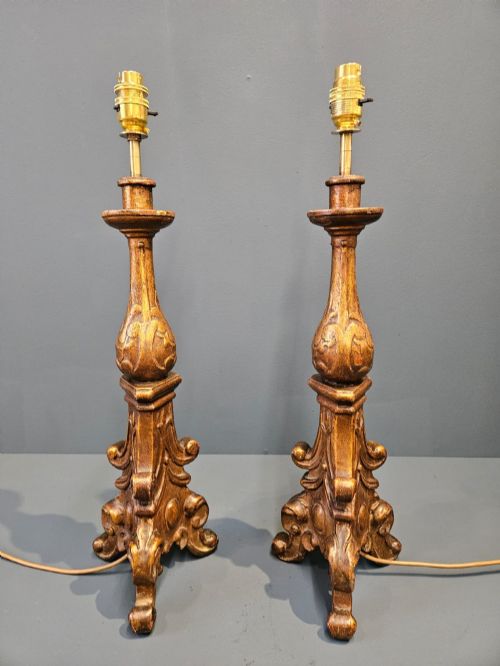
These baroque carved column pieces are architectural supports and torcheres built for display, bringing dramatic presence to a room.
Baroque Carved Column
A baroque carved column brings architectural form indoors, functioning primarily as torcheres, pedestals, and lamp bases. When searching for a baroque carved column, buyers encounter items ranging from seventeenth-century walnut torchere bases to nineteenth-century revival pieces.
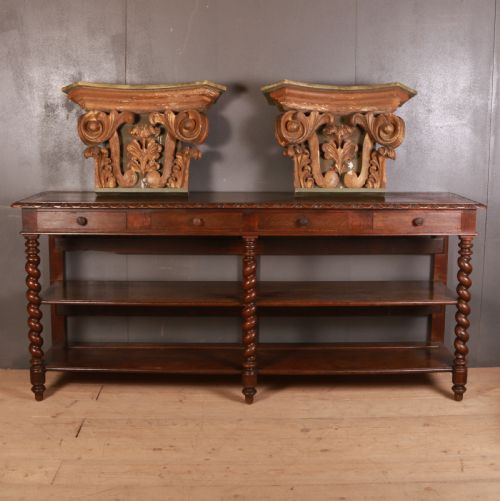
Forms span from monumental wooden pillars to triform pedestals and carved oak Solomonic columns. These objects adapt well to modern interiors while retaining their historical decorative purpose.
Materials and construction
Carvers shaped these pieces predominantly from walnut, oak, and pine, applying gesso and paint to create finished surfaces. Craftsmen utilised gold leaf and parcel gilt techniques to highlight intricate sculptural details.
The construction relies on solid carved wood, often built in sections for large torcheres and columns. Surface treatments include original or aged paint finishes alongside gilded elements that catch the light.
Baroque Carved Column Retail Price Guide 2026
Typical asking prices for baroque carved column among the pieces listed under this phrase on Sellingantiques today, from the lower quarter to the upper quarter. They describe what is for sale here now, not the wider market.
Materials across this selection include carved oak, walnut, pine, gesso, paint, and gold leaf.
Evaluating craftsmanship
Quality rests in the depth and fluidity of the carving, particularly where figures like putti or complex foliage wrap around the shaft. Superior execution shows crisp detail in the acanthus leaves and the smooth twists of Solomonic columns.
The integrity of the original gesso and gilt surfaces also distinguishes finer examples from later restorations. Heavier proportions and substantial timber scaling generally indicate superior workshop standards.
The Baroque Carved Column Glossary
- Solomonic column
- A twisted column shaft resembling a spiral vine, popular in baroque architecture and furniture design. This form creates dynamic movement and catches light effectively.
- Torchere
- A tall ornamental stand or candlestick designed to hold a light source. They often feature carved wooden bases and decorated platforms.
- Giltwood
- Timber covered with a thin layer of gold leaf or powder. This finish adds luminosity and richness to baroque and revival furnishings.
- Gesso
- A plaster-like mixture applied to wood as a base for painting and gilding. It allows craftsmen to carve fine details before applying surface decoration.
- Triform
- Having three sides or a triangular base arrangement. Such supports provide stability for tall pedestals and torcheres.
Baroque Carved Column: Frequently Asked Questions
What were baroque carved columns used for?
These items served as decorative supports for lighting, sculptures, or urns in grand interiors.
They functioned primarily to elevate objects of importance and to provide vertical emphasis in large rooms.
How do I date a carved wooden column?
Dating relies on examining the wood species, tool marks, and the wear beneath the base. Stylistic clues like seventeenth-century twist turns versus nineteenth-century revival proportions also help.
Surface treatments such as layered gesso and historic paint provide further evidence of age.
Are these columns suitable for modern lamps?
Many of these pieces are adapted specifically to serve as large lamp bases or candlesticks. Their height and sculptural form make them striking sources of ambient lighting.
Wiring can usually be integrated without compromising the structural integrity of the antique wood.
What is the difference between Italian and English styles?
Italian examples often feature more dramatic figurative carving, such as putti, alongside elaborate parcel gilt and painted surfaces. English pieces tend to use native timbers like oak and walnut with simpler structural lines.
Continental baroque pieces frequently display greater scale and more exuberant ornamentation than their British counterparts.