


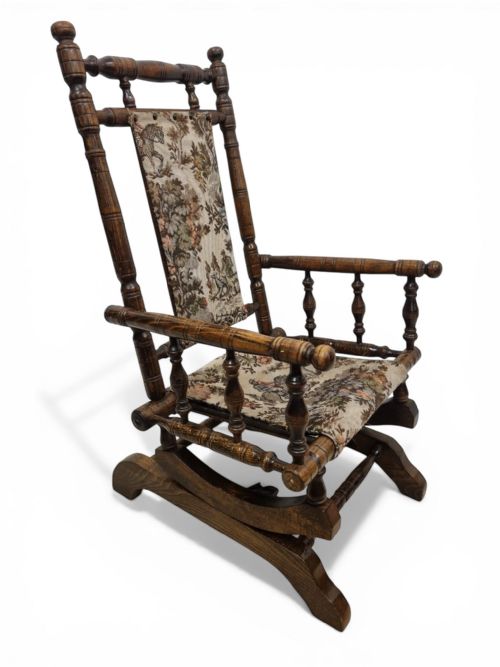

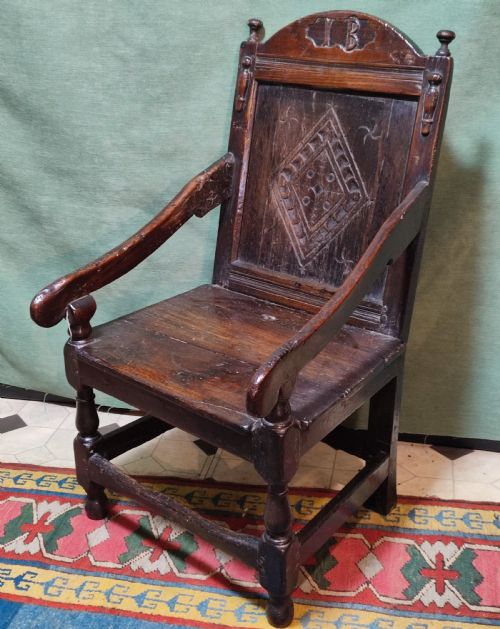


Dark Oak Childs Chair
A dark oak childs chair brings centuries of vernacular craft into miniature scale, offering tangible domestic history that collectors prize for its honest construction.
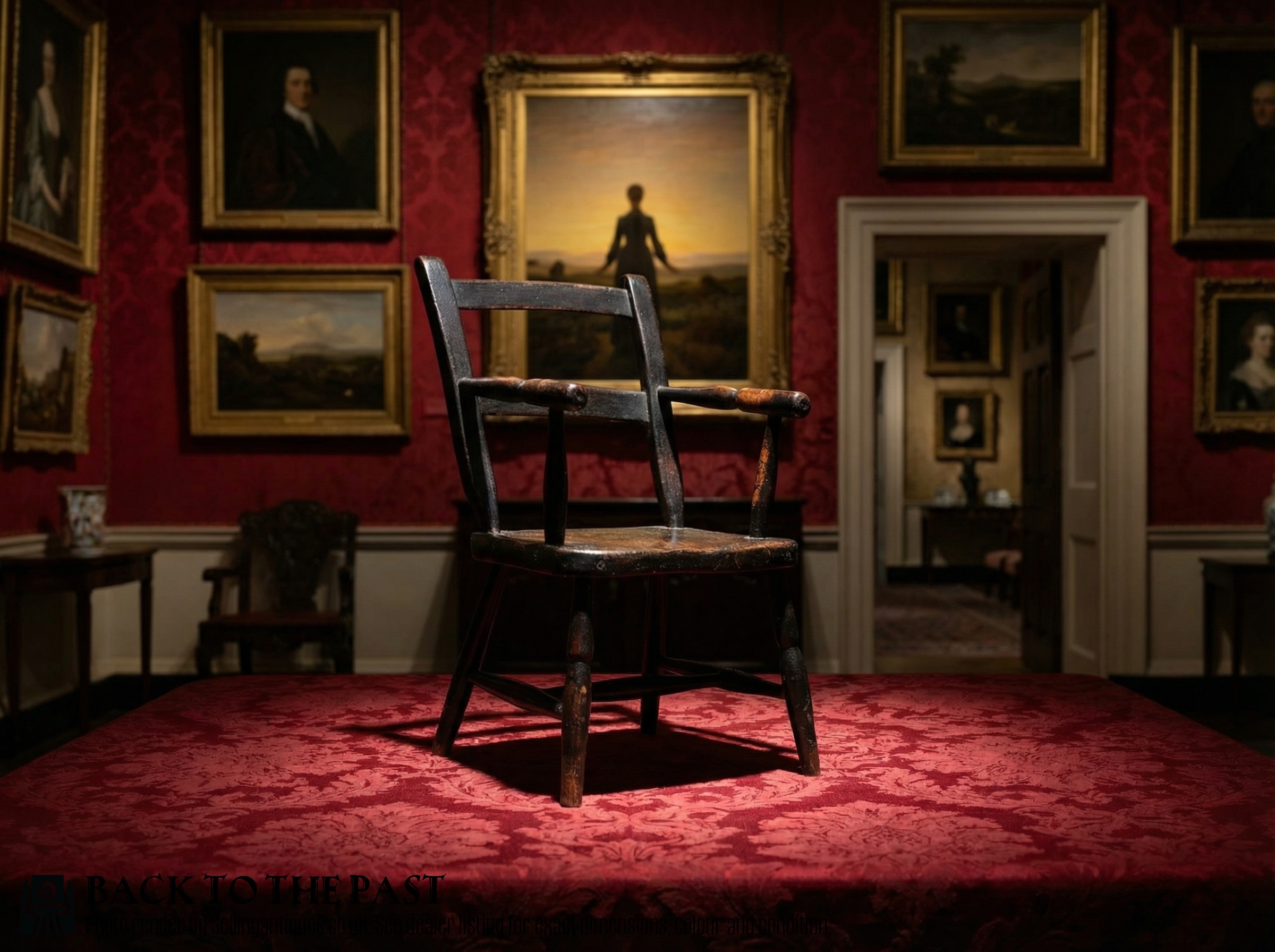
Dark Oak Childs Chair
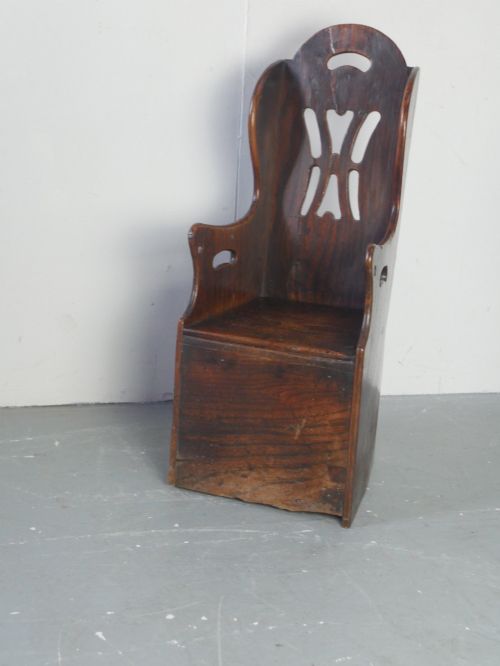
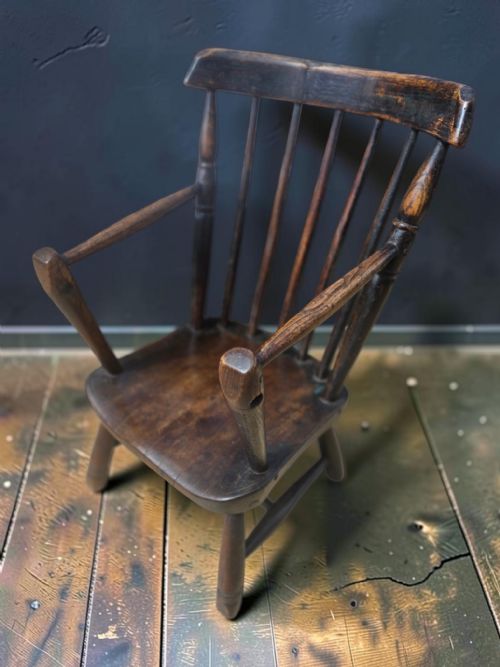
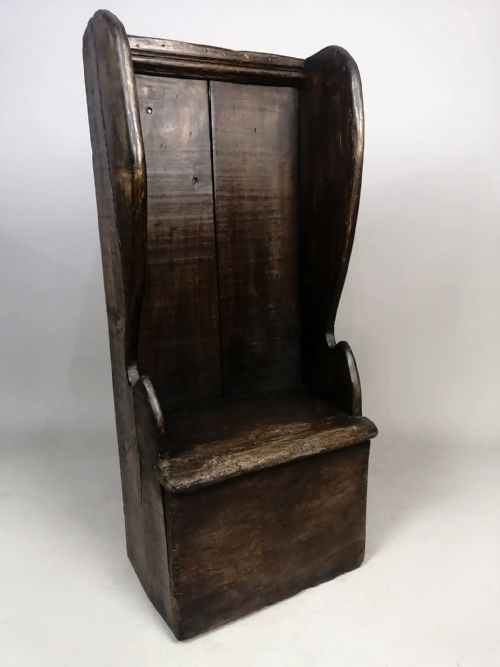
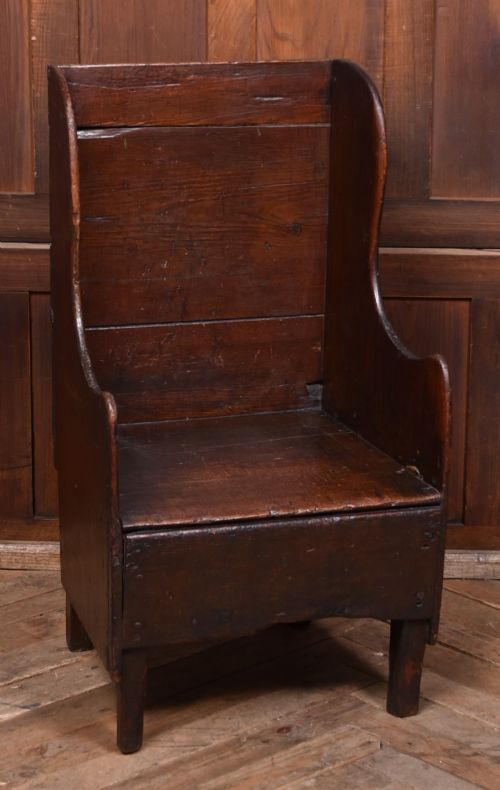
When you search for a dark oak childs chair, you are looking at scaled-down seating intended for children, spanning centuries of regional vernacular production. These pieces range from primitive stick-back forms and highchairs to miniature lambing chairs and wainscot armchairs.
The versions most likely to meet you on this page are 17th, 18th, and 19th-century English and Welsh country examples. Makers built these seating forms using sturdy local timbers, adapting adult vernacular designs into smaller dimensions for domestic use.

Materials and construction
Makers constructed a dark oak childs chair primarily using solid oak frames, frequently combining secondary native woods such as elm, ash, and fruitwood for seats and spindles. Joinery methods relied on traditional pegged mortise and tenon joints, or turned wooden components.
Surface details involve straightforward hand-carving, initialled or dated panels, and rush seating or tapestry fabric upholstery. Country makers shaped stick-backs and hoop-backs using steam-bending and simple lathe-turning techniques suited to regional workshops.
Dark Oak Childs Chair Retail Price Guide 2026
Typical asking prices for dark oak childs chair among the pieces listed under this phrase on Sellingantiques today, from the lower quarter to the upper quarter. They describe what is for sale here now, not the wider market.
One surviving oak highchair preserves the stamped initials R.D. and the exact year 1688, giving a seventeenth-century toddler a permanent place in history.
Evaluating quality and proportion
Quality in a dark oak childs chair rests upon the harmony of its miniature proportions and the integrity of its original timber. Superior examples display thoughtful regional design, such as balanced Windsor hoop-backs or early joined framework, rather than crude assembly.
The distinction between ordinary and exceptional pieces lies in untouched surface patination and structural survival. Original joined frames, early dated inscriptions, and untouched country surfaces elevate a piece far above heavily restored alternatives.
The Dark Oak Childs Chair Glossary
- Lambing chair
- A hooded or winged low chair designed to keep draughts away from the occupant. In miniature, these feature enclosed lower sides and robust wooden construction.
- Wainscot chair
- An early wooden armchair constructed with panelled backboards and joined framing. These heavy seats reflect sixteenth and seventeenth-century joinery traditions.
- Stick-back
- A chair construction method where turned spindles or plain sticks are inserted directly into a solid wooden seat. Regional makers utilised this method extensively in country vernacular furniture.
- High chair
- Elevated seating designed to raise a child to table height. These often incorporate independent footrests or fixed wooden stands.
- Vernacular
- Everyday objects made by local craftsmen using traditional regional methods and available materials. These pieces prioritise practical utility over formal academic design.
Dark Oak Childs Chair: Frequently Asked Questions
How old is my dark oak childs chair?
Dating relies upon examining construction methods, tool marks, timber shrinkage, and joinery styles. Seventeenth-century examples typically show joined panel construction, whereas later nineteenth-century pieces often utilise steam-bending and machine-turned spindles.
Comparing the specific vernacular style and wood species against documented regional pieces helps narrow the decade of production. Documentation such as carved dates or initials occasionally provides a definitive point of reference.
Were these chairs meant for everyday use?
Historical evidence indicates these scaled chairs served practical domestic roles for feeding or nursing within the household. Families commissioned or built them to endure daily juvenile use.
Their sturdy oak and elm construction ensured survival through generations of domestic life. Today, their robust build allows them to continue functioning as decorative or gentle display items.
How do I identify a Welsh country chair?
Welsh country chairs often display distinctive stick-back or primitive Windsor configurations utilising native oak, ash, and fruitwood. Makers in different Welsh regions developed specific spindle arrangements and seat shapes.
Examining the undercarriage and turning style reveals regional idiosyncrasies distinct from English urban workshops. Local material availability dictated the choice of secondary woods combined with the primary oak.
Should I wax a dry oak surface?
Applying a microcrystalline wax helps nourish dry historic timber and protects the surface from further moisture loss. Avoid modern varnishes or stripping agents that destroy historical patination.
Gentle application with a soft brush preserves the accumulated texture built up over centuries of handling. Maintaining the natural finish retains the historical integrity of the timber.