


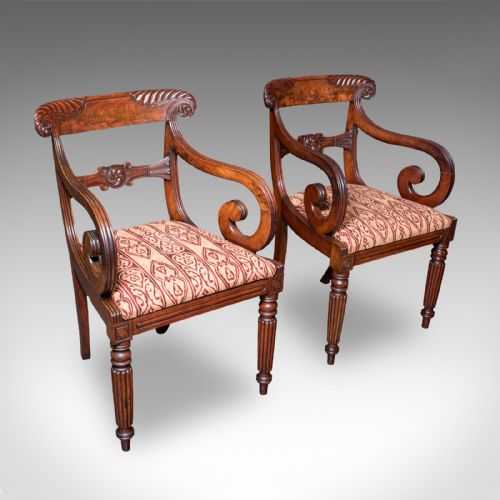
Dark Mahogany Seat
Dark mahogany seat options span grand 18th century examples and refined Victorian dining chairs built for everyday utility.
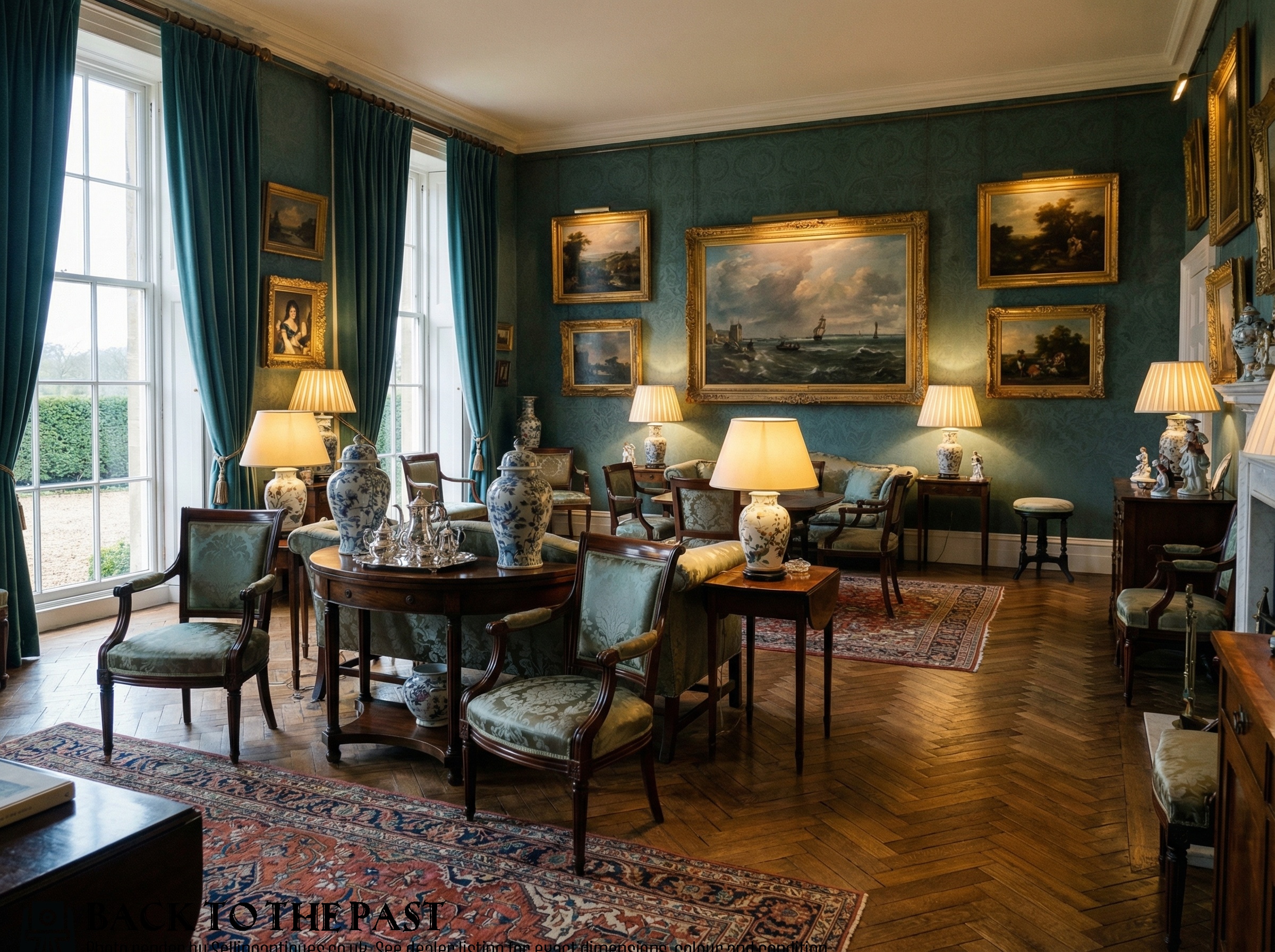
Dark Mahogany Seat
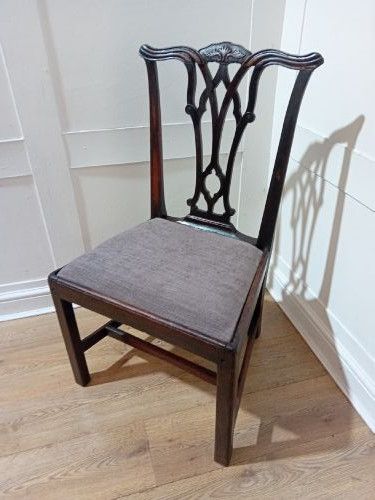
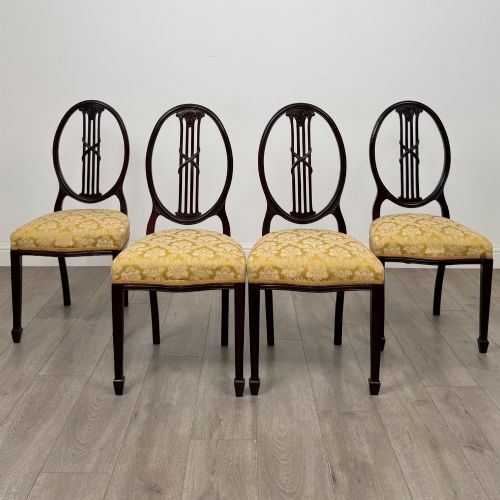
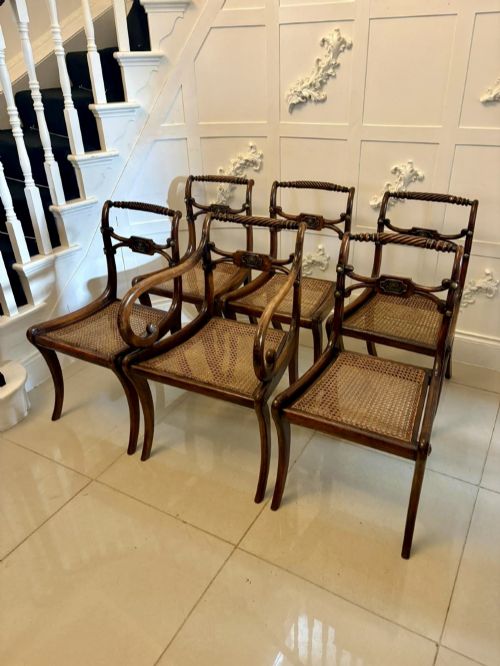
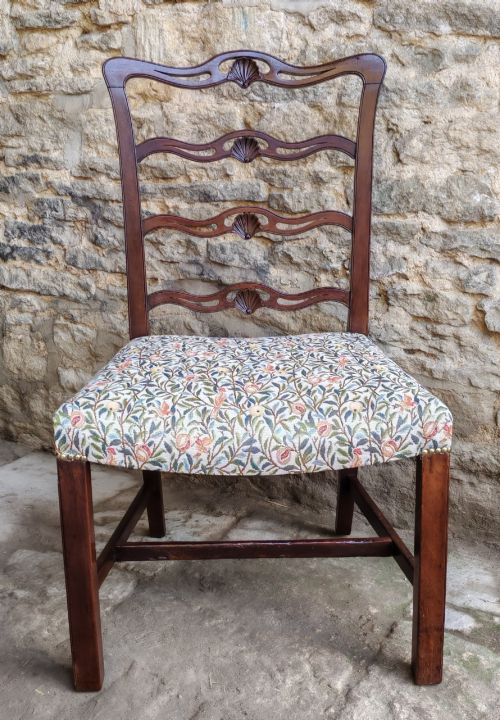
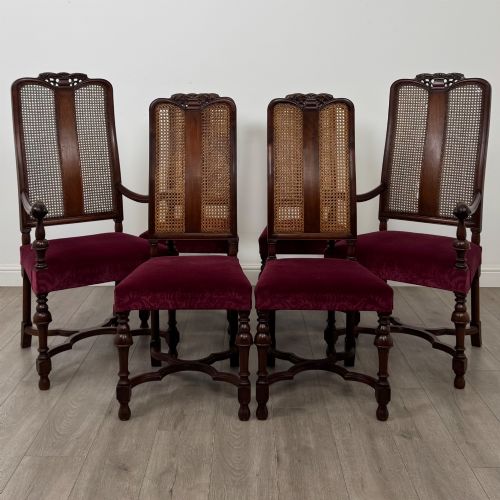
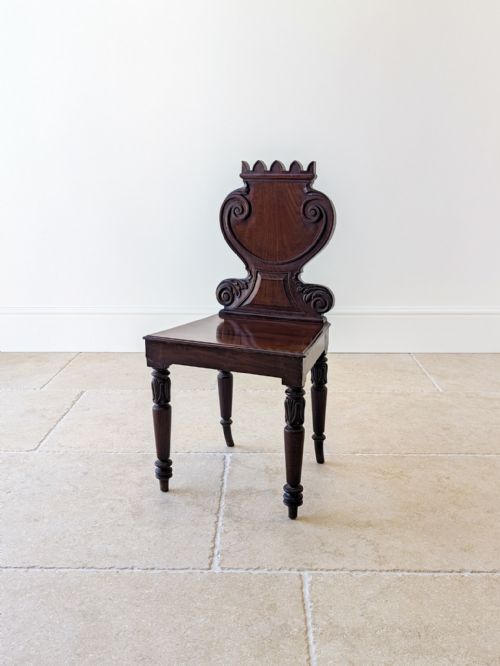
A dark mahogany seat covers a wide array of seating furniture designed in deep timber tones, originating predominantly from the 18th, 19th, and early 20th centuries. Buyers searching this phrase encounter numerous functional forms, from single hall chairs and music stools to extensive dining sets numbering six, eight, or twelve pieces.
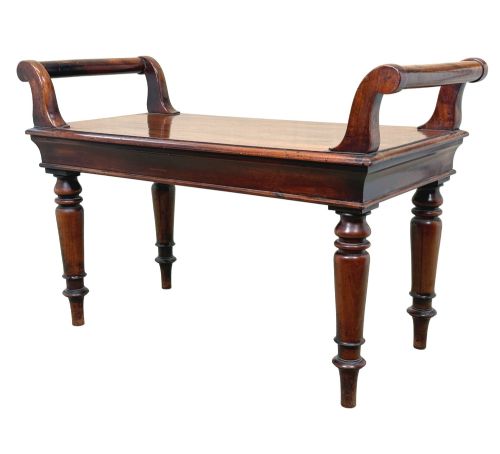
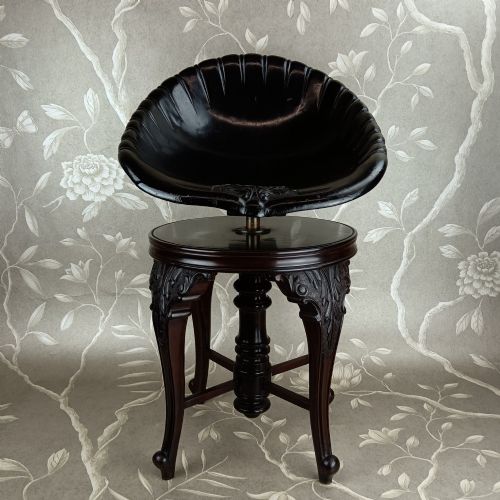
Dining chairs and armchairs dominate the selections on this page, accompanied by specialised forms such as window seats, desk chairs, and piano stools. These pieces cross notable historical styles including Georgian, Regency, Victorian, and Edwardian periods, reflecting shifting domestic fashions across British and European craftsmanship.
Materials and Construction
Makers utilised dense mahogany timber as the primary structural material, often enhanced with carved details, scrollwork, or shield backs. Structural integrity relies on traditional joinery methods suited to heavy daily use in dining rooms and halls.
Many items incorporate secondary materials such as cane seating panels, brass accents, or textile and leather upholstery. Fabric varieties span velvet and woven upholstery materials fixed securely to the wooden frames.
Dark Mahogany Seat Retail Price Guide 2026
Typical asking prices for dark mahogany seat among the pieces listed under this phrase on Sellingantiques today, from the lower quarter to the upper quarter. They describe what is for sale here now, not the wider market.
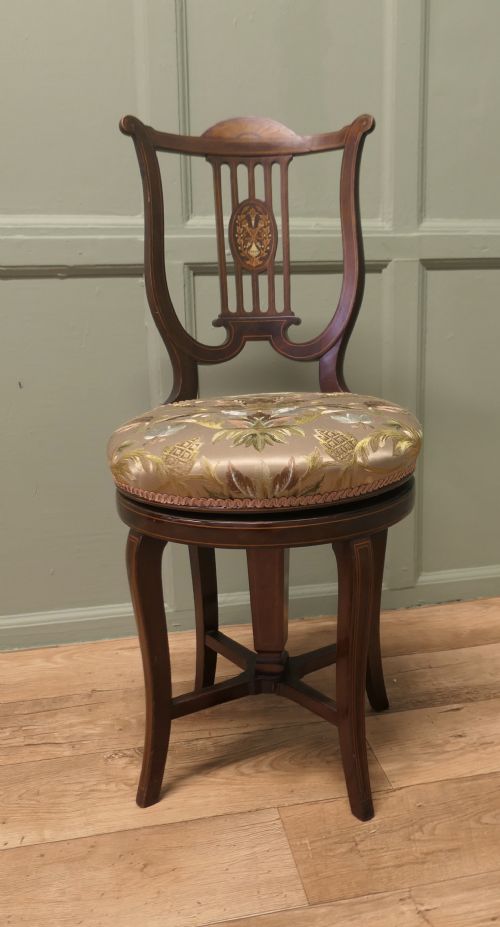
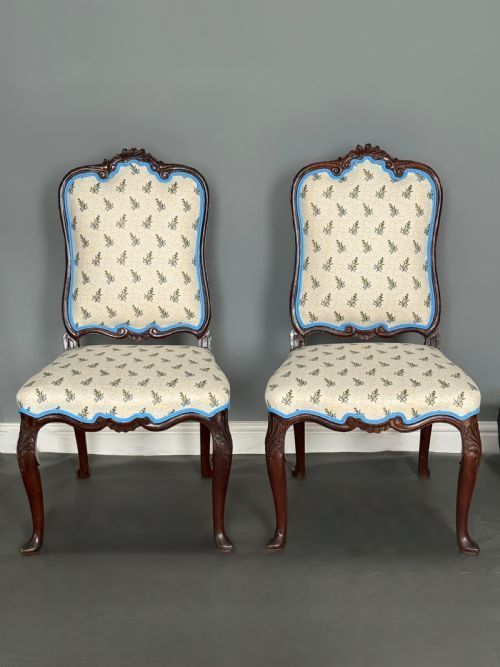
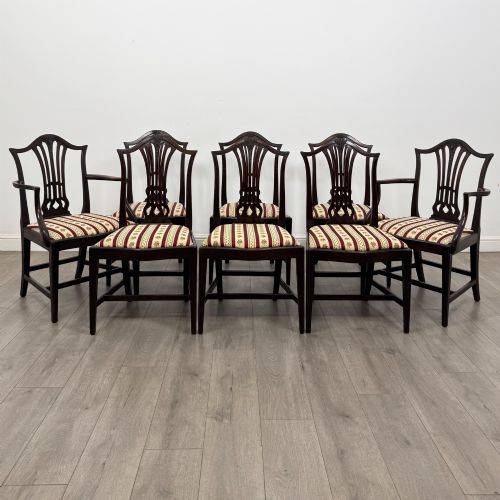
Listings feature mahogany dining chairs, music stools, and window seats spanning Georgian, Victorian, and Edwardian periods.
Evaluating Quality
The standard of a dark mahogany seat depends largely on the crispness of the timber carving and the overall weight and grain depth of the mahogany. Pieces bearing attribution to established workshops display superior precision in joinery and proportional balance.
Originality of components, including matching sets of dining chairs and preserved cane or leather surfaces, distinguishes higher grade items from later marriage pieces or heavily restored alternatives.
Jennens and Bettridge·Gillows
The Dark Mahogany Seat Glossary
- Carver
- An armchair designed with armrests, typically supplied as part of a larger set of dining chairs alongside single chairs.
- Shield back
- A chair back shaped in the outline of a heraldic shield, popular during the Georgian and late 18th century periods.
- Hall chair
- A rigid wooden seat intended for an entrance hall, often featuring a carved or painted crest on the back panel.
- Cane
- Woven plant material utilised to form permeable seat panels, frequently seen on Edwardian and Regency chairs.
- Duet piano stool
- An expanded seating bench built to accommodate two musicians side by side at a keyboard instrument.
Dark Mahogany Seat: Frequently Asked Questions
How do I date a mahogany chair?
Dating relies on examining the timber grain, tool marks, and stylistic traits associated with periods like the Georgian or Victorian eras. Construction methods often reveal whether a piece originates from the eighteenth or nineteenth century.
Changes in upholstery techniques and decorative motifs further help narrow down the manufacture date within the broader timeline of British furniture history.
Are large dining sets matched?
Many large sets of dining chairs originate from the nineteenth century as unified groups commissioned together for large households. Complete sets of six, eight, or twelve items maintain matching timber and carving.
Some collections combine carvers and single chairs designed in the same stylistic idiom, such as Chippendale or Regency patterns.
How were hall chairs used?
Hall chairs served as functional entranceway seating in substantial homes during the Georgian and Victorian periods. Guests used them briefly while waiting to be announced.
These pieces typically omitted padded upholstery to withstand dust and heavy cloaks, featuring solid wooden seats and prominent carved crests instead.
How should I care for cane seats?
Cane seating requires occasional light dusting and maintenance to prevent the natural plant fibres from drying out and snapping. Keeping the material in a stable humidity environment preserves its flexibility.
Avoid placing cane-seated chairs directly against intense heat sources or in overly damp rooms to ensure longevity.
What is a revolving music chair?
A revolving music chair is a specialised Victorian seat designed to allow harpists or cellists freedom of movement while playing. The rotating mechanism provided practical utility for musicians.
These adjustable seats often feature tripod bases and sophisticated wooden or metal screw adjustments.