


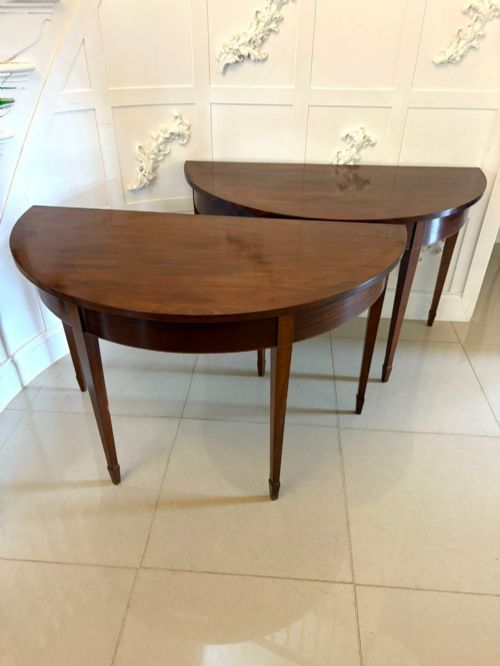
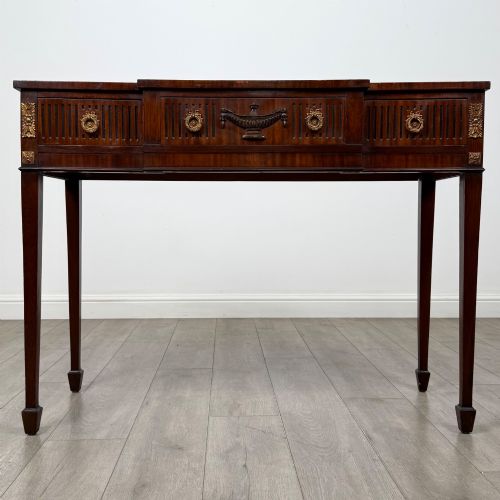
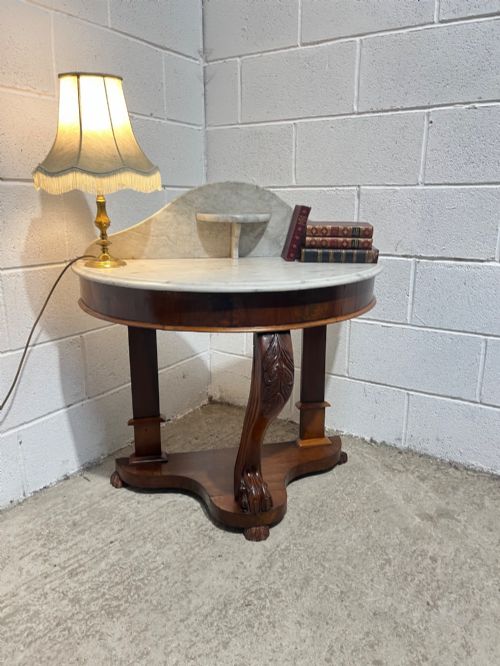
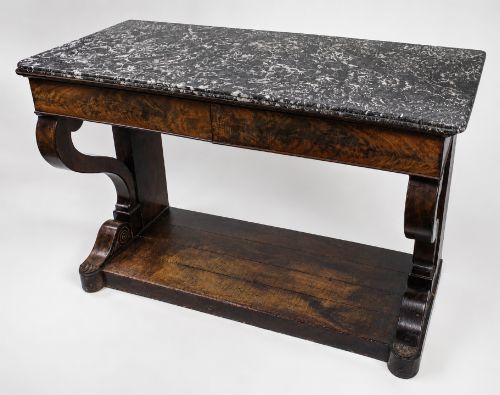

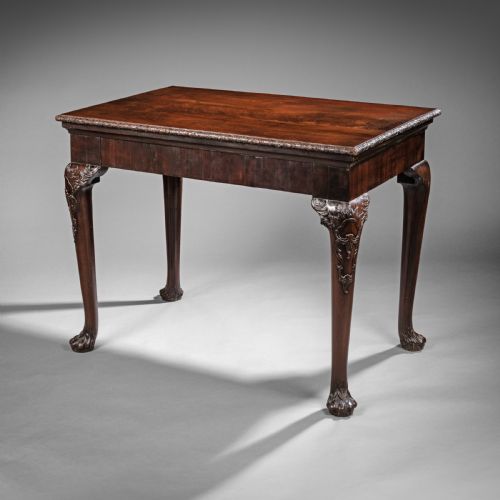
Dark Mahogany Pier Table
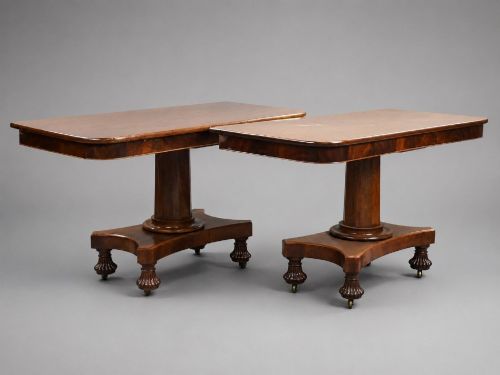
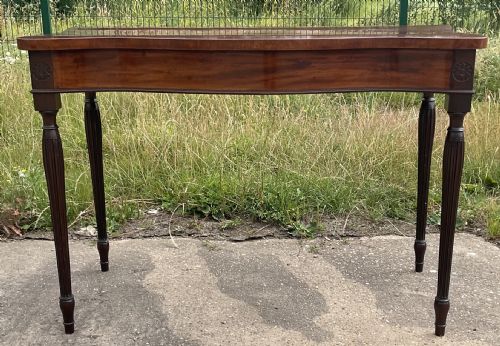
A dark mahogany pier table brings architectural presence into a room, anchoring a hallway or drawing room with rich timber and classical proportion.
Dark Mahogany Pier Table
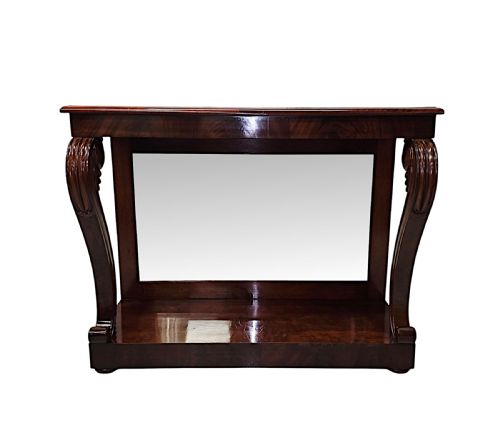
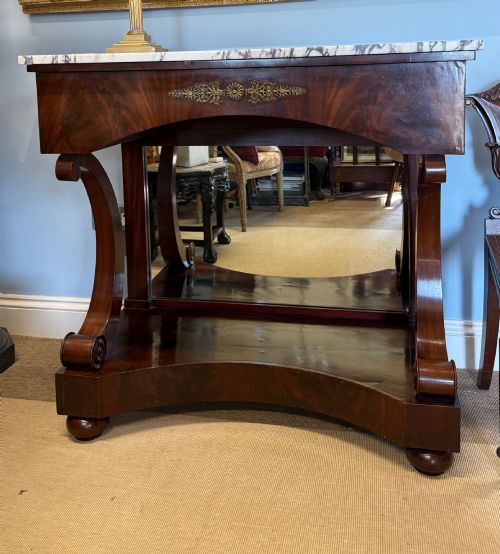
A dark mahogany pier table is typically encountered as a console or side table designed to stand against a wall, frequently incorporating marble tops and mirror backs.
The pieces on this page span the Georgian, Regency, William IV, and Victorian periods, alongside French Empire and Italian Neoclassical examples.
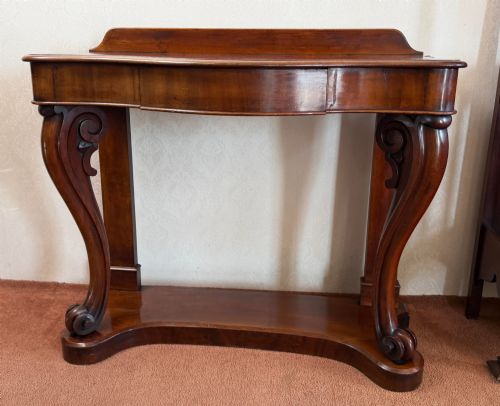
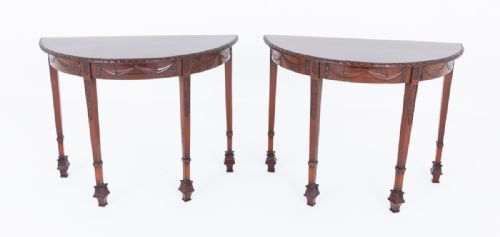
Makers often shaped these tables into demi-lune, serpentine, or rectangular formats, utilising figured timbers suited to formal interiors.
Materials and construction
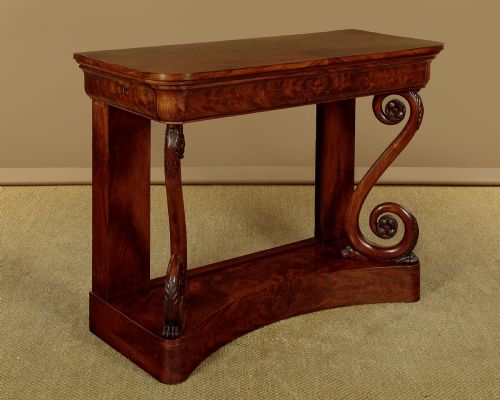
Cabinet makers relied primarily on solid mahogany and flame mahogany veneer, often enhanced by boxwood inlay and brass detailing.
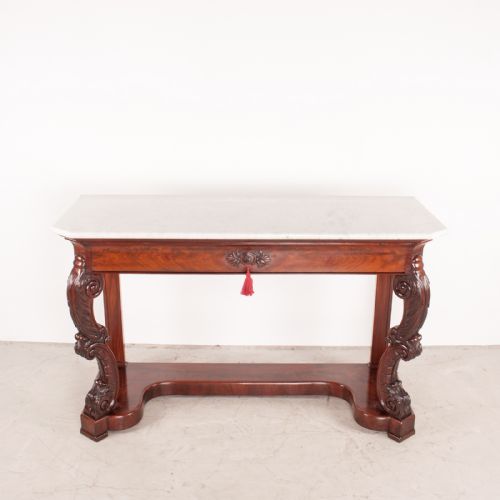
Heavy marble slabs, including fossil varieties, provide durable working surfaces for many of these console and side tables.
Structural glass and mirrored panels integrate into the rear frames of specific nineteenth-century iterations to reflect light within smaller spaces.
Irish workshops frequently added hidden structural depths to their console tables to support unusually heavy marble slabs.
Gradations in execution
The refinement of the carved details and the selection of highly figured mahogany veneers separate standard utilitarian pieces from exceptional examples.
Superior execution shows in the precision of boxwood stringing and the harmonious matching of timber grains across demi-lune and serpentine surfaces.
The integration of heavy marble slabs and original mirror glass contributes significantly to the structural integrity and visual weight of the console.
Gillingtons of Dublin·Jean Joseph Chapuis·Hicks of Dublin
The Dark Mahogany Pier Table Glossary
- Demi-lune
- Half-moon shape. This curve characterises many eighteenth and nineteenth-century console and side tables designed to fit flush against a wall.
- Pier table
- A table designed to stand against the wall between two windows. It frequently matches a mirror hung in the same space.
- Serpentine
- Wavy line. This contour describes a front edge that curves outward centrally and inward at the sides.
- Veneer
- Thin slice of wood. Craftsmen apply these figured layers over a secondary timber base to create decorative patterned surfaces.
- Console table
- Wall-mounted or bracketed support table. These pieces rely on front legs for stability while securing to the structure behind.
Dark Mahogany Pier Table: Frequently Asked Questions
Where should I place a pier table?
These tables sit naturally in entrance halls or beneath tall drawing room windows where their proportions frame the surrounding wall space.
Because they traditionally occupy narrow floor spaces against walls, they offer a surface for decorative objects without blocking interior pathways.
How do I identify a Georgian pier table?
Georgian examples often display restrained classical lines, rectilinear or demi-lune forms, and timber selection focusing on rich grain patterns rather than heavy carving.
Cabinet makers working in this style during the eighteenth and early nineteenth centuries favoured proportion and subtle boxwood stringing over ostentatious ornamentation.
Are marble tops original to these tables?
Many nineteenth-century console and pier tables were manufactured specifically to carry heavy marble or fossil marble slabs as functional display surfaces.
Inspectors can look at the rebate in the wooden framing to confirm whether the stone sits within the original timber parameters designed by the maker.
What is the difference between a console and a pier table?
While both terms describe wall-facing tables, pier tables historically occupy the wall space between windows, often paired with a matching mirror above.
Console tables encompass a broader category of wall-anchored furniture that may stand in hallways or reception rooms without a corresponding window pier.