

Dark Mahogany Drop Leaf
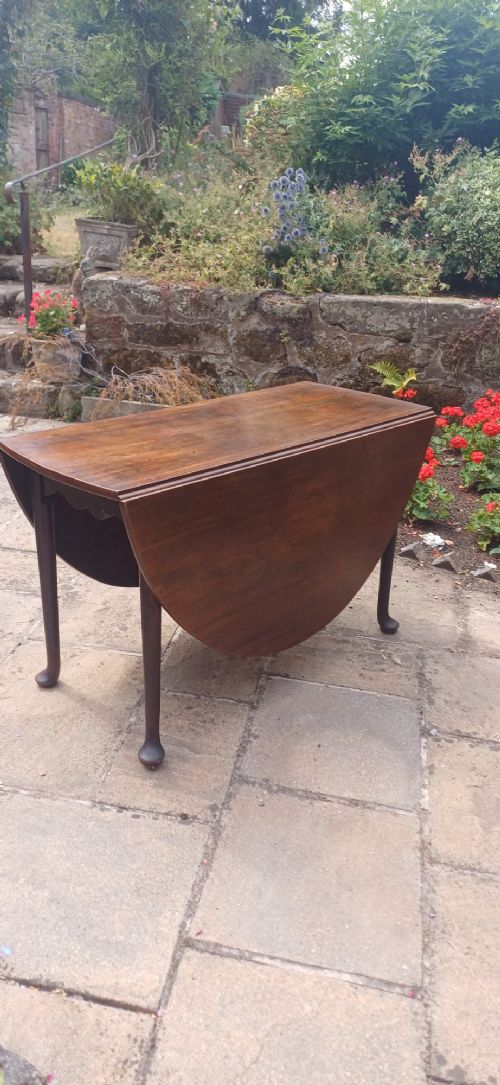
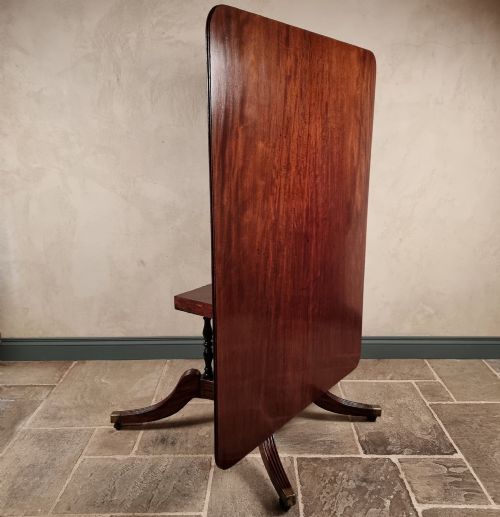
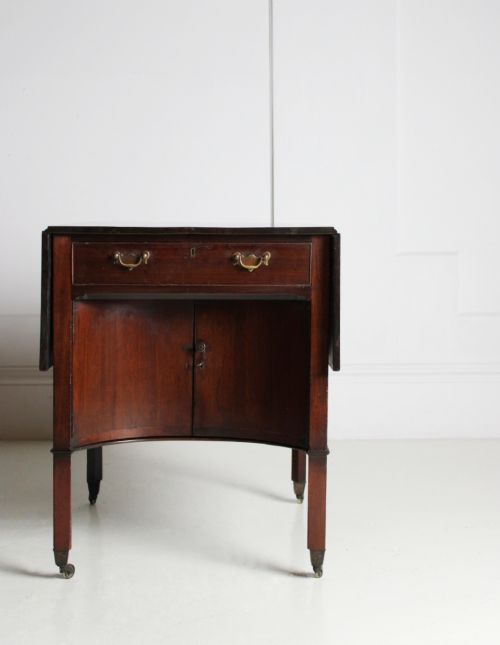
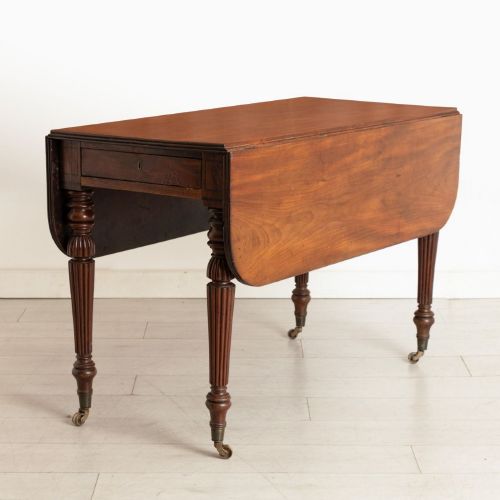
A dark mahogany drop leaf table offers folding flexibility and rich timber tone, spanning periods from George II to Edwardian revivals.
Dark Mahogany Drop Leaf
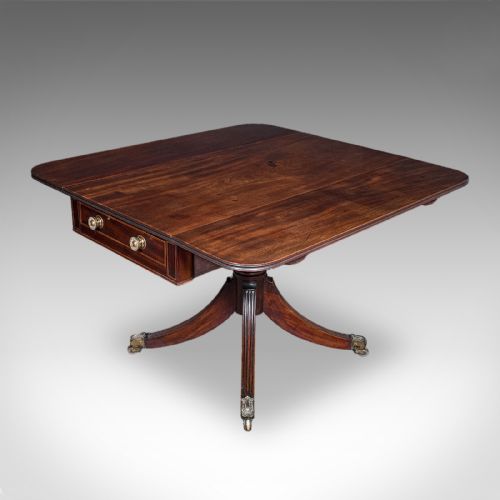
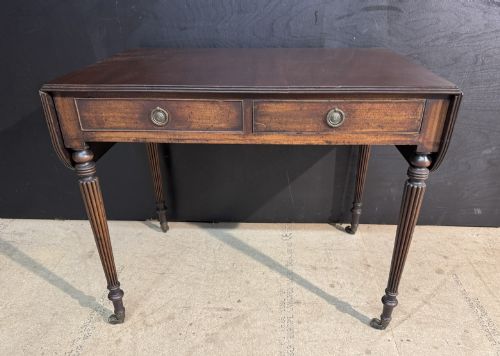
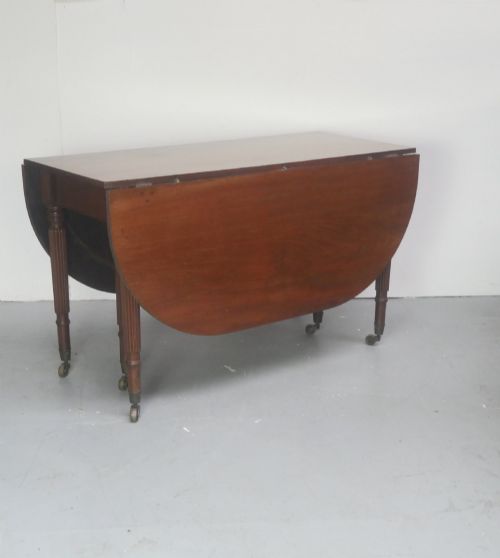
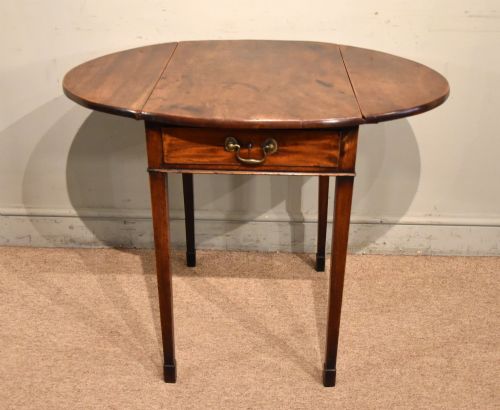
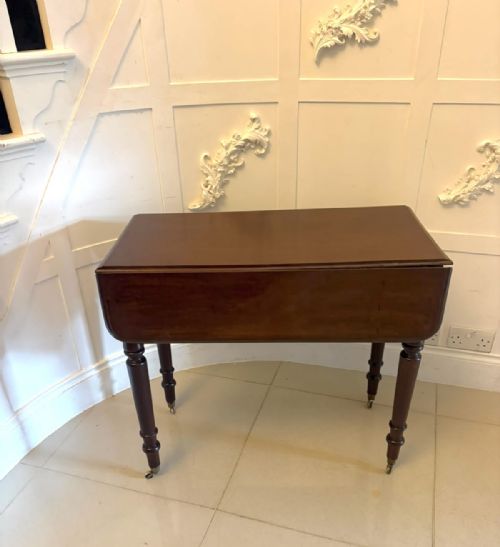
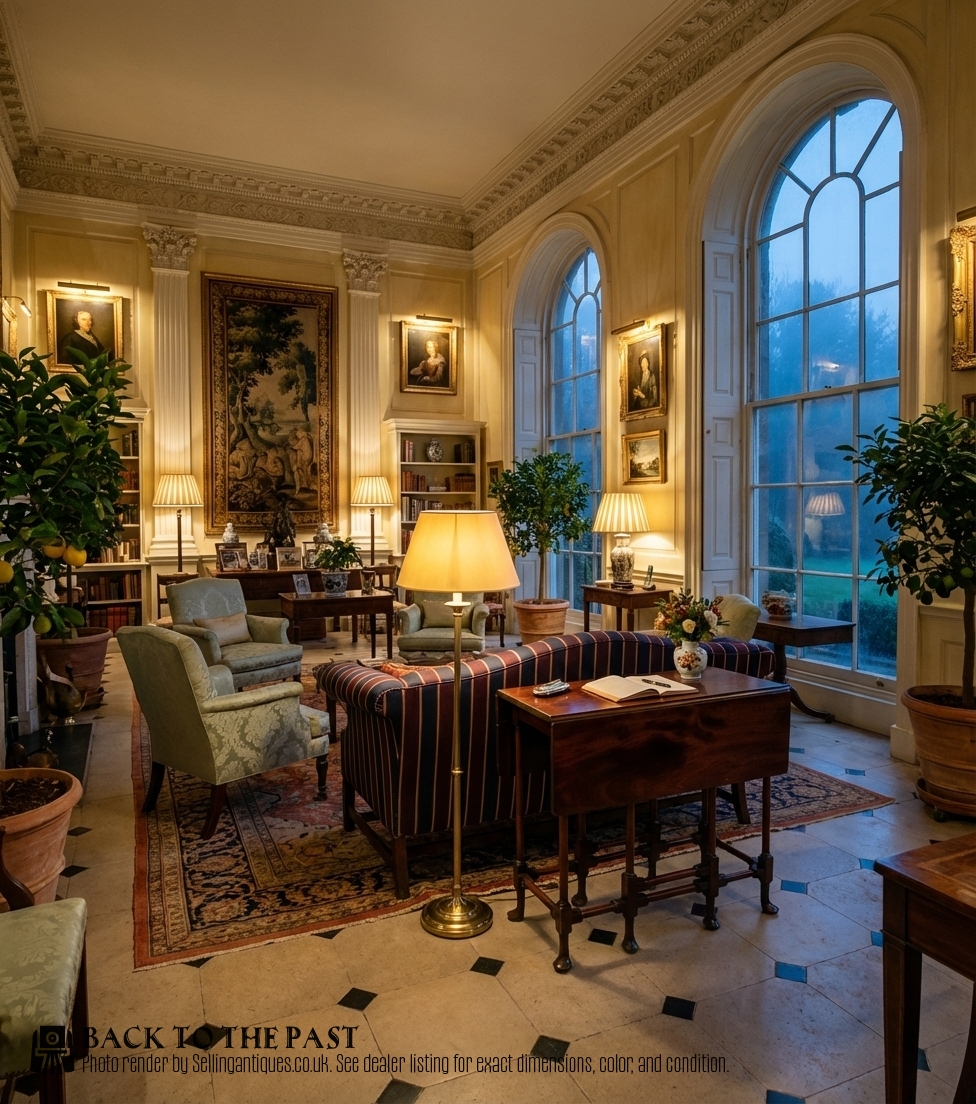
When buyers search for a dark mahogany drop leaf, they encounter versatile folding tables designed to expand for dining or contract against a wall when space demands. The selection spans compact Pembroke tables and large dining formats originating across Georgian, Regency, Victorian, and Edwardian eras.
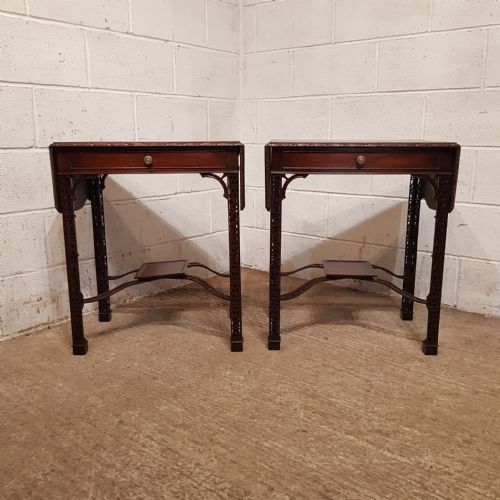
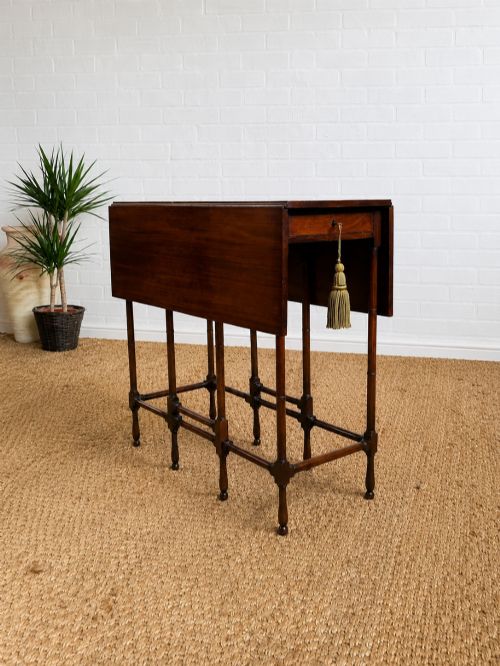
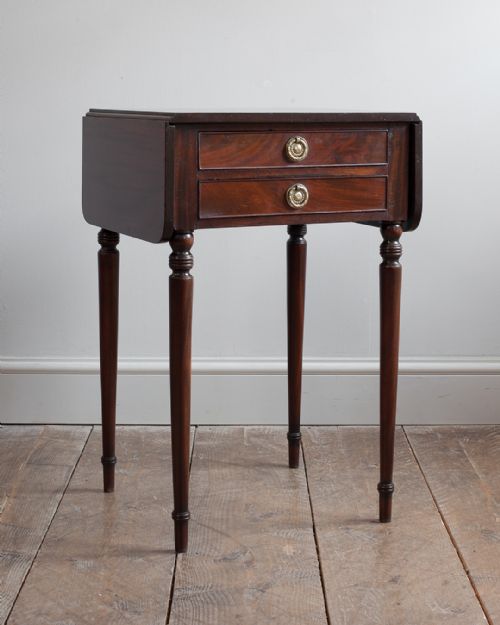
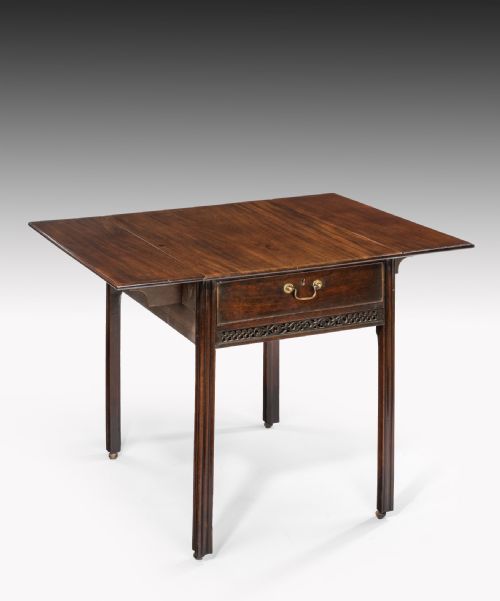
Pembroke tables and sofa tables dominate the listings, featuring hinged flaps supported by swing brackets or gatelegs. These pieces served diverse domestic functions, functioning variously as writing desks, work tables, and occasional furniture in period interiors.
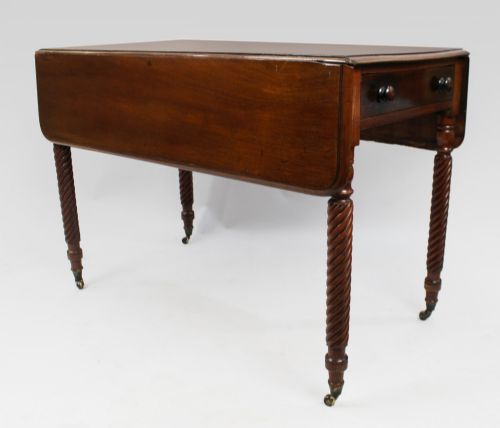
Originating predominantly from English workshops, pieces range from early eighteenth-century George II examples with cabriole legs to later nineteenth-century William IV and Victorian interpretations. Occasional Edwardian and early twentieth-century revivals also appear among the offerings.
Materials and construction methods
Cabinetmakers utilised dense solid mahogany and Cuban mahogany veneers, frequently pairing the dark timber with contrasting boxwood inlay, rosewood crossbanding, or brass hardware. Structural stability relied on tight joinery, sturdy gatelegs, and swing brackets designed to support the hinged leaves.
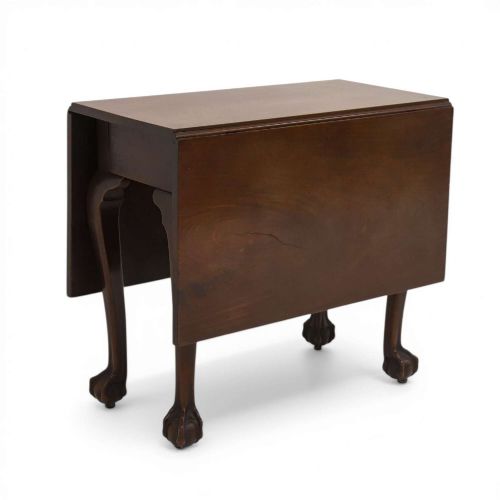
Turned, tapered, or cabriole legs provide the primary support, terminating occasionally in claw-and-ball or hoof feet. Additional detailing such as bamboo-turned legs, fitted drawers with keys, and baize linings reflect the specific domestic utility intended for each form.
Dark Mahogany Drop Leaf Retail Price Guide 2026
Typical asking prices for dark mahogany drop leaf among the pieces listed under this phrase on Sellingantiques today, from the lower quarter to the upper quarter. They describe what is for sale here now, not the wider market.
Listings span multiple centuries, ranging from eighteenth-century George II designs to early twentieth-century Edwardian and revival pieces.
Factors influencing quality
The degree of refinement in timber selection and carving separates standard production from superior examples. Finely figured Cuban mahogany, crisp hand-carving on cabriole legs, and precise crossbanding indicate high workshop standards.
Structural integrity and original hardware preservation dictate the standing of individual pieces. Smooth operation of folding mechanisms, intact swing brackets, and matching timber grain across the top and leaves mark the better examples.
James Mein Kelso·Jean-Joseph Chapuis·Andrew Thomson And Sons
The Dark Mahogany Drop Leaf Glossary
- Pembroke table
- A small rectangular table featuring two hinged drop leaves on opposing sides, frequently equipped with a single drawer. This form gained popularity during the eighteenth century for breakfast and occasional use.
- Sofa table
- A rectangular centre table designed to stand in front of a sofa, possessing drop leaves on the short sides and usually fitted with drawers. Makers during the Regency period frequently incorporated double pedestal bases or lyre supports.
- Crossbanding
- A decorative border technique where narrow strips of veneer are laid perpendicular to the grain of the primary surface. This method creates a contrasting frame around table tops and drawer fronts.
- Cabriole leg
- A furniture leg that curves outward in a convex arc at the top and inward in a concave arc at the bottom, mimicking an animal limb. This form characterises much mid-eighteenth-century design.
- Gateleg
- A hinged table leg that swings outward on a pivot to support an elevated drop leaf. This construction provides structural reinforcement when the table surface is fully extended.
Dark Mahogany Drop Leaf: Frequently Asked Questions
How do I use a drop leaf table in a small room?
Drop leaf tables function efficiently in limited spaces by folding down one or both leaves against the central section. This allows the furniture to sit flat against a wall when floor space is restricted.
When dining or workspace is required, the leaves lift easily into place and are secured by swinging brackets or gatelegs. This adaptability makes them practical for modern apartments as well as historic interiors.
What is the difference between a Pembroke table and a sofa table?
Pembroke tables typically feature two drop leaves along the long sides of a rectangular top, creating a square or rounded shape when opened. They often include a single drawer and were traditionally used for writing or light meals.
Sofa tables are longer and narrower, with drop leaves positioned on the short ends. They were originally designed to stand immediately behind a sofa and frequently incorporate stretcher bases or dual pedestals.
How do I care for antique mahogany furniture?
Maintain antique mahogany surfaces by dusting regularly with a soft, dry cloth and avoiding placement near direct heat sources or strong sunlight. These precautions prevent the timber from drying out or fading.
Apply a traditional beeswax polish sparingly when the wood appears dry, buffing gently to preserve the natural lustre and protective patina. Avoid silicone-based sprays, which can penetrate the finish and damage the antique wood over time.