
Dark Mahogany Dining Cabinet
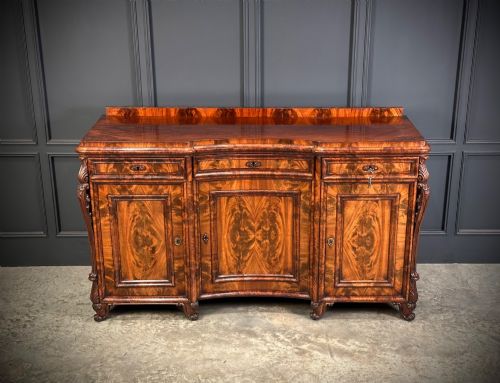
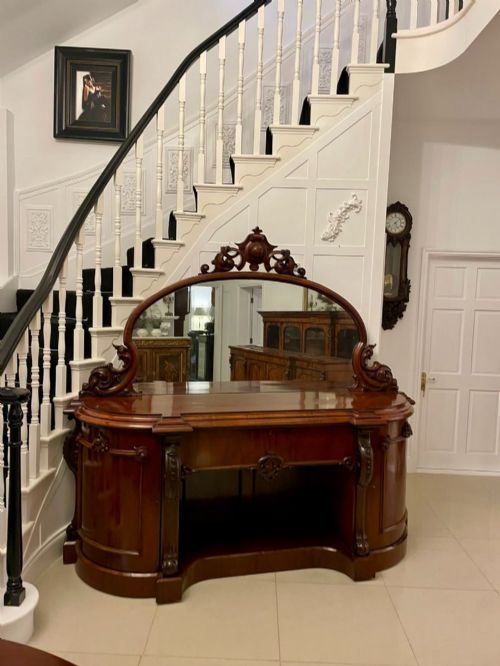
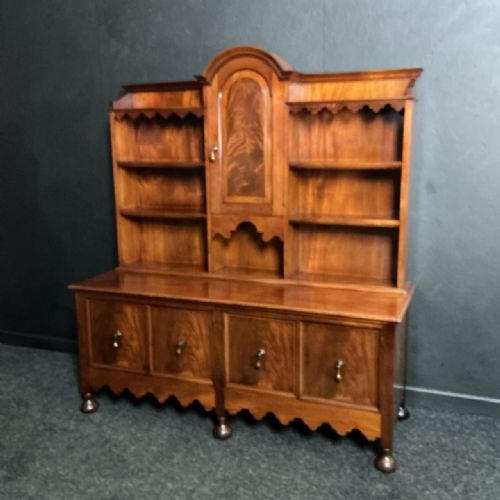
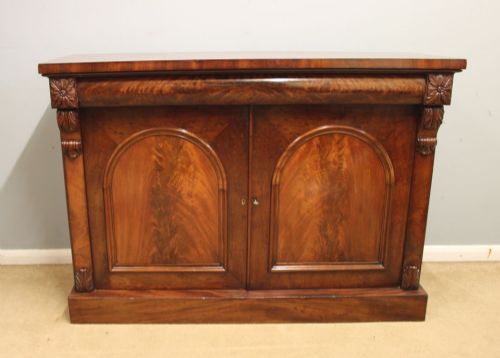
A dark mahogany dining cabinet anchors the room with deep timber tones, serving as both a functional sideboard and a commanding focal point for formal spaces.
Dark Mahogany Dining Cabinet
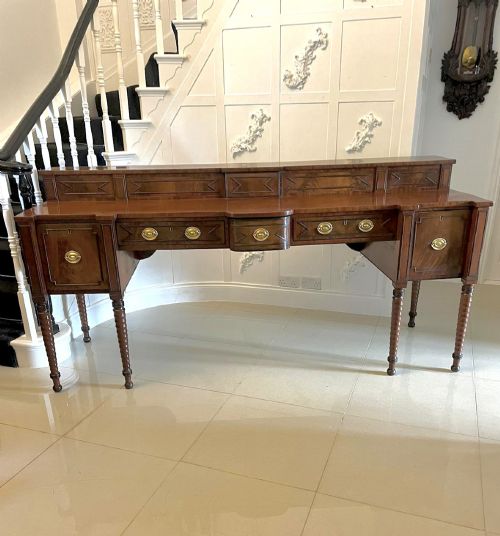
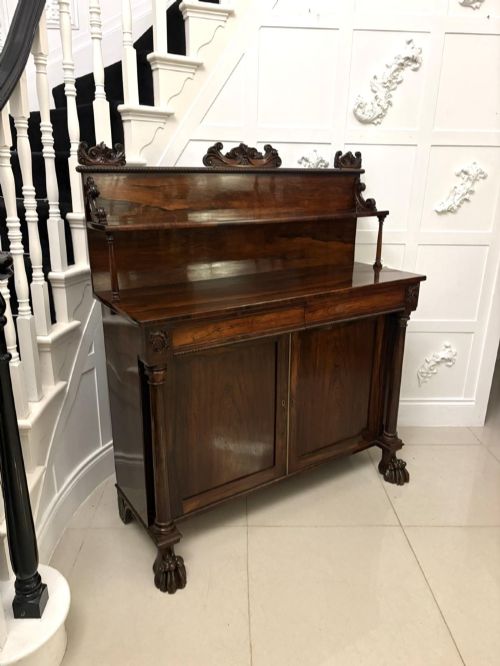
A dark mahogany dining cabinet is fundamentally a heavy storage piece designed for the dining room, encompassing sideboards, chiffoniers, servers, and cupboards. These pieces emerge predominantly from the nineteenth and early twentieth centuries, spanning Victorian, Edwardian, and Regency periods.
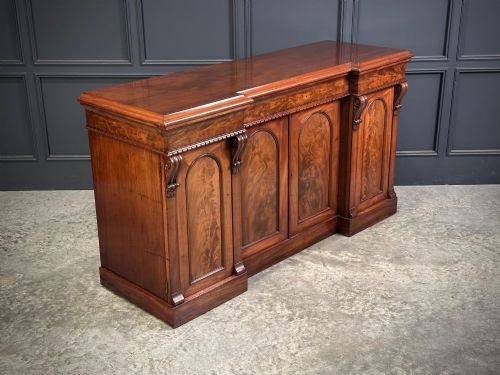
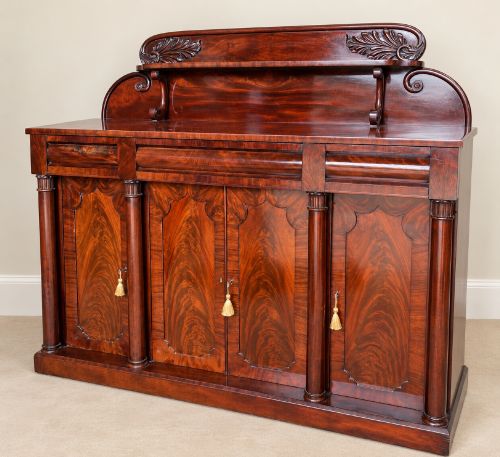
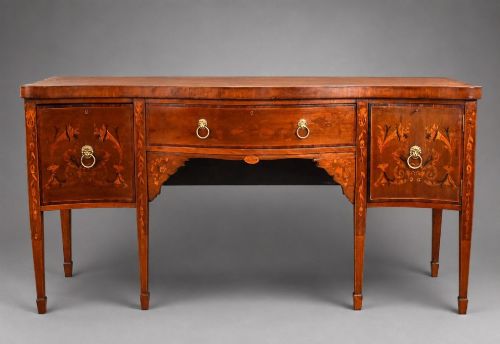
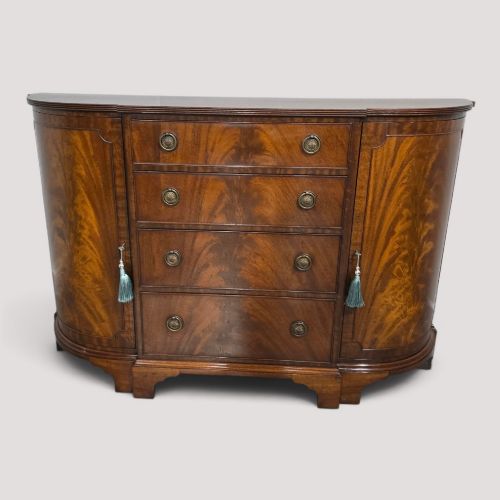
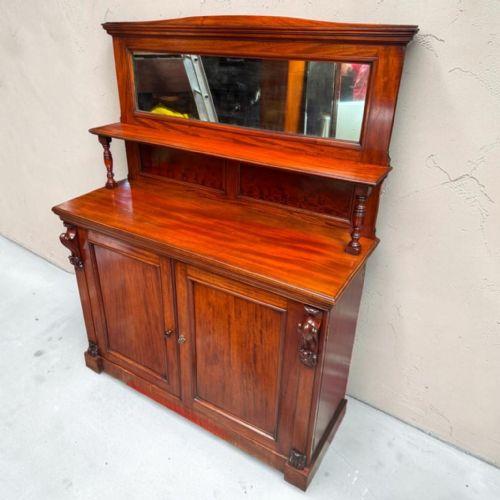
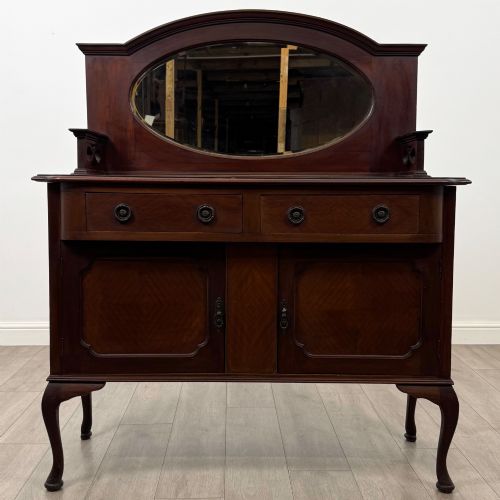
The most common form encountered here is the Victorian or nineteenth century sideboard, often featuring substantial pedestals, cupboards, or mirror backs. Pieces range from grand breakfront designs to smaller bowfront and serpentine shapes suited to varying room proportions.
Makers utilised these forms to store dining silver, linen, and glassware while providing a flat upper surface for serving food. The lineage includes formal George III proportions alongside later Edwardian and revival interpretations.
Materials and construction methods
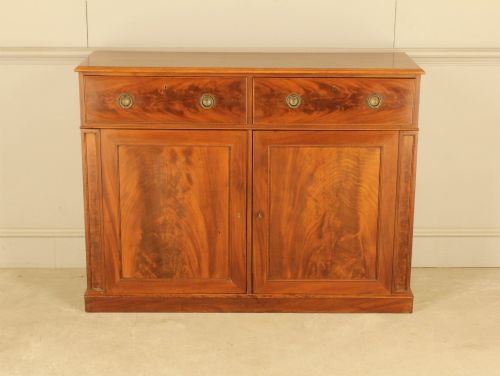
Makers relied heavily on solid mahogany and rich veneers, frequently selecting flame, curl, or figured mahogany to create dramatic grain patterns across the primary surfaces. These timber faces were often contrasted with lighter stringing or inlay work in boxwood.
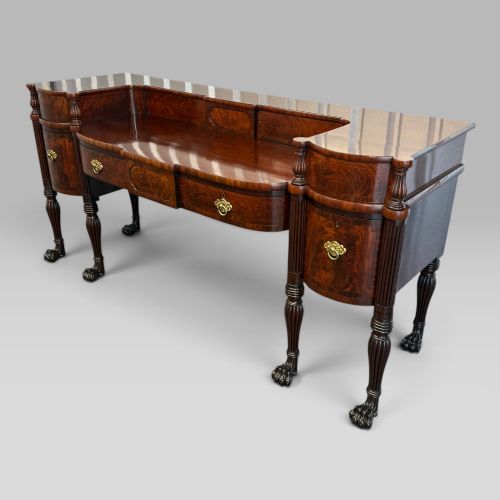
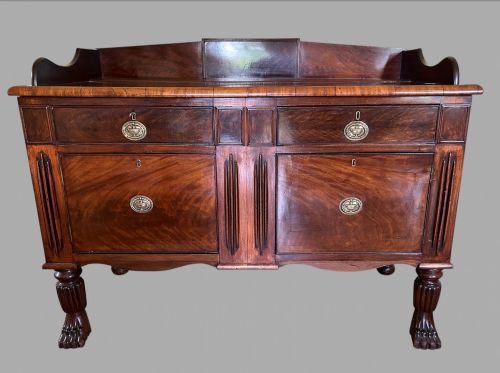
Structural integrity relied on dense cabinet timbers combined with functional elements such as brass fittings, lion paw feet, and glass panels. Surfaces were finished to deep, dark lustres that accentuated the natural depth of the wood.
Some nineteenth-century sideboards feature hidden cellarette drawers lined in lead to keep wine cool during long Victorian banquets.
Distinctions in craftsmanship
Quality rests primarily in the selection of the timber veneer and the precision of the cabinetmaker's joinery. Superior examples display continuous, book-matched flame mahogany figures across wide drawer fronts and doors rather than mismatched boards.
Carved details such as mirror frames, lion paw feet, and inlaid boxwood lines separate standard utility pieces from exceptional commissions. The heft of the timber and the internal secondary woods further define the echelon of the piece.
M. D. Miller & Sons, Nottingham
The Dark Mahogany Dining Cabinet Glossary
- Chiffonier
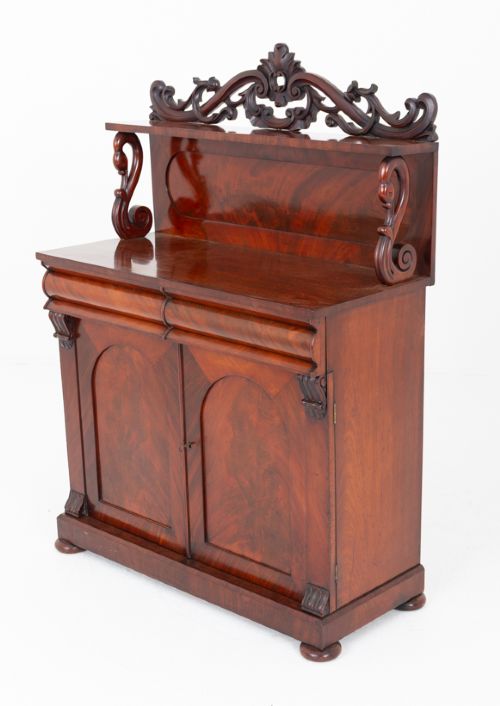
- A compact sideboard, often featuring lower enclosed cupboards and sometimes a small shelf or tier above. These pieces became particularly popular during the Victorian period for smaller dining rooms.
- Flame mahogany
- A veneer cut from the fork of the mahogany tree where the branch meets the trunk. This cutting method produces a distinctive, flamy, or feather-like grain pattern.
- Serpentine front
- A furniture front characterised by a convex centre flanked by concave curves. This shape requires advanced woodworking skill to construct accurately.
- Pedestal sideboard
- A heavy dining cabinet featuring two large end pedestals supporting a central surface or drawers. They frequently date to the Regency and Victorian eras.
- Stringing
- Thin lines of contrasting wood, such as boxwood, inlaid into channels cut into the mahogany surface. This technique creates delicate geometric borders on cabinet doors and tabletops.
Dark Mahogany Dining Cabinet: Frequently Asked Questions
What is a dark mahogany dining cabinet used for?
These cabinets served primarily as sideboards or servers in dining rooms for holding heavy silver, porcelain, and linens during meals.
Today, they function well in dining rooms or large living spaces for storage and display, offering deep drawer space and surface area.
How do I tell a Regency cabinet from a Victorian one?
Regency pieces often display classical restraint with clean architectural lines, brass paw feet, and understated flame mahogany veneers. Victorian cabinets tend to be heavier, sometimes incorporating mirror backs, elaborate carving, and grander proportions.
Examining the internal secondary woods and structural framing can also help confirm the manufacturing era.
Are these cabinets solid mahogany?
Most examples combine solid structural framing with high-grade mahogany veneers across the primary doors and drawer fronts. This technique allowed makers to utilise highly figured grain patterns without risking the warping inherent in large solid boards.
Internal carcases and drawer linings frequently employ secondary timbers while keeping the visible exterior rich and dark.
How do I fit a large sideboard into a modern home?
Measure your dining room or hallway clearances carefully, noting that nineteenth-century pedestals and mirror backs add significant height and depth. Consider placing longer breakfront or serpentine models along a primary unbroken wall to let the timber figure stand out.
Keep the surrounding decor simple to allow the dark wood tones to anchor the room naturally.