


Antique Wood Dresser Unit
An antique wood dresser unit brings practical storage and centuries of craftsmanship into a room.
Antique Wood Dresser Unit
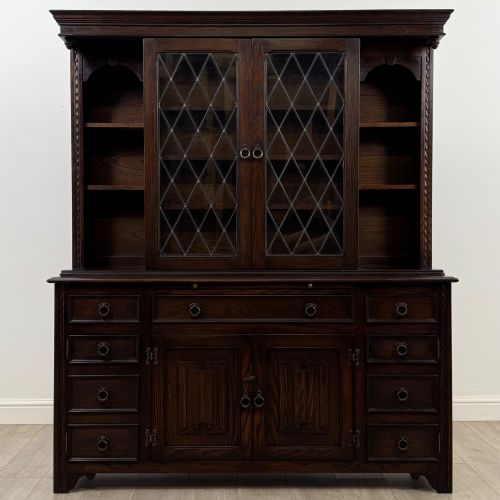
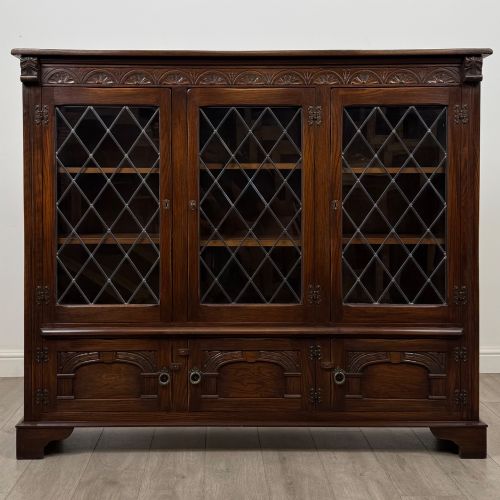
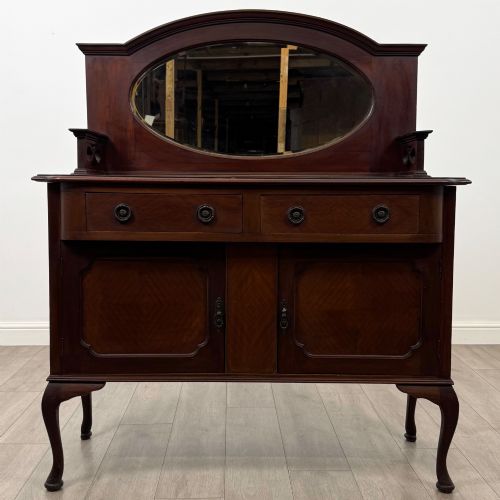
When you search for an antique wood dresser unit, you encounter a diverse group of storage furniture spanning several centuries and styles. These pieces include chests of drawers, sideboards, bookcases, and display cabinets designed for domestic utility.
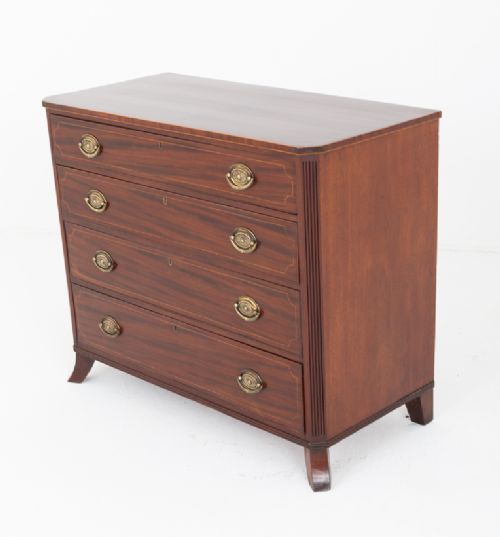
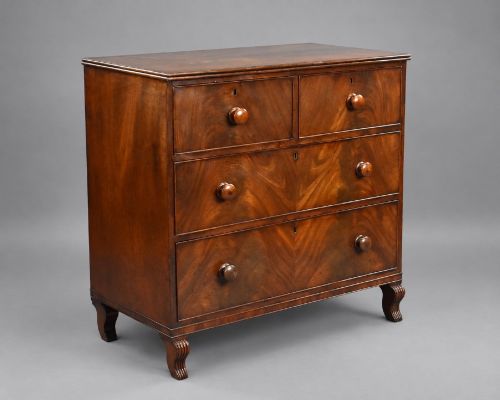
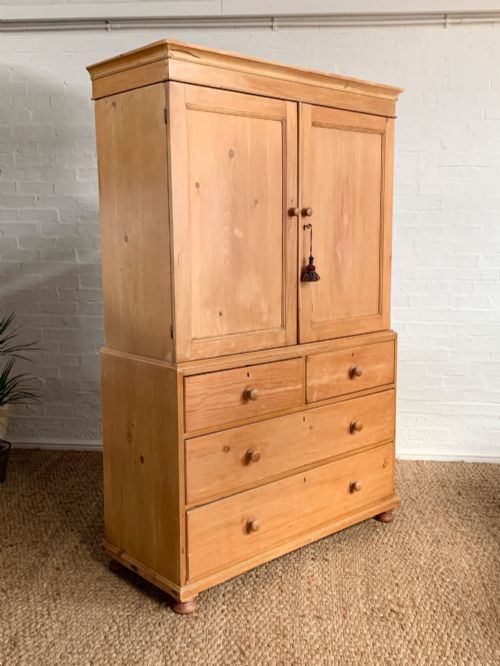
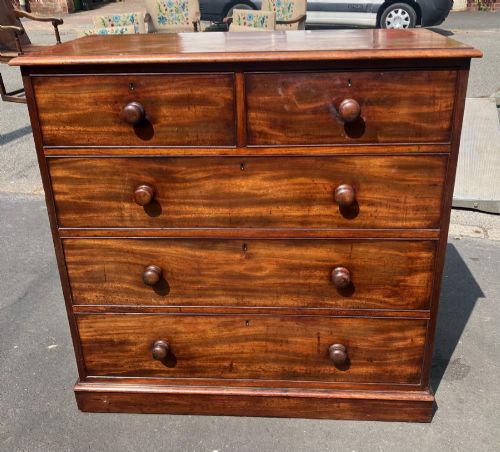
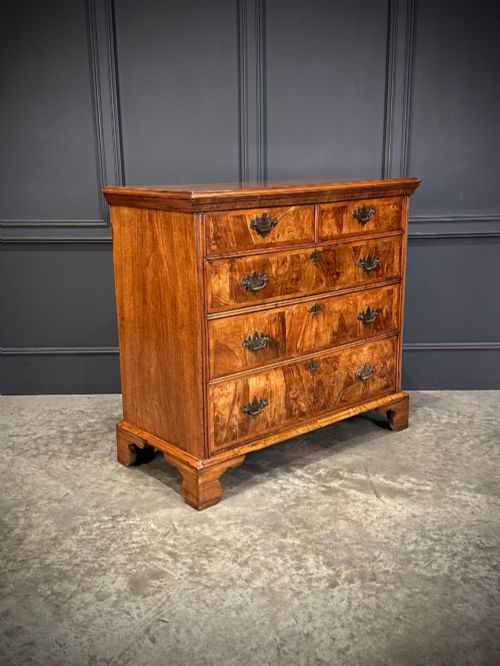
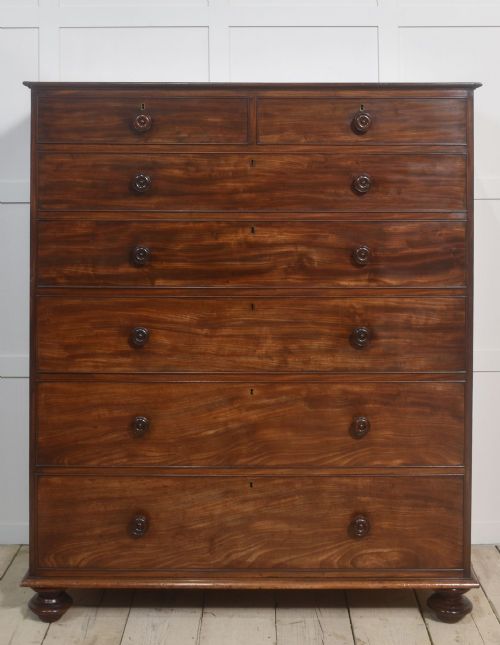
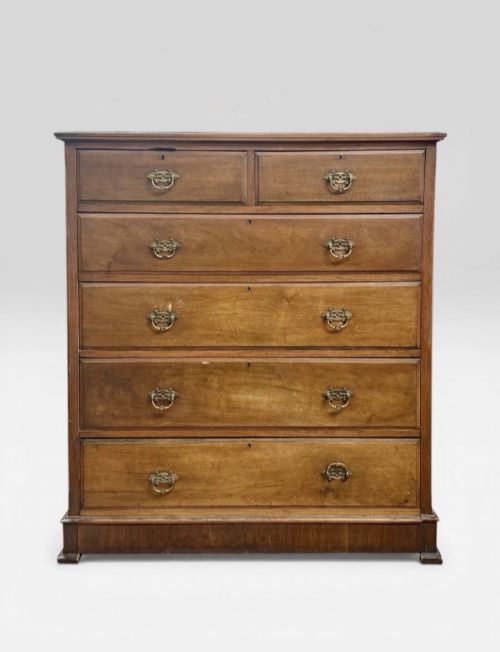
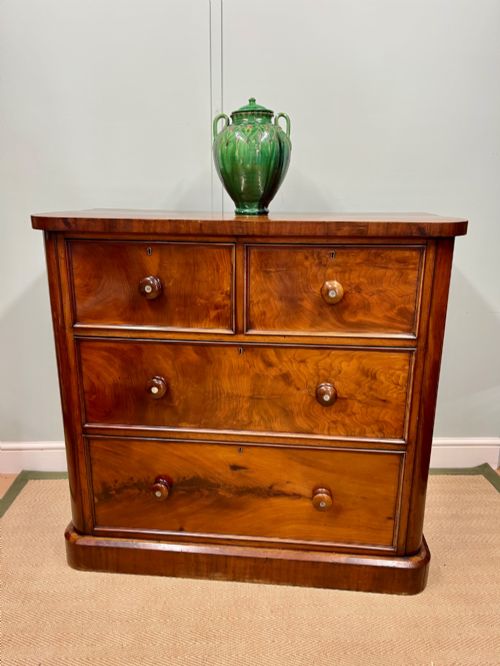
The most common versions met on this page are mahogany and pine chests of drawers from the Victorian and nineteenth century periods. Alongside these, you find oak pieces from earlier centuries and Edwardian display cabinets.
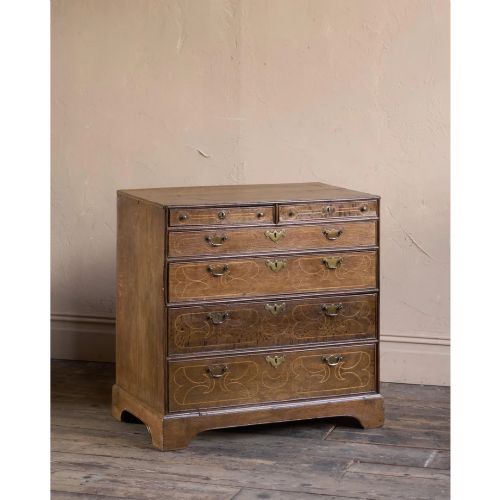
Makers utilised various regional designs, producing everything from simple stripped pine furniture to sophisticated Regency flame mahogany pieces and Georgian two-part drawer units.
How they were made
Carpenters constructed these units using solid timbers such as oak, mahogany, pine, and walnut, often applying flame mahogany or other decorative veneers to visible surfaces. Structural integrity relied on traditional joinery methods suited to each period.
Hardware details typically included brass handles and key escutcheons, whilst glass featured in bookcases and display cabinets. Surface finishes ranged from polished wood to painted, scumbled pine and original polished patinas.
Cabinet makers occasionally utilised exotic imported woods like padauk alongside humble pine, proving that even a practical chest wanted to travel.
What varies in quality
Quality in these units depends on the selection of timber, such as figured flame mahogany or dense old-growth oak, contrasted with simpler utility woods like pine. The sophistication of the construction and the crispness of any carved detailing also set finer examples apart.
The survival of original elements, including brass drawer furniture, glass panes, and surface finishes, determines the desirability of a piece. Finer proportions and regional craftsmanship distinguish standard utilitarian storage from superior examples.
The Antique Wood Dresser Unit Glossary
- Flame mahogany
- A veneer cut from the fork of the mahogany tree to create a distinctive flickering flame pattern. Cabinet makers favoured this for drawer fronts and principal panels on high-status furniture.
- Breakfront
- A cabinet or bookcase design where the central section projects forward from the side sections. This architectural form adds depth and shadow to large storage units.
- Scumbled
- A decorative paint technique involving translucent layers dragged over a base colour to imitate wood grain. Victorian makers applied this to pine furniture.
- Two-part design
- Construction method where a large chest of drawers separates horizontally into upper and lower sections for transport. Georgian and Victorian tall chests frequently utilised this format.
- Padauk
- A dense tropical hardwood with a reddish hue used in colonial cabinet making. Anglo Indian workshops employed this material for export pieces.
Antique Wood Dresser Unit: Frequently Asked Questions
What periods do these wood units come from?
The pieces span multiple centuries, with examples originating from the seventeenth, eighteenth, nineteenth, and early twentieth centuries. Victorian and Edwardian items appear frequently alongside earlier Georgian and Regency designs.
Craftsmen built these units across various stylistic periods, incorporating regional British designs as well as French and Anglo Indian influences.
Which woods were used for these storage units?
Makers constructed these items predominantly from mahogany, oak, and pine. Walnut, yew wood, satin birch, padauk, and palisander also feature in specific regional or high-status pieces.
Secondary materials include brass for handles and escutcheons, alongside glass for bookcases and display cabinets.
How do I identify a Victorian pine chest?
Victorian pine chests often appear with stripped natural wood surfaces or retain original painted and scumbled finishes. They serve as robust storage pieces produced in large quantities during the nineteenth century.
These utilitarian pieces range from simple domestic drawers to larger storage units designed for bedrooms and utility spaces.