



Dark Green Canvas Painting
Dark green canvas painting works bring centuries of figurative art and still life directly into your room on textured woven grounds.
Dark Green Canvas Painting
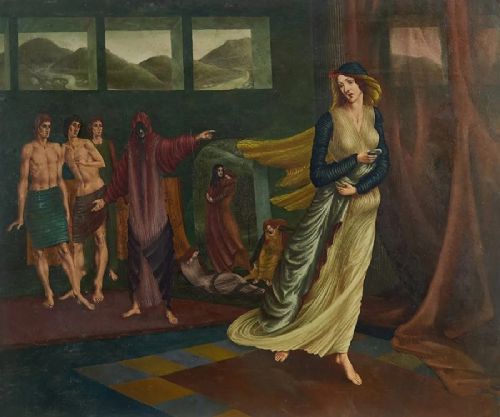
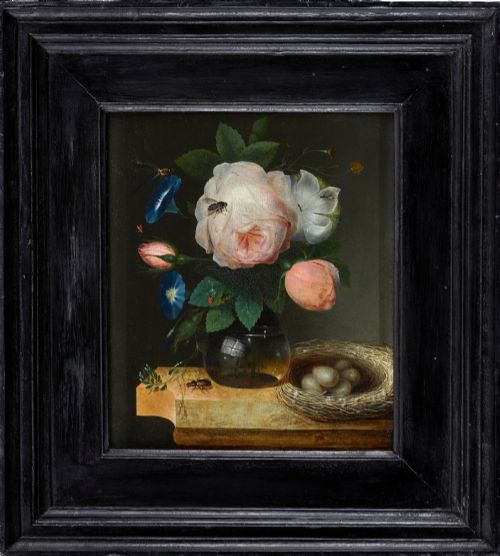
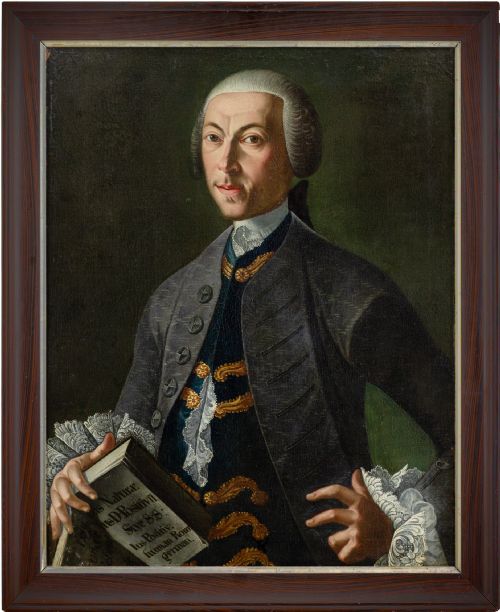
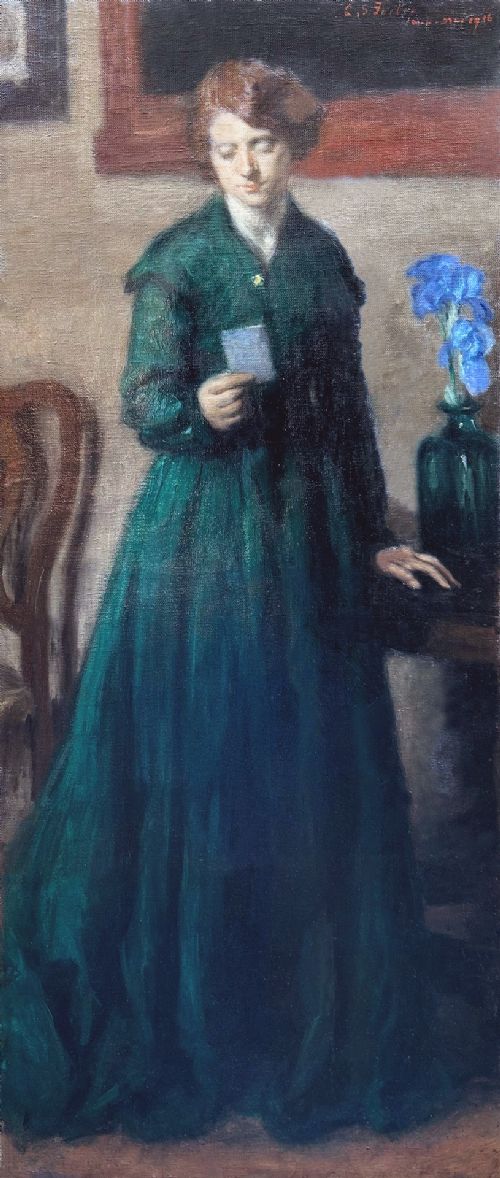
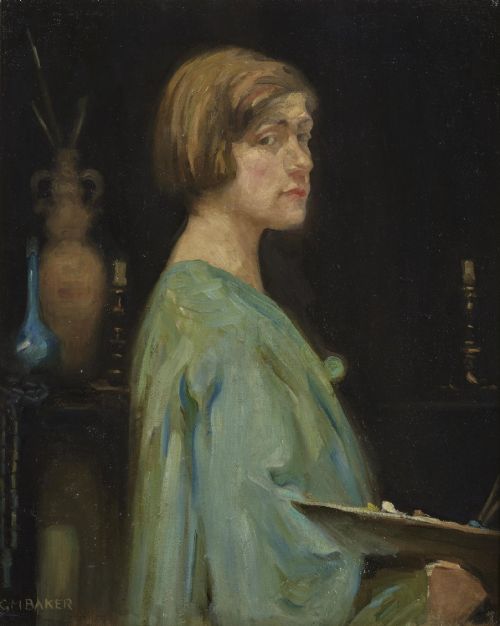
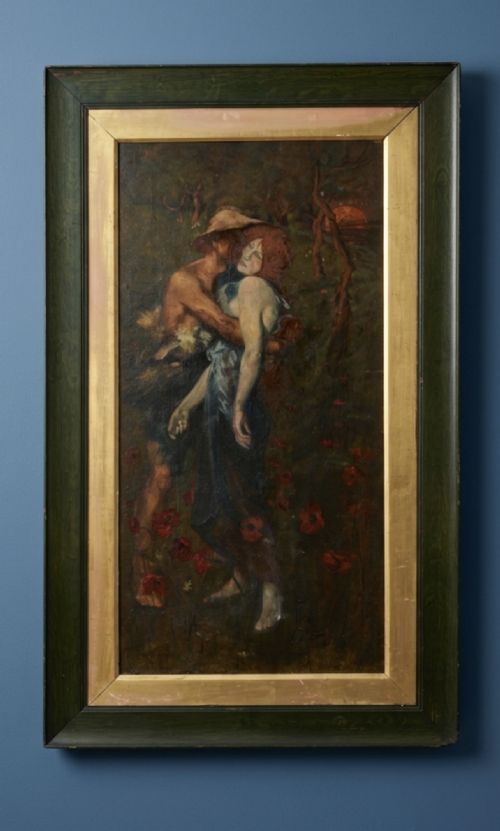
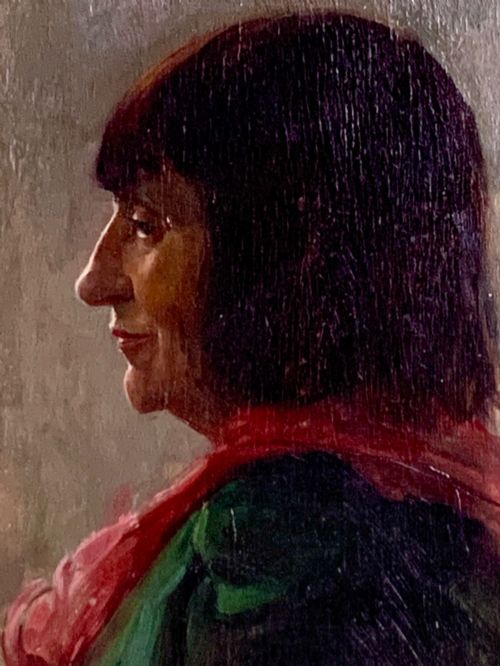
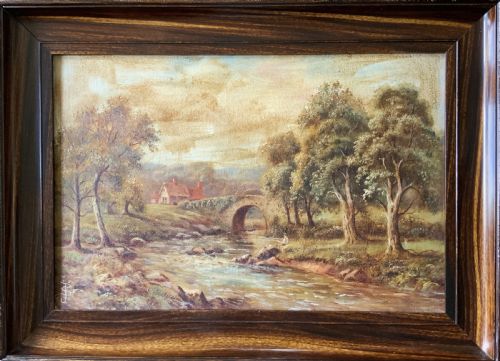
A dark green canvas painting brings historical depth into a room, spanning periods from the 17th century through to mid-century modern works. Buyers seeking a dark green canvas painting will encounter diverse subjects including landscapes, portraits, and botanical still lifes executed in oil.
The selections available range from anonymous continental school works to signed British Impressionist pieces. Many items utilise traditional stretcher frames, supporting painted surfaces that show centuries of accumulated varnish and pigment.
Domestic interiors benefit from these grounded tones, which anchor traditional spaces or provide historic contrast in modern settings. The surface textures of woven support fabrics remain visible beneath layers of aged dark pigments.
Materials and technique
Makers built these works using oil paint applied to woven canvas supports stretched over wooden frames. Pigments were mixed with binding oils to create durable chromatic layers that darken naturally over centuries.
Artists layered rich dark pigments to establish atmospheric backgrounds in portraits and landscape scenes. Gilt frames frequently accompany these works, complementing the deep tonal qualities of the painted canvas.
Periods represented span from the 17th century through Victorian, Edwardian, and mid-century modern eras.
Assessing quality
The standard of execution in figure work and handling of natural light separates superior compositions from simpler decorative pieces. Finer examples display confident brushwork and anatomical precision, particularly within portraiture and complex still life arrangements.
The integrity of the original canvas and stability of the pigment layer influence the standing of any given piece. Works maintaining their original wooden stretcher frames and untouched paint surfaces hold greater artistic cohesion.
William Broome·James Howe·Gaspar Peeter Verbruggen·Charles Stuart Forbes·Gladys Marguerite Baker·Sydney Yates Johnson·Owen Bowen·George Lance·Cuthbert Edmund Swan·George Cole
The Dark Green Canvas Painting Glossary
- Canvas
- A heavy woven fabric, typically flax or hemp, utilised as a support for oil paintings. This durable substrate accepts priming layers and holds tension across wooden stretchers.
- Oil paint
- A slow-drying medium consisting of pigments suspended in a drying oil, usually linseed. This formulation allows artists to blend tones and build rich surface textures.
- Stretcher
- A wooden frame upon which the canvas is secured and pulled tight. Traditional wedges placed in the corners allow the frame to expand and adjust canvas tension.
- School
- A group of artists working in a particular region, period, or following a shared master's style. Attributions to a specific school denote stylistic similarities rather than a named individual.
Dark Green Canvas Painting: Frequently Asked Questions
What periods do these paintings cover?
The available selection spans multiple centuries, beginning with 17th-century Dutch and Italian works. You will also find 18th-century portraits alongside 19th-century Victorian and Edwardian scenes.
Later pieces extend into early 20th-century impressionism and mid-century modern abstract compositions. Each era brings distinct framing methods and canvas preparations.
Are these works signed by the artist?
Many pieces carry visible signatures or dates left by the original painter. Others remain attributed to specific historic schools based on stylistic analysis and technique.
Documentation often relies on period framing, inscriptions on the reverse canvas, or historical exhibition records. Unsigned works are evaluated through their handling of pigment and composition.
What subjects are most common?
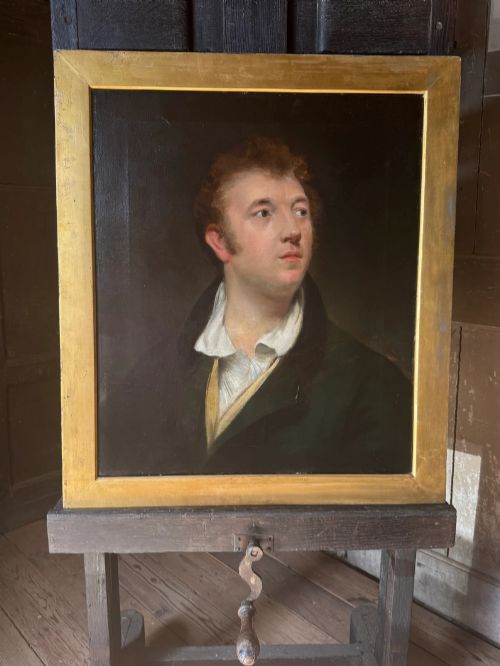
Portraits of individuals and formal couples appear frequently across the 18th and 19th centuries. Landscape views and botanical still lifes featuring flowers and fruit also form a large part of the selection.
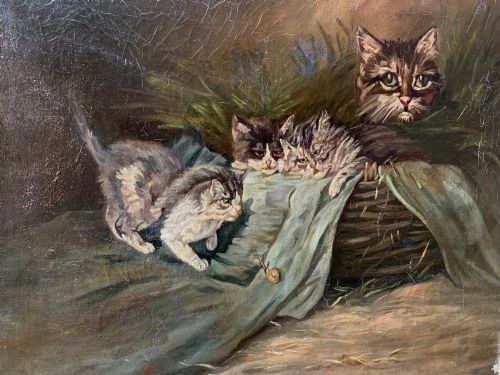
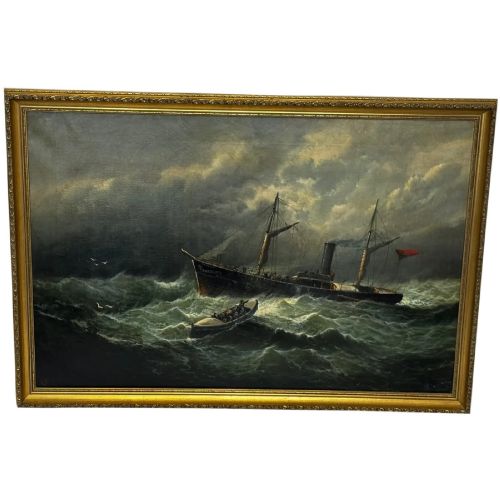
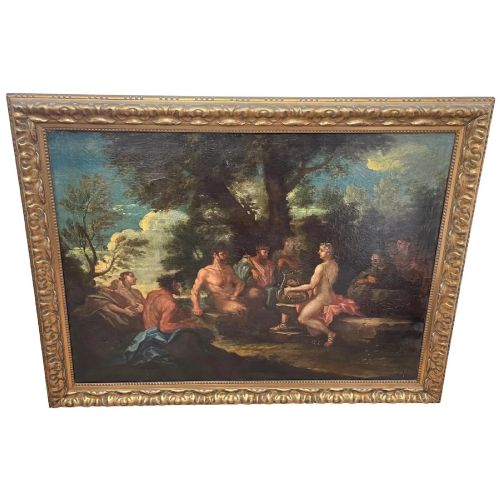
Mythological scenes and maritime rescues provide more dramatic narrative subjects. Animal studies, including domestic pets and livestock, complete the typical repertoire.