
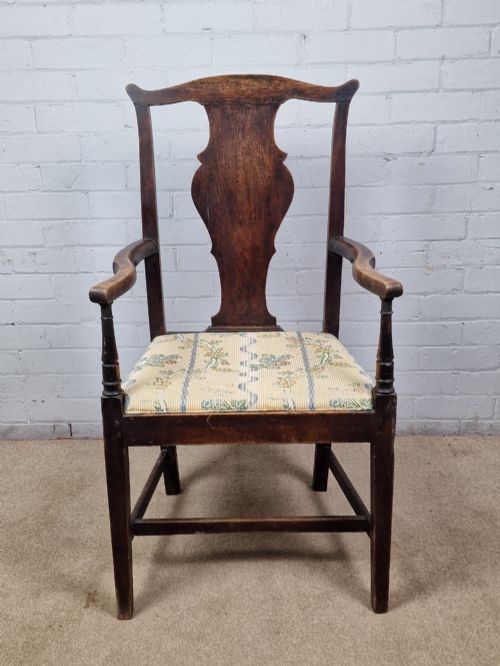
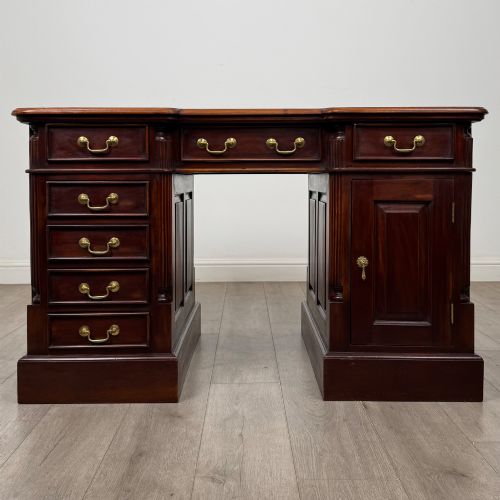
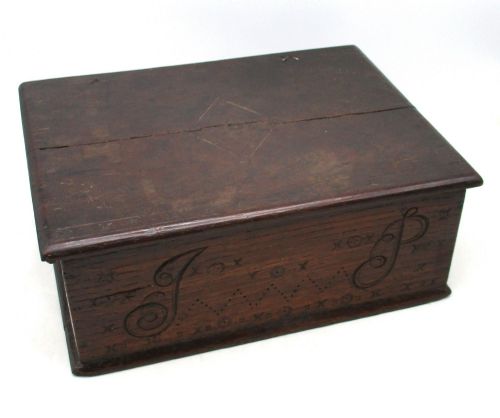
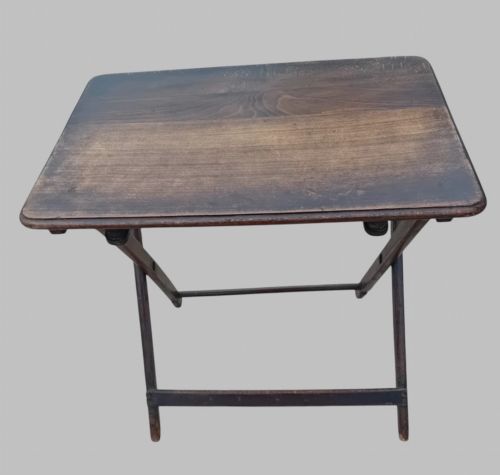


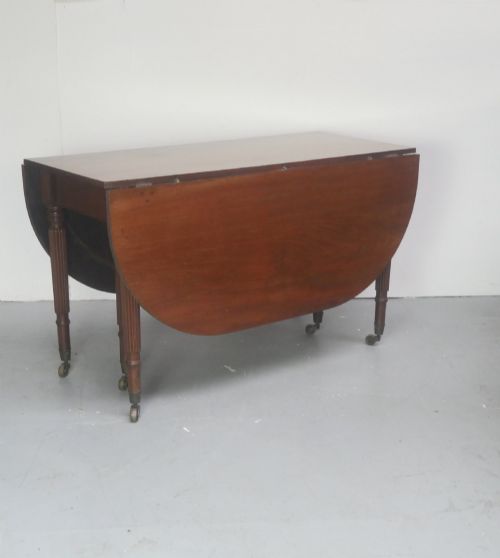
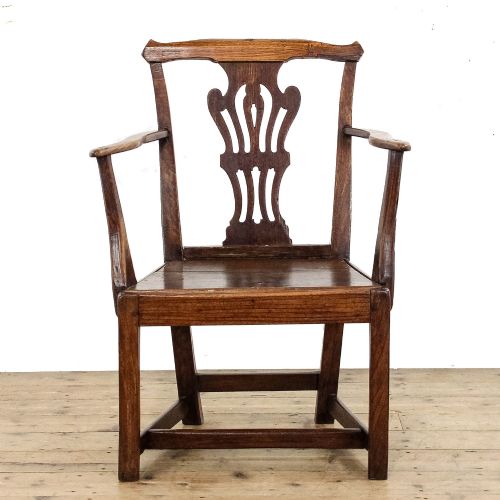
Dark Brown Wooden Desk
These dark brown wooden desk pieces span centuries of timber craftsmanship, offering solid workspace foundations for period interiors.
Dark Brown Wooden Desk
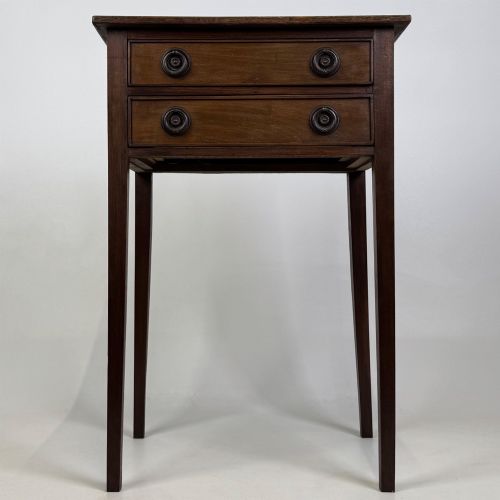
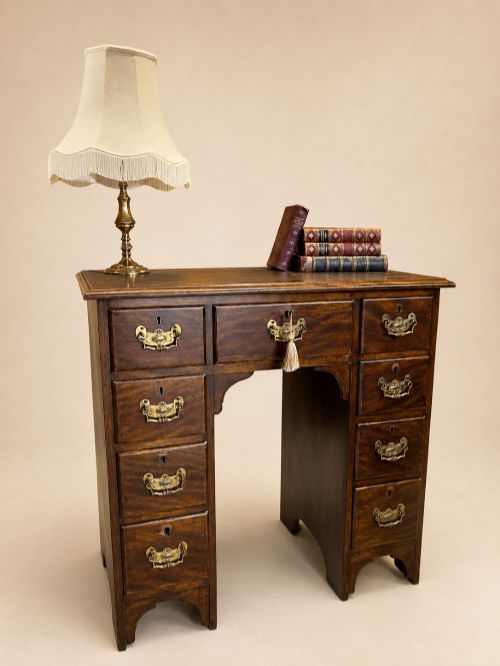
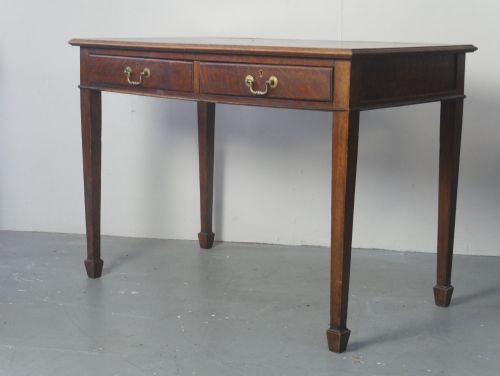
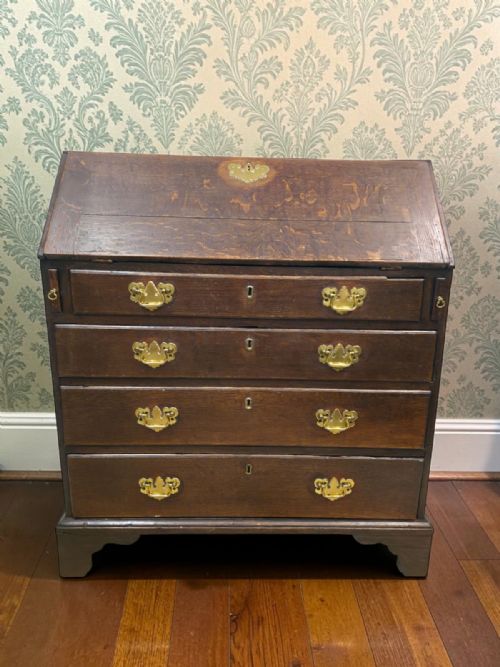
When you search for a dark brown wooden desk, you encounter various forms designed for writing, administrative work, and household management. The selection ranges from compact kneehole desks to fall-front writing bureaus dating across multiple centuries.
The version you are most likely to meet on this page is constructed from mahogany, oak, or walnut, reflecting styles from the Georgian, Victorian, and Edwardian periods. These tables and bureaus provide deep patinated surfaces suited to traditional studies and libraries.
How they were made
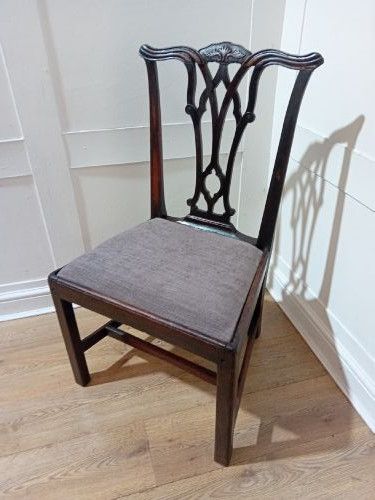
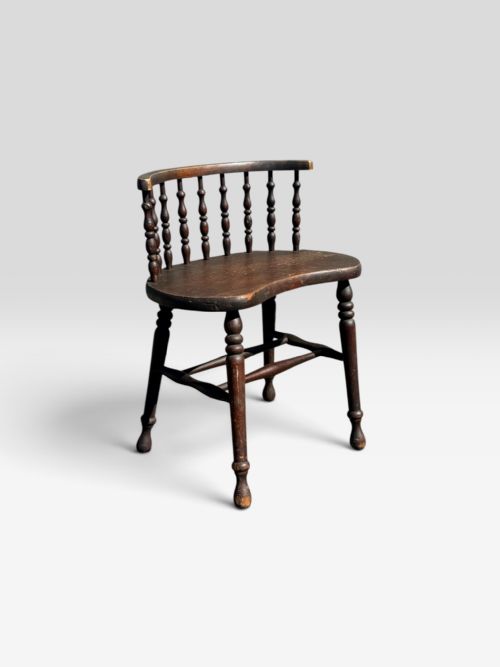
Cabinet makers utilised dense hardwoods such as mahogany and oak, often paired with secondary timbers like beech, elm, and ash for internal framing and Windsor chair components. Surfaces were hand-finished and polished to highlight the natural grain of the dark wood.
Joinery techniques included dovetailing for drawers and mortise and tenon joints for structural stability. Brass hardware such as handles, hinges, and escutcheons were frequently incorporated into writing desks and fall-front bureaus.
The dark brown wooden desk selection includes pieces in mahogany, oak, and walnut spanning the Georgian, Victorian, and Edwardian eras.
What varies in quality
The distinction between standard examples and the finest pieces lies in the selection of timber grain, the crispness of hand-carved detailing, and the integrity of the original construction. Superior desks display carefully matched veneer panels or solid timber boards with deep, warm patination achieved through age and use.
Hardware preservation and internal drawer construction also determine tiering within the range. Pieces retaining their original brass locks, working keys, and untouched secondary woods command greater appreciation among collectors.
Hobbs & Co.
The Dark Brown Wooden Desk Glossary
- Kneehole desk
- A freestanding writing table featuring a central recess for the user's legs, flanked by pedestals containing multiple small drawers.
- Fall-front bureau
- A writing cabinet with a hinged sloping or vertical flap that folds down to create a writing surface, concealing small compartments and pigeonholes inside.
- Mahogany
- A durable, reddish-brown tropical hardwood prized by cabinet makers for its stability and rich grain pattern.
- Dovetail
- A traditional wood joint formed by interlocking wedge-shaped fingers, commonly used in drawer construction to ensure lasting strength.
- Patina
- The glossy sheen and mellow surface appearance developed on wood through decades of handling, polishing, and exposure to light.
Dark Brown Wooden Desk: Frequently Asked Questions
How do I care for a wooden desk surface?
Maintain the wood by applying natural beeswax periodically to nourish the grain and protect the finish from drying out. Avoid placing the desk in direct sunlight or near heat sources to prevent timber splitting.
Clean surfaces gently with a soft, dry cloth rather than using harsh chemical sprays that can strip the historic polish.
What is the difference between an oak and mahogany desk?
Oak desks typically exhibit a prominent open grain and a robust, rustic character often associated with earlier Georgian and Victorian country furniture. Mahogany alternatives display a finer, tighter grain with deep reddish-brown tones suited to formal library settings.
Both timbers offer exceptional durability, though mahogany gained favour for more refined, polished case furniture during the eighteenth and nineteenth centuries.
Where were these wooden desks originally used?
These desks served administrative, domestic, and study functions in period houses, country manors, and offices. They provided dedicated spaces for correspondence, household accounts, and reading.
Today, they adapt readily to modern home studies while retaining their traditional aesthetic and practical storage capacity.