

Dark Brown Windsor Armchair
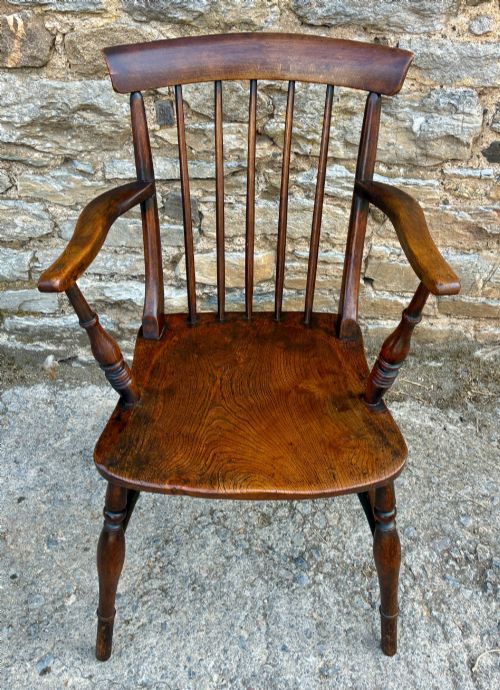
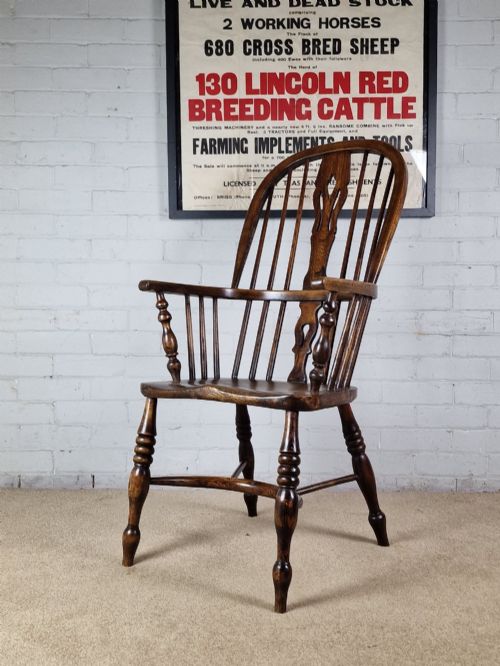
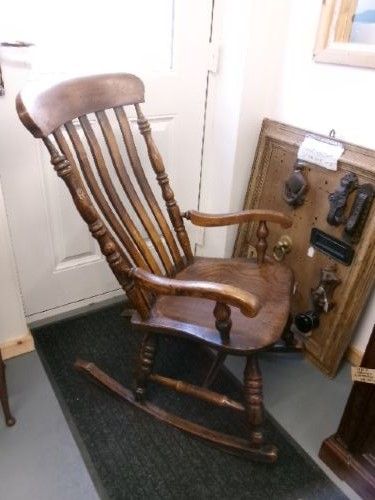
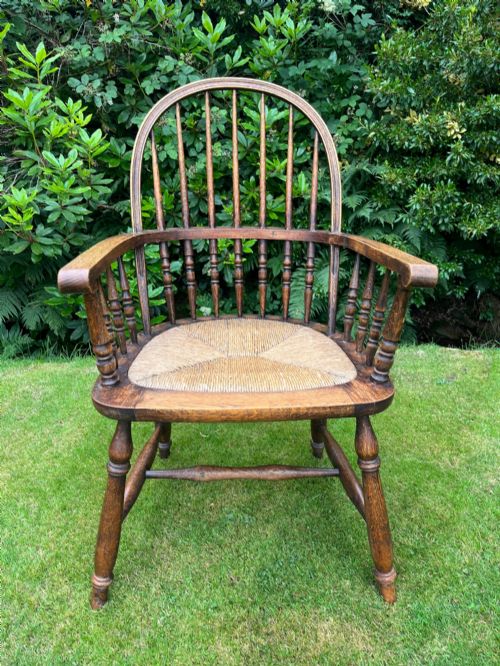
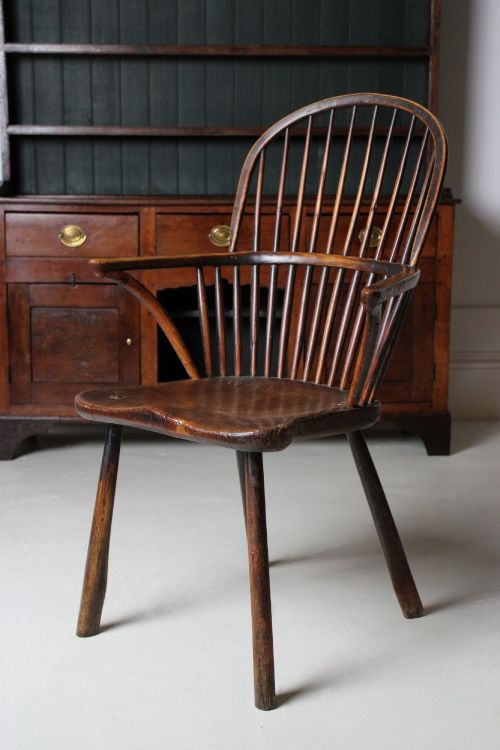
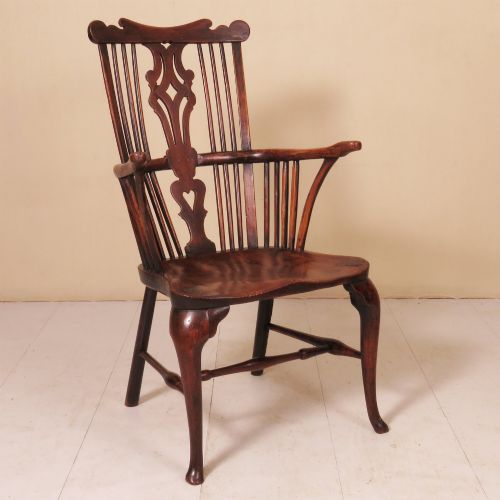
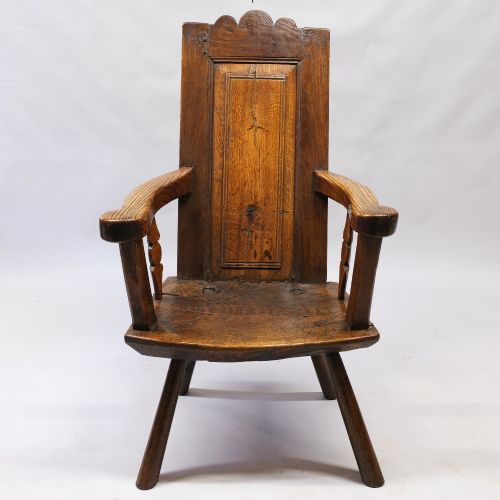
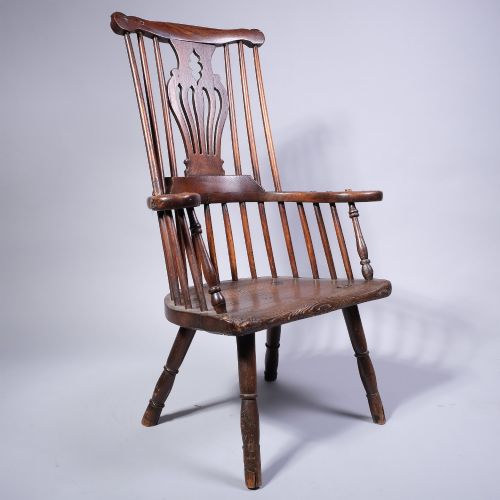
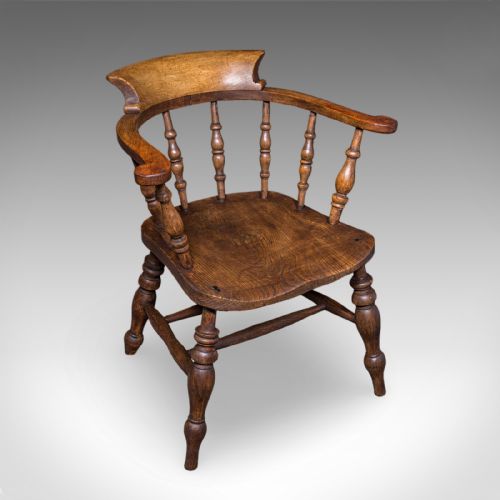
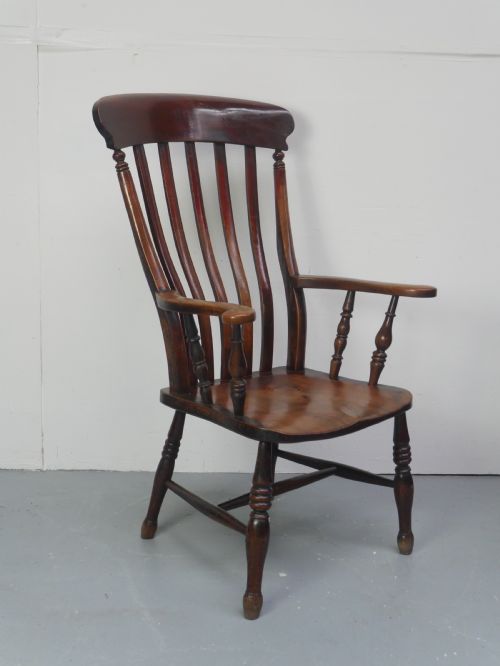
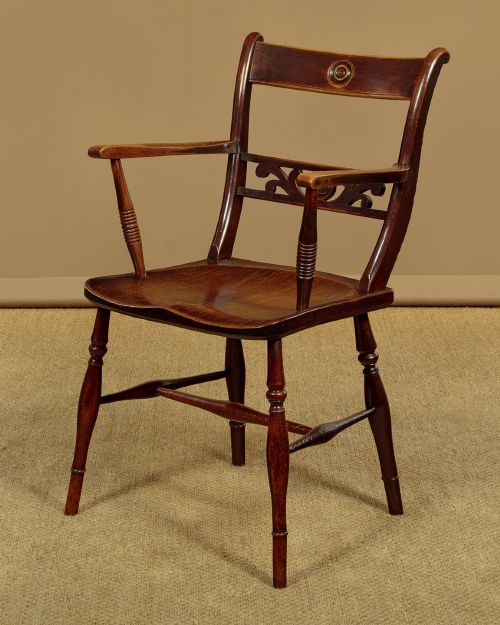
A dark brown windsor armchair brings tactile warmth and vernacular character to a room through traditional English timber construction.
Dark Brown Windsor Armchair
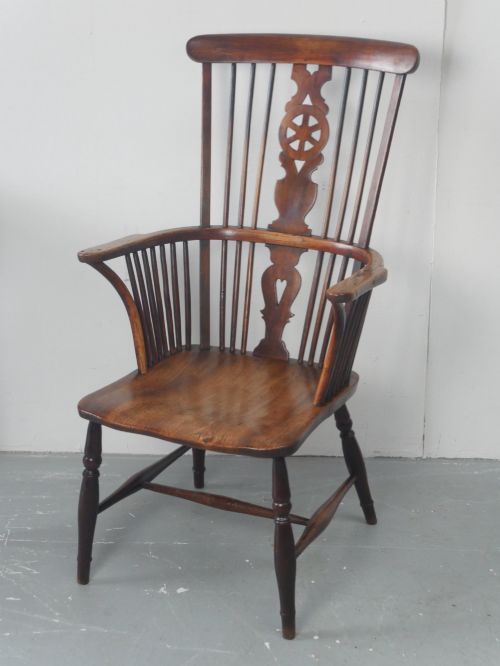
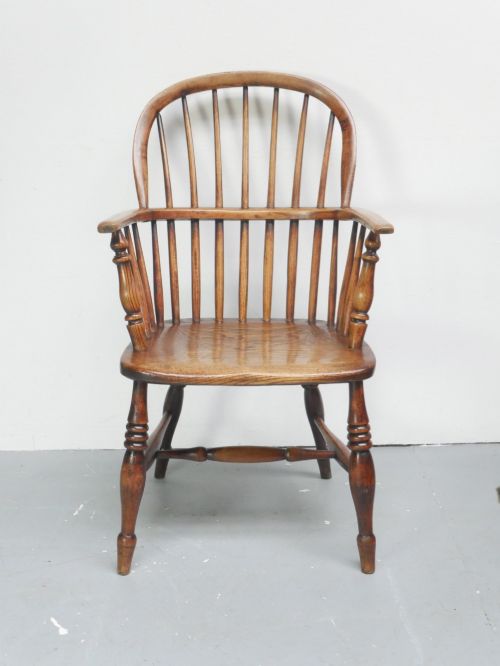
Regional variations shape the silhouettes encountered in this collection, ranging from Thames Valley and Yorkshire idioms to Welsh vernacular designs. Makers shaped these seats using native timbers that acquired deep patinas over centuries of domestic service. The resulting forms include comb backs, hoop backs, panel backs, and Oxford bar backs constructed for robustness and comfort.
Materials and construction methods
Makers utilised a combination of native hardwoods selected for specific structural roles within each dark brown windsor armchair. Elm frequently provides the thick, carved saddle seat, while ash, beech, and oak form the steam-bent bows, spindles, and legs. Yew and rush appear in specific regional examples, adding distinct grain patterns and textural contrast to the framework.
Distinctions in quality and execution
The distinction between ordinary utility seating and superior examples of a dark brown windsor armchair lies in the sculptural fluidity of the woodwork and the crispness of the turning. Master makers tapered spindles with precision and carved saddle seats with deep, ergonomic hollows that follow the grain harmoniously. Lesser pieces display heavier, rigid proportions and mechanical uniformity devoid of individual hand-carved character.
Timber selection and structural integrity further divide the range, as well-figured elm and dense ash retain greater stability over generations of use. Chairs retaining their original wedged joints, uncompromised arm rails, and deep untouched patinas command greater appreciation. Replacements, heavy sanding, or unsympathetic repairs diminish the historical integrity of the piece.
Duncan McKellar
The Dark Brown Windsor Armchair Glossary
- Comb back
- A Windsor chair variation where the vertical spindles of the back extend upward into a horizontal headrest rail resembling a traditional hair comb.
- Smoker's bow
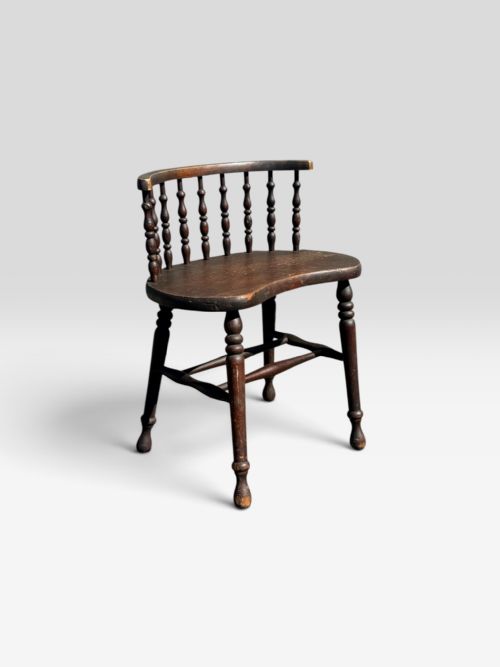
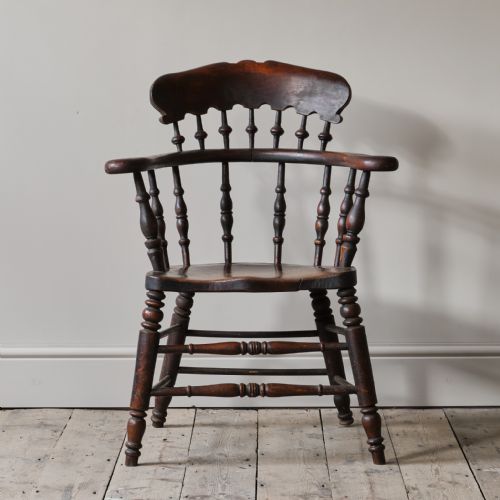
- A low-backed Windsor armchair featuring a continuous curved arm rail and spindle back, commonly associated with 19th century vernacular domestic use.
- Saddle seat
- A thick wooden seat base sculpted with concave depressions to ensure ergonomic comfort for the sitter.
- Vernacular
- Objects made by regional craftspeople using local traditions and native materials rather than adhering to formal metropolitan design canons.
- Bodger
- A travelling pole-lathe turner who worked in the woods to produce rough-shaped chair legs and spindles for local frame makers.
Dark Brown Windsor Armchair: Frequently Asked Questions
How do I date a dark brown windsor armchair?
Dating relies upon observing construction marks, timber shrinkage, and stylistic shifts such as the transition from 18th century comb backs to Victorian hoop backs. Tool marks left by drawknives and adzes point toward earlier vernacular manufacture.
Changes in turning styles and the accumulation of dark patinas over generations provide further chronological indicators for un-dated pieces.
What woods were used in these chairs?
Traditional makers paired different timbers according to their structural properties within the dark brown windsor armchair framework. Elm provided tough, splitting-resistant timber for carved seats.
Ash and beech supplied flexible strength for steam-bent bows and slender turned spindles, while yew and oak appeared in regional variants.
Are these chairs comfortable for daily use?
The ergonomic shaping of the saddle seat and the raked angle of the back make these chairs surprisingly supportive for sitting. Generations of domestic use proved their practical durability in farmhouse kitchens and parlours.
Adding a loose pad or cushion can enhance comfort without altering the historic wooden structure.
How should I care for the dark timber?
Maintain the surface of a dark brown windsor armchair by applying occasional microcrystalline wax to nourish the aged wood. Avoid placing the chair near direct heat sources or strong sunlight to prevent timber splitting.
Gentle dusting with a dry cloth preserves the accumulated patina built up over centuries.