
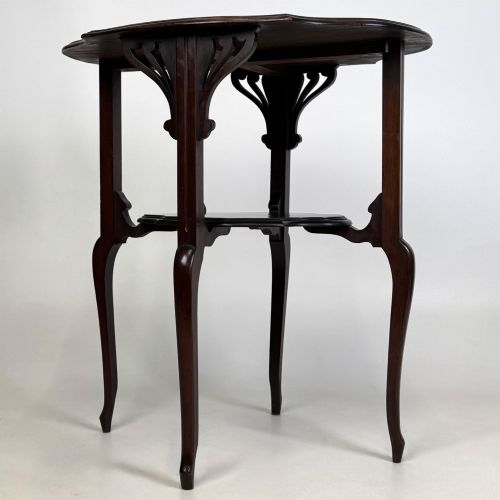
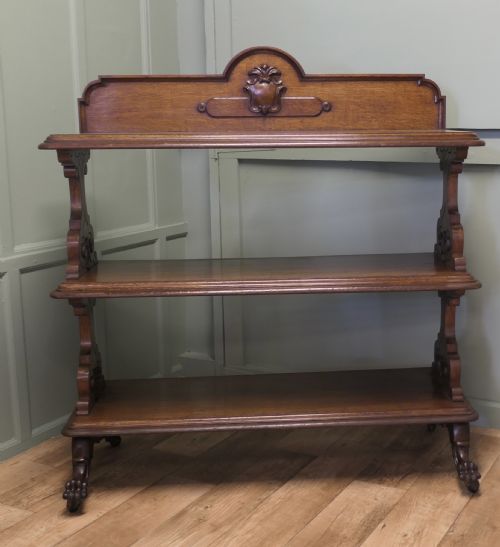
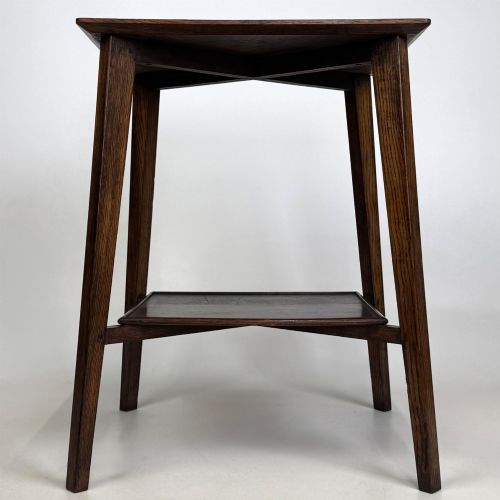
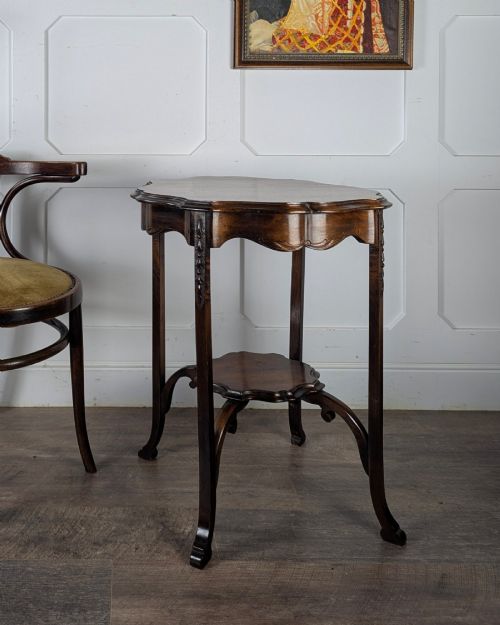
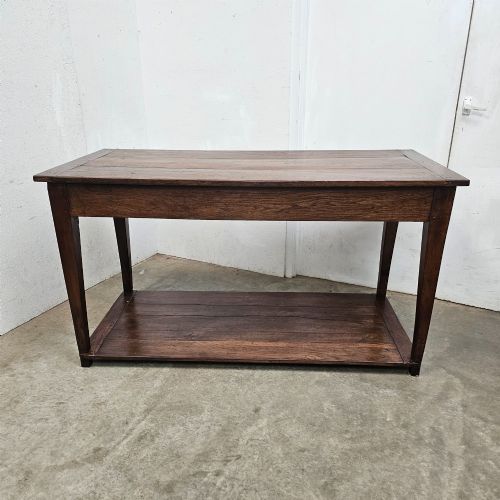
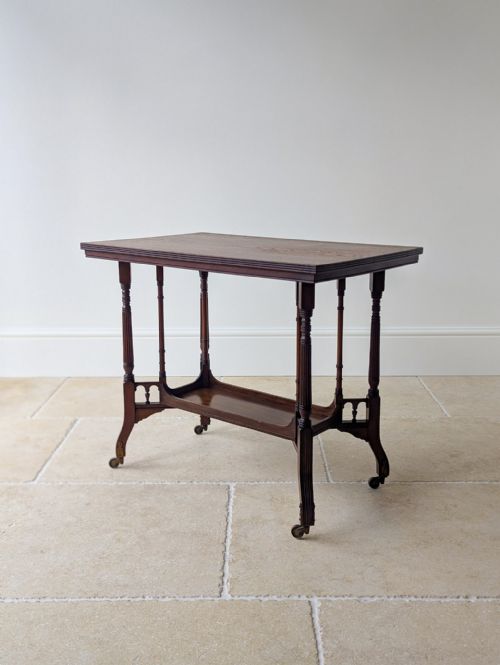
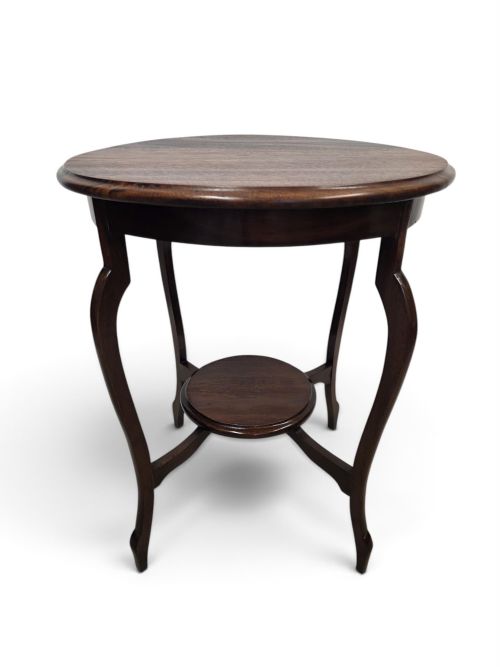

Dark Brown Tier Table
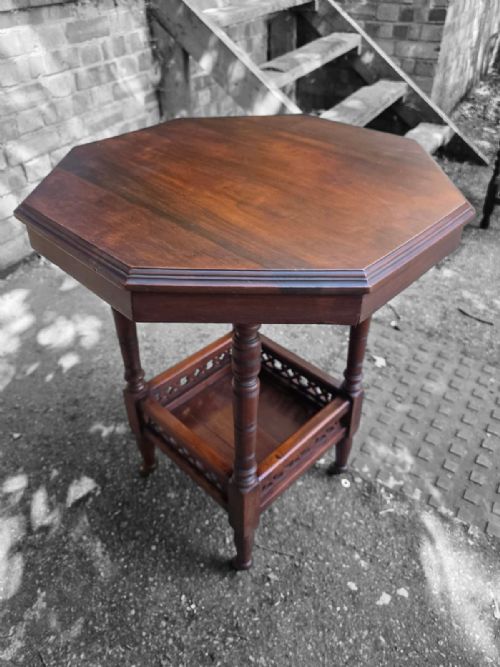
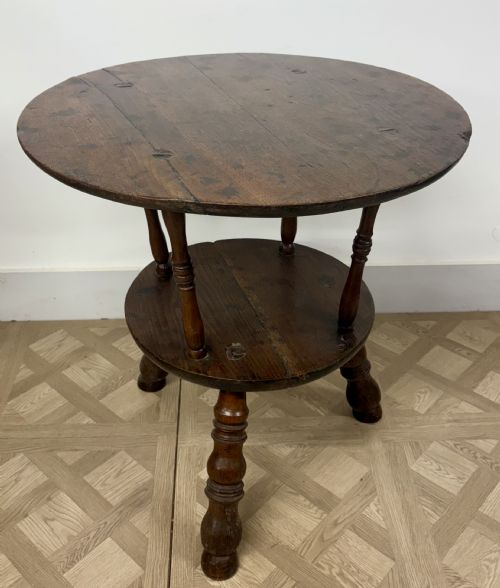
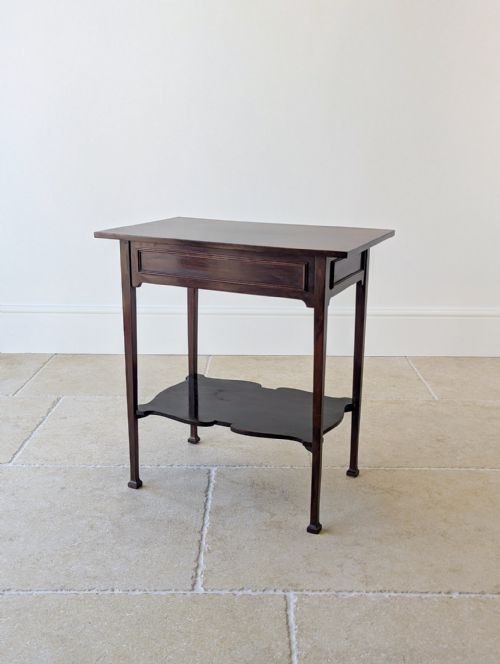
A dark brown tier table brings practical stacked surfaces to a room, offering rich timber tones from mahogany and oak.
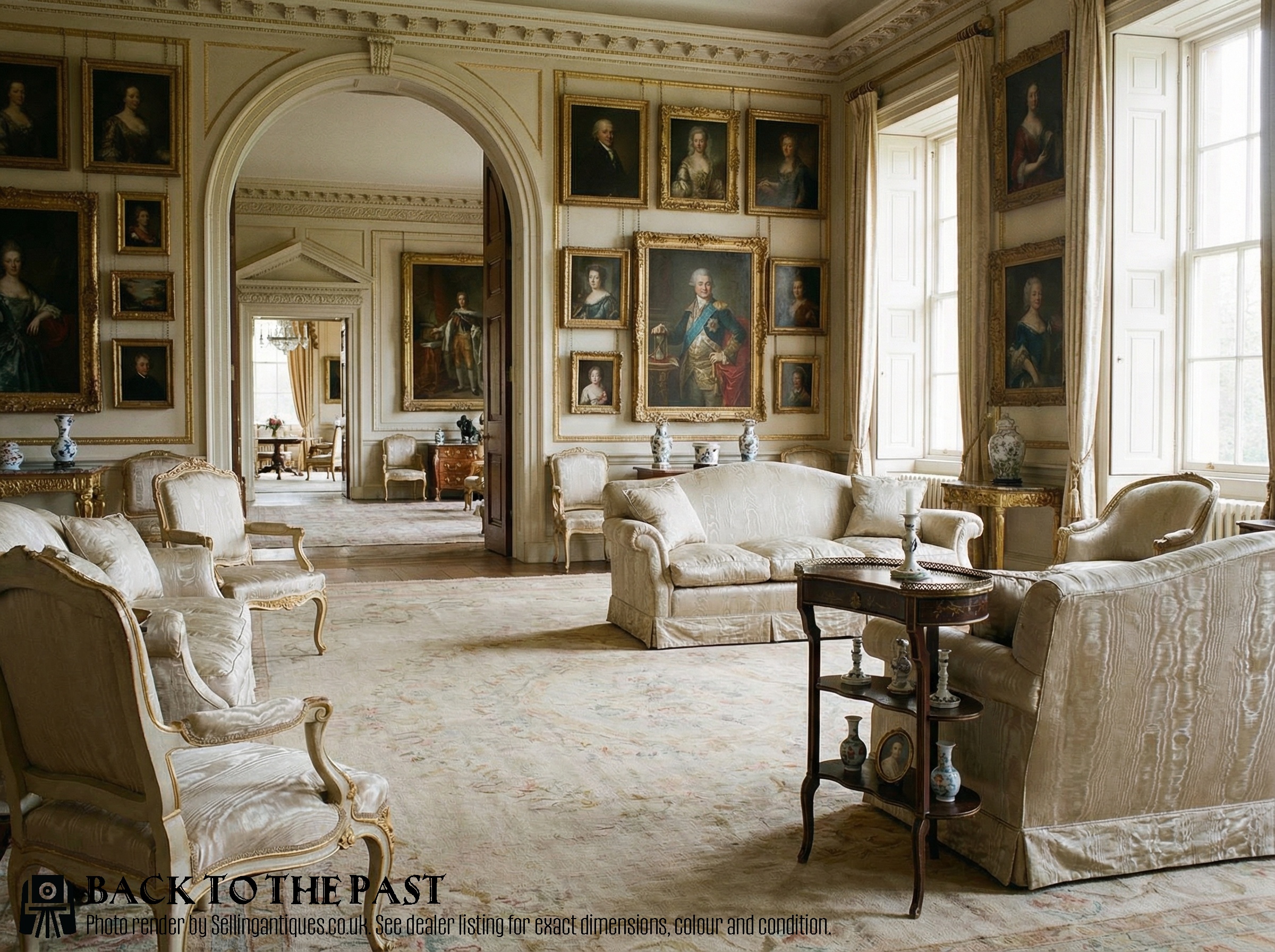
Dark Brown Tier Table
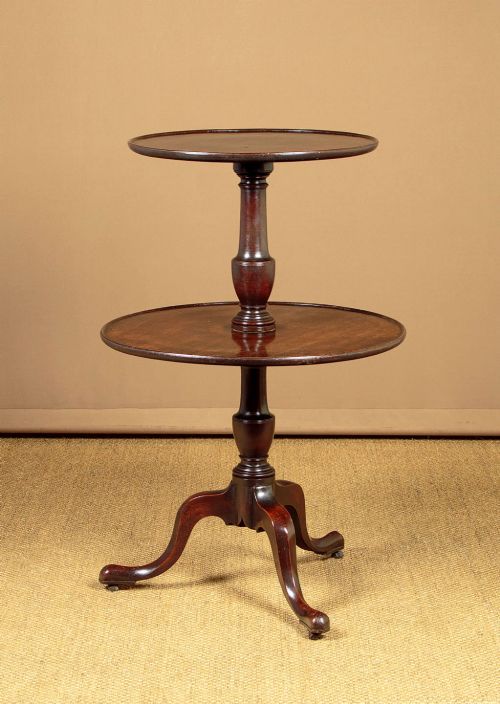
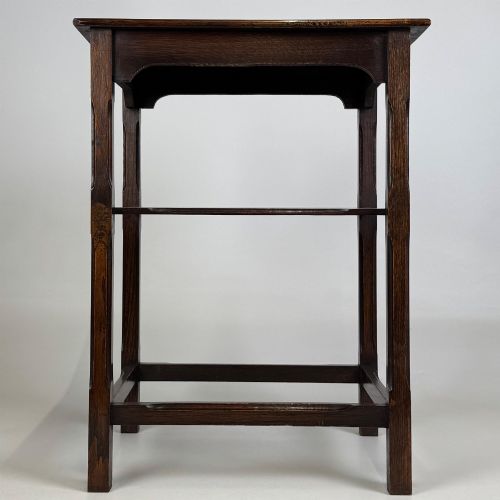
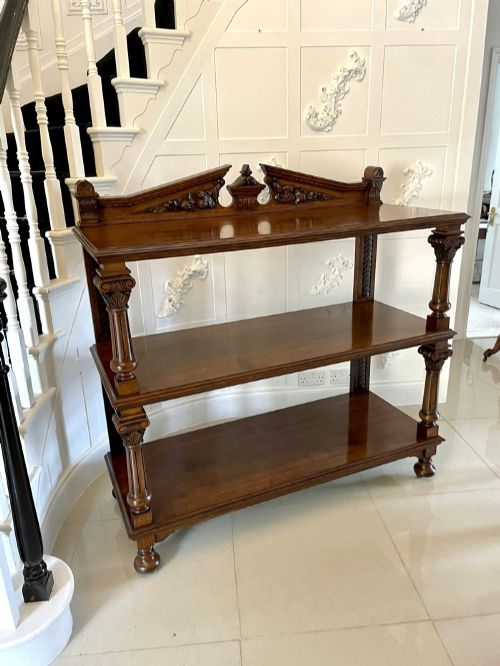
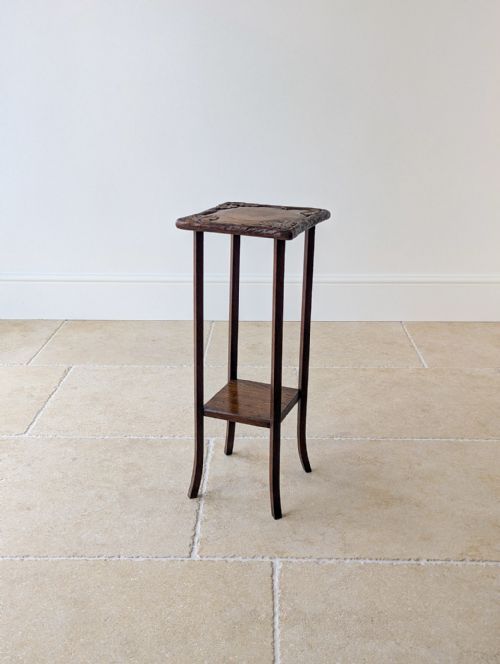
A dark brown tier table provides multiple stacked surfaces for display or service, encompassing forms such as dumb waiters, side tables, plant stands, and occasional tables. These pieces serve functional roles in domestic spaces while introducing vertical interest through their stepped levels.
The versions most frequently met on this page date from the Victorian and Edwardian eras, alongside Georgian and later twentieth-century examples. They appear in configurations ranging from simple two-tier plant stands to elaborate dumb waiters and tea trolleys.
Makers utilised varied timbers like mahogany, walnut, and oak to construct these multi-level surfaces, often incorporating brass fittings. Their forms reflect the practical demands of historic interiors, from serving meals to holding decorative ceramics.
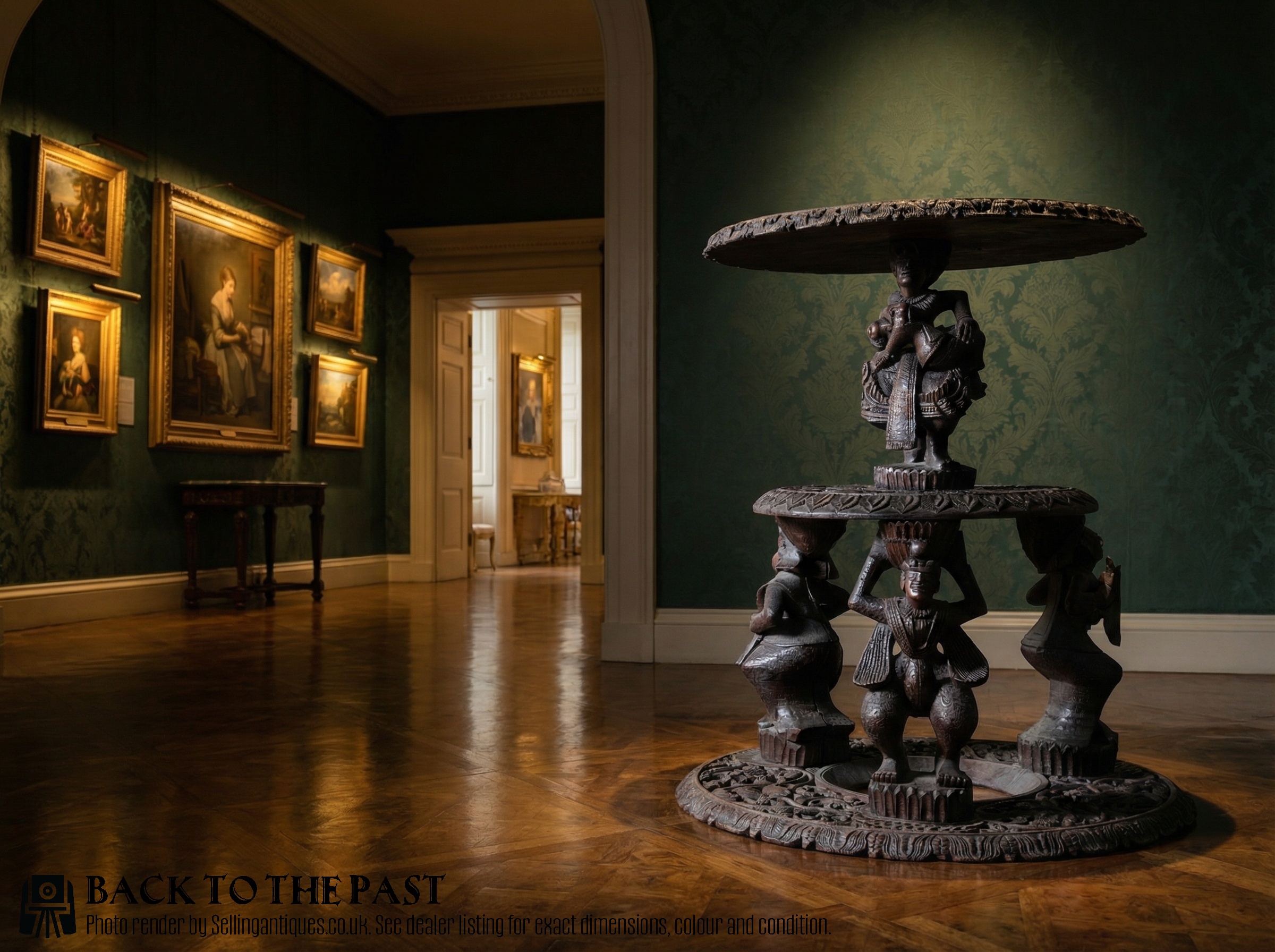
How they were made
Cabinetmakers constructed these tables using dense hardwoods such as mahogany, oak, walnut, and teak, selected for their stability and deep natural colour. Timber planks were joined with traditional methods to support multiple tiers without sagging.
Metal elements like brass appeared in hinges, castors, and structural brackets to add durability and allow movement on larger serving pieces. Rattan, bamboo, and leather also surface in specific regional or stylistic variants.
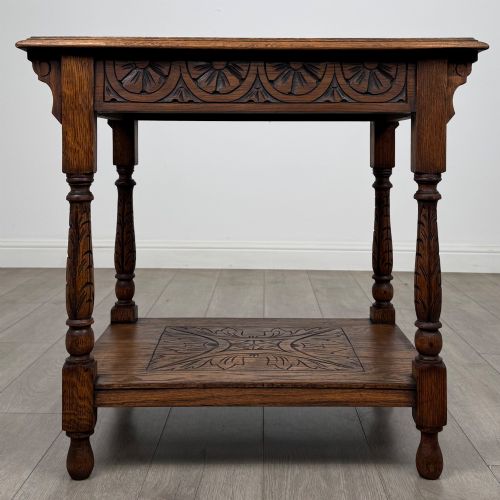
Carved ornamentation and turned supports defined the aesthetic execution, particularly in Arts and Crafts and Aesthetic Movement pieces. Surfaces received polished finishes that highlighted the grain of the dark woods.
Several pieces include woven rattan and bamboo, proving Victorians loved an indoor jungle just as much as we do.
What varies in quality
The refinement of the timber selection and the crispness of any carved detailing set superior examples apart from standard utility pieces. Finer tables exhibit carefully matched grain patterns across multiple tiers and well-proportioned turned columns.
Structural integrity in the joints and the original quality of brass hardware determine longevity. Tables that retain their original stabilizing elements and smooth tier connections demonstrate superior original manufacture.
Gregory & Co·Liberty and Co·Dryad Leicester
The Dark Brown Tier Table Glossary
- Tier table
- A piece of furniture featuring two or more stacked horizontal surfaces supported by pillars or legs. These surfaces provide additional display area without expanding the footprint of the furniture.
- Dumb waiter
- A multi-tiered serving stand historically used in dining rooms to hold food and utensils without the need for servants. They often feature graduating circular trays mounted on a central pillar with tripod legs.
- Occasional table
- A small, versatile table designed to be moved around a room as needed for specific tasks. They appear frequently in multi-tiered formats for holding books or decorative objects.
- Whatnot
- An open set of shelves used for displaying ornaments, books, or collections. These tall, tiered units combine utility with decorative display.
- Aesthetic Movement
- A late nineteenth-century design style emphasising visual beauty over narrative subject matter. Pieces from this movement often incorporate ebonised wood and Japanese design influences.
Dark Brown Tier Table: Frequently Asked Questions
What were tier tables used for?
Tier tables served diverse domestic functions, from holding afternoon tea and books to displaying decorative plants and porcelain.
Their stacked design maximised usable surface area in a compact footprint, making them ideal for Victorian and Edwardian sitting rooms.
How do I date a dark brown tier table?
Dating relies on identifying the timber species, construction methods, and stylistic markers such as turned legs or carved motifs.
Victorian and Edwardian pieces often display heavier proportions and machine-assisted joinery, while Georgian examples show hand-cut joints and lighter framing.
Are these tables sturdy enough for daily use?
Most solid hardwood tier tables remain robust and well-suited for everyday placement in modern living spaces.
Care should be taken to distribute weight evenly across the shelves, particularly on pieces with slender central pillars or tripod legs.
Where should I place a tier table at home?
These tables fit easily beside armchairs, in narrow hallways, or as freestanding plant stands in corners.
The multiple levels allow you to display trailing plants, lamps, or small collections without cluttering the room.