
Georgian Tiered Side Table
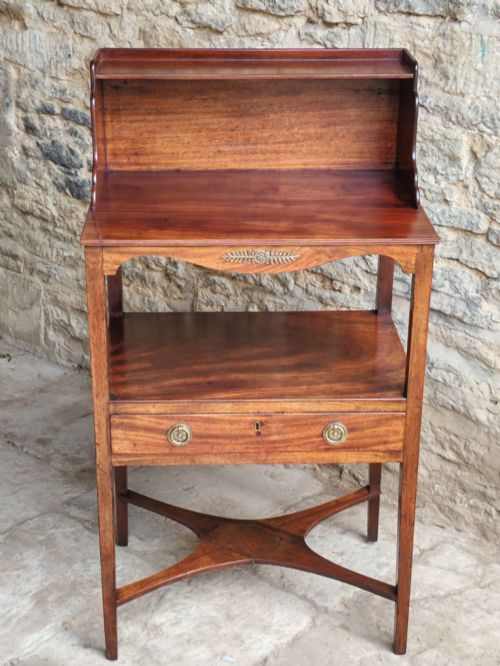
A georgian tiered side table is a versatile mahogany serving surface that brings tiered architectural elegance to a room.
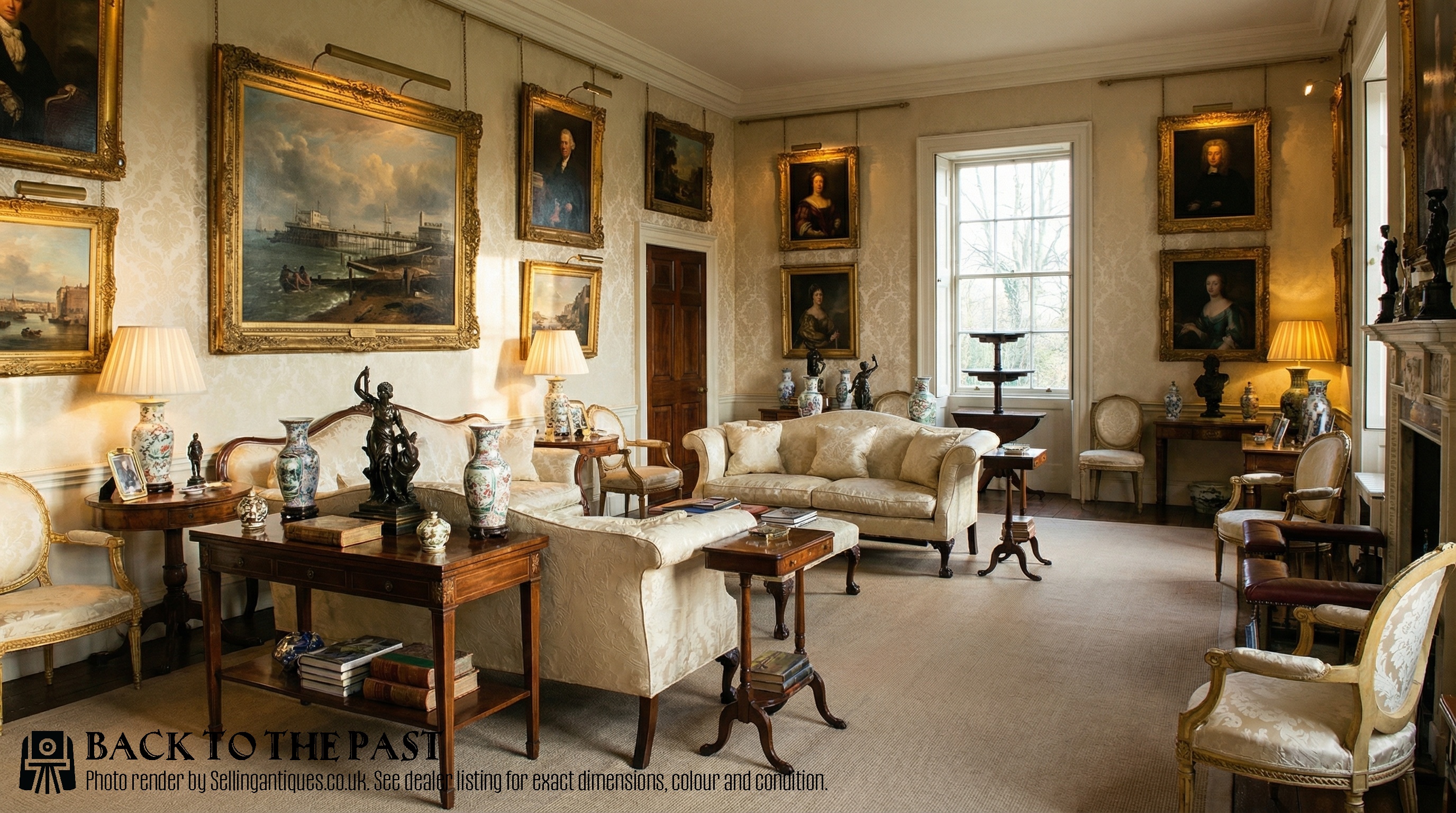
What They Are
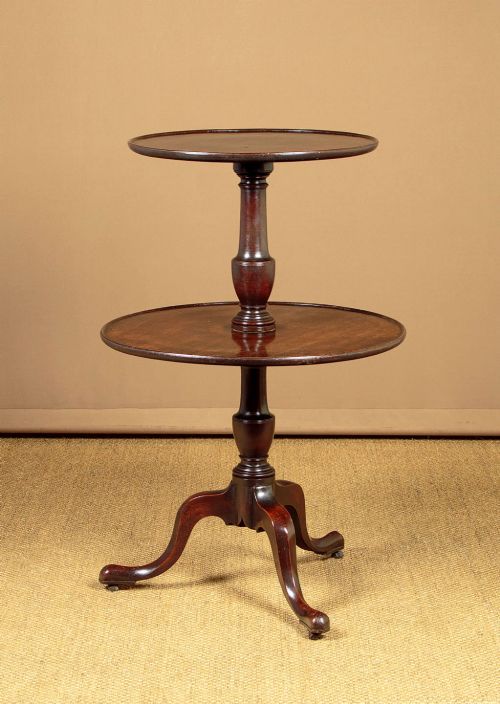
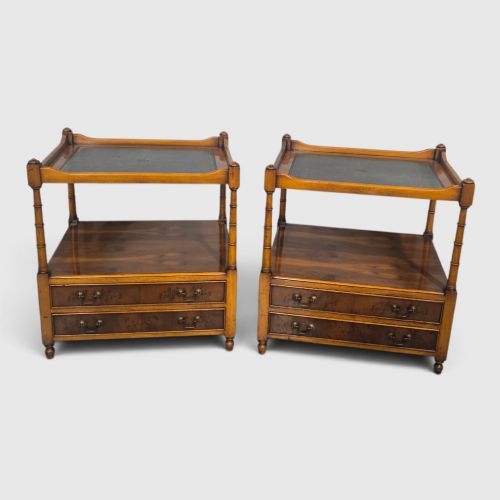
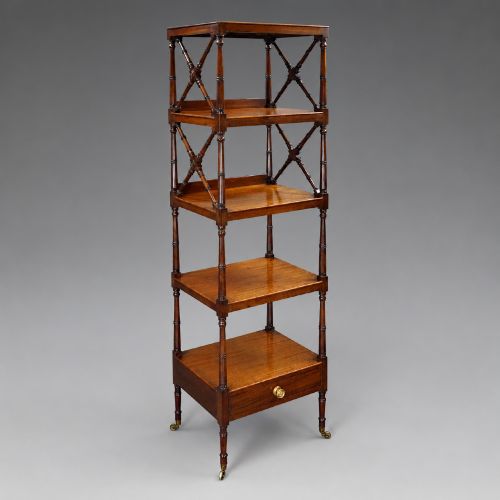
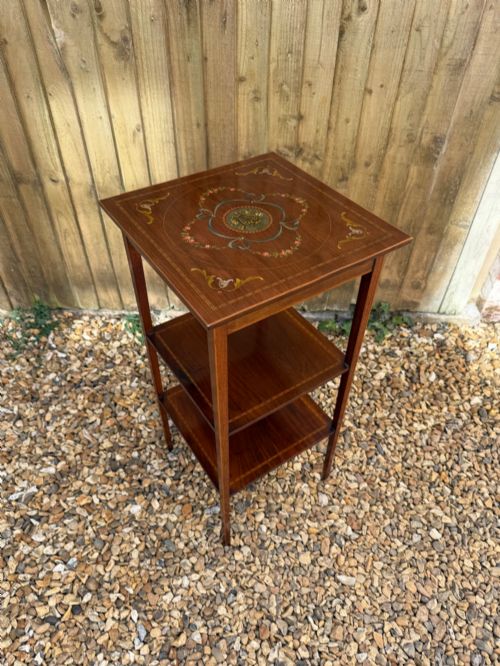
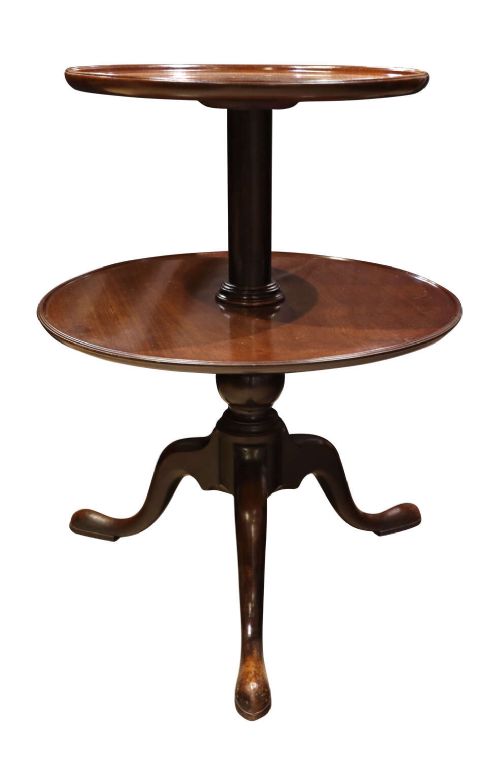
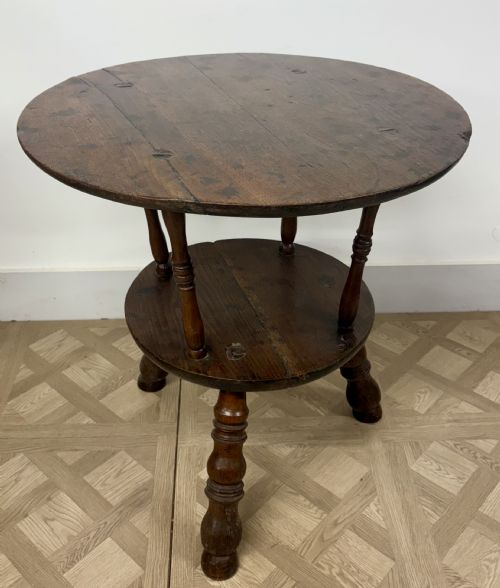
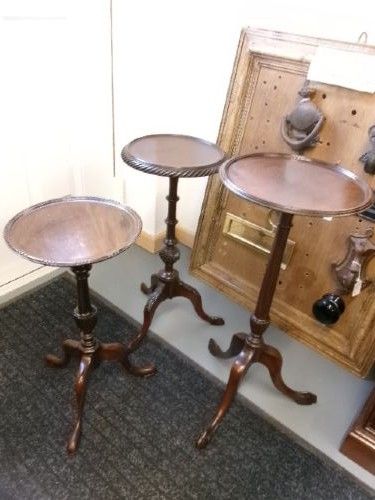
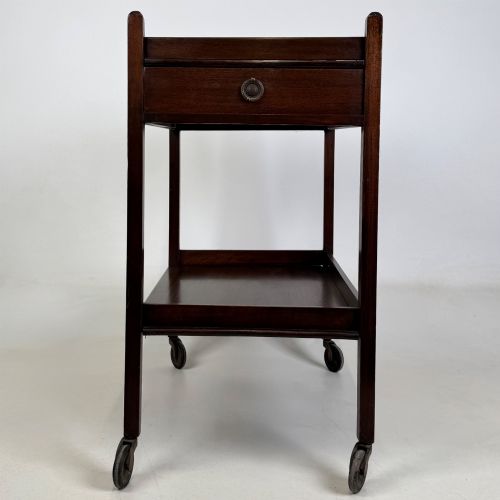
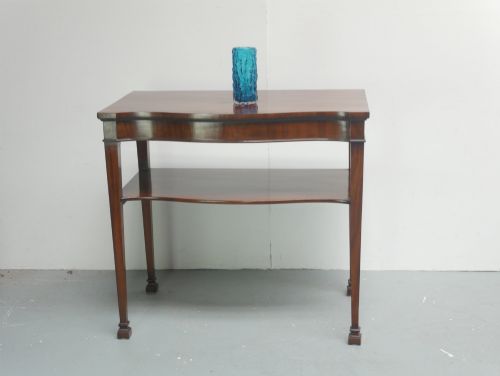
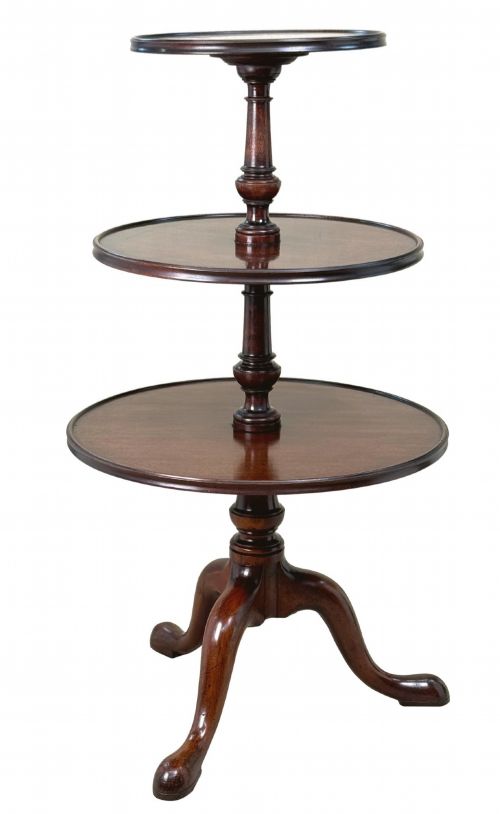
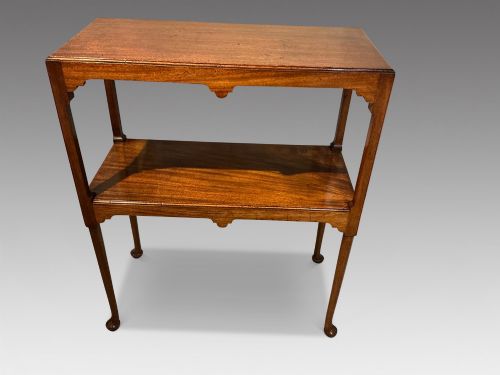
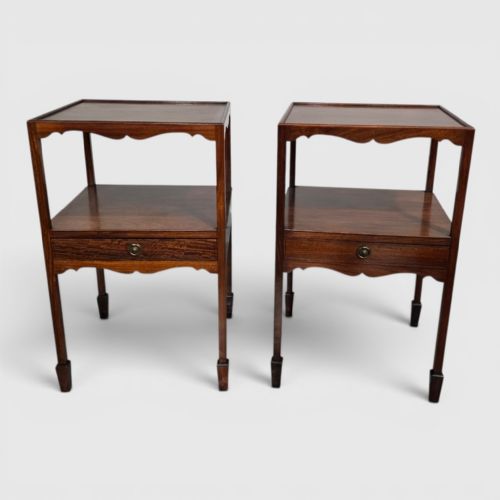
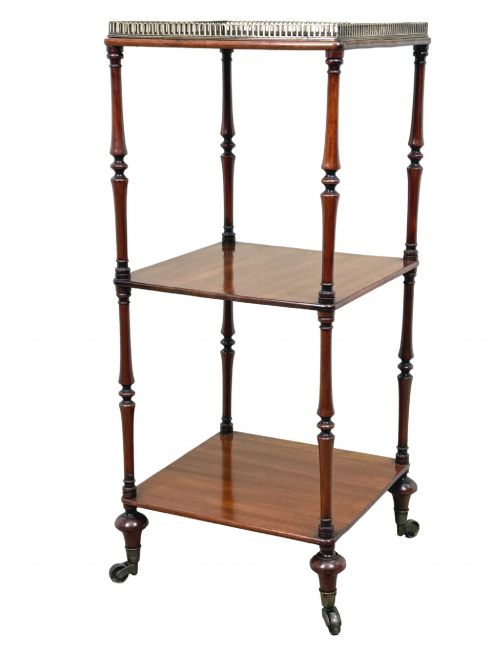
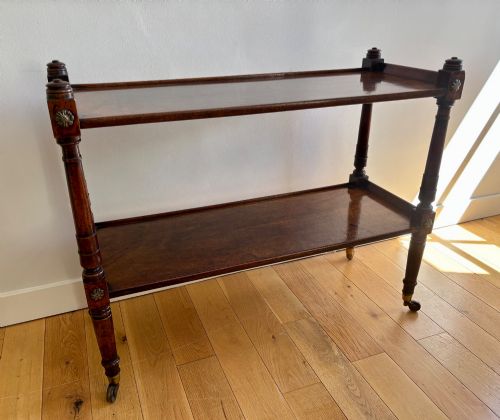
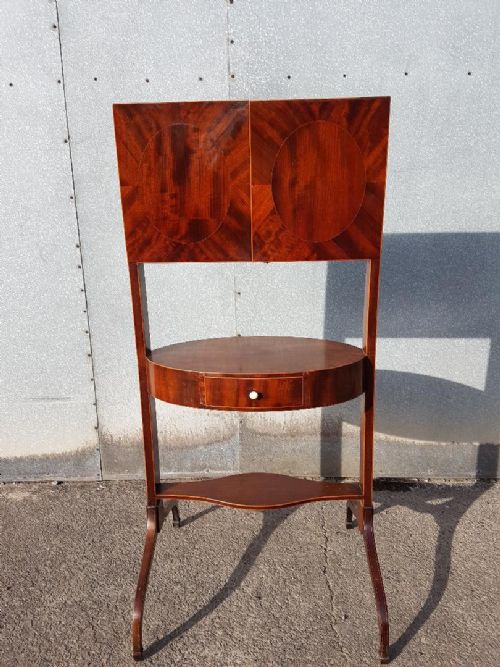
When you search for a georgian tiered side table, you encounter practical multiple-level surfaces designed for serving and display. The listings show forms ranging from bedside tables and occasional tables to multi-tiered dumb waiters.
You are most likely to meet mahogany pieces spanning the Georgian period and the eighteenth century, alongside later nineteenth century and nineteen-ten revivals. These items include drop-leaf folding circular tiers and fixed two-tier structures.
The objects serve as functional tiered furniture that originated to assist with dining and household storage. Their tiered design provides graduated surfaces while maintaining a compact footprint.
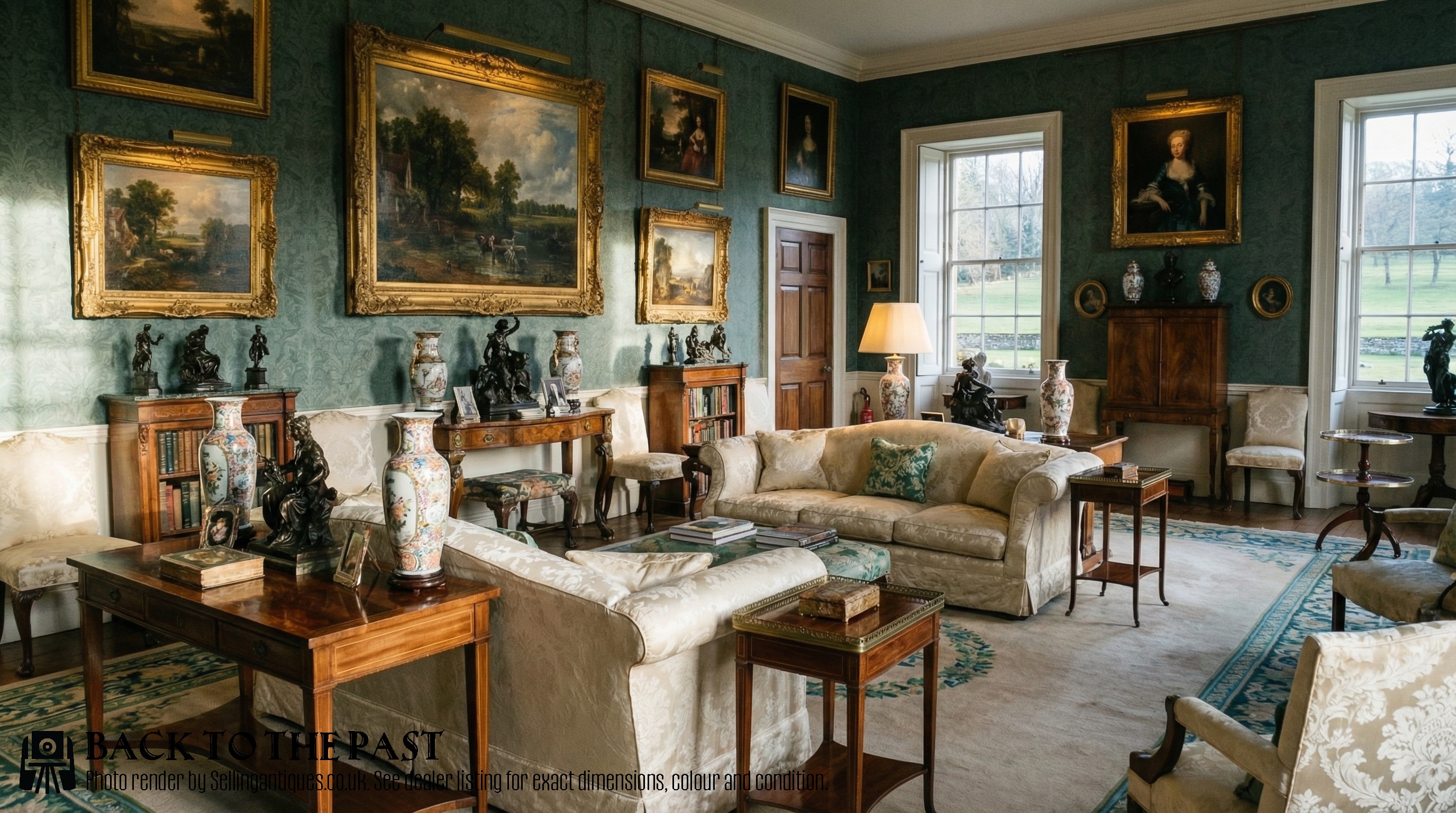
How They Were Made
The pieces listed are constructed from mahogany timber, utilising the dense grain and rich colour characteristic of the wood. Brass fittings appear as functional hardware elements on the structures.
Construction techniques include drop-leaf folding mechanisms and multi-tiered circular arrangements. Individual tiers are supported by central columns or wooden uprights, forming stable vertical assemblies.
Retail Price Guide 2026
Typical UK retail prices for georgian tiered side table, calculated from the Sellingantiques database of over a million retail prices indexed since 2003. This retail price guide relies exclusively on Sellingantiques data; no external sources or auction records are used, so the figures do not describe the wider market.
Some circular tiers fold away politely when the dining room drama concludes.
What Varies in Quality
Quality rests in the refinement of the mahogany timber and the crispness of the joinery connecting the tiers. Examples range from simple utilitarian bedside tables to sophisticated multi-tier dumb waiters with folding circular leaves.
The sophistication of the period execution dictates the distinction between original eighteenth-century production and later nineteenth-century or nineteen-ten interpretations. Finer pieces demonstrate careful attention to the turning of support columns and the integration of brass components.
The Georgian Tiered Side Table Glossary
- Georgian
- The period spanning the reigns of the four British monarchs named George, from fourteen-fourteen to eighteen-thirty. It encompasses classic proportions and mahogany as a primary cabinet timber.
- Dumbwaiter
- A multi-tiered freestanding serving table designed to hold dishes or glassware without servants present. These pieces typically feature circular graduated tiers on a central pillar.
- Drop-leaf
- A table design featuring hinged flaps that fold down to save space or lift up to extend the surface area. This mechanism appears on circular tiered tables.
- Occasional table
- A small, movable table intended for versatile use around a room rather than a fixed dining or writing purpose. These serve ancillary functions in period interiors.
Frequently Asked Questions
What is a tiered side table used for?
These pieces serve as multi-level surfaces for holding items, originally designed to assist with dining or bedside storage without constant attendance.
The graduated tiers provide space for displaying objects or placing necessities within reach while occupying minimal floor area.
How do I identify a Georgian tiered table?
Look for mahogany construction, traditional joinery methods, and the architectural proportions typical of the eighteenth century.
Compare the piece against later nineteenth-century examples and nineteen-ten revivals to understand the age and manufacturing style.
Are all these tables from the eighteenth century?
The selection includes pieces from the Georgian period and the eighteenth century, as well as nineteenth-century and nineteen-ten examples.
Each item reflects the aesthetic and construction standards of its specific period of origin.
What materials were used?
Mahogany is the primary timber seen across these listings, providing a sturdy and dark-grained foundation for the furniture.
Brass components also appear on the pieces to serve as functional hardware or structural supports.