
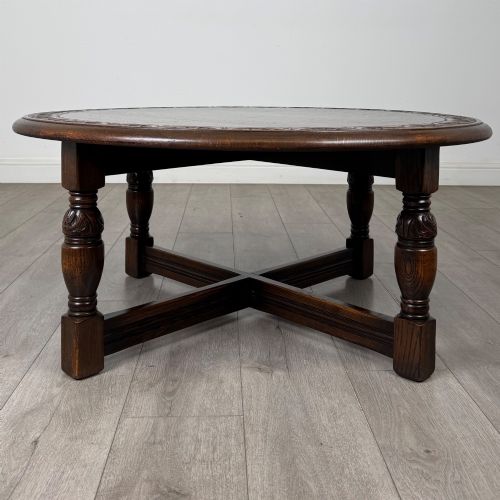
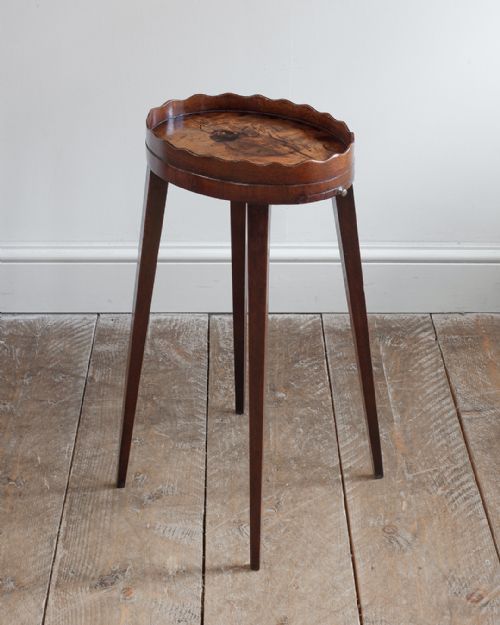
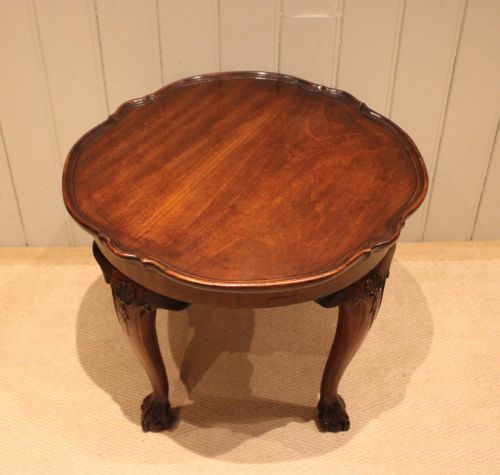
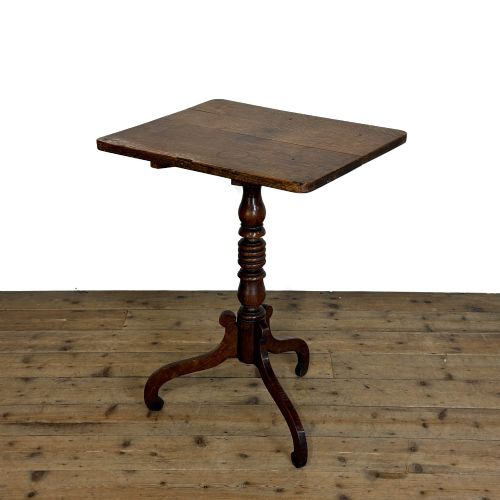
Dark Brown Tea Table
A dark brown tea table brings warmth to a room, offering surface space in mahogany, oak, walnut, or rosewood.
Dark Brown Tea Table
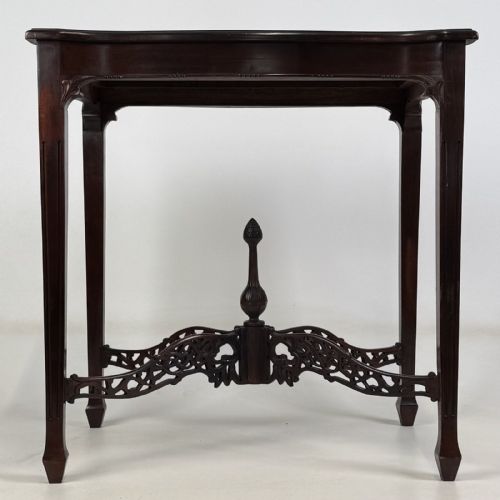
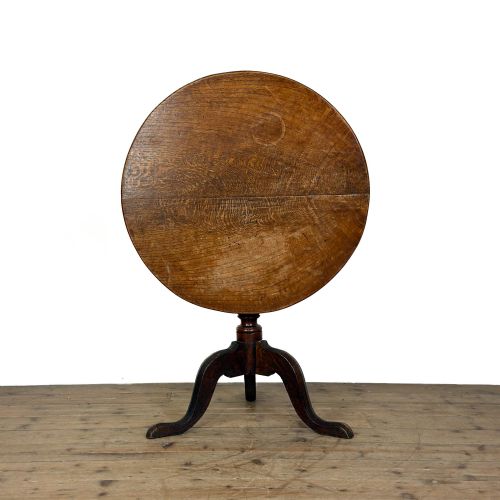
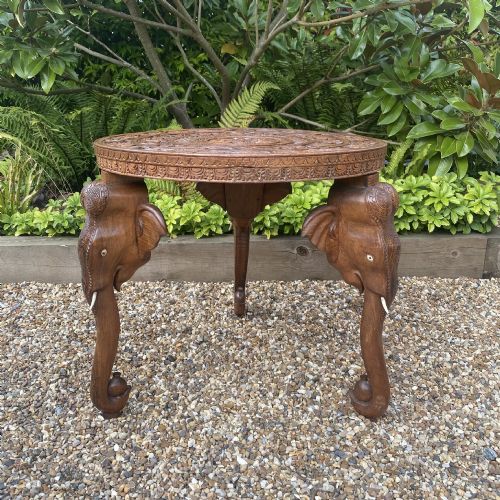
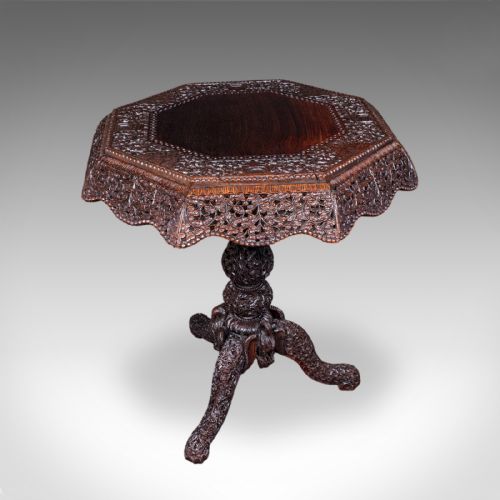
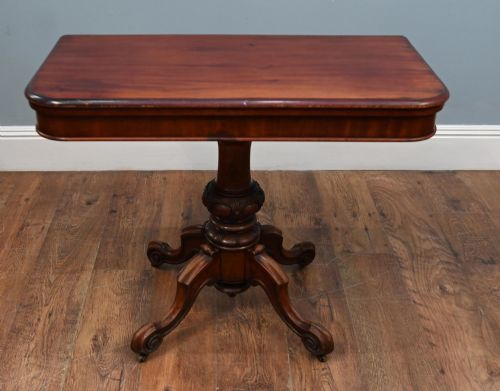
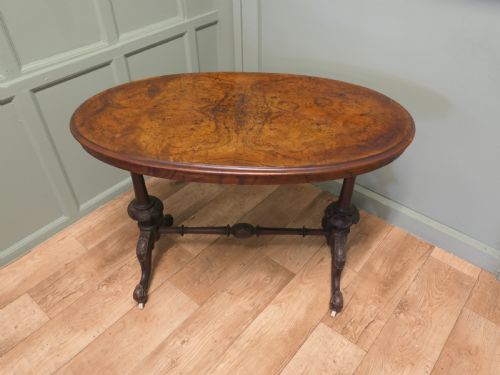
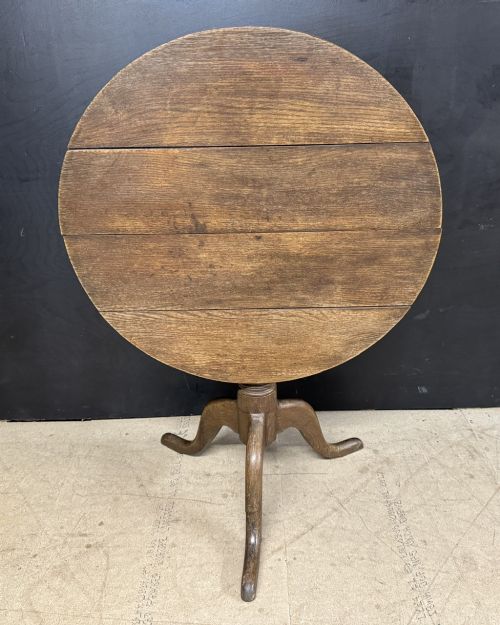
A dark brown tea table encompasses a variety of antique forms, including tilt-top pedestals, tripod bases, and nests of tables. Buyers searching for a dark brown tea table encounter pieces originating from the eighteenth, nineteenth, and early twentieth centuries, spanning Georgian, Victorian, and Edwardian periods.
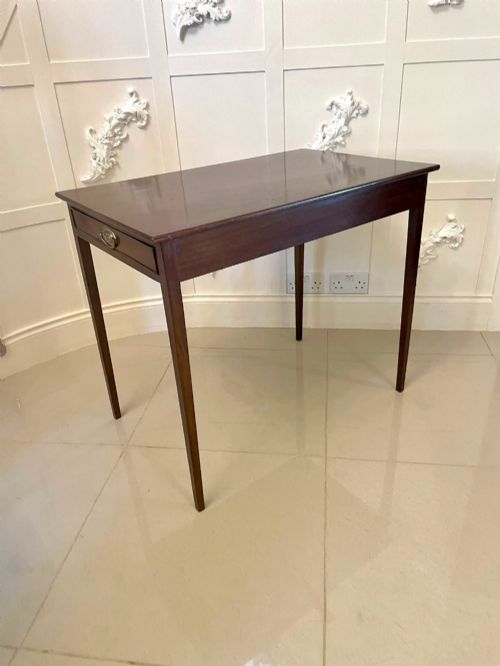
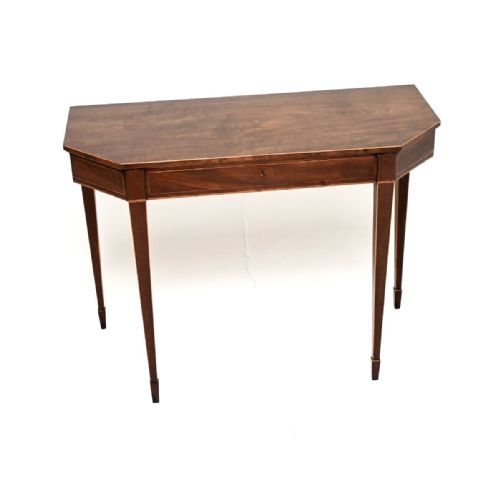
The selections on this page range from compact occasional tables and lamp tables to larger console tables, card tables, and butlers tray tables. Side tables and coffee tables in carved or solid timber dominate the available forms, reflecting domestic utility across multiple eras.
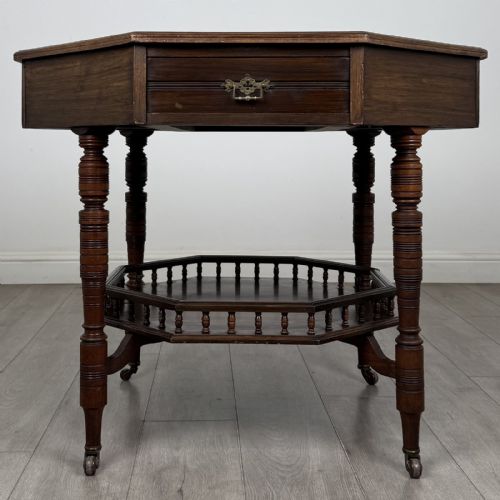
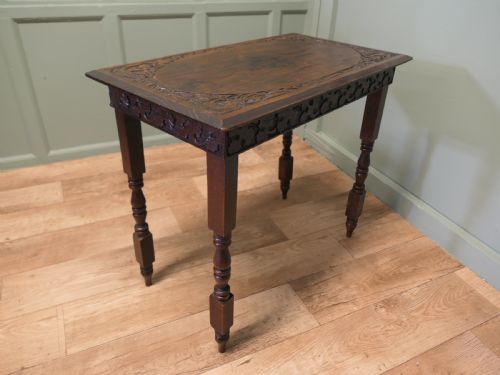
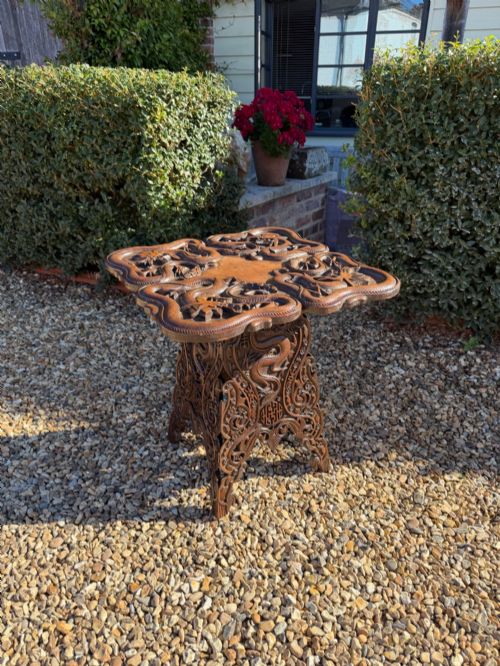
Originating in styles such as Chippendale, Jacobean Revival, Arts and Crafts, and Aesthetic Movement, these dark brown tea tables showcase diverse craftsmanship. Formats vary from octagonal occasional pieces to drop-leaf variants and intricate birdcage mechanism supports.
Materials and Construction
Cabinet makers utilised dense hardwoods such as mahogany, oak, walnut, and rosewood, frequently incorporating brass fittings and delicate satinwood stringing. Timber selection dictated the structural integrity and deep natural tone of each dark brown tea table.
Construction techniques involved traditional joinery, sturdy pedestal supports, and specialised mechanisms like tilt-top birdcages and drop leaves. Carved detailing, inlaid surfaces, and turned legs defined the physical build of these tables across various revival styles.
Tables equipped with birdcage mechanisms allow the surface to rotate freely, offering an unexpected kinetic element to afternoon tea.
Evaluating Quality
The calibre of a dark brown tea table rests upon the depth of the timber's original patina and the crispness of any hand-carved ornamentation. Superior examples display thoughtful proportions, uncompromised structural joins, and harmonious integration of brass hardware or inlaid motifs.
Makers such as Gregory and Co produced work distinguished by refined aesthetic movement styling and select material choices. Inferior pieces often lack the structural cohesion, fine grain figuring, or historical integrity found at the top of the range.
Gregory and Co·E.W Godwin
The Dark Brown Tea Table Glossary
- Tilt Top
- A table top hinged to fold vertically when not in use. This mechanism allowed tables to be stored flat against a wall.
- Birdcage Mechanism
- A rotating wooden framework beneath a table top that permits turning and tilting. It provides stability to pedestal designs.
- Teapoy
- A small box on legs intended for storing tea leaves. These containers evolved into decorative occasional tables.
- Spider Leg
- A term describing tables with slender, delicate turned legs cross-braced for stability. They offer a light visual footprint.
- Demi Lune
- A half-moon shaped furniture form designed to stand flat against a wall. These console tables functioned as serving or display surfaces.
Dark Brown Tea Table: Frequently Asked Questions
What is a dark brown tea table used for?
These tables served primarily for serving tea, holding lamps, or providing temporary surface space in sitting rooms.
Today, they function as versatile accent furniture, coffee tables, or bedside stands in traditional and contemporary interiors.
How do I identify a Georgian dark brown tea table?
Georgian pieces typically exhibit proportions rooted in classical design, featuring solid mahogany or oak construction with tripod or spider leg bases.
Look for hand-carved details, timber patination, and functional elements like tilt-top mechanisms without modern mechanical fasteners.
Are these tables solid wood?
The inventory consists largely of solid hardwoods such as oak, mahogany, walnut, and rosewood, alongside figured mahogany veneers.
Makers selected these dense timbers to ensure lasting durability and rich, dark brown tones that deepen with age.
How do I care for a antique wood table?
Protect the surface from direct sunlight, excessive moisture, and extreme temperature fluctuations to preserve the antique finish.
Apply occasional appropriate wax polish and use coasters or mats to prevent ring marks on the polished timber.