


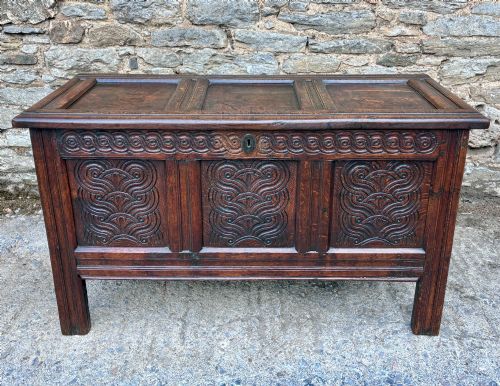
Dark Brown Storage Chest
A dark brown storage chest brings enduring utility to a room, offering robust housing for linens, documents, and personal belongings.
Dark Brown Storage Chest
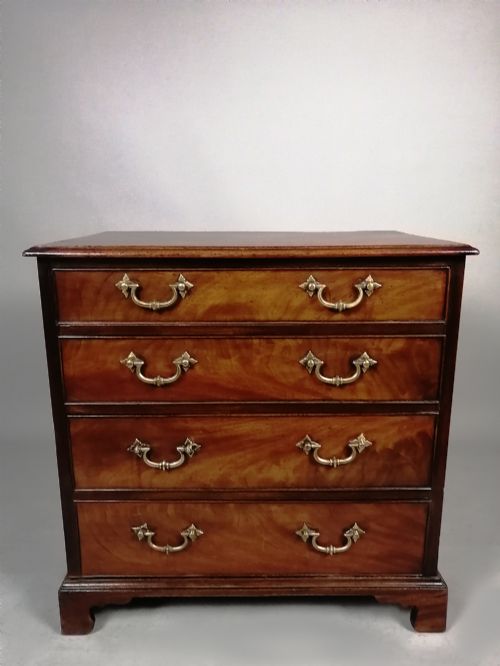
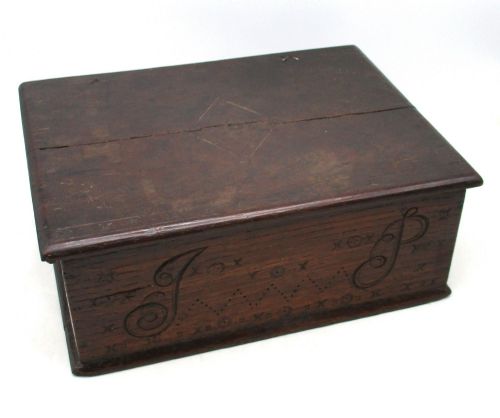
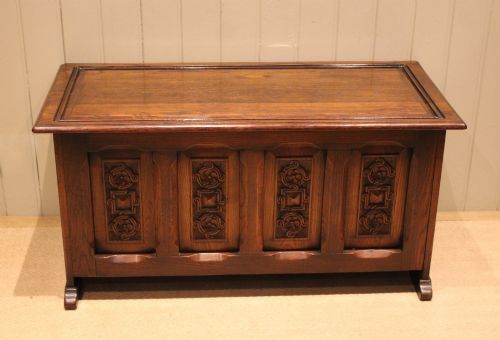
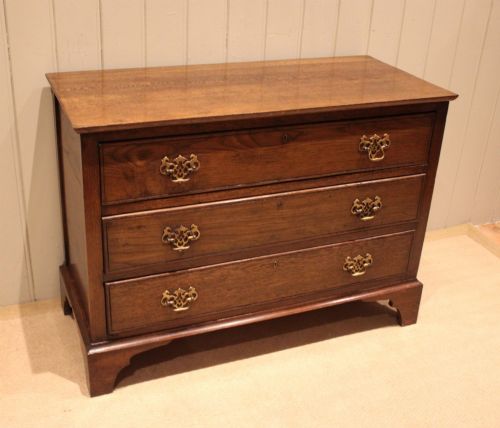
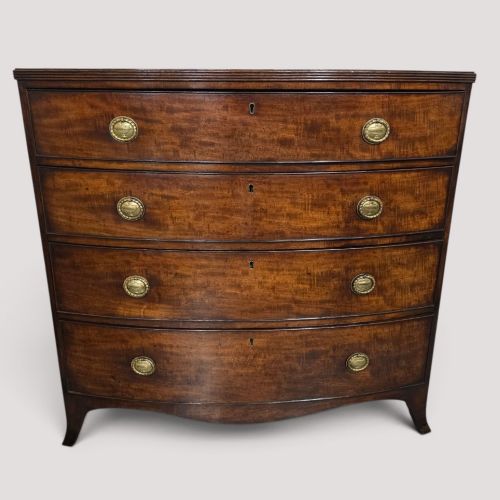
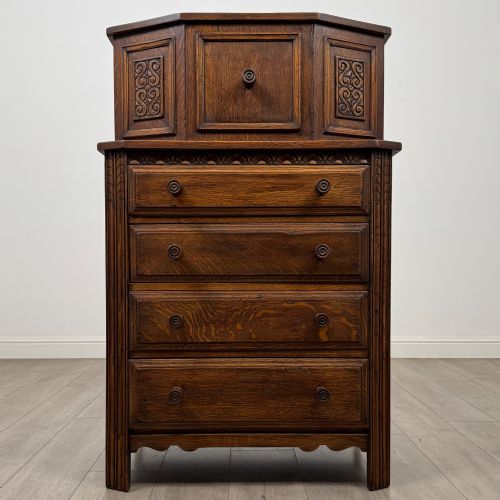
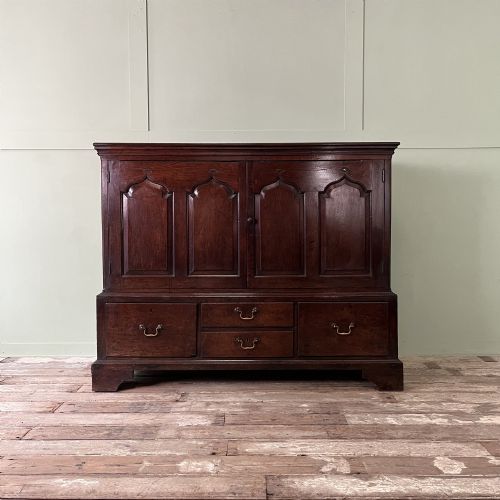
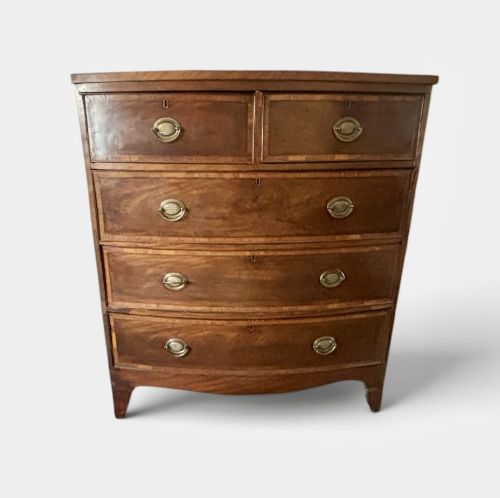
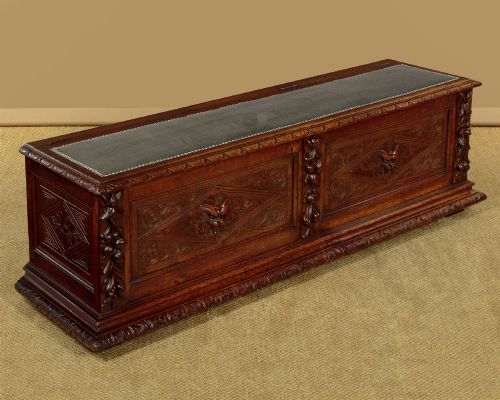
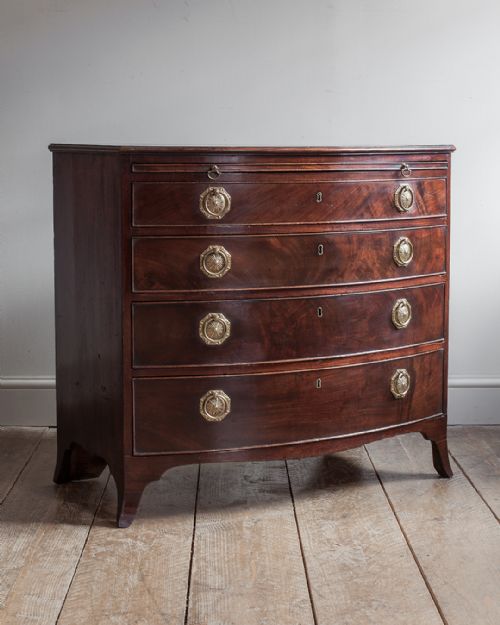
A dark brown storage chest encompasses utilitarian coffers, heavy document boxes, and compartmentalised chests of drawers designed to hold household goods. Buyers searching this phrase meet substantial timber constructions spanning from the sixteenth century through the Edwardian era.
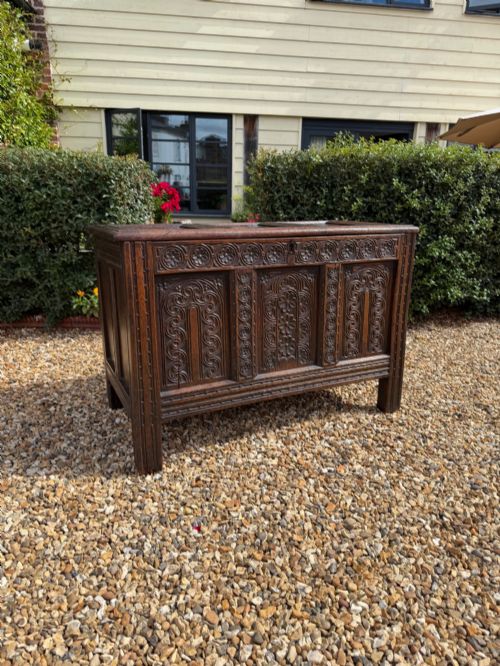
The selection on this page leans heavily toward sturdy oak coffers and mahogany chests of drawers, often featuring panelled fronts, brass hardware, or iron bindings. These domestic containers served practical household functions in period interiors, housing everything from textiles to legal papers.
How they were made
Carpenters constructed these pieces primarily using native timbers such as oak, elm, and mahogany, frequently enhancing surfaces with geometric mouldings, linenfold carvings, or satinwood banding. Iron bindings and brass handles provided structural reinforcement and secure closure for trunks and heavy coffers.
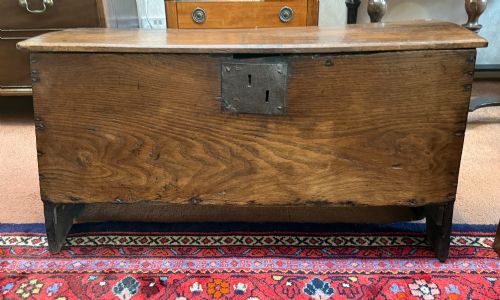
Joinery methods relied on pegged mortise and tenon frames, six-plank construction, and hand-cut dovetails for drawer assemblies. Natural finishes and wax applications preserved the timber while developing deep, dark patinas over centuries of use.
Listings feature solid oak, mahogany, pine, and elm across periods ranging from the sixteenth century to the Edwardian era.
What varies in quality
The standard of timber selection and depth of surface patina dictate much of the distinction between ordinary pieces and superior examples. Master carvers applied intricate geometric designs, relief panels, and precise mouldings that elevate simple storage boxes into sculptural furniture.
Structural integrity depends on the original state of the timber, the retention of period hardware such as brass drop handles or iron straps, and minimal alteration to the interior compartments or feet.
Samuel Pratt·Luxmore's of Ilfracombe
The Dark Brown Storage Chest Glossary
- Cofer
- A large solid chest used historically for storing valuables, linens, and personal possessions. These heavy lidded boxes often feature pegged frame and panel construction.
- Linen Press
- A tall piece of furniture featuring upper cupboard doors enclosing sliding trays for folded textiles, mounted above a base of lower drawers. They provide substantial vertical storage capacity.
- Dovetail
- A traditional interlocking joint utilised in drawer construction to secure corners with high tensile strength. Hand-cut variations indicate earlier periods of manufacture.
- Satinwood Banding
- A decorative inlay technique using contrasting pale timber strips set into darker mahogany surfaces to create geometric borders. This ornamental detail appears on refined case pieces.
Dark Brown Storage Chest: Frequently Asked Questions
How do I date an oak coffer?
Examination of the joinery methods, tool marks, and wood grain helps determine the approximate period of creation. Six-plank designs and hand-carved geometric panels frequently point to seventeenth-century or earlier origins.
Changes in hinge types, lock mechanisms, and nail construction also provide reliable clues regarding the decade of manufacture.
Where were these chests used originally?
These storage pieces functioned in various domestic and institutional settings, including bedchambers, halls, and administrative offices. Heavy coffers secured valuable textiles and documents in wealthy households.
Smaller document boxes sat upon tables for safe manuscript storage, while chests of drawers organised clothing in private chambers.
What is a six-plank coffer?
A six-plank coffer is formed from simple boards joined directly at the edges using nails, pegs, or dowels to create a rectangular box. This straightforward construction method represents an early form of English chest making.
Such pieces often display unadorned surfaces that highlight the natural grain of the elm or oak timber.
How do I maintain an antique wooden chest?
Regular application of a quality beeswax preserves the dry surface and maintains the historical patina of the timber. Avoid placing wooden storage furniture near direct heat sources or in damp environments.
Gentle dusting with a soft cloth prevents accumulation without disturbing the aged finish.