

Dark Brown Sculpture
Dark brown sculpture brings together cast metals and deep-toned timbers in animal studies, figures, and architectural fragments.
Dark Brown Sculpture
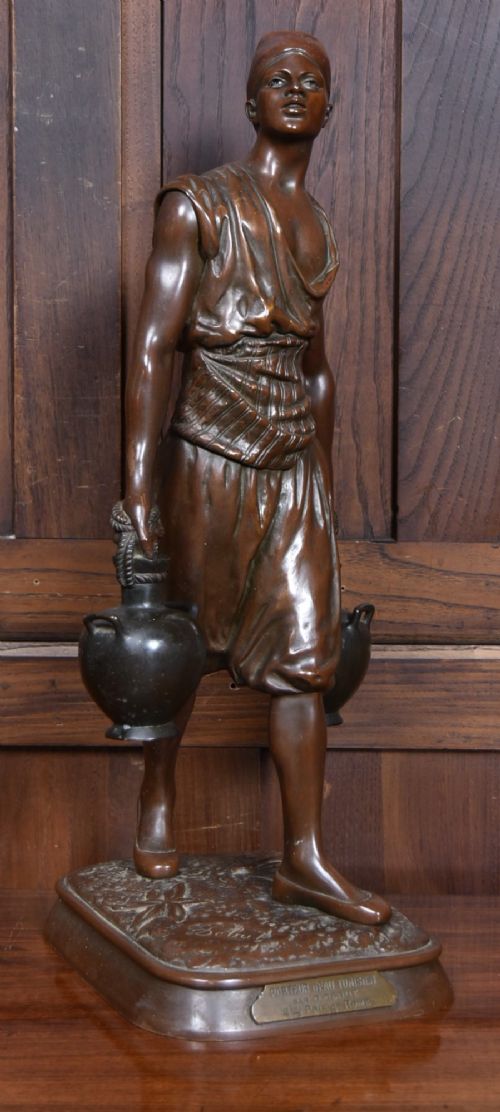
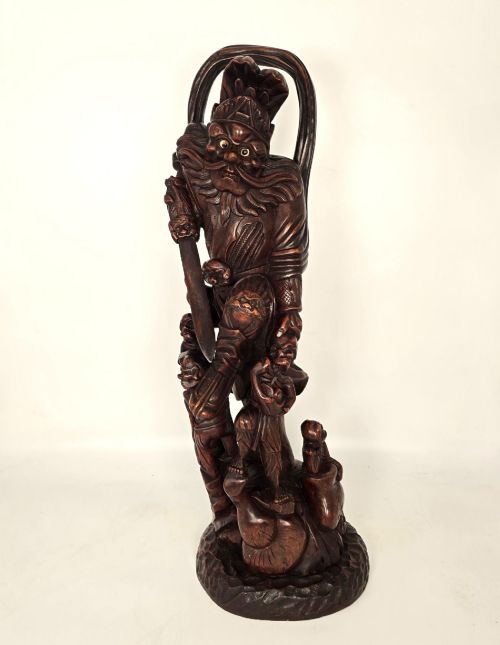
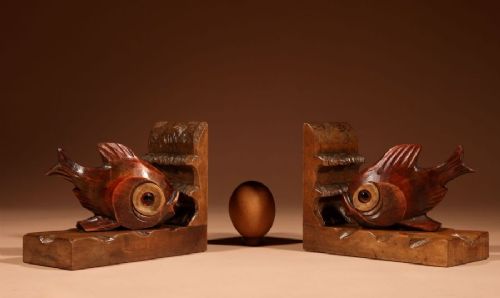
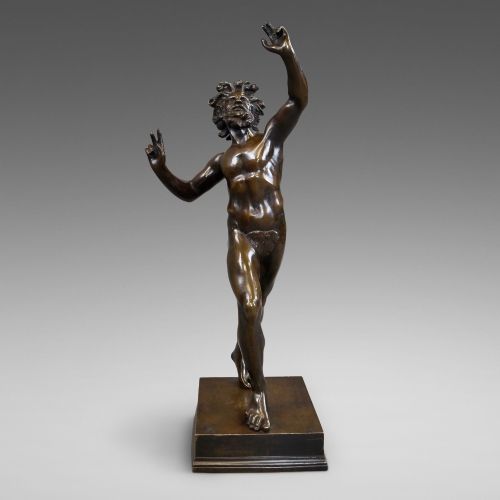
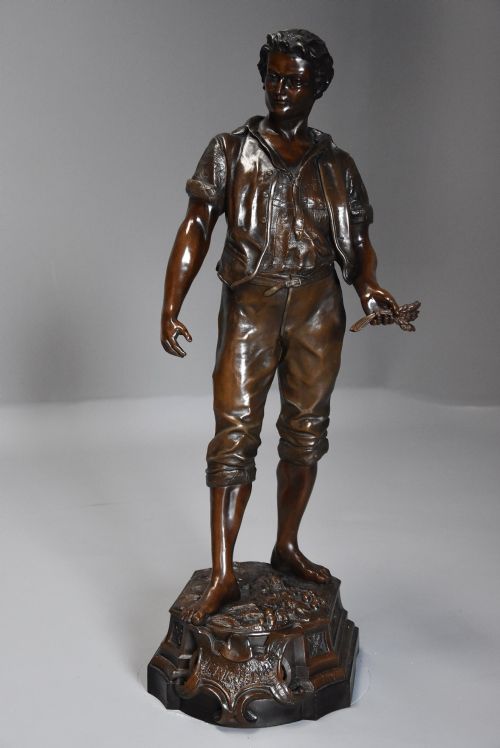
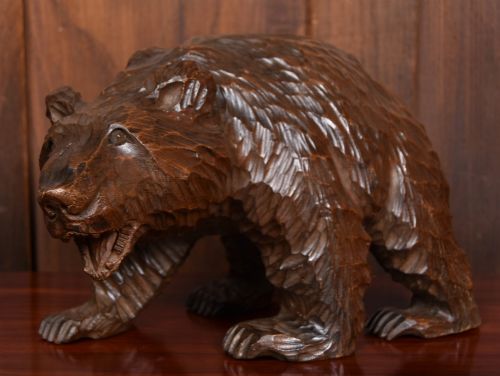
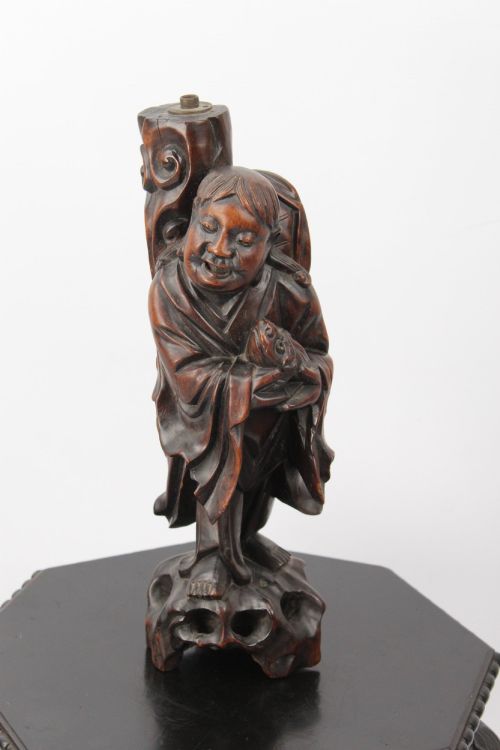
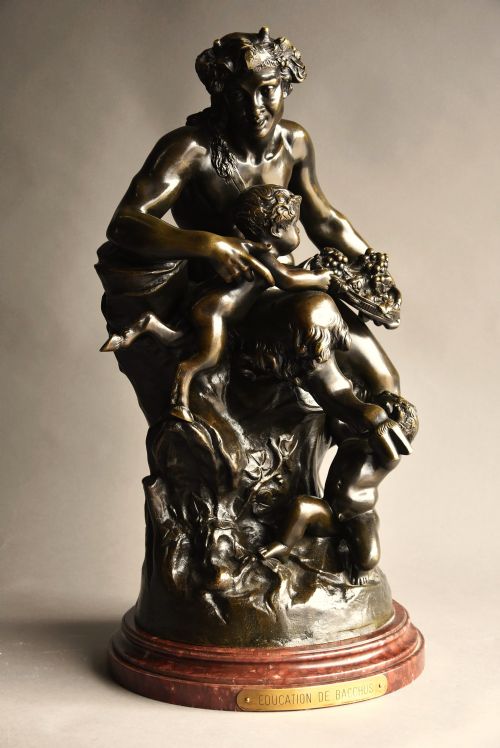
A dark brown sculpture search reveals pieces ranging from nineteenth-century European bronze animalier groups to carved hardwood Asian figures and seventeenth-century oak panels. Buyers encounter patinated metals and rich timbers shaped into everything from bookends and pedestal columns to devotional subjects.
The material palette spans cast bronze, patinated bronze, carved oak, hardwood, and cast iron, often shaped within nineteenth-century Black Forest, French Animalier, and Meiji traditions.
Materials and Technique
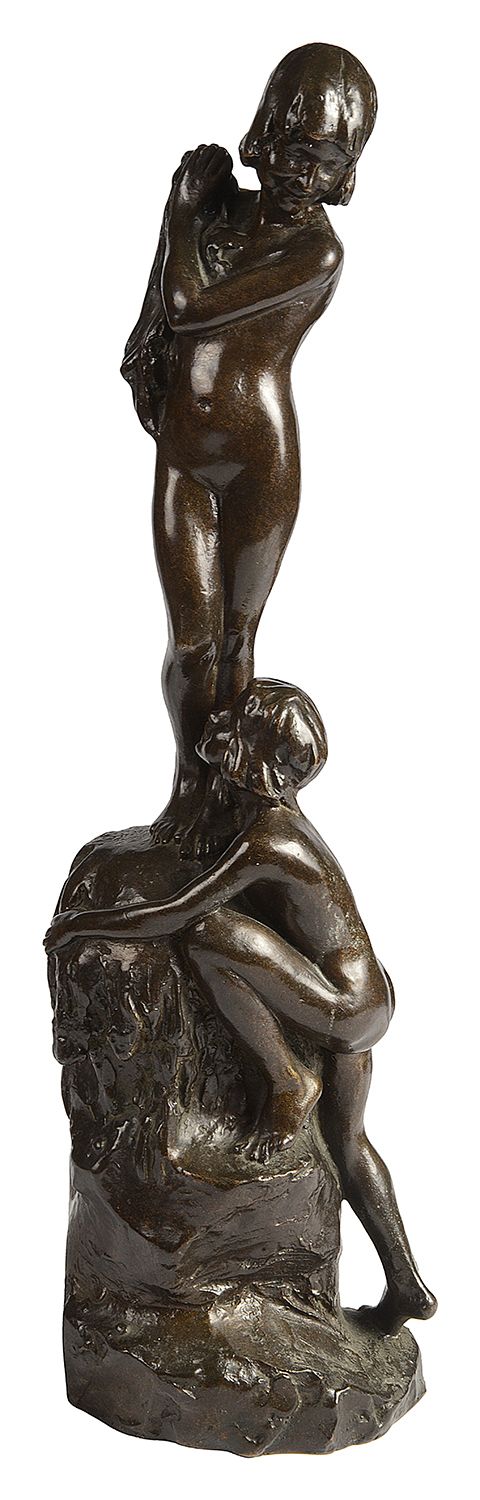
Metals are cast using traditional foundry methods, resulting in patinated or cold-painted surfaces that produce deep brown tones.
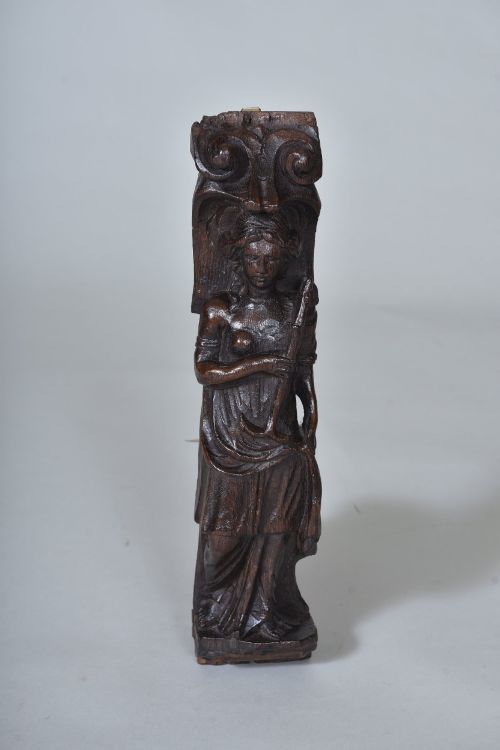
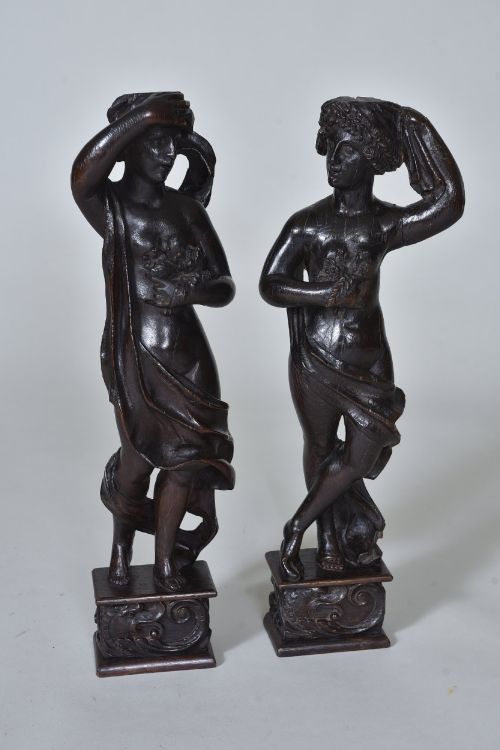
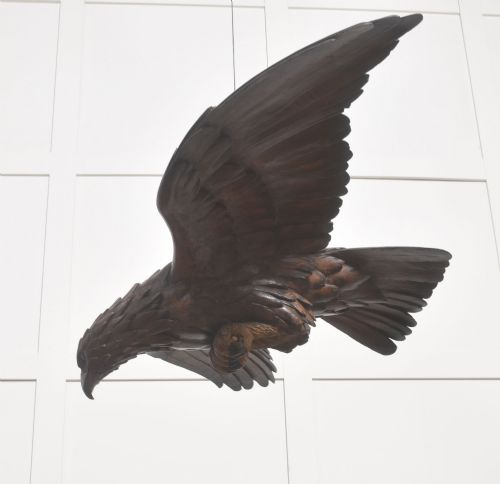
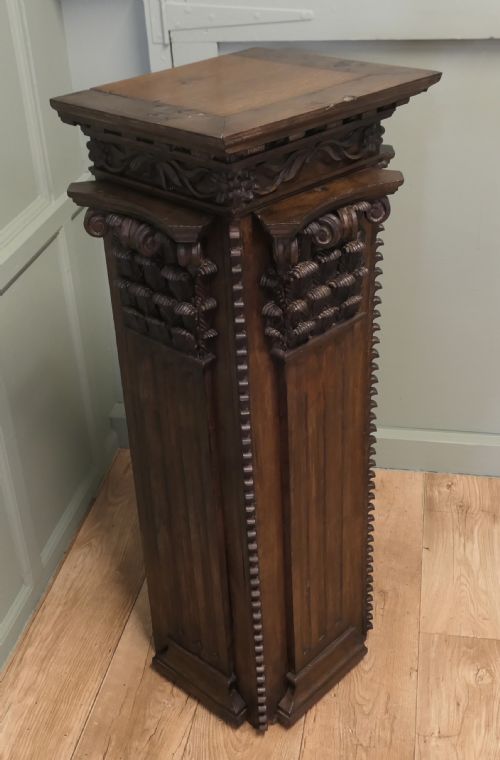
Wooden pieces rely on hand-carving techniques applied to dense timbers such as oak and hardwood, capturing fine anatomical and textural details.
Listings feature items executed in bronze, carved wood, oak, brass, and marble across multiple centuries.
Gradations of Execution
Quality rests in the fidelity of the casting or the crispness of the carving, where master hands achieve naturalistic proportions and subtle surface textures.
The depth and longevity of the patination or finish separate standard decorative workshop output from pieces showing superior surface treatment.
E A Clapp·Jomi Eisuke·F Milliot·Claude Michel Clodian·Pierre Jules Mene·Christophe Fratin·Alfred Dubucand·Alfred Barye·Franz Bergman·Aurore Onu
The Dark Brown Sculpture Glossary
- Patination
- The surface coloration and sheen developed naturally over time or applied chemically by a foundry. This chemical or age-induced layer gives bronze its characteristic dark brown skin.
- Animalier
- A nineteenth-century artistic genre focused on the realistic portrayal of animals. French sculptors frequently worked in this style using bronze.
- Cold-painted
- A technique where paint is applied to cold bronze without subsequent firing. Bergman pieces often utilise this method.
- Okimono
- A Japanese decorative object designed for display on a shelf or tokonoma. These miniature sculptures frequently depict animals and insects in bronze.
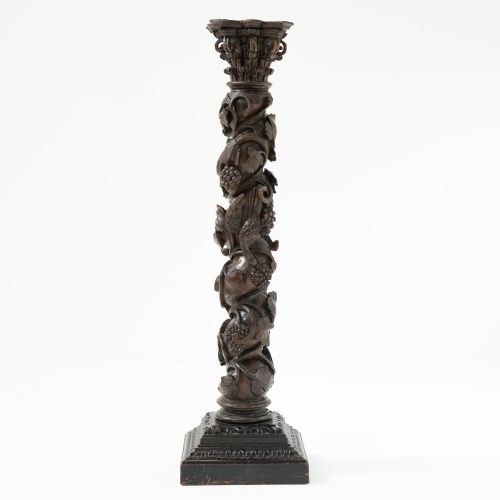
- Solomonic
- A helical column twist associated with Baroque architecture and carved woodwork. Oak examples provide architectural support or display.
Dark Brown Sculpture: Frequently Asked Questions
What periods do these sculptures cover?
The selection includes pieces spanning from the sixteenth century through to the mid-twentieth century. Earlier examples focus on architectural wood carvings.
Later items encompass nineteenth-century animalier bronzes and early twentieth-century cold-painted figures.
How do I maintain bronze patination?
Bronze surfaces require minimal intervention beyond dusting with a soft, dry cloth. Avoid chemical polishes that strip the patination.
Applying a light microcrystalline wax occasionally protects the metal surface from atmospheric moisture.
What is Black Forest carving?
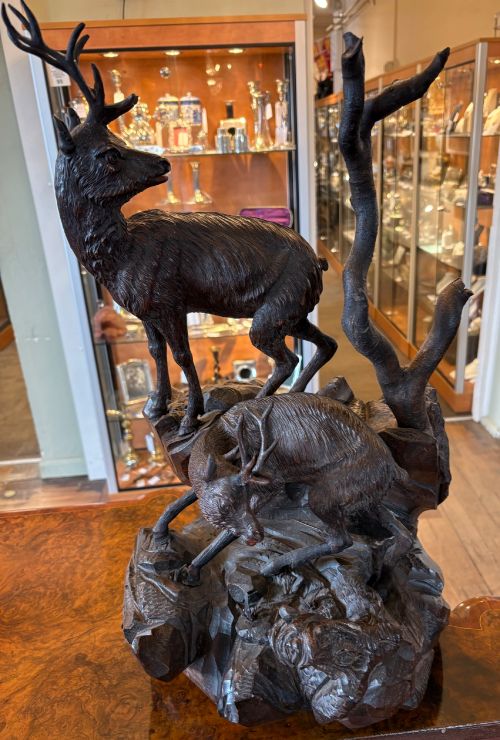
Black Forest carvings originate from the Swiss woodcarving tradition centred around Brienz. These pieces typically depict local fauna in rich timber.
Bears, stags, and birds appear frequently in these nineteenth-century domestic ornaments.
How do I distinguish bronze from spelter?
Bronze is a heavy copper alloy that yields a warm metallic resonance and takes a deep patination. Spelter is a softer zinc-based alloy.
Spelter figures often display lighter weight and can show grey metal beneath worn bronze-effect paint.