


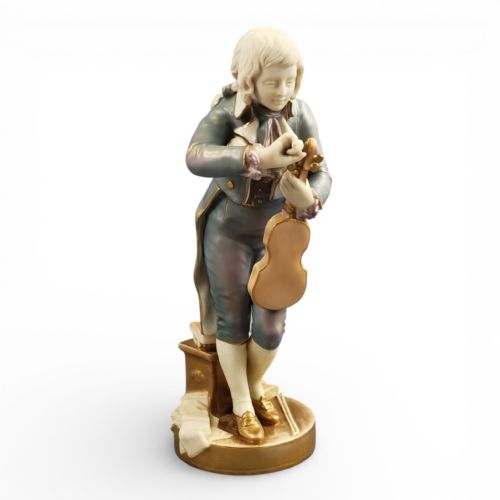


Classical Musician Sculpture
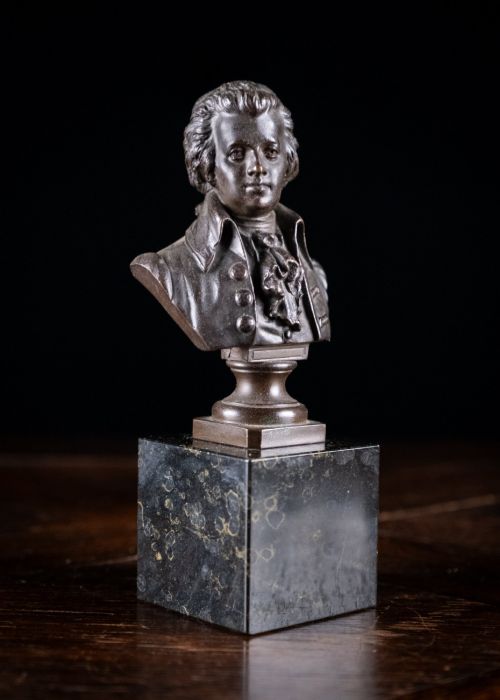
A classical musician sculpture captures the quiet intensity of performance in bronze, marble, and porcelain.
Classical Musician Sculpture
When you search for a classical musician sculpture, you encounter figures of composers, cellists, harpists, and pipers rendered in various solid and cast mediums. These works capture performers with their instruments, ranging from historical figures to romanticised minstrels and allegorical musicians.
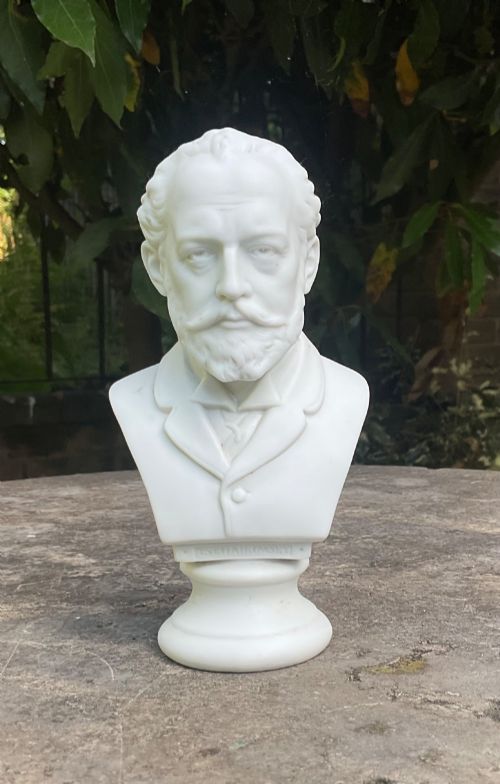
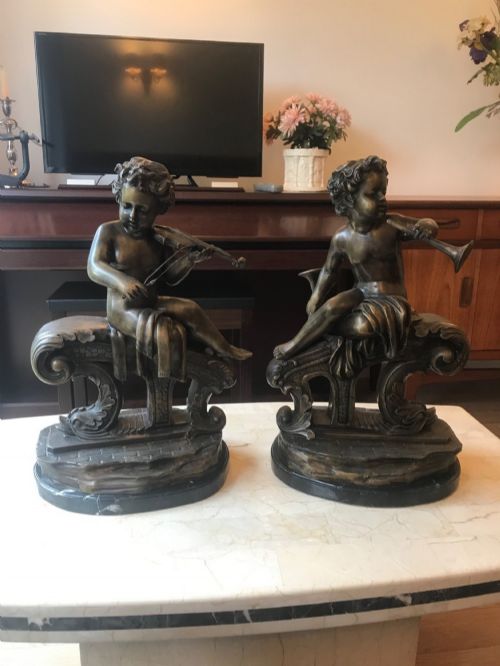
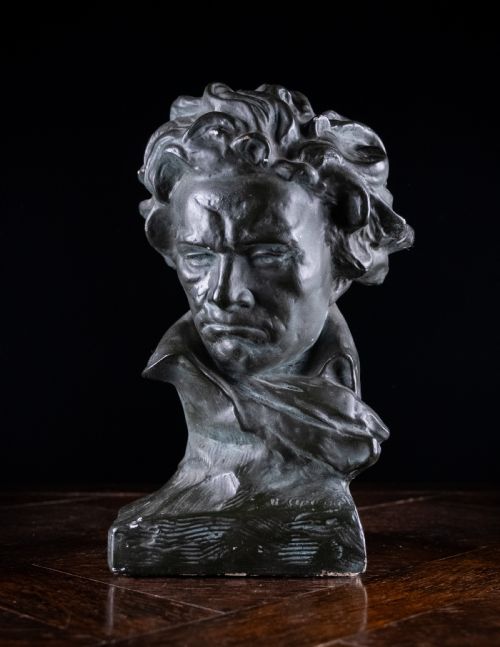
You are most likely to meet nineteenth-century bronze casts and period busts on this page, alongside porcelain figures and painted plaster works. The selection spans French foundry productions, Victorian interpretations, and Edwardian ceramic models depicting individual players and cherub musicians.
The objects take the form of busts, full-length statues, and small desk figures, reflecting the nineteenth and early twentieth-century appetite for musical subjects in the domestic interior. Makers utilised durable materials to record the physical details of instruments, drapery, and posture.
How they were made
Carvers shaped marble and alabaster into statues and busts, exploiting the natural grain of the stone to suggest movement and soft fabric. Potteries fired porcelain and parian ware to create smooth, matte or glazed figures, while others relied on painted plaster over armatures.
Makers added patination, paint, or enamel to highlight specific details such as eyes, lips, and costume trims. Signatures and foundry marks were frequently incised or stamped directly into the base metal or ceramic body during production.
The listings on this page span the nineteenth and twentieth centuries, featuring materials such as bronze, marble, porcelain, and plaster.
What varies in quality
The definition and crispness of the casting distinguish superior bronzes from ordinary workshop output, particularly in the rendering of fingers, musical instruments, and facial expressions. Master modellers achieved a natural fluidity in drapery and posture that lesser casts simply imitate with softer edges.
The quality of materials determines the longevity and visual weight of each piece, from dense, unblemished marble and heavy cast bronze down to hollow plaster and standard ceramics. Hand-applied patination and careful chasing demonstrate the time a studio invested before releasing the work.
Signed works by established sculptors carry distinct artistic authority over unsigned foundry editions, reflecting individual sculptural intent rather than generic decorative manufacturing. The treatment of the base, whether integrated marble plinths or cast integral footings, completes the integrity of the piece.
Edouard Drouot·Carrier Belleuse·Justo de Gandarias·Aug Moreau·Paul Fournier·Marcel Debut
The Classical Musician Sculpture Glossary
- Patina
- The surface colour and sheen developed on bronze through chemical treatment or age. This thin layer protects the metal and defines the shadows of the sculpture.
- Parian ware
- A fine-grained bisquit porcelain developed in the nineteenth century to imitate white marble. It was frequently used for classical busts and literary figures.
- Chasing
- The manual finishing of a metal casting using small hammers and punches. Artisans use this technique to clean up seams and sharpen details.
- Lost-wax casting
- A metalworking process where a molten metal is poured into a mould that has been created by melting away a wax model. This method allows for intricate and undercut details.
- Alabaster
- A soft, translucent stone used for carving statues and decorative panels. Its fine grain takes a smooth polish resembling marble.
Classical Musician Sculpture: Frequently Asked Questions
How do I identify bronze foundry marks?
Foundry marks and artist signatures are typically stamped or incised into the base, plinth, or back edge of the bronze casting. These stamps indicate the workshop responsible for pouring and finishing the metal.
Examining these marks requires good light and a magnifying glass to read faded lettering. Comparing the stamp to known records confirms the production era.
Where should I display a heavy marble statue?
Heavy marble and alabaster sculptures require a structurally sound, level surface such as a dedicated stone console or a reinforced wooden cabinet. The immense weight of these materials demands stable placement away from high-traffic edges.
Positioning the piece out of direct sunlight prevents thermal stress and protects any painted or polished surfaces from fading.
How do I clean an antique plaster bust?
Painted plaster is exceptionally delicate and sensitive to moisture, meaning water and liquid cleaners must be avoided entirely. Dusting should be done gently using a soft, dry artist brush or a clean microfiber cloth.
Aggressive rubbing will remove the delicate paint layer and expose the porous plaster underneath. Professional restoration is recommended for significant dirt accumulation.
What is the difference between parian ware and marble?
Parian ware is a type of ceramic material fired in a kiln to mimic the appearance of carved white marble. It offers a smooth, matte finish that lacks the natural veining and crystalline depth found in true stone.
Ceramic figures are moulded rather than carved, allowing potteries to produce multiple identical copies of a successful musical subject.