





Realist Bronze Figurine
These realist bronze figurine works capture everyday labour and animals with careful anatomical precision, offering collectors tangible fragments of nineteenth-century European life.
Realist Bronze Figurine
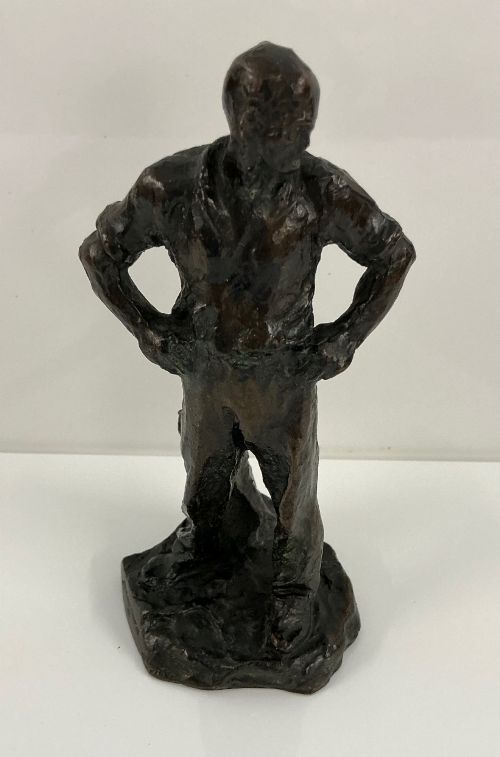
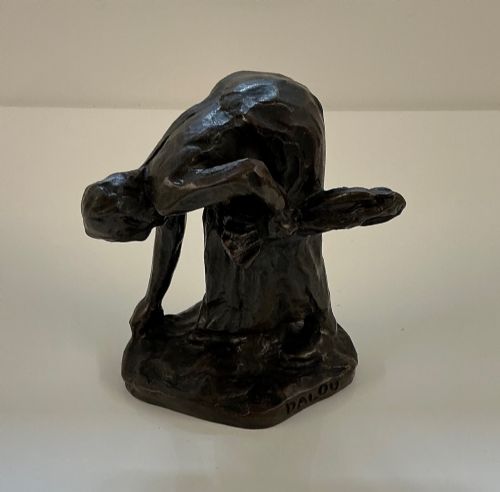
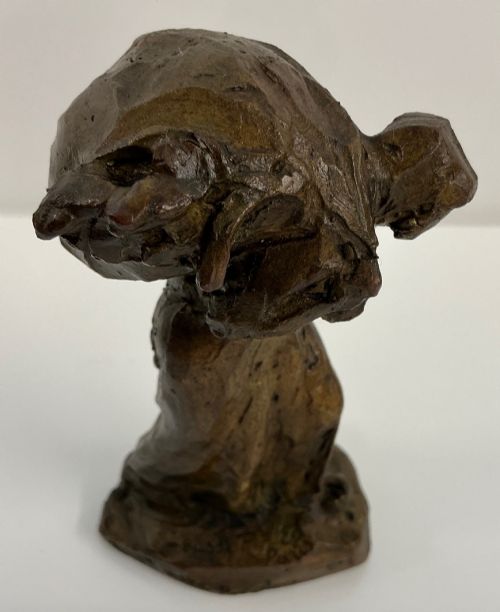
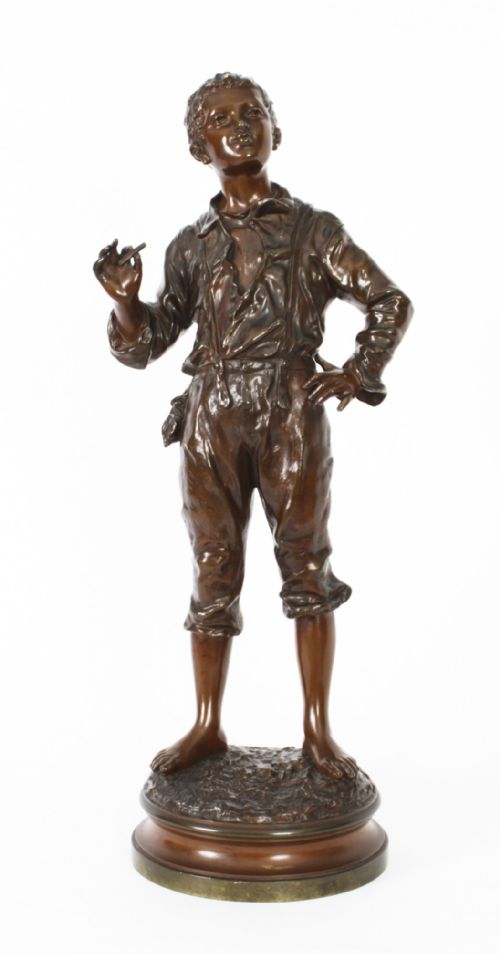
When you search for a realist bronze figurine, you encounter pieces originating primarily from nineteenth-century France that depict peasants, animals, and labourers in unidealised poses. These works move away from classical mythology to focus on honest portrayals of workers, street urchins, and farm animals.
The most common examples on this page are French bronzes from the nineteenth century, capturing figures like milkmaids, woodsmen, and philosophers alongside animalier subjects. These sculptures typically stand on integral bases and often bear foundry marks or artist signatures.
Makers focused on naturalistic textures, rendering clothing, tools, and fur with tactile fidelity rather than classical smoothness. The subject matter reflects a broader cultural shift towards realism in the arts during the Victorian and Edwardian eras.
How they were made
Foundries utilised the lost-wax casting method or sand casting to produce these metal sculptures, ensuring intricate details of muscles, garments, and textures transferred clearly from the initial model. Molten bronze was poured into these moulds, capturing every nuance of the sculptor's original clay or wax creation.
Surface finishes were applied manually using chemical patination, creating dark patinas or nuanced colour variations that mimic aged metal or highlight anatomical contours. Certain pieces incorporate mixed media elements, pairing the cast metal with marble bases or applying pigment to terracotta surfaces.
Realist Bronze Figurine Retail Price Guide 2026
Typical asking prices for realist bronze figurine among the pieces listed under this phrase on Sellingantiques today, from the lower quarter to the upper quarter. They describe what is for sale here now, not the wider market.
Listings feature works spanning the nineteenth century, including the Edwardian period, executed in bronze, patinated bronze, terracotta, and marble.
What varies in quality
The precision of the chasing work separates standard castings from exceptional ones, as skilled artisans spent hours cleaning up the raw bronze after it left the mould. Crisp details in facial expressions, hands, and textures indicate superior post-casting work.
Foundry involvement heavily dictates desirability, with pieces bearing marks from established names like Susse Frères commanding greater attention. The subtlety of the patination and the weight of the bronze casting further distinguish finer examples.
Jules Dalou·Antoine L Barye·Arthur Waagen·Joaquim Angles·Susse Freres·Pietro Calvi·Lavergne·Charles Anfrie·Isidore Bonheur·Charles Octave Levy
The Realist Bronze Figurine Glossary
- Patina
- The chemical or natural surface coloration of the bronze. A dark patina is commonly applied to enhance depth and protect the metal.
- Foundry mark
- A stamp or signature cast into the bronze indicating the workshop that produced the metal edition. Susse Frères is a notable example.
- Animalier
- A nineteenth-century artistic movement focused on the realistic depiction of animals, particularly horses, dogs, and farm beasts. Sculptors like Antoine-Louis Barye defined this genre.
- Realism
- An artistic movement originating in nineteenth-century France that prioritised everyday subjects and unvarnished truth over academic idealism. Peasant workers and street vendors became primary subjects.
- Chasing
- The painstaking process of refining a raw bronze casting using hammers and chisels to sharpen details and remove casting flaws.
Realist Bronze Figurine: Frequently Asked Questions
Were these figures made in editions?
Many nineteenth-century bronzes were cast in limited editions by prominent foundries like Susse Frères. Popular models were sometimes cast over decades, creating slight variations in size and surface finish.
Foundry marks help determine whether a piece belongs to a lifetime casting supervised by the sculptor or a later posthumous edition.
How should I display a bronze figure?
Place the sculpture on a stable surface away from direct heat sources and high humidity to protect the metal and its patination. Ensure the supporting furniture can bear the substantial weight of solid bronze and marble.
Avoid using harsh chemical polishes, as these can strip away the historic patina that collectors value.
What is the difference between animalier and human realist bronzes?
Animalier bronzes focus specifically on the anatomy and behaviour of animals, often capturing them in motion or repose. Human realist figures depict labourers, peasants, and tradespeople engaged in daily tasks.
Both genres emerged from the same nineteenth-century desire to observe the natural world without romantic embellishment.