
Dark Brown Oak Table
A dark brown oak table brings solid timber grain and centuries of domestic utility into a room, spanning from seventeenth-century refectories to Edwardian occasional pieces.
Dark Brown Oak Table
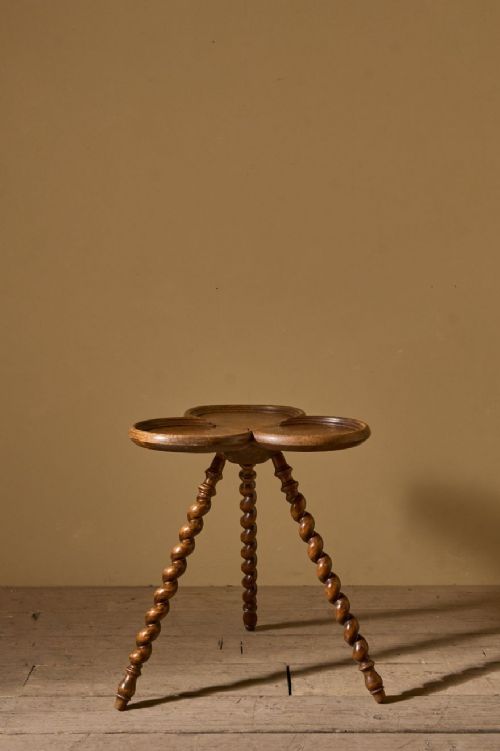
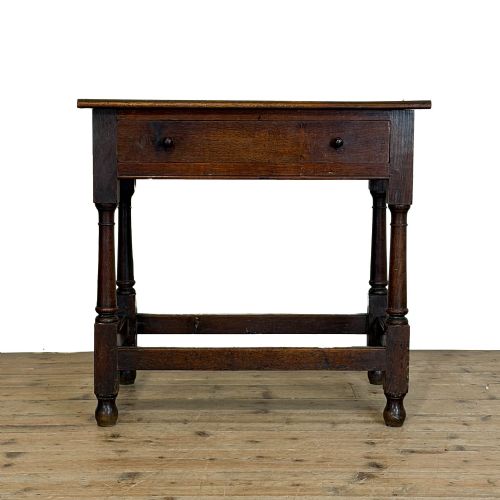
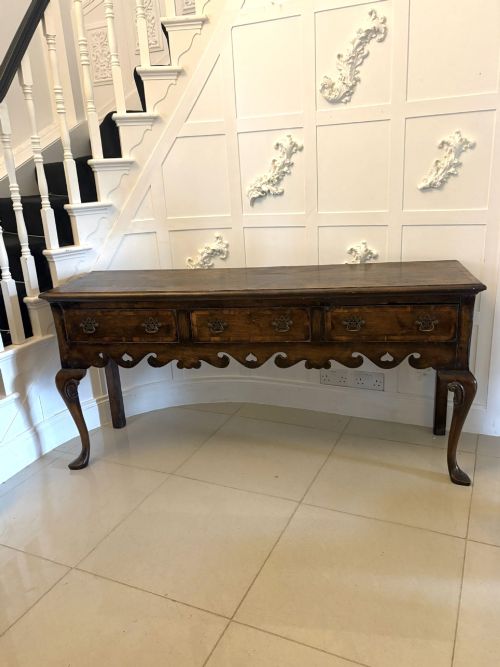
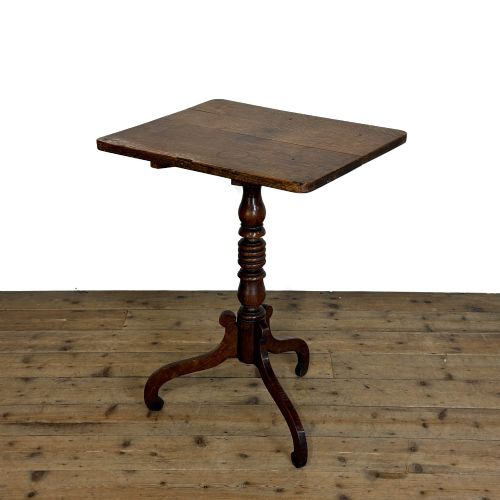
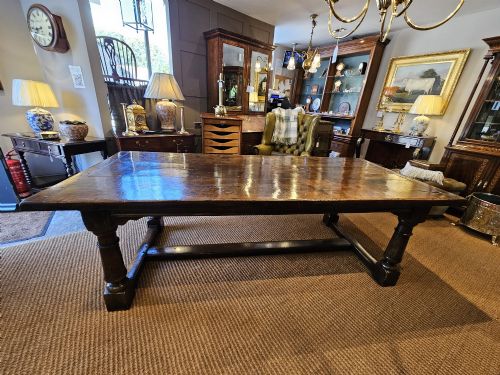
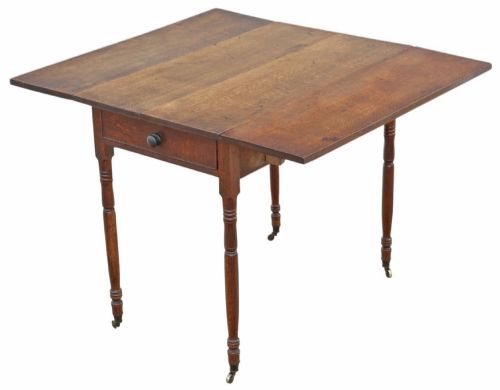
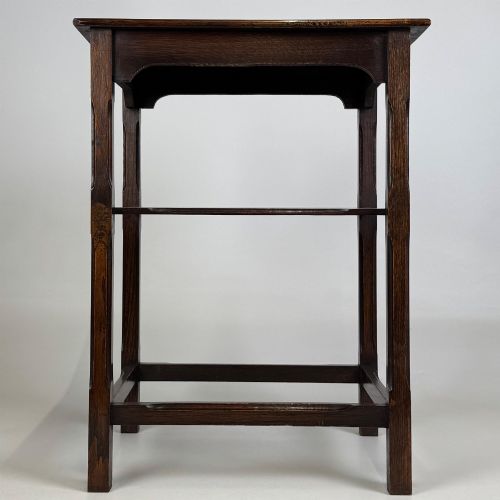
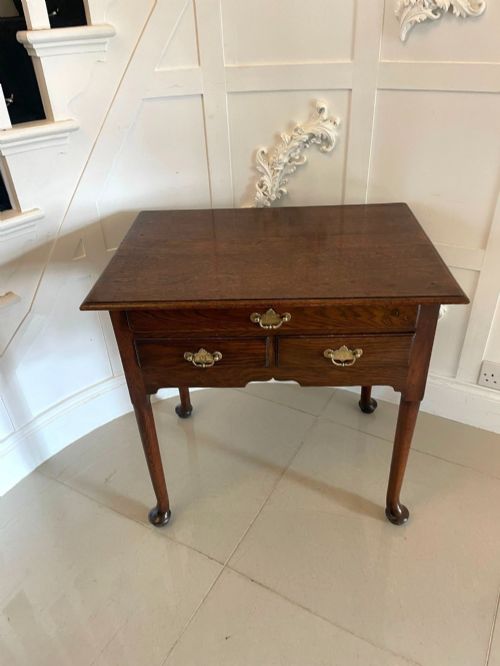
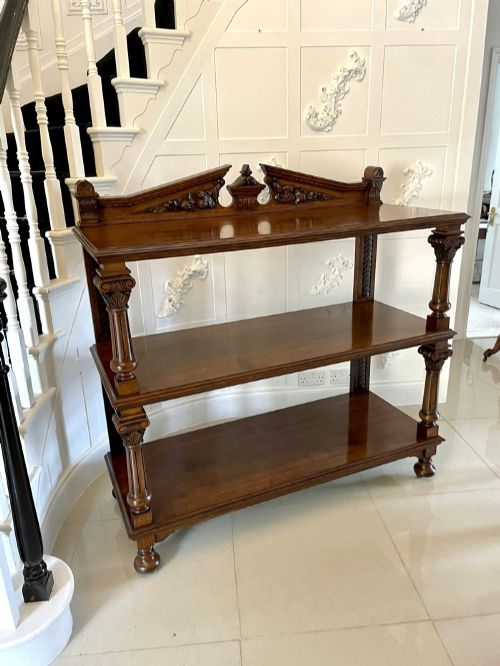
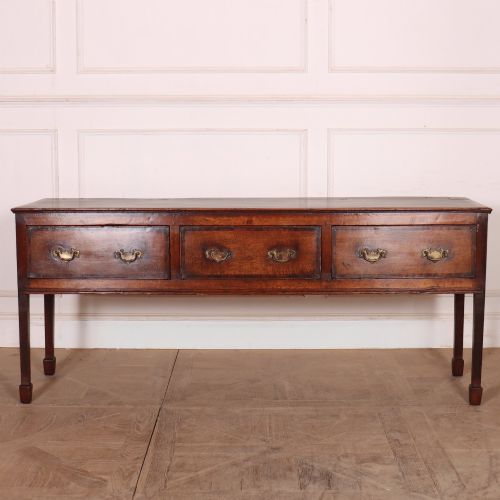
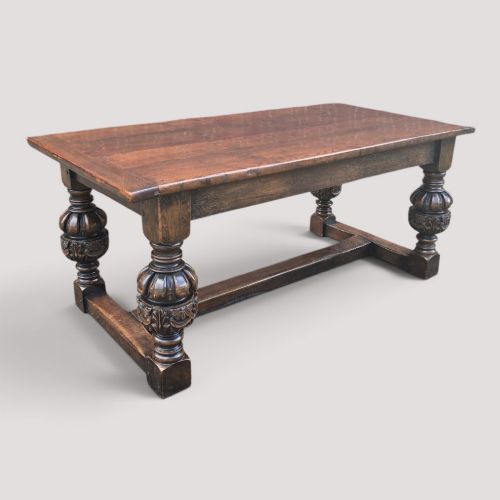
A dark brown oak table encompasses a wide variety of domestic forms, including refectory dining tables, side tables, lowboys, and small occasional stands. When searching for a dark brown oak table, buyers encounter pieces originating from the seventeenth century through to the Edwardian period and the early twentieth century.
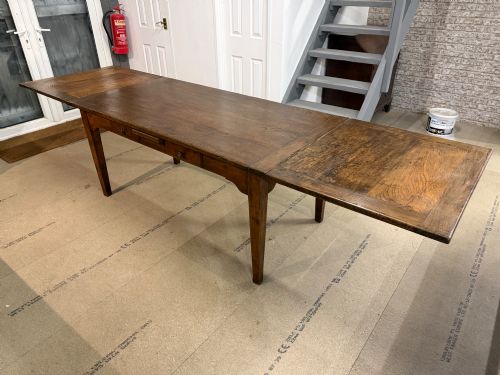
Dining tables and large refectory formats dominate the larger pieces, often featuring draw leaves or extending mechanisms. Smaller formats such as cricket tables, plant stands, and coffee tables appear frequently across Edwardian and Victorian listings.
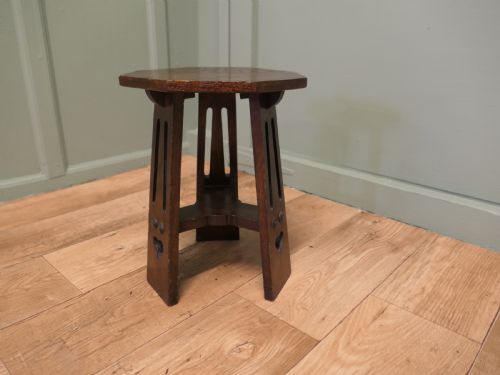
Construction relies heavily on solid oak, sometimes supplemented by burr oak or wood inlay, alongside functional elements in brass, iron, and metal. Styles span Georgian, Jacobean Revival, Arts and Crafts, and rustic farmhouse traditions.
Distinctions in Quality
Quality rests upon the integrity of the timber selection, visible in the depth of the oak grain and the weight of solid construction rather than applied surface finish. Early pieces demonstrate mastery in joinery, such as pegged joints and robust draw-leaf frames that withstand centuries of use.
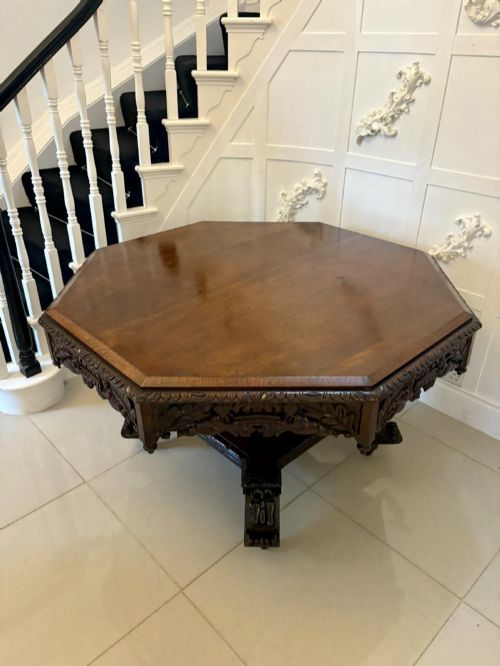
Proportion and execution of carved detail separate standard production from superior craftsmanship. Finer examples exhibit balanced proportions, crisp carving on friezes and legs, and thoughtful integration of hardware like brass handles or iron mechanisms.
Materials across the inventory combine solid oak with occasional brass hardware, iron fittings, and delicate wood inlay.
The Dark Brown Oak Table Glossary
- Refectory table
- A long, narrow dining table traditionally used in communal dining halls and characterised by substantial legs connected by central stretchers.
- Draw leaf
- An extending table mechanism featuring two hidden leaves beneath the main top that pull out from each end to increase surface area.
- Lowboy
- A small eighteenth-century dressing table or side table featuring one or more rows of drawers beneath a flat top, typically raised on slender legs.
- Cricket table
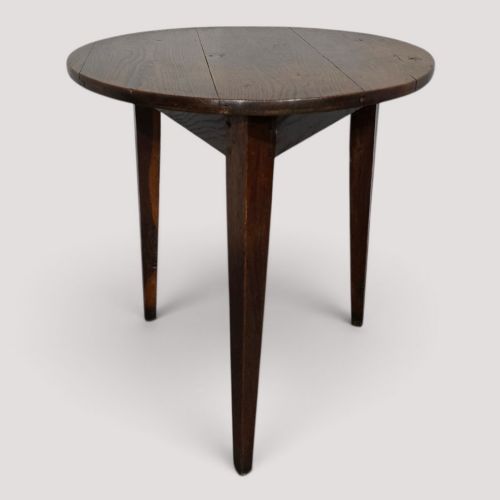
- A small, lightweight three-legged table with a round top, historically balanced to sit steady on uneven floors.
- Tilt top
- A table top mounted on a mechanism that allows the surface to tilt vertically when not in use for easier storage against a wall.
Dark Brown Oak Table: Frequently Asked Questions
How do I date an oak table?
Dating relies on examining construction methods, tool marks, and timber characteristics. Earlier seventeenth and eighteenth-century pieces often display hand-pegged joinery and wider boards, while later Victorian and Edwardian examples show machine-sawn consistency.
Hardware styles, leg profiles such as cabriole or tapered legs, and overall design revival styles like Jacobean or Georgian provide further chronological markers.
Are refectory tables practical for daily dining?
Refectory tables provide sturdy, generous surfaces well suited for daily meals and family gatherings. Their solid oak construction handles heavy everyday use with ease.
Buyers should measure leg clearance underneath the frieze and stretchers to ensure standard dining chairs tuck in comfortably.
What is a draw leaf mechanism?
A draw leaf mechanism allows a dining table to extend in length without removing separate leaves. Two hidden leaves sit directly beneath the main tabletop and slide outwards from each end.
This design keeps the extension pieces securely stored within the table frame itself when not in use.
How do I care for antique oak surfaces?
Maintaining antique oak involves dusting regularly with a dry cloth and applying natural beeswax periodically to nourish the timber. Avoid placing tables near direct heat sources or strong sunlight to prevent wood splitting.
Using coasters and placemats protects the aged patina from moisture and heat rings.