
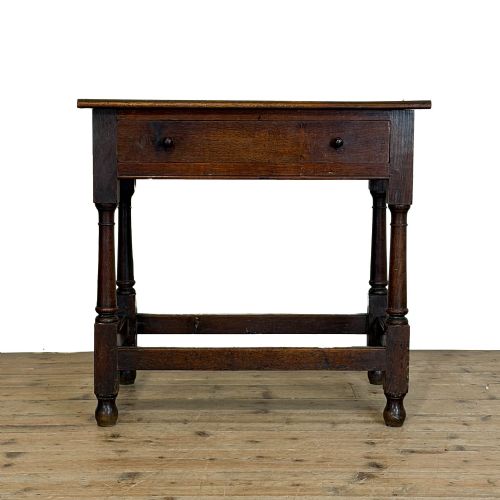
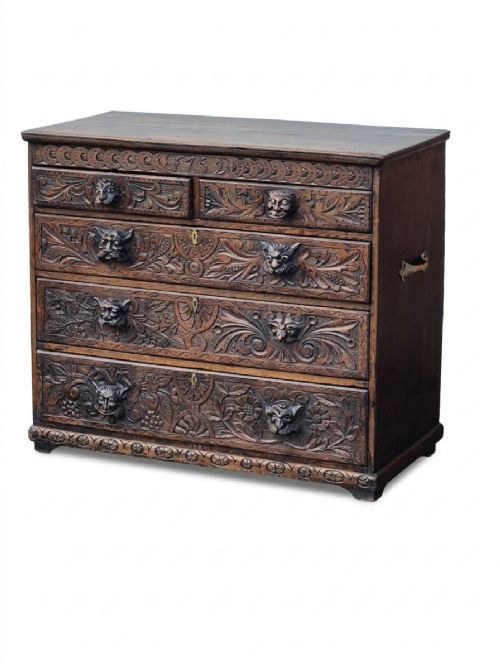
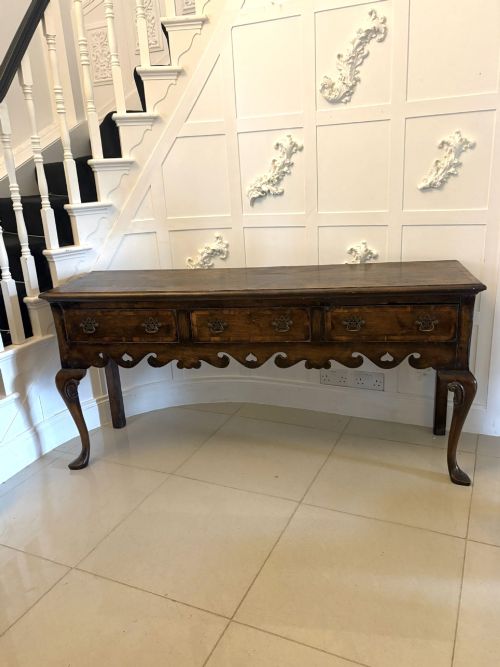
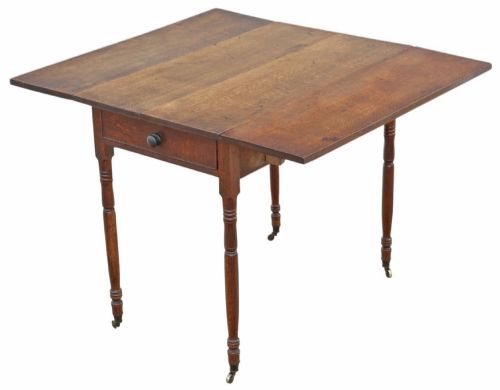
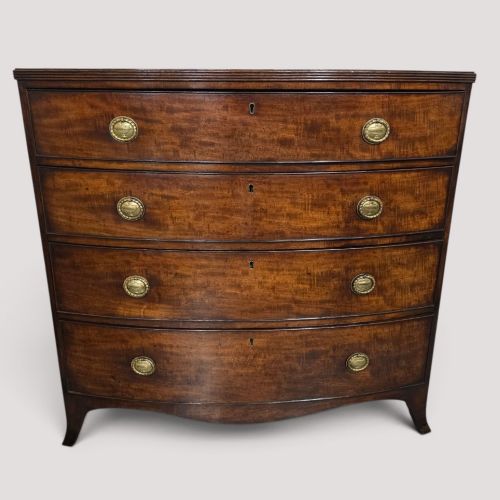
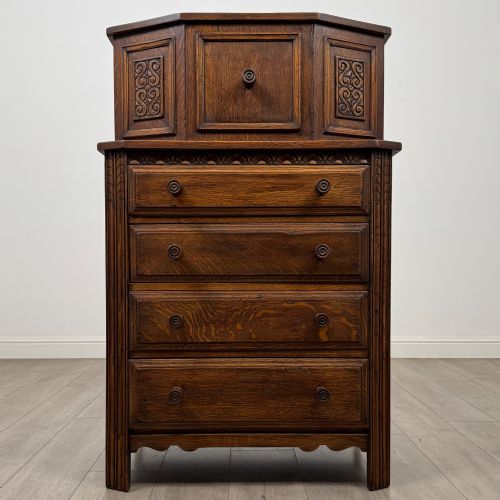
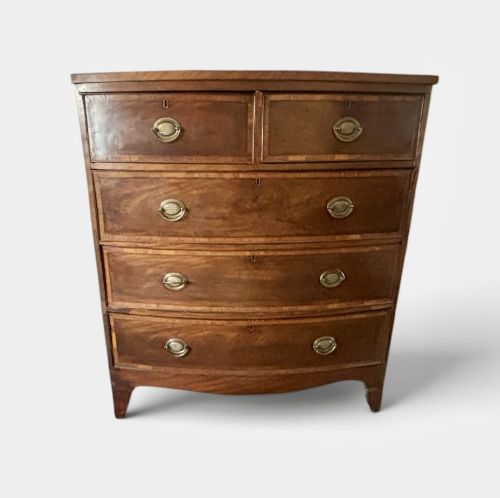

Dark Brown Drawers
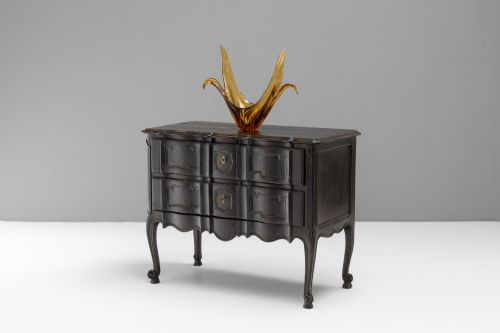
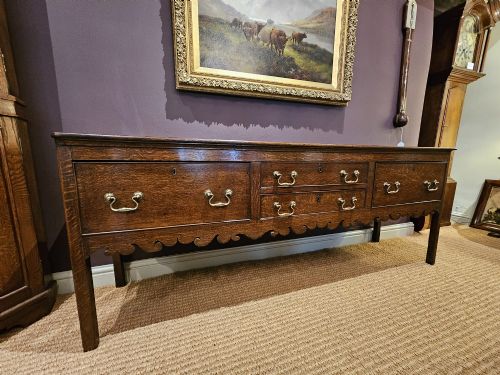
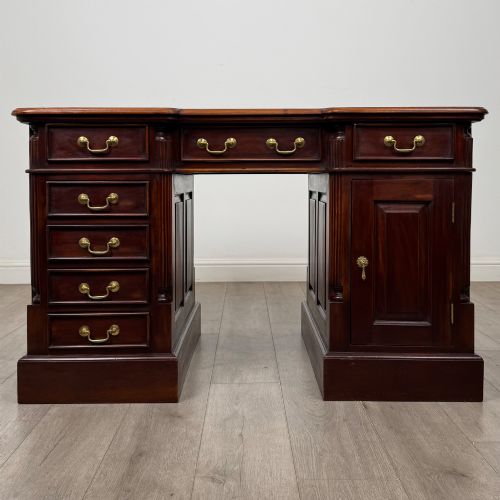
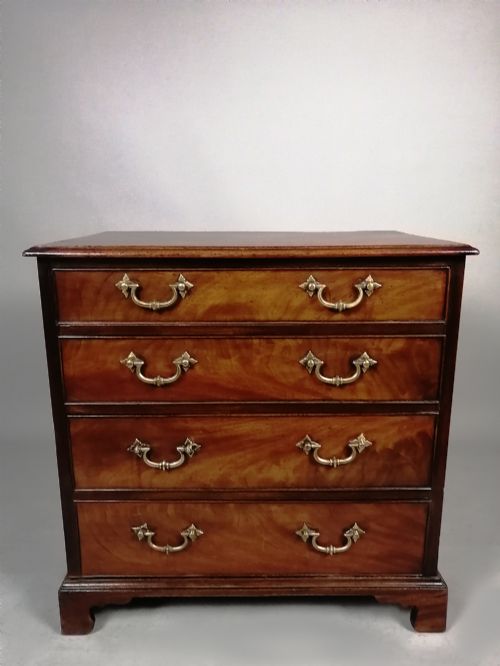
Dark brown drawers bring rich, deep timber tones into a room, offering practical storage through centuries of craftsmanship.
Dark Brown Drawers
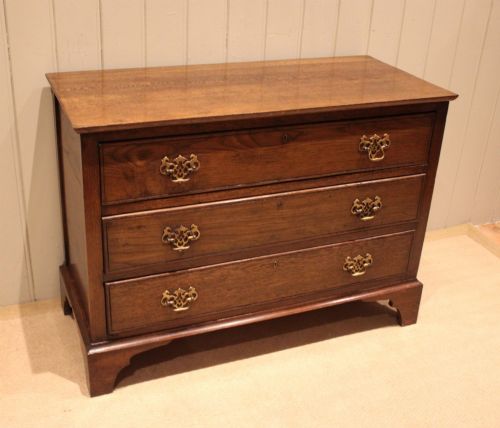
Dark brown drawers encompass sturdy chests, lowboys, and dressers constructed across the Georgian, Victorian, and Edwardian eras. Pieces matching this description span multiple centuries, reflecting evolving domestic needs for storage and display.
Oak and mahogany dominate the selection, bringing naturally deep hues and rich grain patterns to each form. These timbers age gracefully, deepening in colour and character over generations of use.
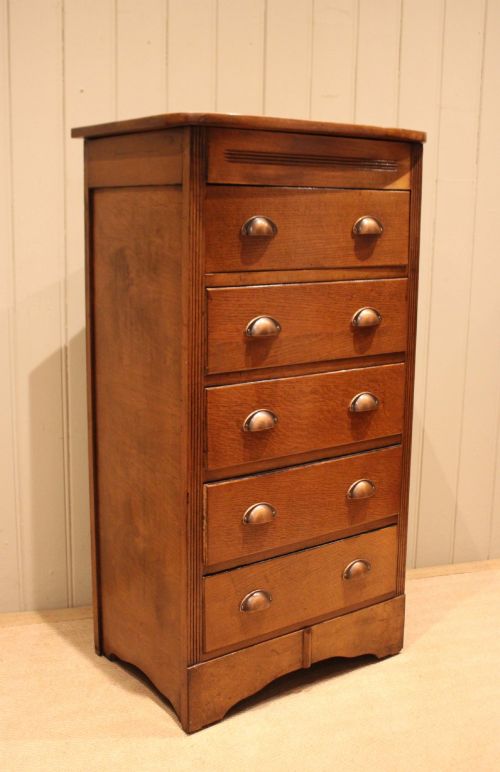
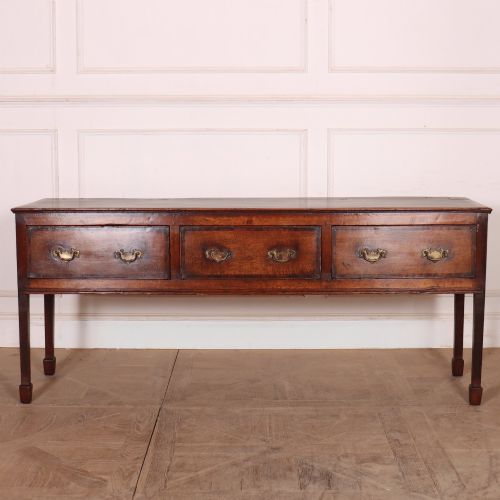
Buyers frequently encounter classic chest of drawers formats alongside dresser bases, sideboards, and specialised tall storage pieces. The surviving examples showcase the enduring appeal of dark timber in traditional interior settings.
Materials and construction methods
Cabinet makers utilised dense hardwoods such as oak and mahogany, often enhanced with brass hardware, glass panels, and occasional satinwood banding. These materials provided the structural integrity required for heavy daily use.
Joinery techniques involved precise dovetailing for drawer construction and sturdy mortise and tenon frames. Craftsmen shaped timber using hand tools, resulting in durable carcasses that withstand the test of time.
Oak and mahogany appear alongside brass, glass, iron, pine, and satinwood across the available furniture forms.
Indicators of finer workmanship
Quality rests in the selection of timber figures, the precision of drawer dovetails, and the retention of original brass handles and fittings. Superior examples display thoughtful grain matching across the drawer fronts and balanced proportions.
The degree of hand-carved detail, whether subtle cockbeading or elaborate panel work, separates standard utility pieces from high-status furniture. Original finishes and minimal structural alterations further distinguish the better specimens.
The Dark Brown Drawers Glossary
- Dovetail
- A joint formed by interlocking wedge-shaped fingers, commonly used in drawer construction. This technique provides exceptional tensile strength.
- Bow front
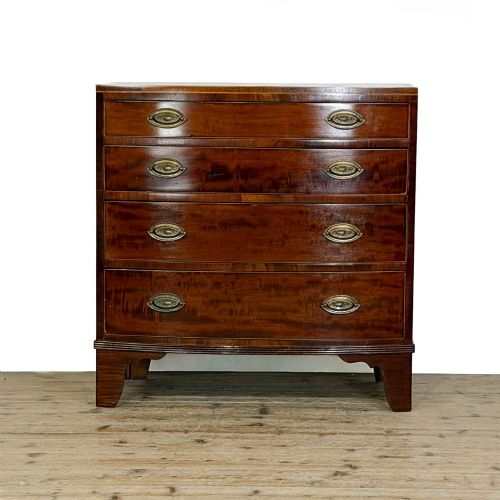
- A convex curved cabinet front popular during the Georgian and Regency periods. This shape softens the profile of large storage furniture.
- Lowboy
- A small table with one or more rows of drawers, typically raised on tall cabriole or straight legs. These versatile items functioned as dressing or side tables.
- Chest on chest
- A tall storage unit comprising two distinct sections, one stacked directly upon another. This form maximises vertical storage capacity.
Dark Brown Drawers: Frequently Asked Questions
How do I identify a Georgian chest of drawers?
Georgian chests typically feature solid timber construction, hand-cut dovetails on the drawer sides, and understated brass drop handles. The proportions tend to be robust, relying on the natural grain of mahogany or oak for visual interest.
Inspect the back boards and drawer linings for signs of age, such as pit-saw marks and consistent oxidation. Later reproductions often lack the subtle imperfections and patina found on genuine period pieces.
What is the difference between oak and mahogany furniture?
Oak furniture tends to display a prominent, open grain with visible medullary rays, characteristic of pieces from the 17th and 18th centuries. Mahogany offers a finer, tighter grain with a naturally reddish-brown tone that deepens significantly with age.
Both timbers provide excellent durability, but mahogany often suits more refined, polished urban interiors, whereas oak traditionally belongs to country houses and vernacular workshops.
How should I care for antique wooden drawers?
Maintain stable humidity levels in the room to prevent the solid timber from warping or splitting over time. Apply a microcrystalline wax periodically to nourish the surface finish without building up heavy residues.
Avoid placing antique furniture near direct heat sources or in strong sunlight, which can fade the dark brown tones and dry out the historic wood.
Are brass handles usually original on these pieces?
Original brass handles and escutcheons exhibit wear patterns consistent with the age of the chest, including minor tarnish and matching patination around the backplates. Replacement hardware often leaves filled holes or shadow marks on the wood surface.
Checking the interior of the drawer front reveals whether previous sets of handles required different fixing holes, helping to determine the originality of the mounted hardware.