


Art Nouveau Brass Handles
Art nouveau brass handles bring flowing organic lines and fine metalwork directly to furniture and doors.
Art Nouveau Brass Handles
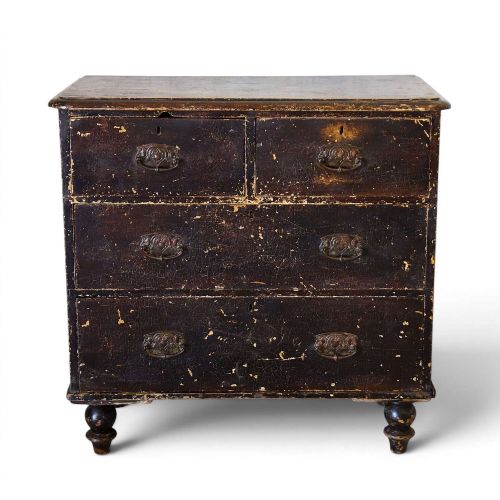
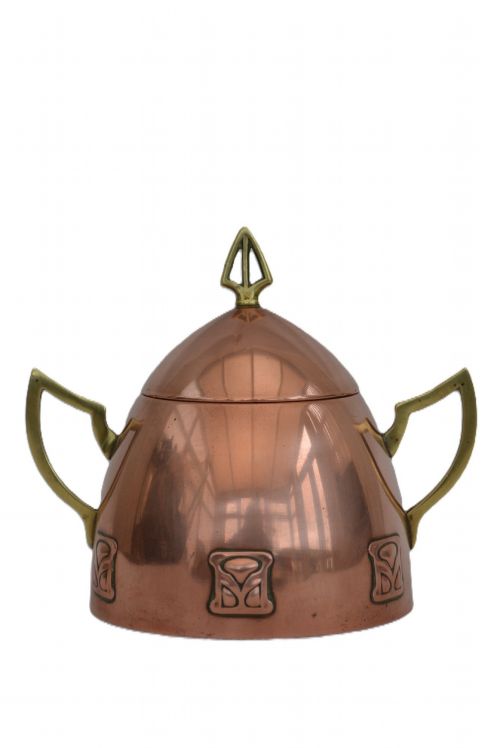
Art nouveau brass handles comprise decorative hardware and mountings rooted in the design movements of the late nineteenth and early twentieth centuries. These pieces appear alongside related domestic items such as door hardware, chests of drawers, sugar bowls, ice buckets, wall mirrors, cigar lighters, planters, and sideboards.
The versions most commonly met on this page date from the 1900 period, with surrounding examples spanning the 1890, 1910, Victorian, and 1860 eras. English, French, and continental European workshops produced these items across varied media including brass, copper, glass, pine, paint, mirror glass, rattan, and tin.
Buyers encounter these items functioning as practical door handles and locks, or attached to larger furniture items such as chests of drawers and sideboards. The aesthetic draws heavily from Art Nouveau, Arts & Crafts, and Renaissance Revival design vocabularies.
How art nouveau brass handles were made
Makers utilised cast and beaten brass alongside copper plating and bronze to achieve the characteristic fluid contours of the style. Metal components were frequently worked by hand or shaped in moulds to create the characteristic whiplash curves and organic motifs.
Composites and mixed materials appear regularly in the wider inventory, combining brass frames and mounts with pine, glass, mirror glass, rattan, paint, and tin. This variety reflects the period manufacturing methods where hardware was integrated into larger wooden or metal goods.
Listings feature brass, copper, and bronze objects spanning the Victorian era through the 1910 period, encompassing door hardware, furniture, and decorative vessels.
What varies in quality
Quality separates objects by the crispness of the casting and the finesse of the surface finishing. Superior examples display sharply defined organic details and harmonious proportions between the metalwork and its mountings.
The integrity of the material and the survival of original surface treatments distinguish finer specimens. Pieces retaining their initial patination and original fixings hold greater material authenticity than those with altered surfaces.
WMF·Jan Eisenlöffel
The Art Nouveau Brass Handles Glossary
- Art Nouveau
- A decorative style characterised by flowing, asymmetrical lines inspired by natural forms such as plants and flowers. This aesthetic dominated design from the late Victorian era until the First World War.
- Arts & Crafts
- A design movement valuing traditional craftsmanship, simple forms, and the honest use of materials. It heavily influenced domestic hardware and decorative metalwork during the period.
- Scumble paint
- A translucent or semi-opaque glaze applied over a base coat to simulate wood grain or create decorative textures. It appears on period furniture listed alongside these metal elements.
- Jugendstil
- The German manifestation of the Art Nouveau movement, named after the Munich art magazine Die Jugend. Pieces bearing this designation often share workshop origins with continental brasswork.
- Whiplash curve
- An asymmetric, undulating line that whips back on itself like a lash, forming a defining motif in organic design. This line frequently shapes the handles and tray borders of the period.
Art Nouveau Brass Handles: Frequently Asked Questions
What are art nouveau brass handles?
Art nouveau brass handles are decorative and functional metal fixtures shaped by the organic design principles of the turn of the twentieth century. They encompass door furniture, cabinet pulls, and mountings found on domestic furnishings.
These pieces reflect the transition from historic revival styles towards fluid, nature-inspired forms. Makers produced them in brass, bronze, and copper-plated metals.
How were these brass handles used?
Makers attached these brass handles to doors, drawers, sideboards, and serving trays to provide both grip and ornamentation. They served as functional hardware for everyday domestic items.
Many examples remained integrated with larger furniture pieces, while others survived as loose pairs of door knobs, locks, or architectural elements.
How do I date art nouveau brass handles?
Dating relies on stylistic markers, manufacturing techniques, and the accompanying object types recorded across the late nineteenth and early twentieth centuries. Pieces spanning the 1890 to 1910 periods often display distinct continental or British design traits.
Earlier Victorian and 1860 examples tend to show Renaissance Revival or early Arts & Crafts influences before the fully developed whiplash style emerged.
How do I live with these pieces?
Living with these handles involves incorporating period metalwork into contemporary or traditional interiors, either as functional door and furniture hardware or as standalone decorative accents. Their organic forms complement wood surfaces like walnut and pine.
Care involves gentle cleaning that preserves the historic patination of the brass, copper, and bronze surfaces without stripping away age.