







Edwardian Pine Chest
An edwardian pine chest brings honest utility and warm domestic timber into a room.
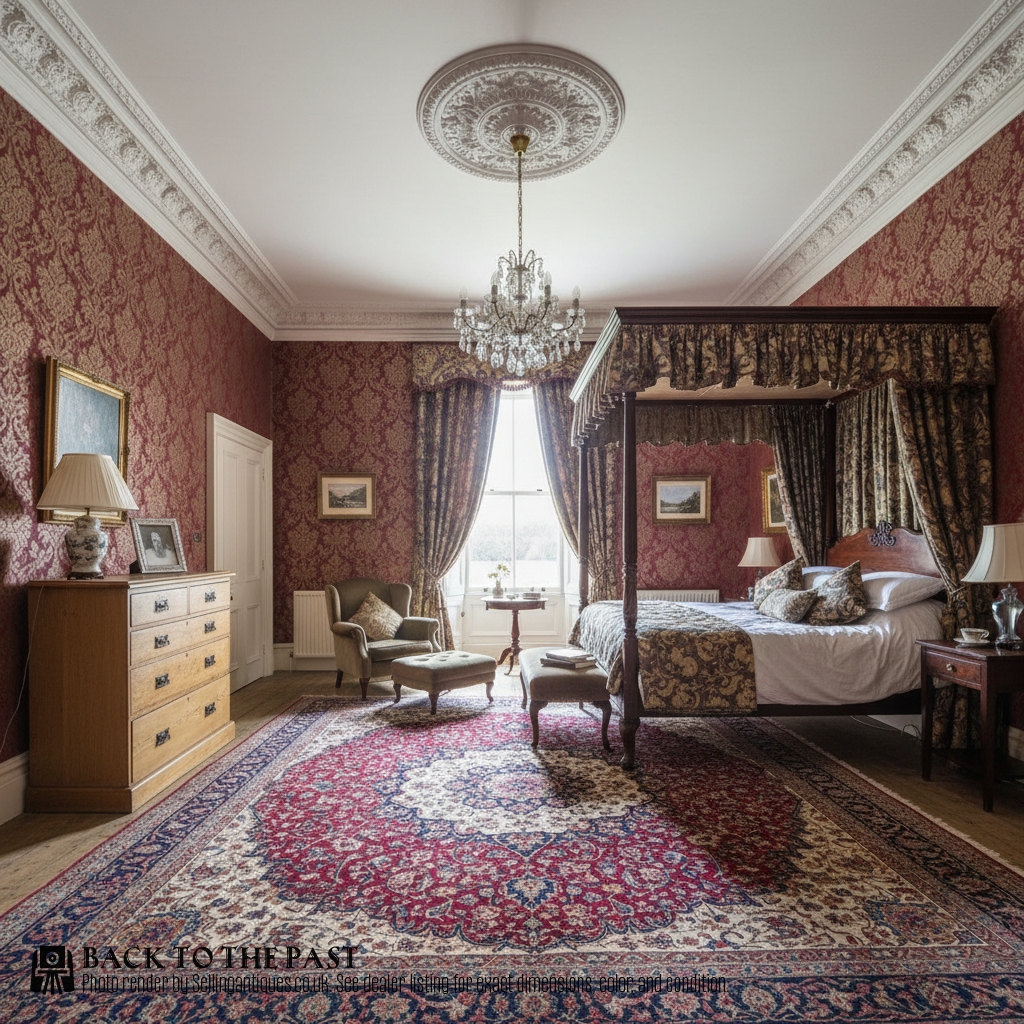
Edwardian Pine Chest
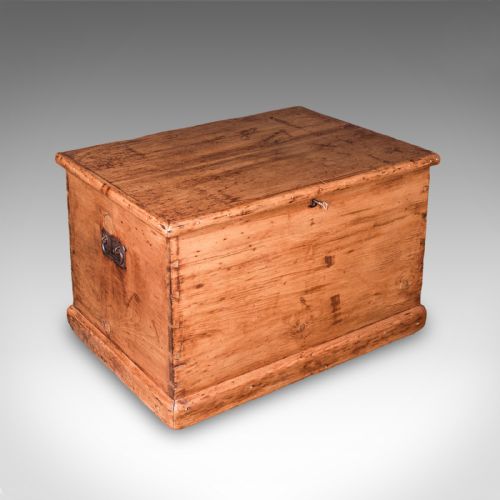
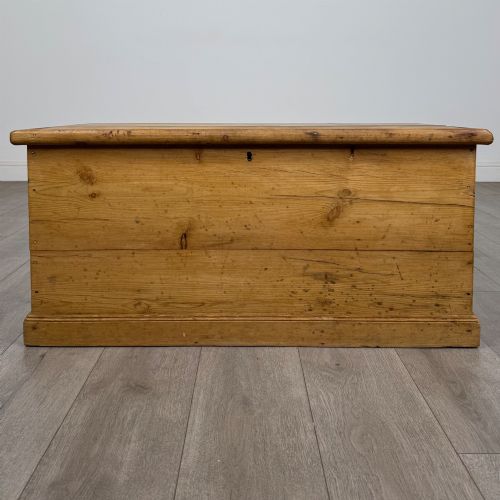
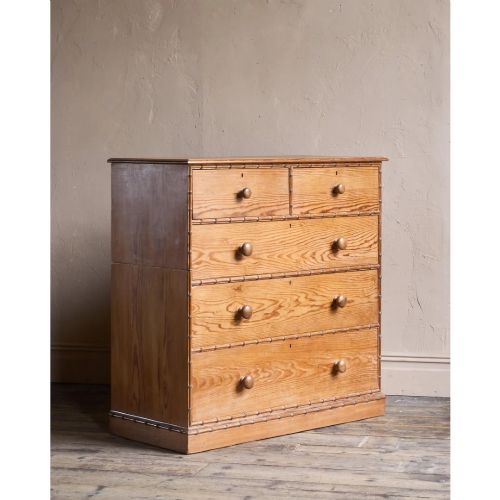
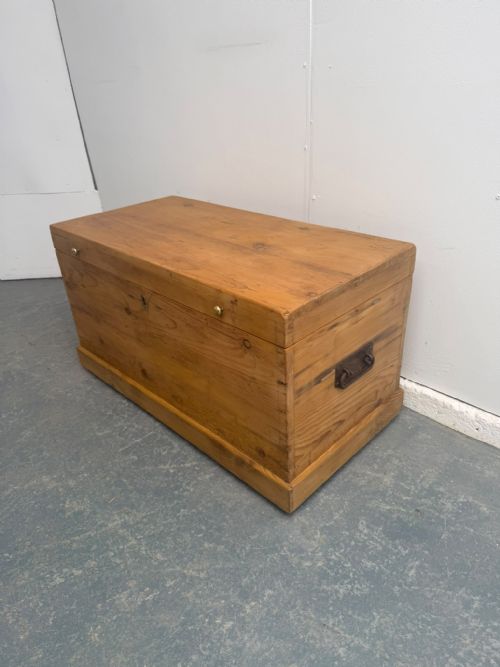
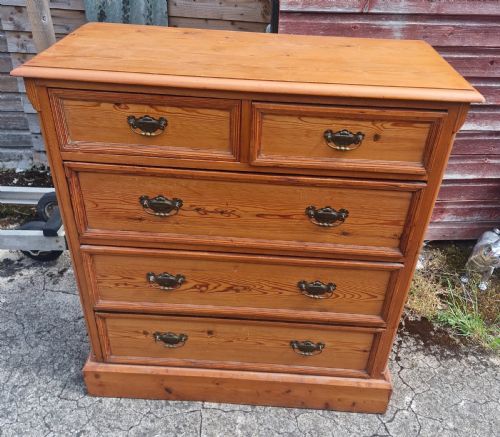
An edwardian pine chest serves as practical bedroom storage, emerging in various drawer configurations and dressing table forms across the period. Buyers find standard two-over-two layouts, tall variations, and specialised dressing chests fitted with swivel mirrors.
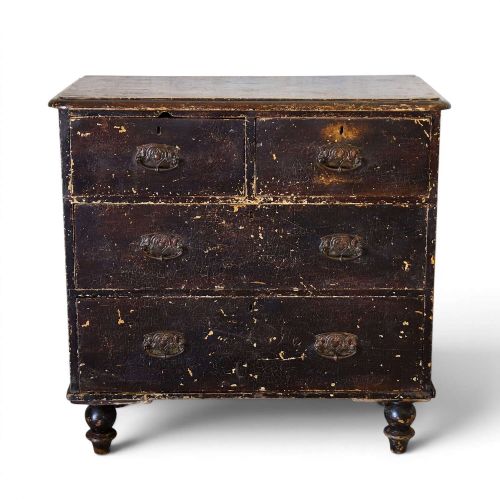
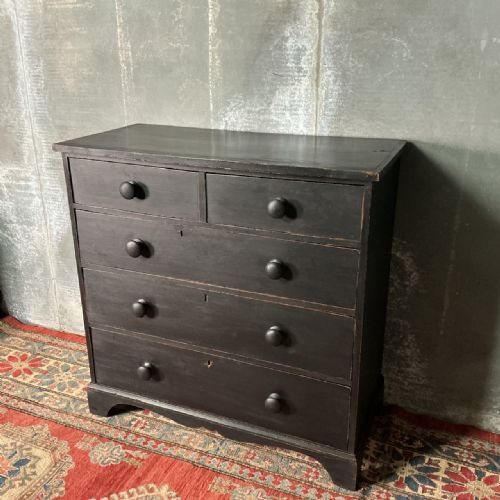
Beyond domestic bedroom furniture, the broader category includes painted finishes, scumble glazes, and utilitarian workshop pieces made from pitch pine. These sturdy wooden carcases reflect the straightforward joinery and functional demands of the early twentieth century.
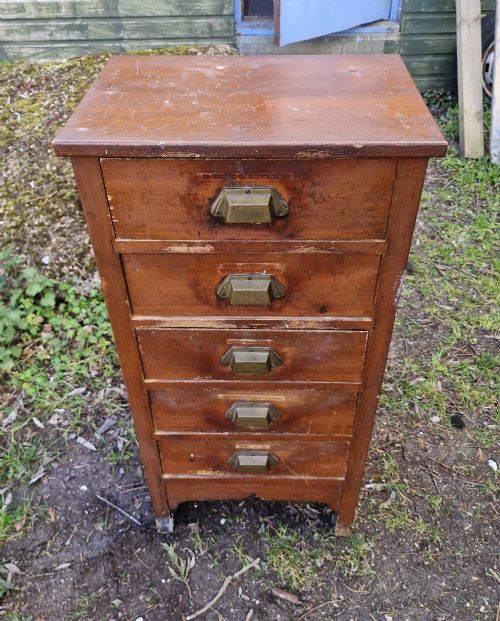
The pieces on this page span basic bare wood bedroom drawers, painted surfaces, and durable storage trunks constructed for travel or trade. Edwardian examples sit alongside related Victorian and 1900s items sharing the same timber and utilitarian purpose.
How they were made
Construction relies heavily on solid pine and pitch pine, joined with traditional methods to withstand daily domestic or workshop use. Metal handles in brass and iron provide functional hardware, while glass appears occasionally on specific cabinet elements.
Surfaces receive various treatments ranging from simple wax finishes to original brown scumble paint and simulated mahogany finishes. Some utilitarian or travel pieces incorporate iron brackets, metal linings, and robust framing to ensure durability.
Edwardian Pine Chest Retail Price Guide 2026
Typical asking prices for edwardian pine chest among the pieces listed under this phrase on Sellingantiques today, from the lower quarter to the upper quarter. They describe what is for sale here now, not the wider market.
Listings feature pine, pitch pine, brass, and iron across various nineteenth and twentieth-century storage forms.
What varies in quality
The standard of timber selection and drawer construction dictates the rigidity and longevity of the carcase. Dense pitch pine and well-figured grain mark out superior examples from basic utilitarian boxes.
Survival of original surface treatments, such as scumble paint or early decorative finishes, elevates a piece above stripped or heavily altered items. Intact period brass or iron hardware also contributes to the integrity of the object.
Howard and Sons·Gnome Et Le Rhone Engine Company·J.T.Crockett
The Edwardian Pine Chest Glossary
- Scumble paint
- A decorative oil-based glaze technique used to imitate the grain of finer woods like oak or mahogany over a pine base. It creates a mottled, textured surface typical of period decorative work.
- Pitch pine
- A durable resinous softwood noted for its strength and prominent grain patterns. It frequently appears in heavy-duty furniture, plan chests, and workshop storage.
- Dressing chest
- A low chest of drawers combined with a fixed or swivel mirror, designed for bedroom use during the Edwardian era. These often include small trinket drawers on the upper surface.
- Wellington chest
- A tall, narrow chest of drawers secured by a hinged locking side stile that fastens with a key. This form maximises vertical storage while occupying a small floor footprint.
- Plan chest
- A wide, shallow multi-drawer cabinet originally built for storing large sheets of paper or architectural plans. Their deep proportions and sturdy construction make them popular for modern studio storage.
Edwardian Pine Chest: Frequently Asked Questions
How do I care for an edwardian pine chest?
Feed waxed pine surfaces periodically with a traditional beeswax polish to maintain the moisture and sheen of the timber. Avoid placing these chests near direct heat sources or strong sunlight to prevent timber shrinkage and cracking.
Keep painted or scumble-glazed finishes clean using a soft, dry cloth without harsh chemical cleaning agents. Gentle maintenance preserves the original patination and character of the wood.
Are these chests suitable for modern bedrooms?
The compact proportions of many Edwardian chests allow them to fit easily into smaller contemporary living spaces. Their neutral timber tones complement both modern minimalist interiors and traditional cottage aesthetics.
Deep drawer configurations offer practical daily storage for clothing and household linens. Their solid construction ensures they handle heavy everyday use just as well as modern furniture.
How can I tell Edwardian pine from Victorian pine?
Edwardian pieces often feature lighter, warmer honey tones and slightly less ornate detailing than their Victorian predecessors. Drawer construction also shifts subtly towards machine-cut precision during the Edwardian period.
Victorian items frequently display darker wax finishes or heavier painted scumble effects. Examining the overall proportions and hardware style helps clarify the manufacturing era.
What is a pitch pine chest used for?
Pitch pine chests were originally built for commercial, trade, or heavy domestic storage due to the exceptional density of the timber. Workshop banks of drawers, plan chests, and travel trunks all utilised this robust wood.
Today, these sturdy units provide reliable storage for large collections, papers, or everyday items. Their resilient timber resists heavy knocks and sustained wear.