


Dark Brown Corner Cabinet
A dark brown corner cabinet brings utility and rich timber tones to neglected angles, turning awkward alcoves into display space.
Dark Brown Corner Cabinet
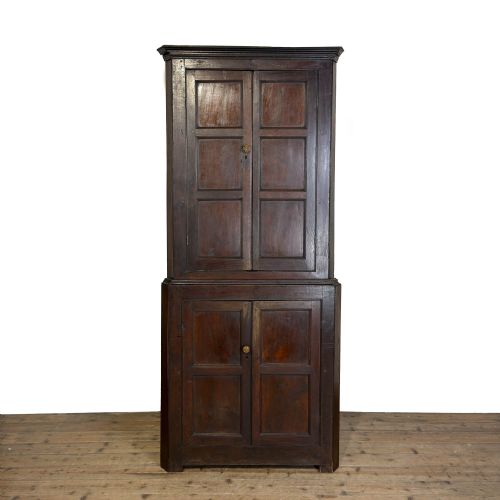
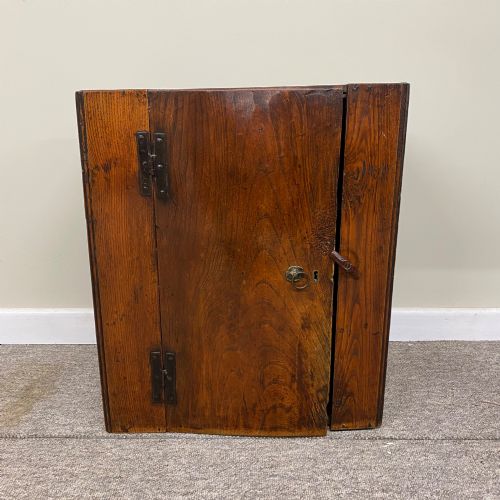
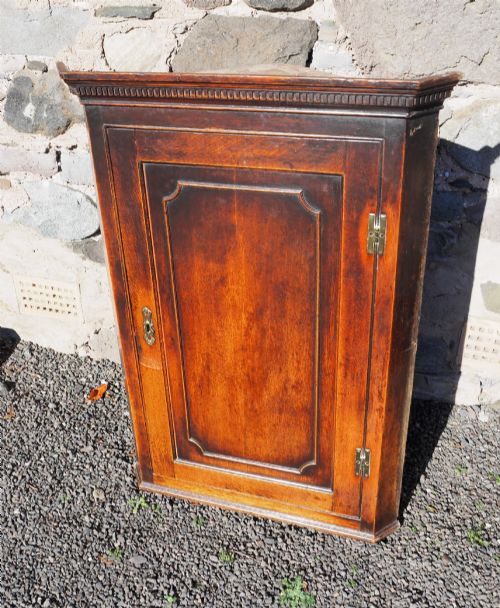
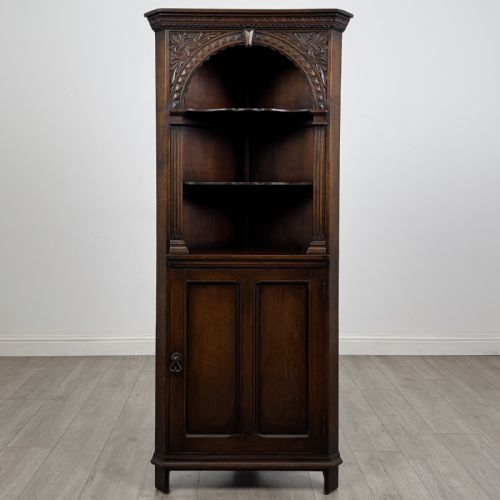
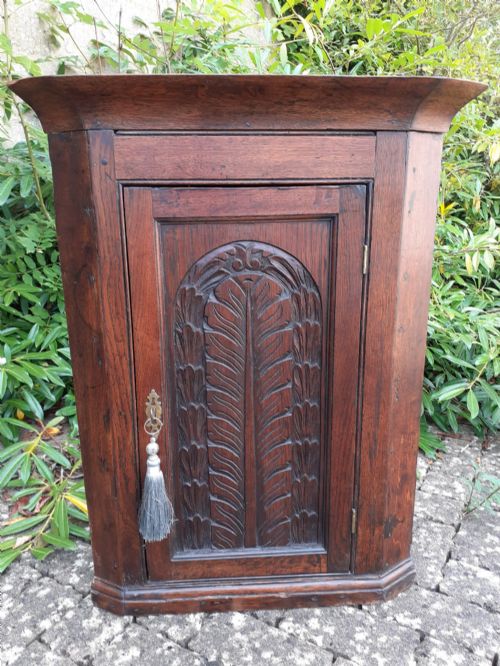
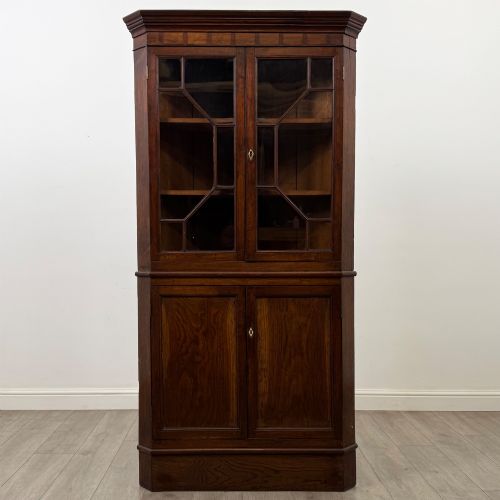
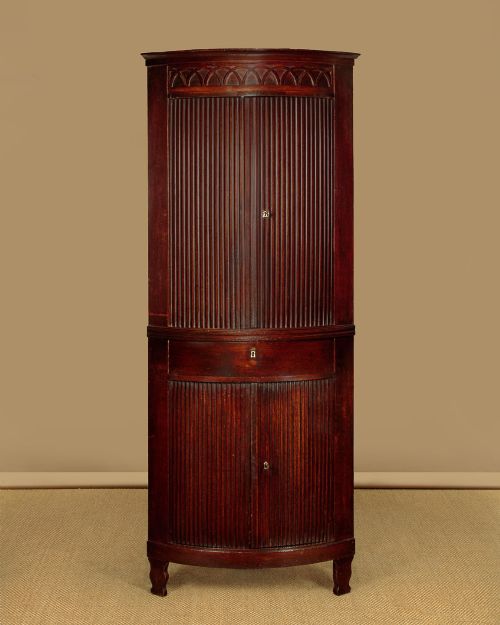
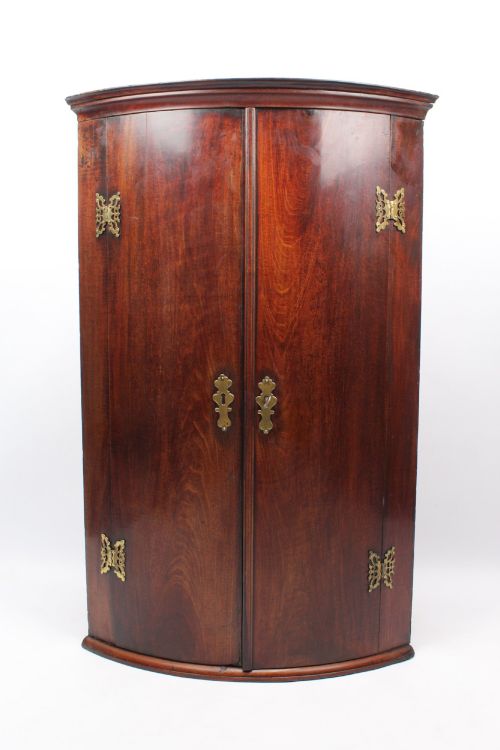
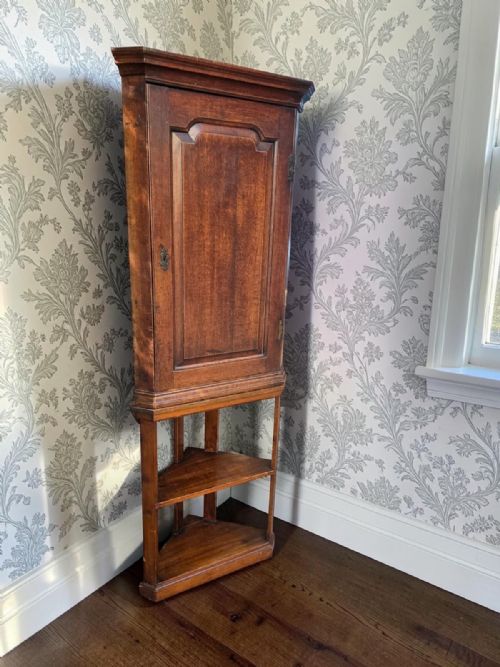
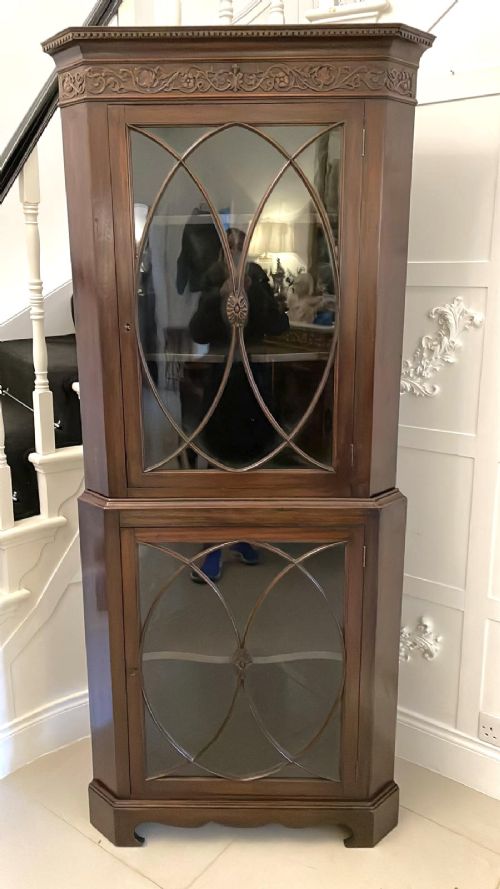
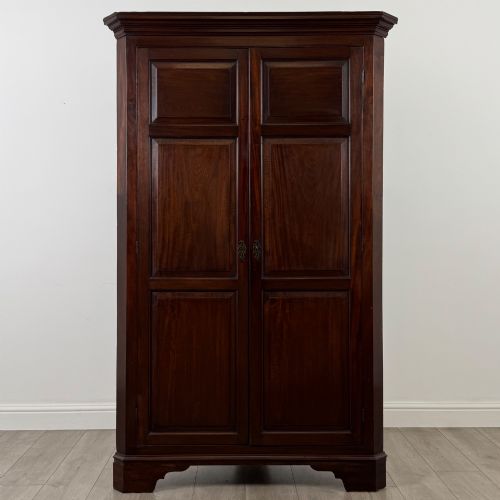
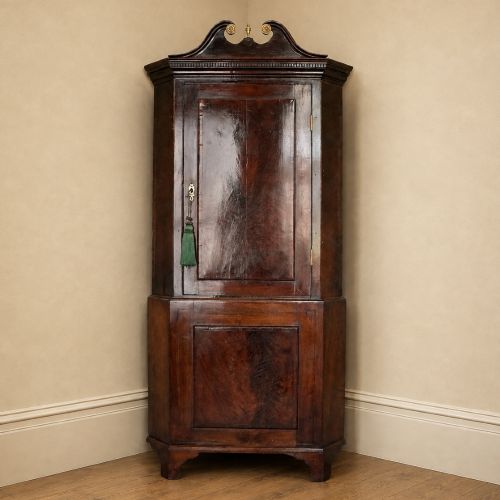
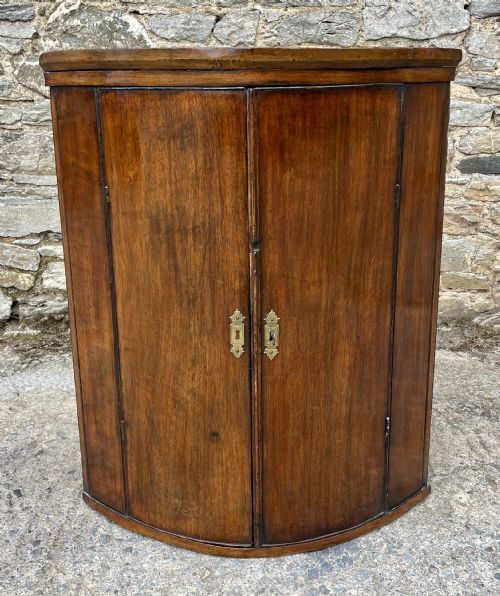
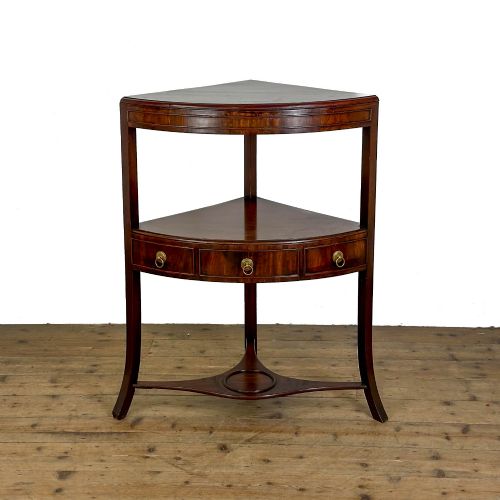
A dark brown corner cabinet encompasses hanging models, floor-standing units, and double height configurations designed to fit snugly into room junctions. These pieces emerge from periods spanning the eighteenth century through the twentieth, with strong representation from Georgian and Victorian eras.
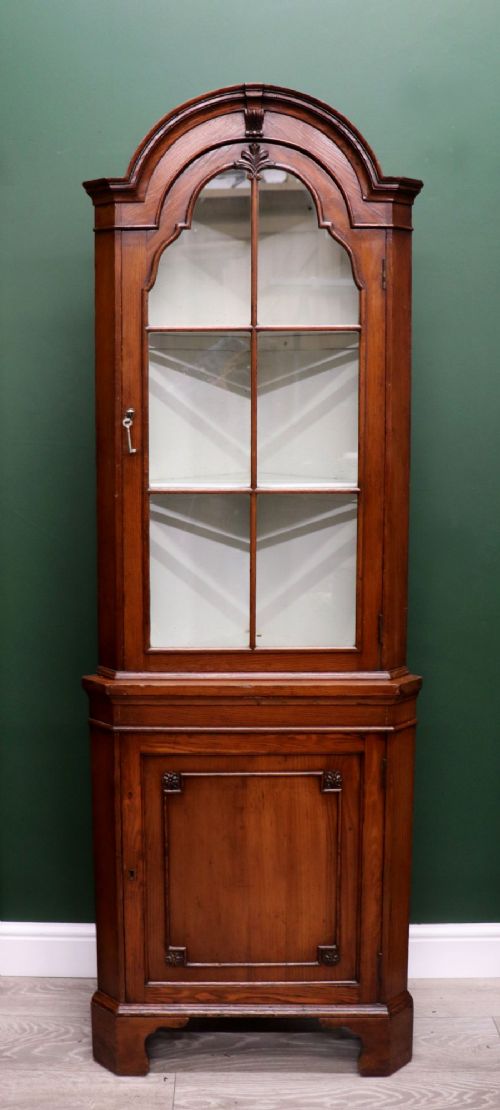
Buyers are most likely to encounter oak and mahogany examples on this page, reflecting the dominant timbers of the surviving stock. Forms range from wall-mounted cupboards with glazed doors to standing floor units on stands.
Regional variations appear in provincial Welsh and English workshops, alongside international pieces such as Anglo-Indian teak cabinets. The primary function remains the storage and display of domestic wares within a wedge-shaped footprint.
Materials and construction methods
Cabinet makers utilised dense hardwoods, predominantly oak and mahogany, often enhanced with secondary timbers like walnut, satinwood, and teak. Surfaces frequently display polished finishes that emphasise the deep brown grain of the timber.
Joinery techniques relied on pegged panels, dovetail joints for internal shelving, and mortise and tenon frames. Brass hinges, key escutcheons, and glass panes for astragal glazed doors complete the construction of these storage units.
Dark Brown Corner Cabinet Retail Price Guide 2026
Typical asking prices for dark brown corner cabinet among the pieces listed under this phrase on Sellingantiques today, from the lower quarter to the upper quarter. They describe what is for sale here now, not the wider market.
At least one listing includes a veranda gin cabinet from Ceylon, proving that corner storage travelled across the globe.
Distinctions in craftsmanship and design
The sophistication of the timber selection and decorative detailing largely determines the standing of a piece. Finer examples display carefully matched mahogany veneers, intricate inlay work, or carved cornices rather than plain boarded construction.
Structural integrity depends on the retention of original hardware, brass fittings, and glass panes. Pieces featuring period correct panelled doors and well-executed interior shelving sit at the upper end of the range.
The Dark Brown Corner Cabinet Glossary
- Astragal glazed
- Glass doors divided into smaller panes by narrow wooden bars. This technique allows for decorative geometric patterns across the front of the cupboard.
- Bow front
- A convex, outwardly curved front facade. This shape softens the angular geometry typical of corner furniture.
- Hanging corner cupboard
- A wall-mounted unit designed to be fixed securely into a room junction. These lack floor contact and save valuable ground space.
- Floor-standing corner cabinet
- A tall unit resting directly on the floor, occasionally elevated on a base or stand. They offer substantial internal storage capacity.
- Panelled
- Construction using fitted wooden panels within a grooved frame. This method accommodates the natural expansion and contraction of timber over centuries.
Dark Brown Corner Cabinet: Frequently Asked Questions
Where should I place a corner cabinet?
These units suit empty room junctions and awkward alcoves that standard rectangular furniture cannot occupy effectively.
They maximise floor utility while drawing the eye upward, particularly in dining rooms or hallways.
How do I distinguish Georgian from Victorian examples?
Georgian pieces often feature cleaner lines, mahogany or oak construction, and subtle string inlay or brass H-hinges.
Victorian and later revival pieces frequently introduce heavier mouldings, darker walnut, or more pronounced gothic and Jacobean detailing.
Are hanging models difficult to mount securely?
Hanging cupboards require sturdy fixings into solid wall anchors due to the weight of dense hardwoods like oak and mahogany.
Professional installation ensures the cabinet supports the load of internal shelving and stored items safely.
What is the difference between standing and hanging styles?
Standing models rest on the floor, sometimes featuring double height construction or integrated stands for additional presence.
Hanging versions mount directly to walls, offering a lighter visual footprint and clearance underneath.