


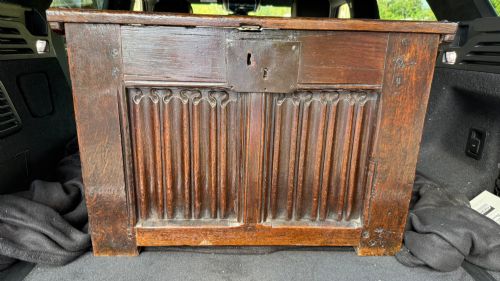
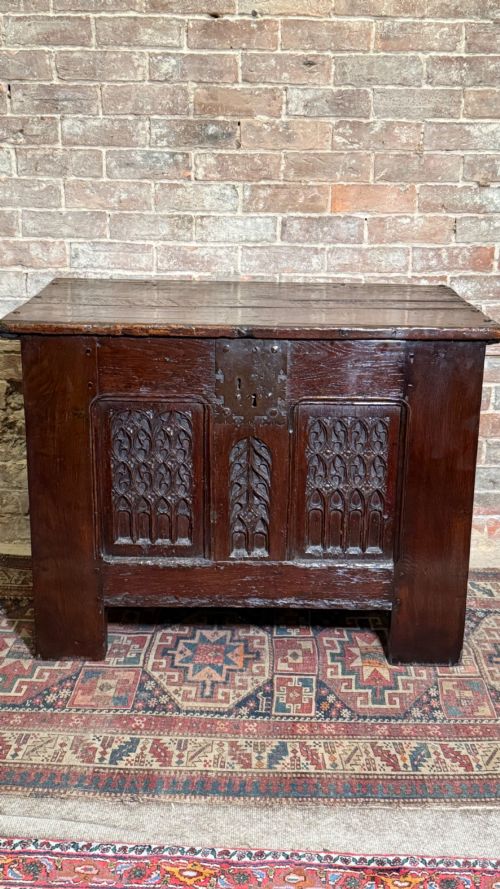
Dark Brown Coffer
A dark brown coffer brings centuries of solid timber utility into a room, offering robust storage with deep historical character.
Dark Brown Coffer
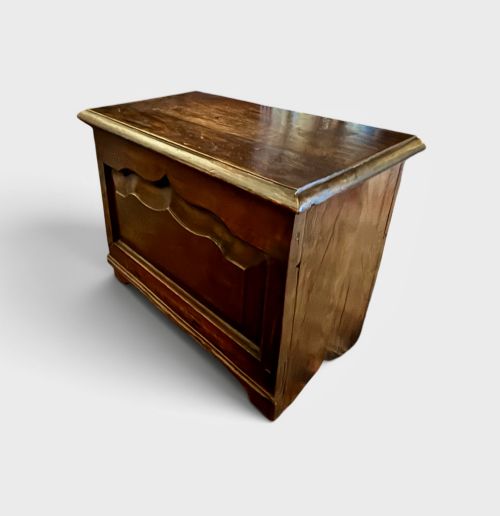
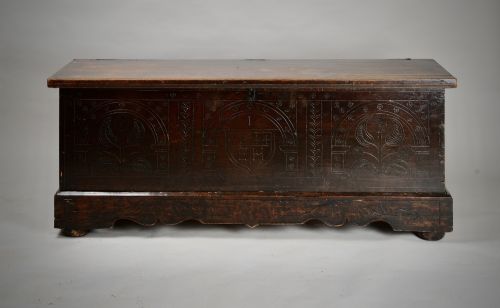
When you search for a dark brown coffer, you look at heavy storage furniture built primarily for domestic security and organisation. The selections on this page span from the sixteenth century through the Georgian era and into later revival pieces, capturing centuries of woodworking traditions.
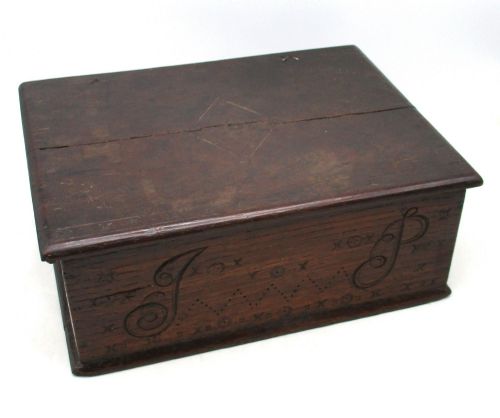
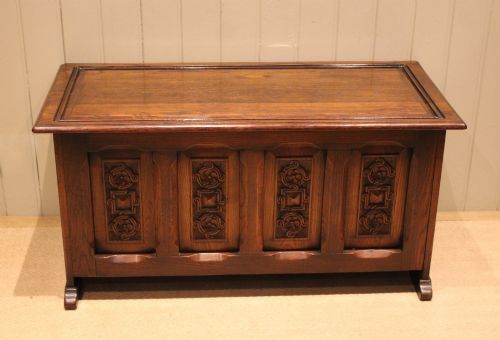
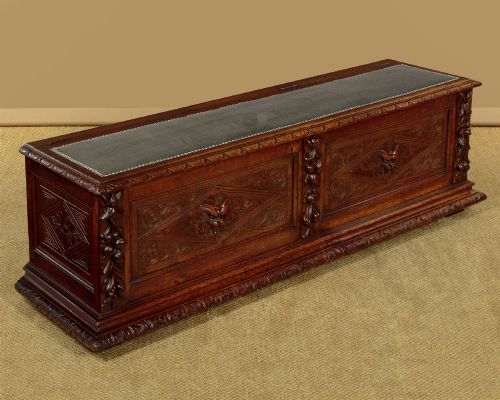
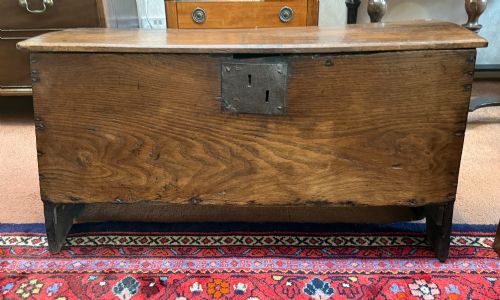
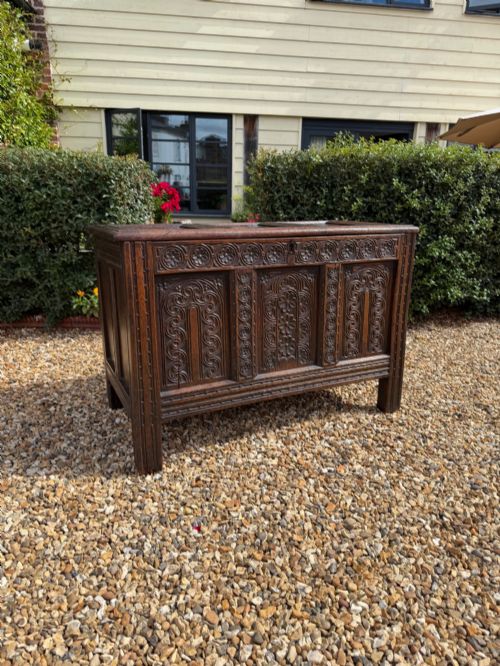
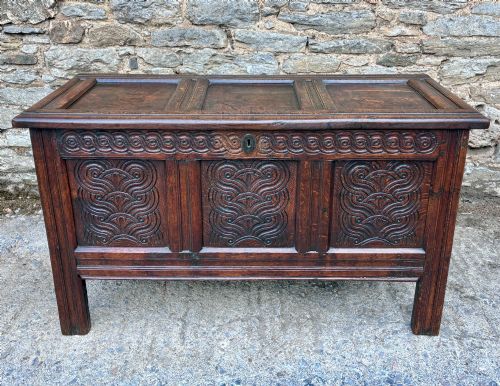
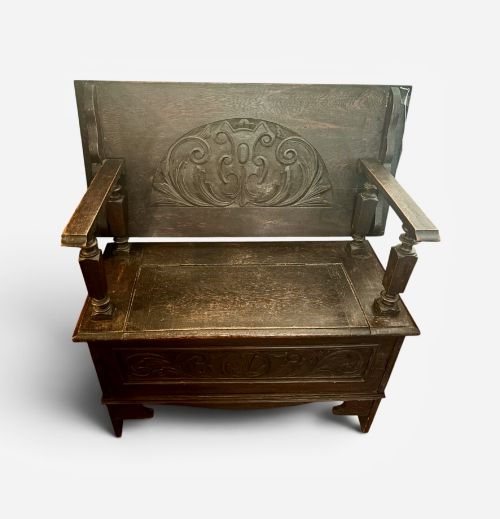
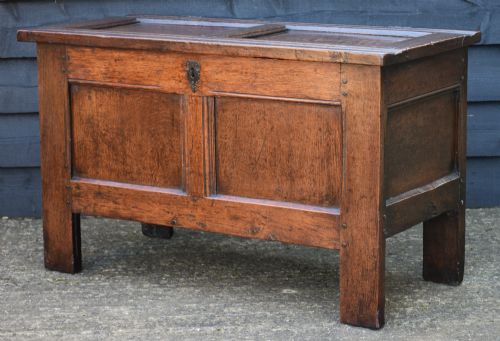
You meet pieces fashioned from sturdy hardwoods, most notably oak, alongside elm, ash and Cuban mahogany. Forms range from simple six-plank constructions and medieval chests to panelled coffers, document boxes and joined trunks with metal bindings.
Origins stretch across English workshops, Welsh traditions and continental examples including Flemish and Dutch pieces. Many function equally well as window seats, hall benches or blanket boxes in contemporary spaces.
Materials and Construction
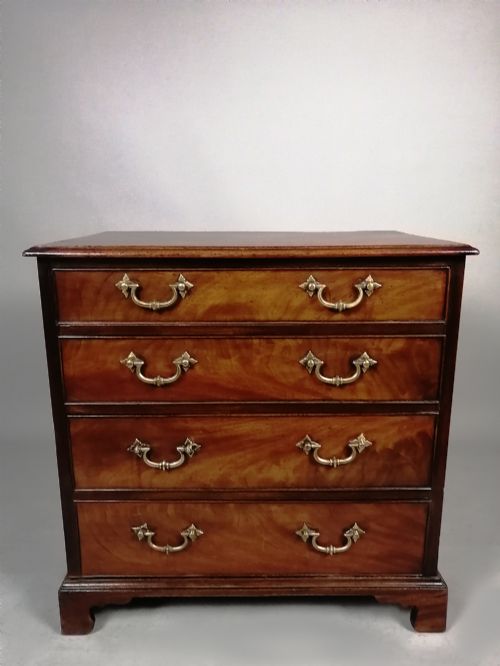
Makers relied heavily on native timber, selecting oak for its durability, while elm and ash provided alternative structural integrity for vernacular forms. Artisans also utilised exotic woods like Cuban mahogany for later Georgian pieces, applying wood inlay for surface pattern.
Construction techniques evolved from primitive six-plank builds to sophisticated frame and panel assembly, allowing timber to expand and contract naturally without splitting. Iron and brass hardware, hinges, locks and studded leather reinforcement added essential strength and security.
Object types include coffers, chests, document boxes, settles and hall benches utilising iron and brass hardware.
Distinguishing Quality
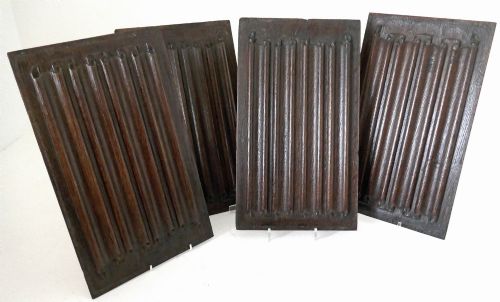
Quality rests in the integrity of the timber, the depth of surviving patina and the crispness of hand-carved details such as linenfold panels or fluting. Untouched surfaces with original boarded lids and period ironwork command greater respect than heavily restored examples.
Proportion and scale dictate desirability, with smaller proportions and dowelled joints showing superior domestic craftsmanship. The transition from simple joined boards to sophisticated moulding reflects the maker's skill and the period's aesthetic standards.
Samuel Pratt
The Dark Brown Coffer Glossary
- Linenfold
- A style of wood carving popular in the Tudor and Elizabethan periods that imitates folded linen. It adds texture and vertical emphasis to flat panels.
- Six-plank
- A primitive chest construction method joining six boards simply pegged and nailed together at the edges. This method represents early vernacular furnituremaking.
- Cassone
- An Italian antique chest or coffer often associated with marriage chests. These pieces frequently display rich carving or inlay.
- Settle
- A wooden bench with a high solid back, enclosed arms and often a box seat compartment underneath. It provides draught-proofing in older homes.
Dark Brown Coffer: Frequently Asked Questions
How old is my dark brown coffer?
Age is determined by construction methods, such as the presence of hand-split boards, pegged joints and primitive iron hinges rather than modern screws. Examining the style of carving, whether linenfold, fluted or geometric panels, helps anchor the piece to a specific century.
Changes in timber choice, from native oak and elm in earlier periods to Cuban mahogany in the Georgian era, provide further chronological clues. Examining the wear patterns around the feet and lid edges also reveals centuries of physical handling.
Where were coffers placed originally?
These pieces sat primarily in the principal chambers or halls of domestic dwellings to secure precious textiles, silver and important documents. Their flat tops also allowed them to double as tables or benches when extra seating was required.
As domestic architecture evolved, they moved into hallways and living spaces to store blankets and everyday items. Today, their robust build allows them to function as window seats or coffee tables.
What is a six-plank coffer?
A six-plank coffer is the simplest form of chest, constructed from just six individual boards of timber pegged and jointed at the corners. This direct method of assembly was common in early vernacular furniture production.
Despite the basic construction, surviving examples demonstrate remarkable durability through centuries of domestic use. The end boards often extend downward to form feet, lifting the base away from damp stone floors.
How do I care for antique oak?
Maintain antique oak by keeping it away from direct heat sources and dramatic humidity fluctuations that cause timber to split. Regular dusting with a dry, soft cloth preserves the natural surface.
Applying occasional natural wax helps nourish the wood and maintain its deep brown patina without sealing the pores. Avoid modern silicone polishes that build up residue and attract dust over time.