


Antique Asian Trunk
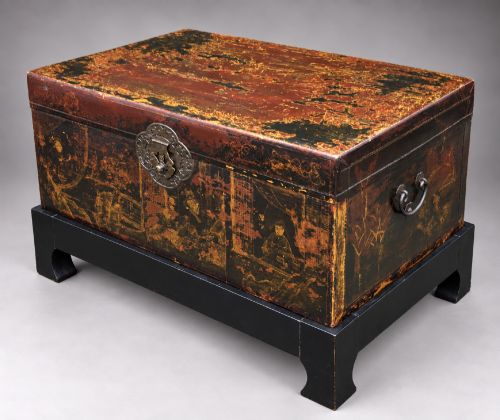
An antique asian trunk brings lasting character to a room, offering generous storage alongside the rich textures of camphor wood, lacquer and brass.
Antique Asian Trunk
An antique asian trunk serves as a robust storage piece, encompassing heavy blanket boxes, dowry chests, travel luggage and multi-drawer tansu cabinets from various Eastern traditions. When exploring this selection, buyers most frequently encounter 19th-century camphor wood chests and traditional Chinese or Japanese storage forms.
The objects span multiple centuries, ranging from 18th-century hardwood coffers to early 20th-century lacquerware and travelling boxes. Pieces arrive from distinct regional workshops, including Chinese export centres, Japanese tansu makers and Indian lacquer traditions.
Functional forms vary from simple blanket boxes to complex wheeled kuruma-dansu, bandaji chests, and cabinets on stands. Each piece reflects the domestic storage needs and decorative arts of its specific period and origin.
Materials and construction methods
Carpenters utilised indigenous timbers such as camphor wood, elm, cedar, hongmu, and general hardwoods to build durable frames capable of protecting contents from moisture and insects. Camphor wood is particularly prevalent for its aromatic properties and resistance to pests.
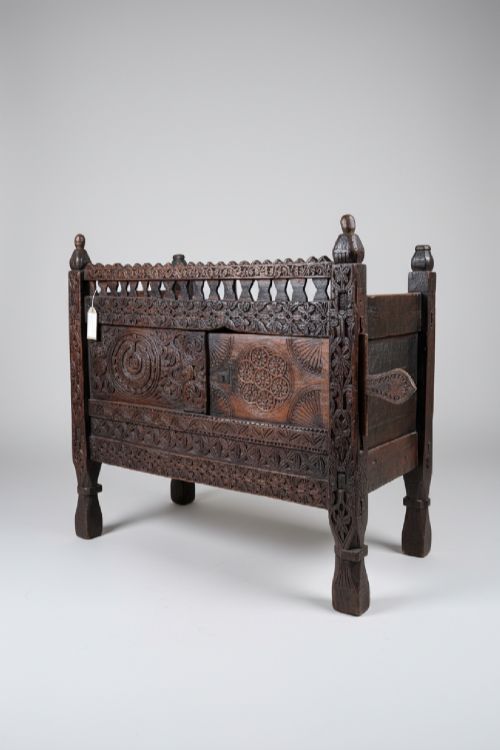
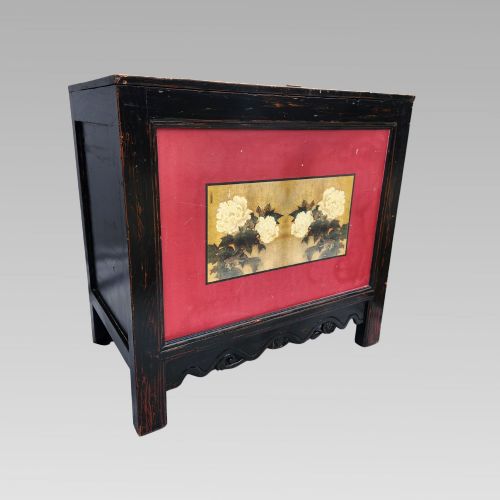
Surface decoration frequently involves black, red, or gilt lacquer applications, alongside intricate hand-carving depicting floral motifs and regional scenes. Metalwork plays a structural and decorative role, incorporating brass corner brackets, bindings, locks, and iron hardware.
Construction techniques range from traditional joinery in dowry chests to specialised hardware integration in mobile tansu and bandaji storage units.
Pig skin was occasionally stretched over wooden cores for shipping trunks, creating a remarkably tough travel shield.
Distinctions in quality and finish
Quality rests upon the depth and precision of the hand-carving, the structural integrity of the timber, and the preservation of original lacquer and hardware. Finely carved camphor wood panels and intact brass or iron mountings distinguish superior examples.
The condition of the finish, whether polished wood or layered lacquer, dictates the visual impact of the piece. Authentic regional characteristics, such as original stands, wheels, or specialised internal fittings, elevate the integrity of the trunk.
The Antique Asian Trunk Glossary
- Tansu
- A traditional Japanese mobile or stationary storage chest featuring multiple drawers and sliding doors. These pieces utilise iron or copper hardware for reinforcement.
- Bandaji
- A traditional Korean wooden storage chest strengthened with decorative metal bands and strapwork. They were traditionally used for storing bedding and garments.
- Kuruma-dansu
- A Japanese wheeled chest designed for mobility during fires or relocation. The wheels are integrated directly into the wooden frame.
- Cofer
- A heavy, chest-like box traditionally used for storing valuables or dry goods. These sturdy containers often feature reinforced wooden construction and iron or brass fittings.
Antique Asian Trunk: Frequently Asked Questions
What were antique asian trunks used for?
These trunks served primarily for household storage, protecting garments, textiles, and valuables against moisture and insects.
Specific forms like dowry chests held wedding goods, while travelling boxes and campaign chests were built for transit.
How do I care for a lacquer finish?
Lacquer surfaces require gentle dusting with a soft, dry cloth to prevent scratching the delicate finish.
Keep these pieces away from direct sunlight and fluctuating humidity to protect the wood and lacquer layers from cracking.
How can I tell a tansu from a Chinese chest?
Japanese tansu chests typically feature distinct arrangements of external drawers, sliding panels, and robust iron hardware designed for utility.
Chinese trunks more commonly showcase deep relief carvings in camphor wood or feature black and red lacquer finishes with brass mountings.
Are camphor wood chests safe for modern storage?
Camphor wood naturally repels insects, making these chests suitable for storing blankets, woolens, and seasonal clothing.
The natural aromatic oils remain potent over generations and help keep stored textiles fresh.