
Dark Brown Carved Figure
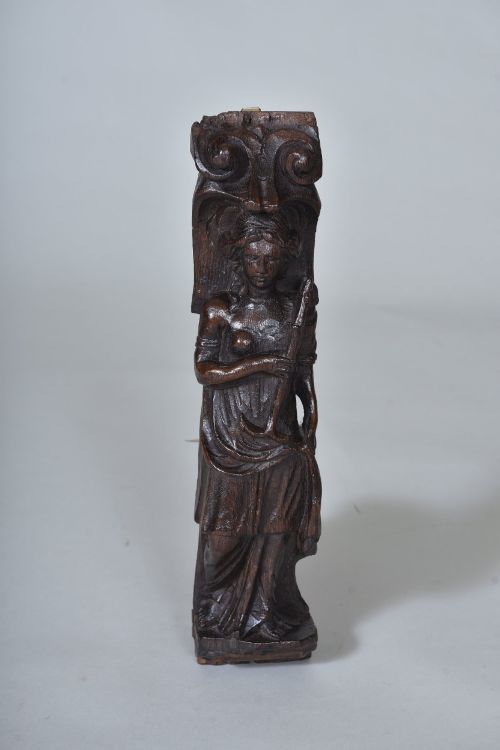
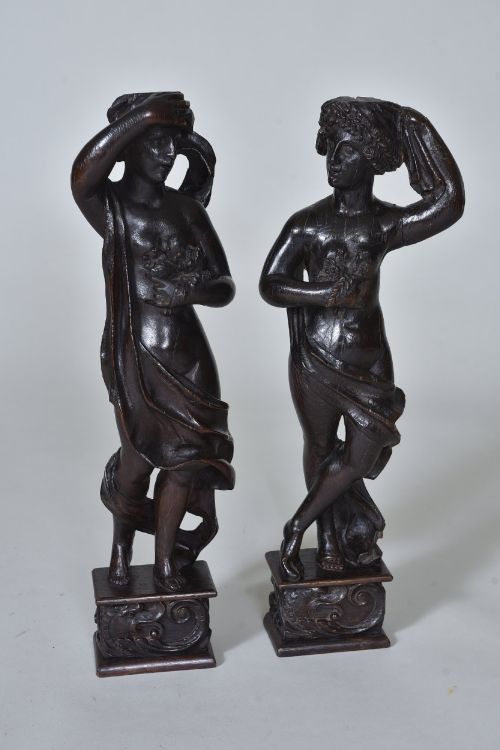
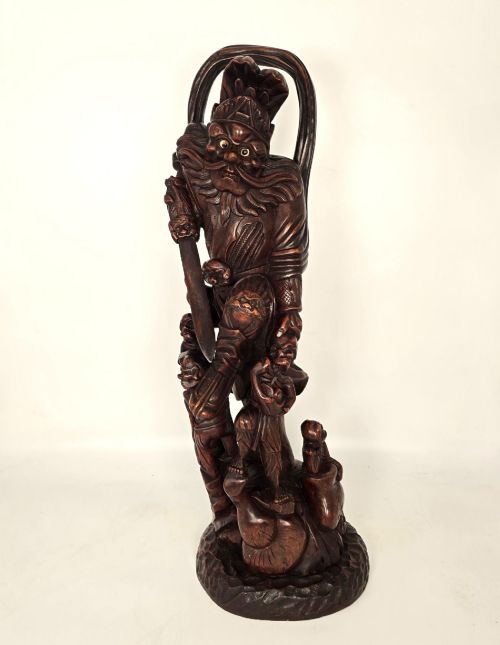
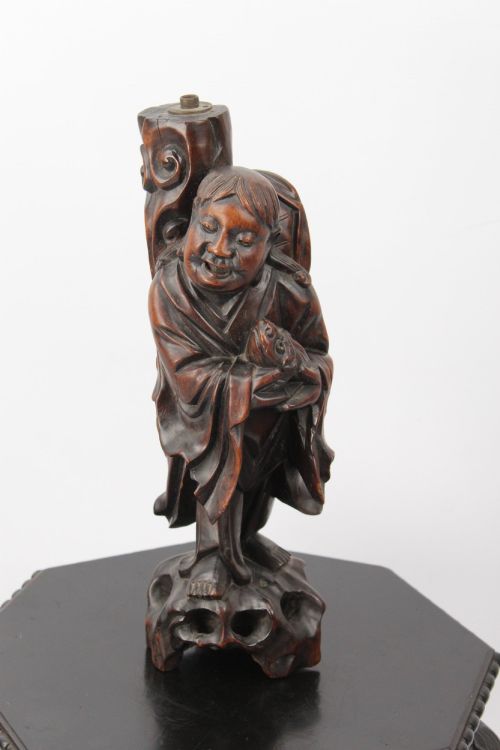
A dark brown carved figure brings centuries of hand-carved woodcraft into a room, offering expressive detail through rich tones.
Dark Brown Carved Figure
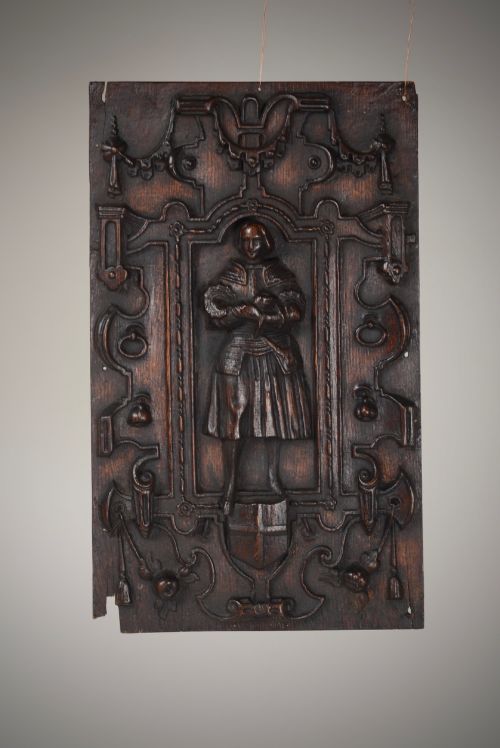
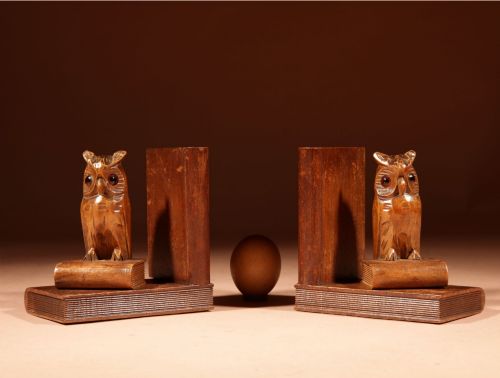
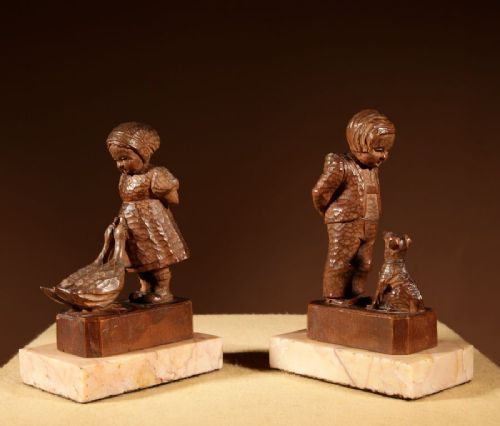
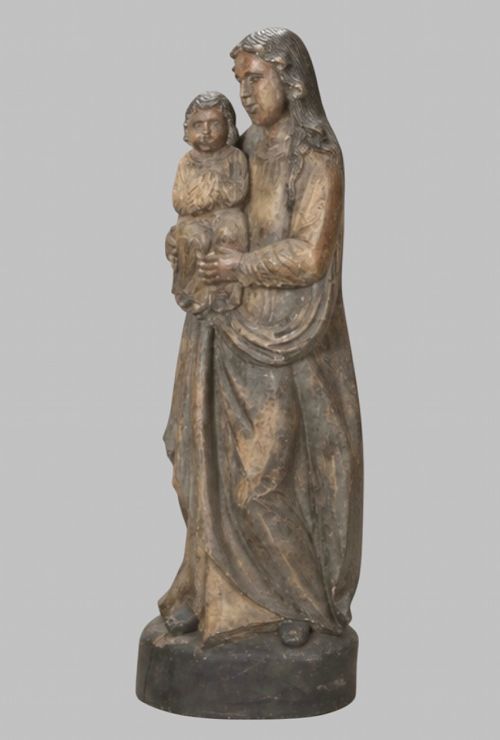
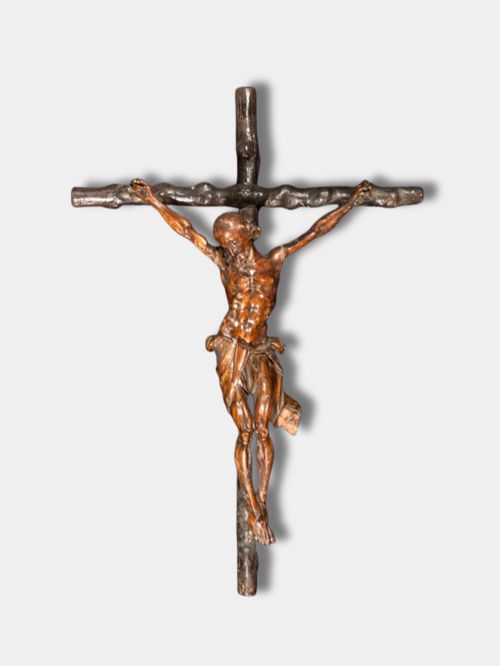
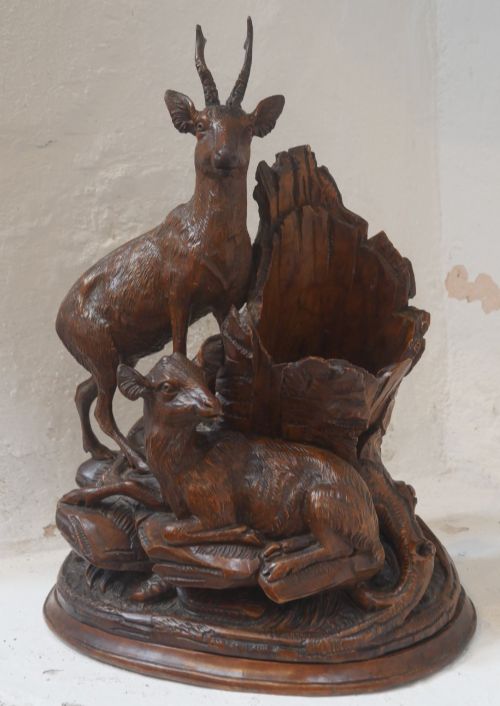
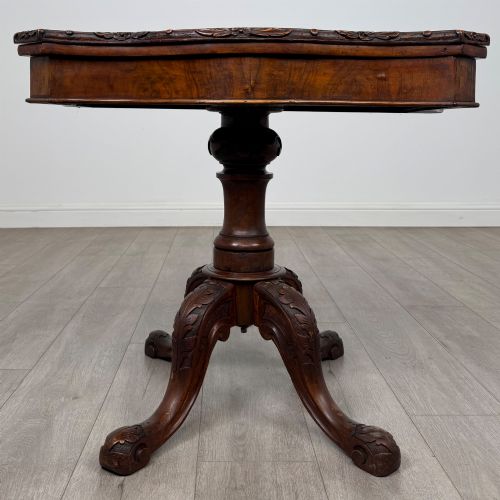
A dark brown carved figure encompasses sculptural works shaped from various woods across multiple centuries, ranging from devotional subjects to animal studies. When searching for a dark brown carved figure, buyers encounter diverse regional traditions spanning European Black Forest animal carvings, Asian hardwoods, and early oak panels. These objects function primarily as decorative sculptures, bookends, and figurative ornaments within domestic spaces.
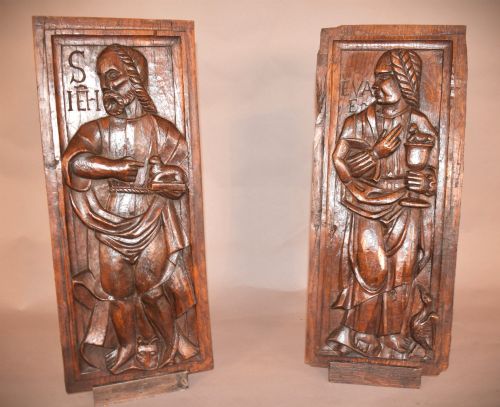
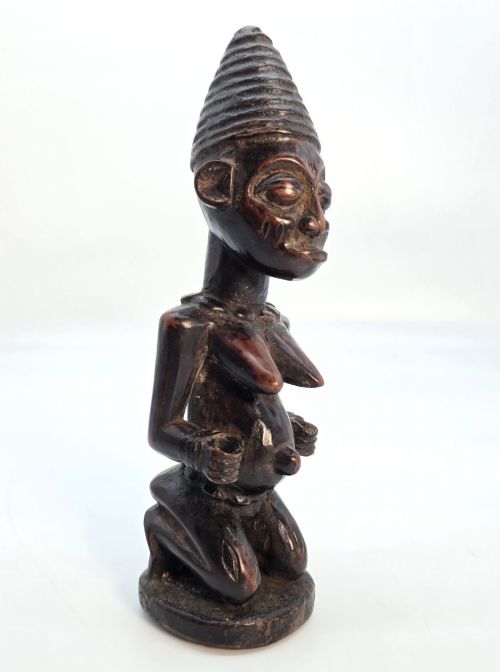
The selections on this page draw from periods as early as the seventeenth century through to the early twentieth century. European examples often utilise oak, walnut, or linden wood, while Asian and African pieces frequently employ dense hardwoods. Forms vary from human figures such as warriors and immortals to realistic bears, owls, and horses.
Materials and methods
Carvers shaped these pieces using diverse woods including oak, walnut, boxwood, linden wood, and heavy hardwoods. Artisans employed hand chisels and gouges to define muscular forms, facial expressions, and textures such as fur, hair, and woven garments.
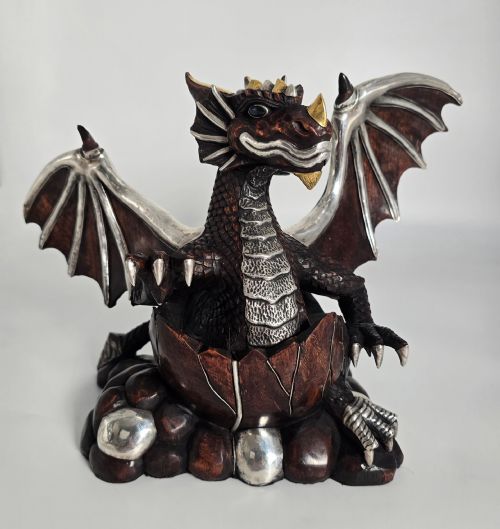
Finishes applied to the wood frequently emphasise deep brown tones through polishing, staining, or natural ageing of the grain. Certain pieces incorporate mixed metal mounts, ivory elements, or painted highlights to accent specific details.
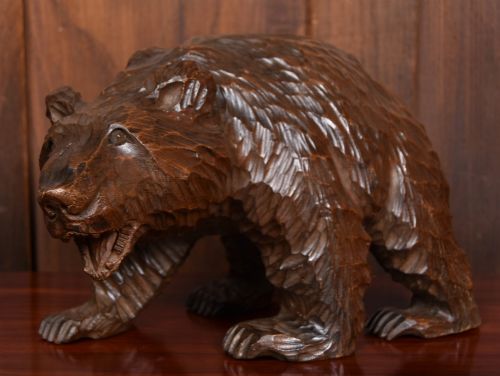
Several wooden bears from the Black Forest tradition double as functional bookends, holding up heavy volumes with determined expressions.
Assessing quality and execution
The choice and condition of the timber also determine merit, with well-figured woods and stable grain structures retaining greater definition over centuries. Preservation of the original surface patina without excessive intervention maintains the historical integrity of the piece.
Simon Troger·Tomochika
The Dark Brown Carved Figure Glossary
- Hardwood
- Wood from broad-leaved angiosperm trees that generally produces dense and durable carved objects. Examples include oak, walnut, and various tropical timbers.
- Black Forest
- A nineteenth and early twentieth century European carving style originating in Switzerland and Germany. This tradition is particularly known for realistic animal sculptures, bears, and functional items like bookends.
- Folk Art
- Artistic work created within a cultural tradition by untrained or self-taught makers. These pieces prioritize naive charm and regional character over academic proportion.
- Netsuke
- A small Japanese miniature carved toggle used to secure small pouches worn on traditional garments. These items feature intricate detailing and diverse subject matter.
- Patina
- The surface sheen and coloration developed on wood through age, handling, and repeated waxing. This quality indicates natural maturation rather than modern finishing.
Dark Brown Carved Figure: Frequently Asked Questions
How do I care for wooden sculptures?
Keep carved wooden pieces away from direct sunlight and heat sources to prevent the wood from drying out and splitting. Dust them gently with a soft, dry cloth rather than using liquid polishes.
Applying a light coat of microcrystalline wax occasionally helps protect the surface and preserve the natural sheen of the dark wood.
What woods were commonly used?
European pieces frequently utilise oak, walnut, boxwood, and linden wood. These timbers allowed carvers to achieve varying levels of fine detail.
Asian and African works generally employ dense, heavy hardwoods that accommodated large-scale figures and intricate openwork carving.
How are different periods identified?
Dating relies on tool marks, style, timber choice, and historical subject matter. Seventeenth-century pieces often feature heavier oak panels and deep relief work, while nineteenth-century Black Forest items display realistic animal studies.
Comparative analysis of regional carving techniques and costumes helps narrow down the exact era of creation.
Where should I display these figures?
These sculptures suit tabletops, mantels, and dedicated shelves where adequate lighting highlights the carved contours and grain. Pair bookends with sturdy volumes on a desk or bookcase for a functional display.
Ensure the placement protects the object from accidental knocks, especially pieces with delicate projections or protruding limbs.