
Dark Brown Carved Coffer
These dark brown carved coffer examples bring centuries of solid oak storage into a room.
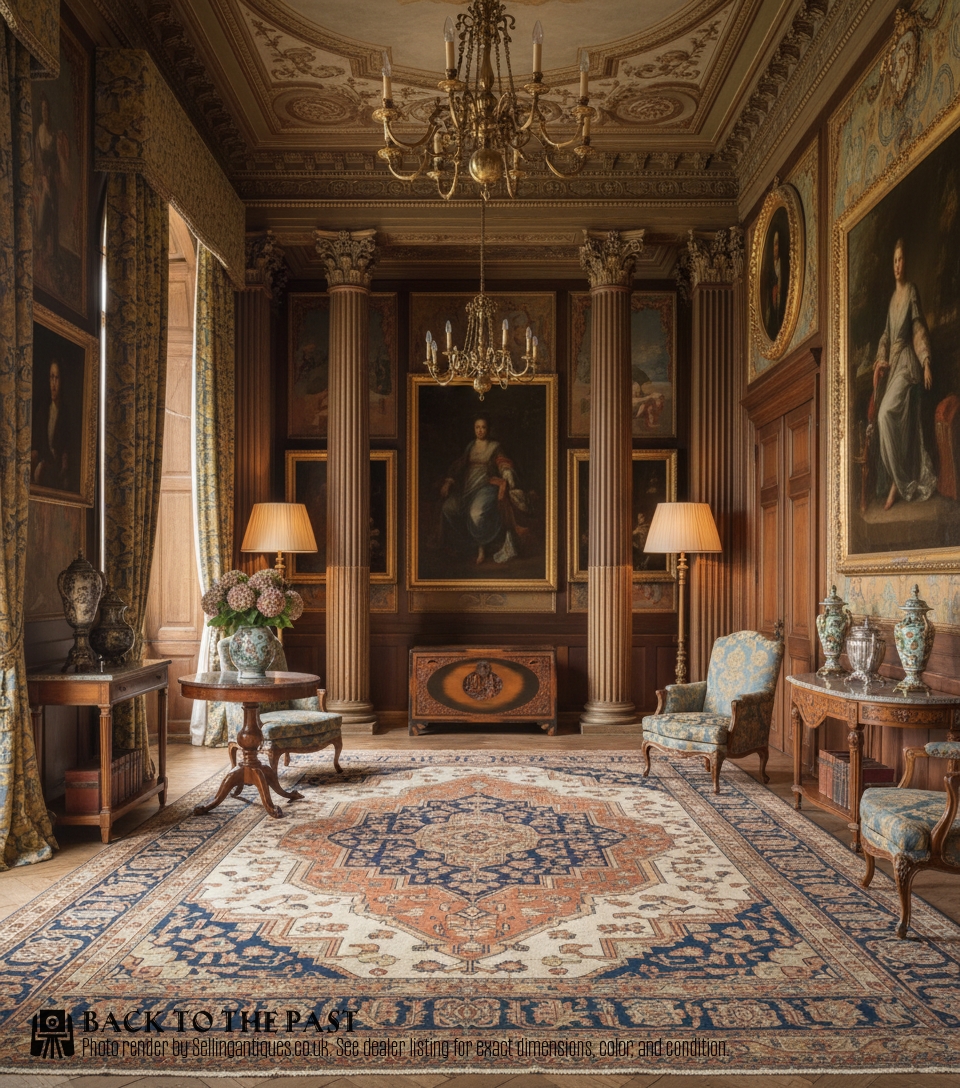
Dark Brown Carved Coffer
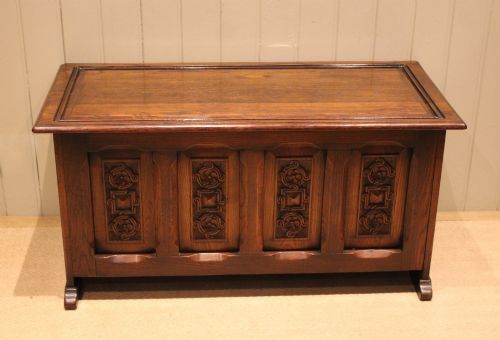
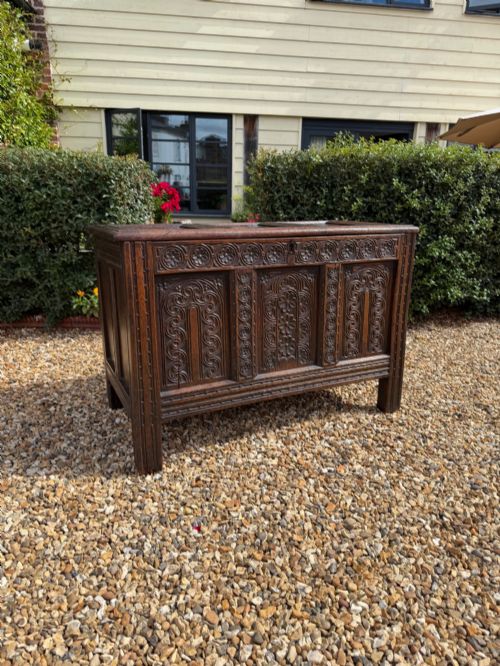
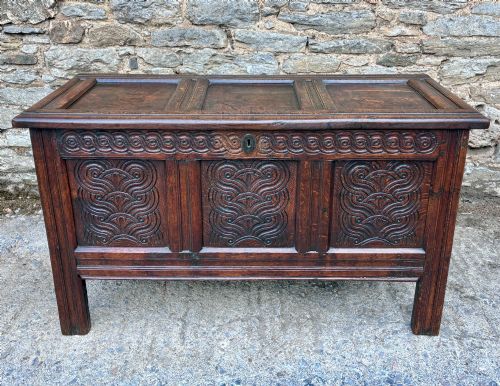
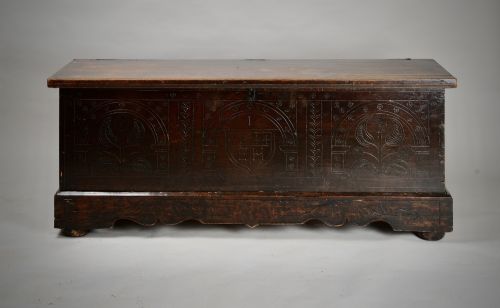
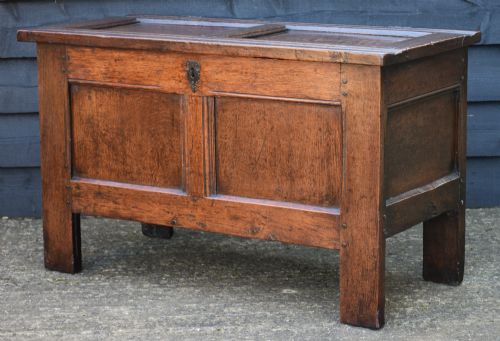
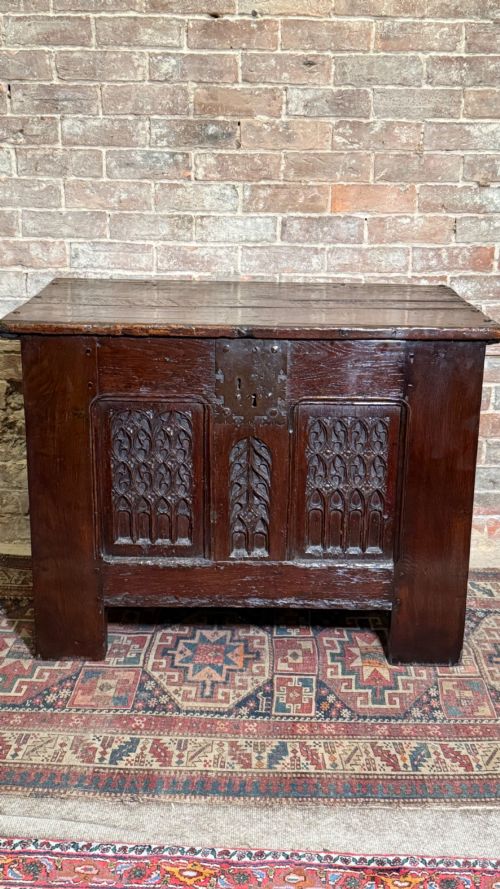
A dark brown carved coffer serves as a sturdy storage chest or bench, appearing frequently in robust oak forms from the sixteenth to the nineteenth century. These pieces function as blanket chests, linen stores, or bay window seats within domestic interiors.
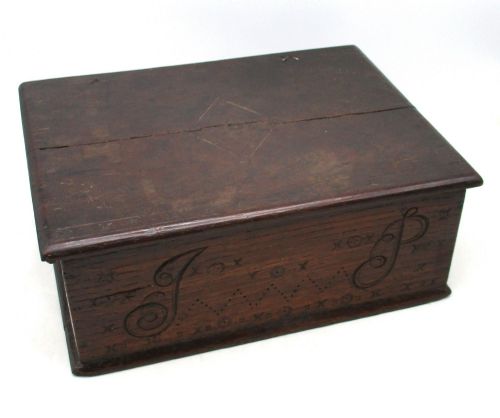
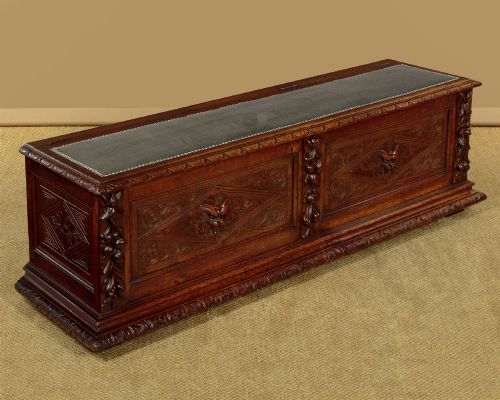
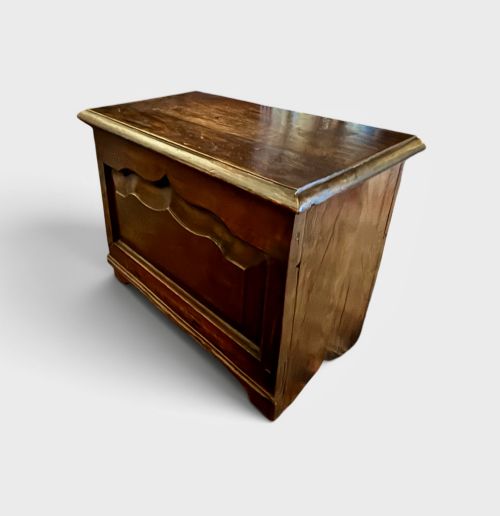
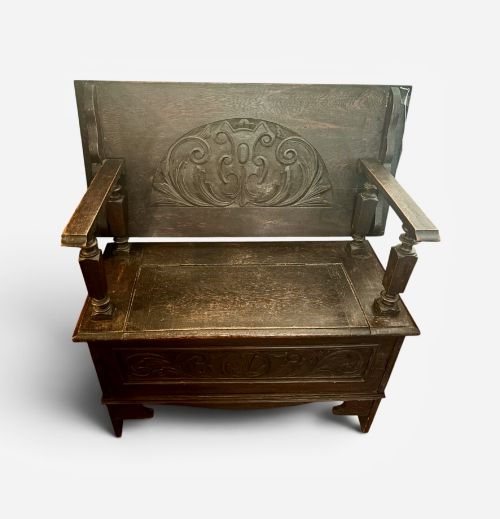
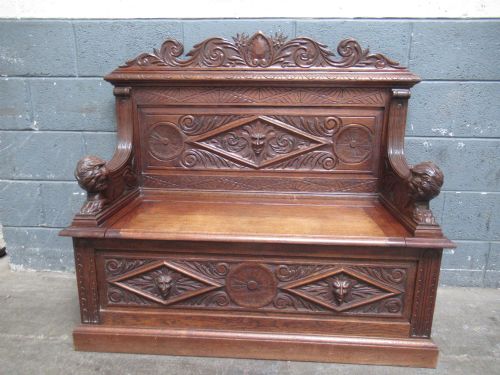
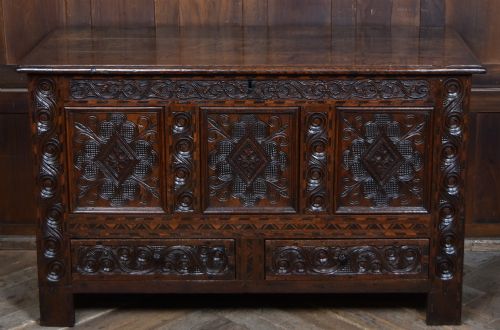
The selection ranges from small document boxes and Bible boxes to large panelled coffers and box settles bearing deep period carving. Seventeenth-century examples dominate the offerings, alongside later Georgian interpretations and revivals.
Makers shaped these heavy wooden containers for utilitarian household use, incorporating hinged lids and deep internal compartments. Over time, surfaces darken through age and wax application into deep brown tones.
What varies in quality
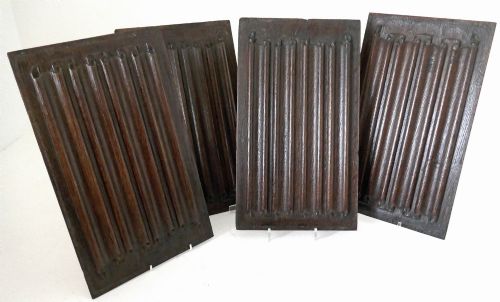
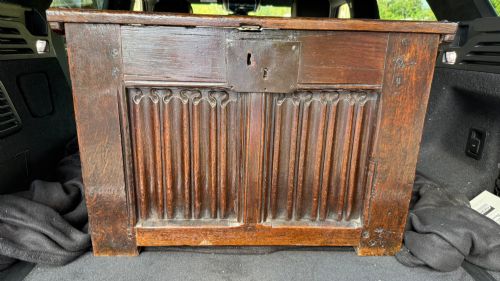
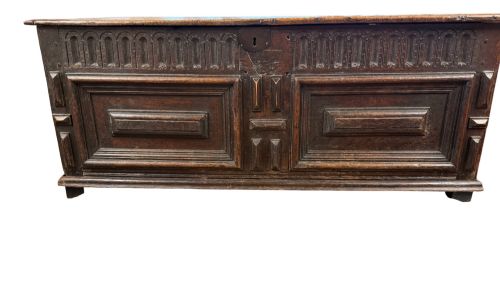
The depth and crispness of the hand carving separate simpler utility chests from more ambitious decorative works. Crisp linenfold panels or intricate geometric mouldings indicate greater skill from the original maker.
The survival of original timber surfaces, robust proportions, and untouched hardware determine the overall integrity of a piece. Later alterations or replaced panels shift an example away from its original state.
Listings feature oak as the primary timber, alongside cedar wood and ebonised wood across sixteenth-century to Victorian periods.
The Dark Brown Carved Coffer Glossary
- Coffer
- A heavy wooden chest with a hinged lid, utilised historically for storing valuables, linen, and documents. These pieces often feature panelled construction and carved front elevations.
- Linenfold
- A style of carved wooden panelling popular in the sixteenth century, designed to resemble folded cloth. This motif appears frequently on early oak chests and box fronts.
- Bible box
- A small tabletop or desk box built to hold sacred texts and writing materials. These compact wooden containers often sit on tables or stands.
- Box settle
- A high-backed wooden bench incorporating a storage compartment beneath the seat. This form combines seating with heavy chest construction.
- Cassone
- A large European chest traditionally associated with marriage chests and dowry storage. These ornate containers often display regional decorative carving.
Dark Brown Carved Coffer: Frequently Asked Questions
What were coffers used for originally?
These heavy chests stored valuable household goods, textiles, documents, and clothing in domestic interiors. Their sturdy construction also allowed them to double as benches or tables when space required.
Over centuries, families adapted them for linen storage or blanket boxes at the foot of beds.
How do I tell a sixteenth-century coffer from a later revival?
Early sixteenth-century pieces display characteristic joinery methods, timber shrinkage, and authentic wear patterns consistent with hand tool work. Linenfold carving and medieval structural traits separate them from nineteenth-century revival copies.
Revival pieces often show more uniform machine milling and cleaner timber without centuries of oxidation.
Where should I place a coffer in a modern home?
A heavy oak chest fits well in a hallway as a bench seat for putting on shoes while providing concealed storage inside. They also sit practically at the end of a bed for spare blankets and linens.
The flat top surface functions easily as a display area for lamps or decorative objects.
How do I clean and maintain antique oak timber?
Dust the surfaces regularly with a soft, dry cloth to prevent grit accumulation in the carved recesses. Feed the dry oak periodically with traditional beeswax to preserve the dark brown finish.
Avoid placing wooden chests near direct heat sources or damp areas to prevent timber splitting.