


Dark Brown Canvas Painting
A dark brown canvas painting brings centuries of deep, aged pigments and solemn portraits into a room.
Dark Brown Canvas Painting
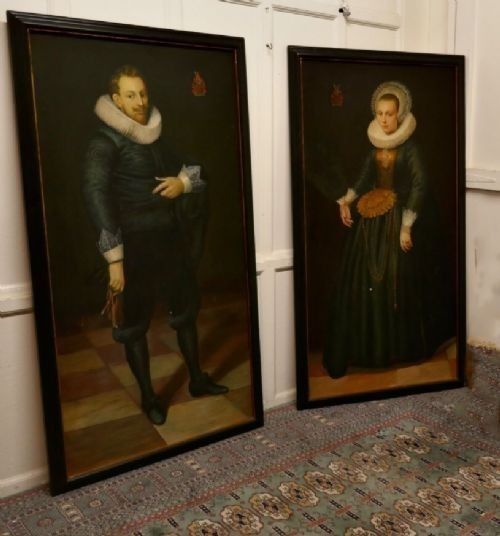
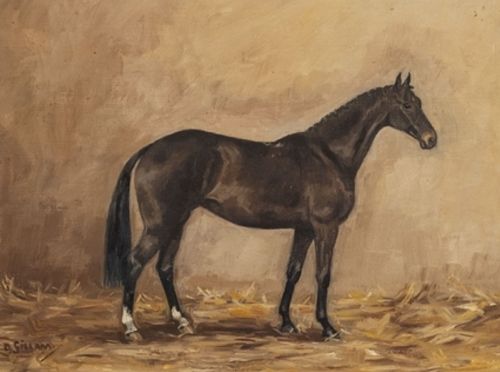
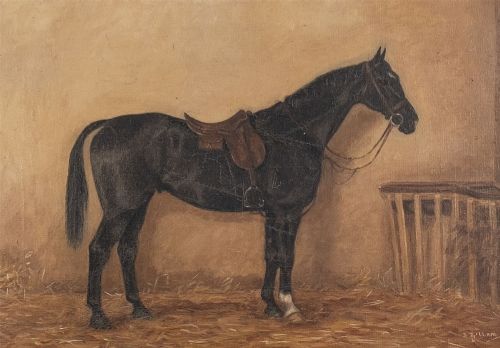
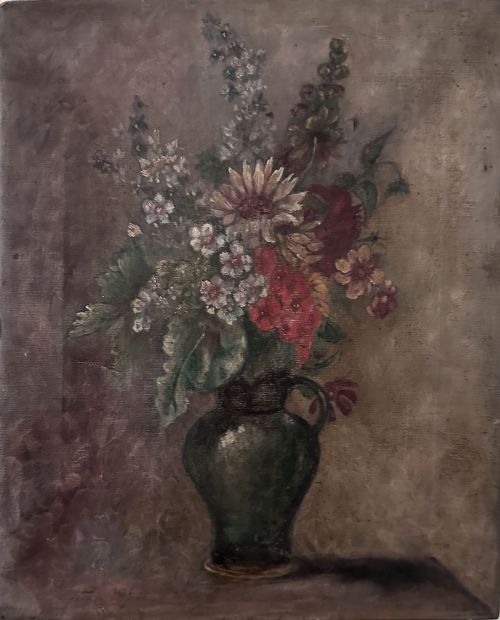
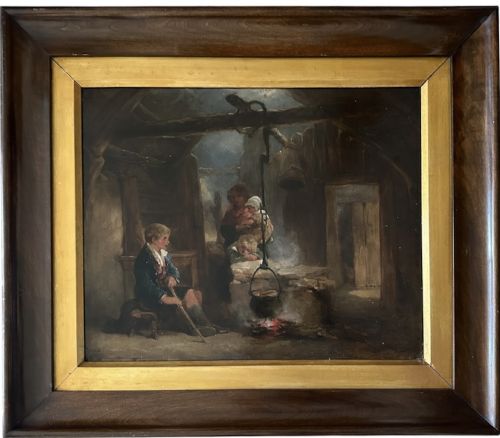
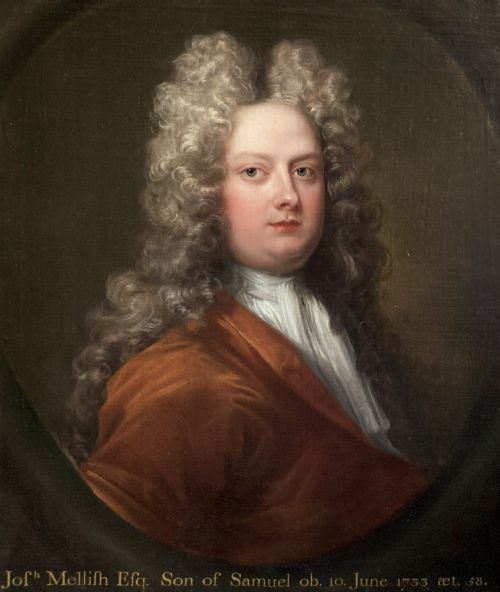
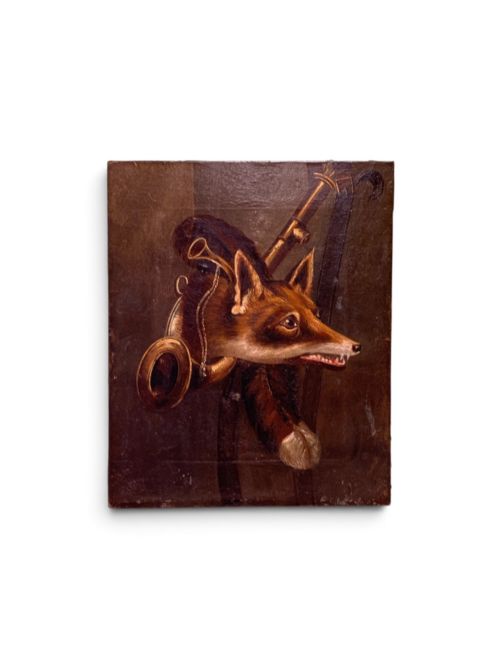
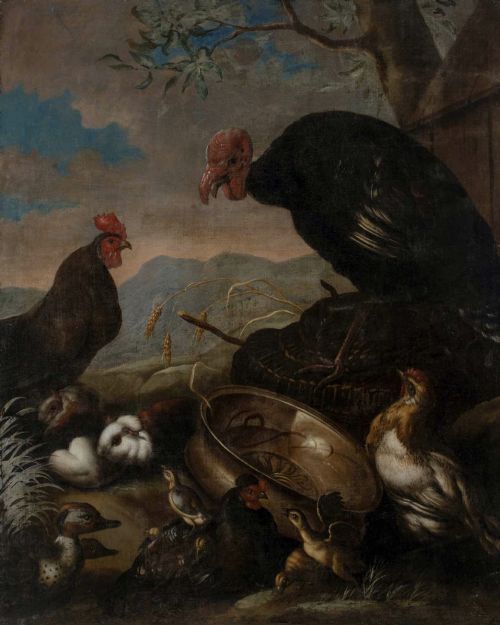
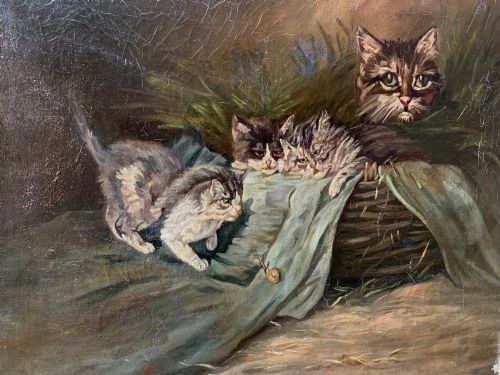
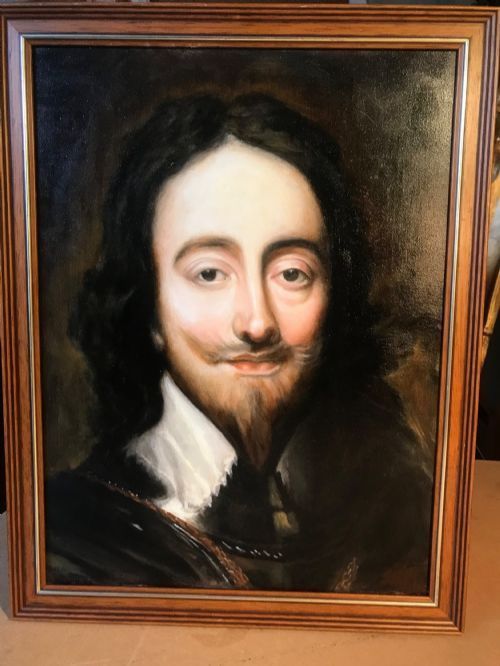
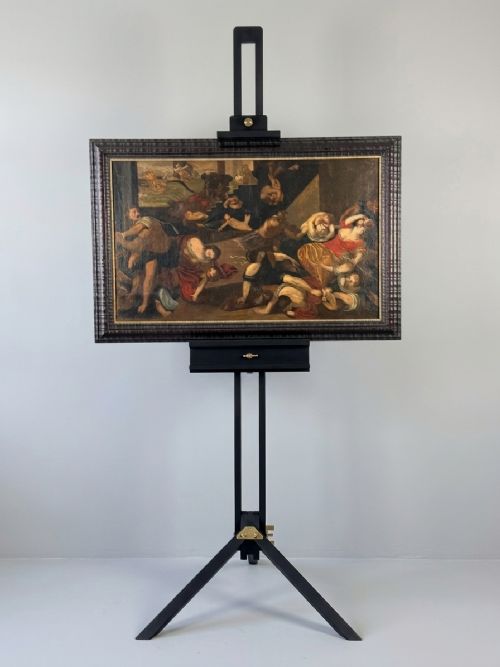
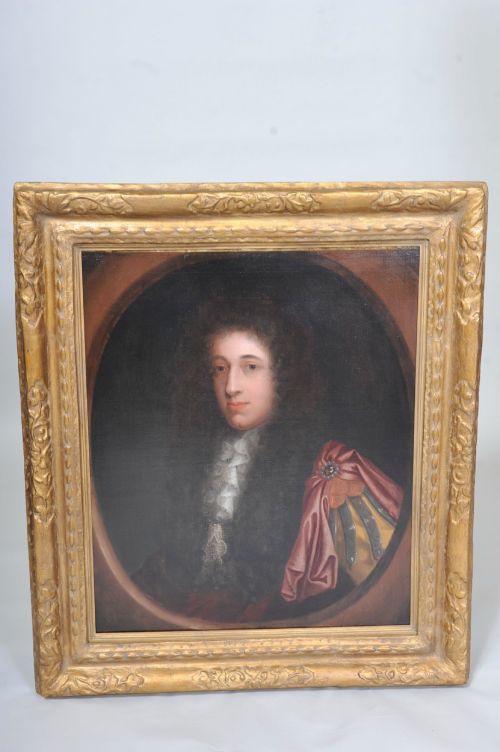
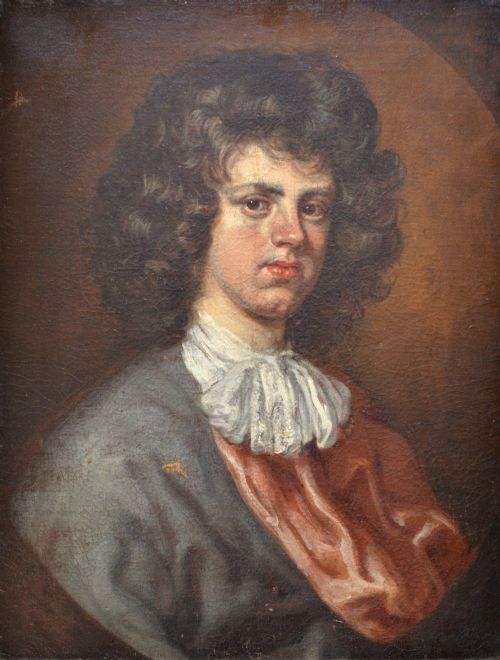
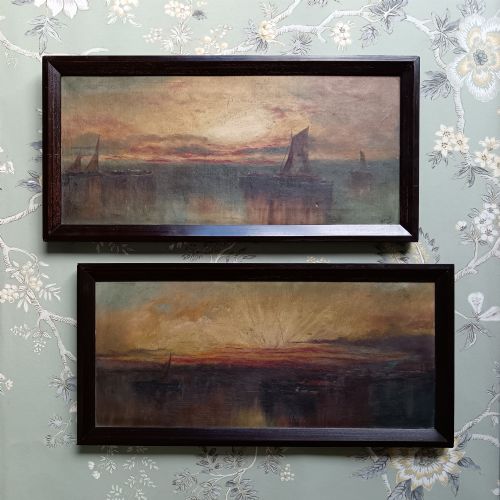
When searching for a dark brown canvas painting, buyers encounter centuries of historic portraiture, religious scenes and still lifes dominated by moody, oxidised tones. The pieces available span from the seventeenth century through to the Edwardian period, capturing centuries of evolving European painting traditions.
The most common examples on this page are seventeenth-century portraits and religious works rendered in oil on canvas. These works frequently employ sombre palettes, deep shadows and restrained lighting characteristic of Baroque and old master aesthetics.
Materials and construction
The works utilise woven canvas stretched over wooden frames, providing a textured foundation for the pigment. Artists applied layers of oil paint mixed with rich earth tones, using heavy chiaroscuro techniques to build deep brown and amber shadows.
Many of the period frames incorporate applied gold leaf or carved wood accents that complement the dark surfaces of the canvas. The ageing of the oil paint and varnish naturally deepens the overall tone toward rich browns over centuries.
Canvases recorded here utilise traditional oil paint combined with wood stretcher frames and occasional gold leaf accents.
Quality variations
The level of anatomical precision in the subject and the subtlety of brushwork separate finer studio pieces from standard decorative works. Master painters achieved nuanced depth in fabrics and facial expressions through careful layering rather than flat dark washes.
Condition and originality play a major role in evaluation, particularly the stability of the canvas and the extent of historic retouching. Works retaining their original stretchers and unlined canvases command greater attention from serious collectors.
Charles Jervas·Angelo Maria Crivelli·Sir Godfrey Kneller·Mary Beale·David Teniers
The Dark Brown Canvas Painting Glossary
- Oil on canvas
- Pigments suspended in a drying oil medium applied to a woven fabric support. This combination allowed artists to blend tones smoothly and build rich, dark glazes.
- Baroque
- An artistic style prevalent from the seventeenth century characterised by dramatic contrast between light and dark. It heavily influences the mood of early dark canvas works.
- Old Master
- A term for a European artist of high skill working before eighteen hundred. These painters established the traditions seen in many historic portrait and religious canvases.
- Chiaroscuro
- The use of strong contrasts between light and dark to give subjects volume and three-dimensional depth. This technique creates the characteristic dark backgrounds in period paintings.
Dark Brown Canvas Painting: Frequently Asked Questions
How do I clean an old canvas painting?
Historic oil paintings require delicate handling and professional conservation rather than household cleaning methods. Surface dust should be removed very gently with a soft, dry brush by someone experienced.
Applying water or chemical cleaners risks damaging the aged varnish and underlying oil layers. Any significant grime warrants consulting a professional art restorer.
What lighting suits dark brown paintings?
Subdued, indirect lighting prevents glare on aged varnishes while allowing the dark brown tones and shadow details to emerge clearly. Picture lights equipped with low-heat bulbs placed above the frame work effectively.
Direct sunlight must be avoided entirely to prevent the oil paint and canvas from drying out or fading. Balanced ambient room lighting often reveals the subtle brushwork best.
How can I tell the period of a canvas?
Examining the type of canvas weave, the construction of the wooden stretcher frame and the composition style offers reliable clues. Older seventeenth and eighteenth-century supports often feature hand-planed wood and coarse, uneven linen.
Craquelure patterns in the oil paint develop naturally over long periods and help indicate genuine age. Stylistic markers in clothing and hair also point toward specific historical decades.
Where should I hang a heavy framed artwork?
Secure wall fixings anchored directly into wall studs or masonry support the substantial weight of antique wood and canvas assemblies safely. Heavy gilded frames require robust picture wire and sturdy wall hooks rated for the load.
Placing the piece away from direct heat sources such as radiators protects the wooden stretcher and canvas from warping. Stable indoor humidity prevents the paint layers from cracking over time.